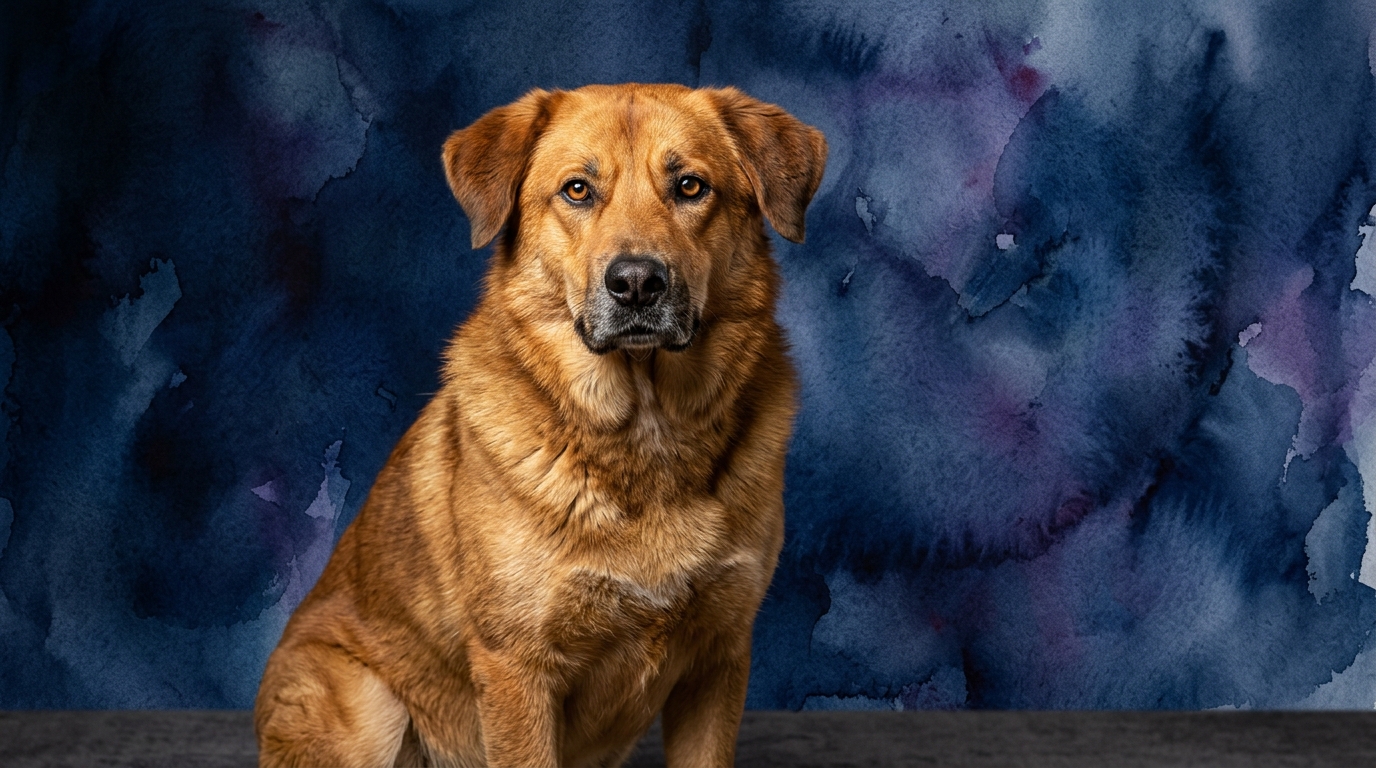

Side-by-Side IQ Profile: Unpacking Identical Scores
At first glance, the Chinook and Sussex Spaniel appear to be cognitive mirror images, each scoring 3 out of 5 across all five IQ dimensions: Problem Solving, Training Speed, Social Intelligence, Instinctive Drive, and Memory. However, these identical scores belie a rich tapestry of nuanced application, where each breed channels its abilities through the lens of its unique heritage. The Chinook, a Northern breed developed for sledding, navigates the world with a collaborative, endurance-focused mindset, while the Sussex Spaniel, a methodical flushing hunter, approaches tasks with a determined, scent-driven focus. The Sussex Spaniel also holds a Coren rank of #62 for working and obedience intelligence, a notable distinction from the unranked Chinook, hinting at subtle differences in their biddability within formal training contexts.
For Problem Solving (3/5), the Chinook demonstrates its capacity by understanding complex routes, adapting to changing environmental conditions on a trail, and figuring out how to work effectively within a team dynamic. Their solutions often involve physical endurance and spatial awareness. The Sussex Spaniel, conversely, applies its problem-solving to systematically working through dense cover to locate game, using its scenting abilities and methodical pace to overcome obstacles in the field. Their cognitive efforts are geared towards sensory interpretation and persistent exploration.
Regarding Training Speed (3/5), both breeds learn at a moderate pace, but the *nature* of their learning can differ. Chinooks often respond well to consistent, positive reinforcement methods, particularly when tasks involve cooperation or a sense of purpose, showing a willingness to engage in structured activities. Sussex Spaniels, while capable learners, can be deliberate; their learning speed is influenced by their strong will and a need for clear, patient instruction that appeals to their desire to follow a trail or complete a focused task. Repetition combined with a strong positive reinforcer is often effective.
Social Intelligence (3/5) in the Chinook manifests as a strong bond with their human family, a gentle demeanor, and an ability to integrate into a multi-dog household, often exhibiting a keen awareness of pack dynamics. They are sensitive to human moods and respond well to clear, calm communication. The Sussex Spaniel's social intelligence often revolves around its strong attachment to its primary caregiver and family, demonstrating an ability to read subtle cues from their handler during hunting scenarios or daily interactions, and a generally amiable disposition towards familiar individuals.
Instinctive Drive (3/5) for the Chinook is centered on its heritage as a sled dog: a moderate pull drive, a desire for physical exertion, and an inclination towards working collaboratively. This drive is often expressed through a love for outdoor activities and a natural inclination to 'do a job.' The Sussex Spaniel's instinctive drive is intrinsically linked to its role as a flushing spaniel: a moderate scenting drive, a methodical quartering pattern, and a determination to pursue a scent trail. This drive is evident in their persistent exploration of their environment and their focused attention on olfactory information.
Finally, Memory (3/5) in the Chinook is evident in their ability to recall complex commands, remember routes taken during walks or runs, and retain lessons from past training sessions, contributing to their reliability as working companions. The Sussex Spaniel's memory is robust for scent patterns, the location of previously encountered game, and the routines established within their home environment, enabling them to consistently apply learned behaviors and navigate familiar territories effectively.
Where the Chinook Shows Cognitive Strengths
The Chinook, with its background as a sled dog, often excels in cognitive tasks requiring sustained focus and physical output over long durations. Their problem-solving abilities are particularly robust when it comes to navigating varied terrains or adapting to unexpected obstacles during an excursion, leveraging their spatial memory and physical endurance. They demonstrate a strong capacity for understanding and executing sequential commands, a skill vital for intricate sledding routes or advanced obedience work. This breed's social intelligence often translates into a keen sense of cooperation within a multi-dog household or during team-based activities, making them adept at reading canine and human social cues for harmonious living and working environments. Their memory for routes and learned routines is particularly strong, allowing them to anticipate and respond effectively in familiar scenarios, making them reliable partners for consistent activities.
Where the Sussex Spaniel Shows Cognitive Strengths
The Sussex Spaniel's cognitive strengths are deeply rooted in its heritage as a methodical flushing spaniel. Their problem-solving shines in situations requiring persistent, systematic exploration, particularly when utilizing their olfactory senses to locate hidden items or follow complex scent trails. This breed displays a deliberate and focused approach to tasks, often taking their time to process information thoroughly before acting. Their social intelligence, while perhaps more focused on their immediate human family, allows them to be highly attuned to their handler's specific cues and intentions during focused activities, creating a strong working partnership. The Sussex Spaniel's memory is particularly adept at recalling scent patterns and the spatial layout of familiar hunting grounds or their home environment, which aids in their consistent and effective performance in tasks requiring detailed environmental recall.
Which Breed is Easier to Train, and Why?
While both breeds share a Training Speed score of 3/5, indicating a moderate learning pace, the practical ease of training can differ due to their inherent temperaments and motivations. The Chinook often presents as easier to train for a broader range of activities, particularly those involving cooperation and purpose. Their desire to please their human companions, combined with their history of working in tandem with people, means they are typically eager to engage in training and respond well to positive reinforcement that highlights their partnership. Their gentle nature and willingness to try new things contribute to a smoother training experience, especially for novice owners. They thrive on clear direction and appreciate having a 'job' to do, which can make them quite biddable.
The Sussex Spaniel, despite its similar Training Speed score, can sometimes be perceived as more challenging for general obedience due to its deliberate nature and a streak of independence, characteristic of many scent hounds. Their Coren rank of #62 suggests a respectable capacity for obedience, but their motivation is often tied to their strong instinctive drives – primarily scenting and methodical exploration. Training them requires significant patience, consistency, and an understanding of what truly motivates them, often involving food rewards or opportunities for scent work. While they are loyal and form strong bonds, they may require more creative and persistent methods to maintain engagement, especially if the task doesn't align with their inherent interests. Their thoughtful approach means they might take longer to process and internalize commands, preferring to work at their own pace rather than rush to comply.
Suitability for Active vs. Relaxed Owners
For active owners, the Chinook generally presents a more natural fit. Their heritage as a sled dog has imbued them with a robust physique and a genuine love for sustained physical activity. They thrive on long hikes, jogging, and engaging in dog sports that require endurance and problem-solving, such as agility or carting. Their desire for purpose and their social intelligence make them excellent companions for owners who enjoy spending extensive time outdoors and want a dog that can keep pace and engage collaboratively. They need consistent mental and physical stimulation to prevent boredom and channel their energy constructively, making them ideal for individuals or families with an active lifestyle and a commitment to daily adventures.
The Sussex Spaniel, while requiring regular exercise to maintain health and mental well-being, is often better suited for owners who prefer a more relaxed pace. Their methodical nature and deliberate movements mean they are not typically high-velocity athletes. They enjoy moderate walks, exploring scent trails in a secure yard or park, and engaging in activities that allow them to use their nose and work at their own, thoughtful speed. Their strong bond with their family makes them content to relax indoors after their exercise needs are met, often enjoying a quiet afternoon nap. Owners who appreciate a companionable dog with a charming, sometimes stubborn personality, and are prepared for consistent but not necessarily high-intensity daily activity, will find the Sussex Spaniel a rewarding partner. Their needs align well with owners who enjoy a balance of focused outdoor time and calm indoor companionship.
The Verdict
Choose the Chinook if you seek a collaborative, enduring companion for consistent outdoor adventures and appreciate a dog that thrives on partnership and purpose in an active lifestyle.
Opt for the Sussex Spaniel if you desire a charming, methodical companion that enjoys a more relaxed pace, excels in scent-based exploration, and integrates as a devoted family member after moderate, focused exercise.
🧠 Find Your Pet's IQ Score
Our Pet IQ Lab assessment covers 25+ tests across 5 cognitive dimensions — personalized to your breed.
Take the Full IQ Test →Frequently Asked Questions
Do Chinooks and Sussex Spaniels get along with other pets?
Chinooks generally exhibit good social intelligence and can integrate well into multi-pet households, often displaying a gentle demeanor. Sussex Spaniels are typically amiable but their strong hunting drive means introductions to smaller, non-canine pets should be carefully managed and supervised, though they usually coexist peacefully with other dogs.
Are either of these breeds good for first-time dog owners?
The Chinook, with its desire to please and generally biddable nature, can be a suitable choice for dedicated first-time owners willing to commit to consistent training and exercise. The Sussex Spaniel's deliberate pace and potential stubbornness might present more of a challenge for a novice owner, requiring patience and a firm, consistent approach to training.
What kind of mental stimulation do these breeds need?
Chinooks thrive on mental challenges like learning new commands, puzzle toys, and participating in dog sports that require problem-solving and teamwork. Sussex Spaniels benefit greatly from activities that engage their strong sense of smell, such as scent work, 'find it' games, and exploring new environments where they can investigate various odors at their own pace.