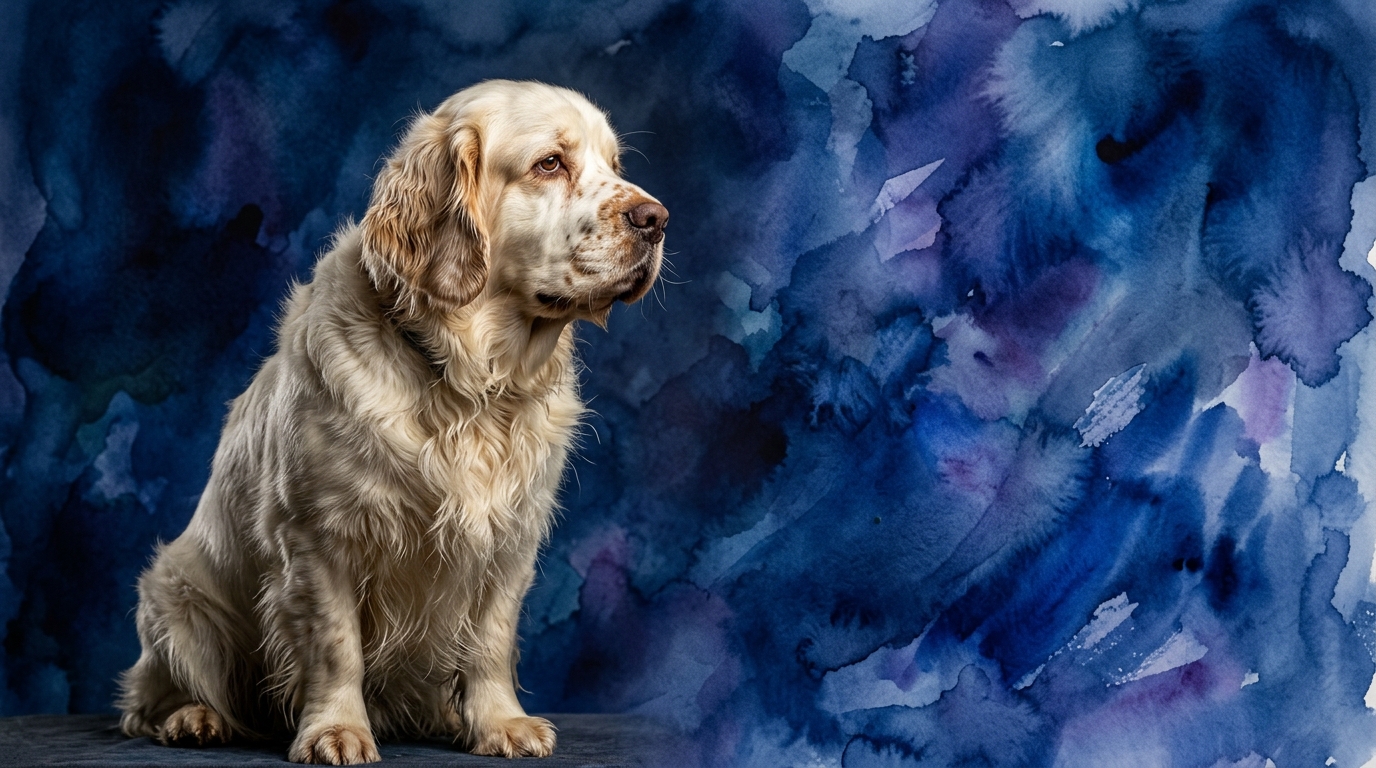
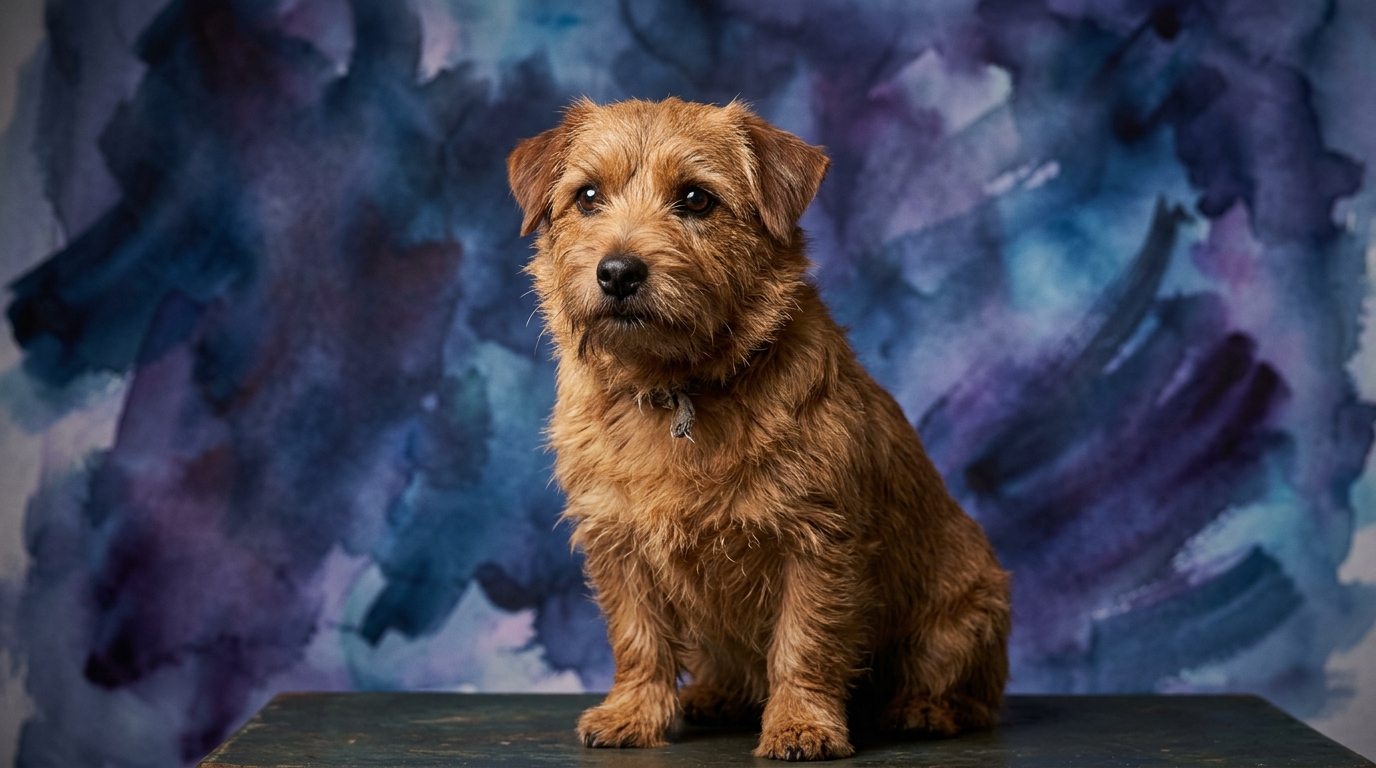
Side-by-Side IQ Profile: Clumber Spaniel vs. Norfolk Terrier
While both the Clumber Spaniel and the Norfolk Terrier register an identical 3/5 across our five core IQ dimensions, the expression of these cognitive abilities is profoundly shaped by their breed heritage and inherent temperaments. It's not just about the score, but how that score translates into real-world behavior and problem-solving strategies.
**Problem Solving (3/5):** For the Clumber Spaniel, problem-solving is often a methodical, deliberate process. They approach challenges with a steady persistence, frequently relying on their keen scenting abilities and patient observation to navigate obstacles or uncover hidden rewards. Their solutions are typically well-considered, if not always instantaneous. In contrast, the Norfolk Terrier tackles problems with characteristic terrier tenacity and a burst of focused energy. They might experiment with several quick approaches, sometimes involving digging or vocalization, driven by their intense curiosity and desire to achieve a goal. Their solutions often reflect a blend of quick thinking and determined effort.
**Training Speed (3/5):** The Clumber Spaniel learns at a moderate, consistent pace, responding best to calm, clear instructions and positive reinforcement. Once they grasp a command, their retention is generally reliable, making them steady learners for established routines. Their willingness to please, coupled with their composed demeanor, aids in their training journey, though they may not offer behaviors with immediate enthusiasm. The Norfolk Terrier, while also scoring 3/5, often picks up new concepts with noticeable speed, especially when the training is fun and engaging. However, their independent spirit and occasional stubbornness mean that trainers must maintain consistency and make sessions stimulating to prevent boredom or selective listening. Their responsiveness can be quick, but their follow-through requires ongoing motivation.
**Social Intelligence (3/5):** Clumber Spaniels exhibit a gentle, observant social intelligence. They are sensitive to their family’s moods and dynamics, forming deep, affectionate bonds and often preferring to assess new social situations before engaging. Their interactions with other dogs and people are typically polite and reserved. The Norfolk Terrier displays a lively, assertive social intelligence. They are quick to read intentions and cues, often expressing themselves vocally or with confident body language. While profoundly loyal to their families, they possess a bold, self-assured nature that can lead them to assert their presence within social groups, even with larger dogs, demonstrating a small dog's courage.
**Instinctive Drive (3/5):** For the Clumber Spaniel, this drive is rooted in their Sporting group heritage, manifesting as a strong desire to follow compelling scents and explore their environment with methodical precision. Their drive for flushing game translates into a steady, ground-covering persistence, making them natural partners for scent work and leisurely explorations. The Norfolk Terrier's instinctive drive is deeply tied to their historical role as vermin hunters. This translates into a keen prey drive for small, fast-moving objects, a propensity for digging, and an energetic, tenacious pursuit of anything that sparks their interest. Providing outlets for this inherent terrier spirit, such as interactive play or safe digging zones, is crucial.
**Memory (3/5):** Clumber Spaniels possess a good memory for routines, learned commands, and positive experiences. They thrive on predictability and consistent expectations, which reinforces their learned behaviors over time. Their memory contributes to their reliable and steady nature within a family setting. Norfolk Terriers also demonstrate a good memory for training and past events, quickly learning what leads to desired outcomes or what situations to avoid. However, their independent streak means that while they remember commands, they may occasionally 'choose' to recall them based on current motivation or perceived importance, demanding consistent reinforcement to maintain compliance.
Where the Clumber Spaniel Wins Cognitively
The Clumber Spaniel's cognitive strengths truly shine in scenarios demanding deliberate focus and sustained effort, particularly when scent is involved. Their methodical problem-solving and persistent instinctive drive make them exceptional at tracking or scent discrimination tasks where rushing leads to errors. Unlike the more impulsive terrier, a Clumber will often stay on task with unwavering concentration, meticulously working through a scent trail or a complex puzzle toy without quick frustration.
Their calm and observant social intelligence also gives them an edge in environments requiring a gentle presence, such as therapeutic roles or in homes with very young children. They process social cues with a quiet sensitivity, making them less likely to react impulsively and more likely to offer a comforting, stable presence. This deliberate cognitive style, combined with their strong memory for established routines, means they excel in predictable environments where consistency is valued over rapid, spontaneous reactions.
Where the Norfolk Terrier Wins Cognitively
The Norfolk Terrier's cognitive advantages become apparent in dynamic, stimulating environments where quick assessment and tenacious action are paramount. Their problem-solving, while rated similarly, manifests with a spirited 'can-do' attitude, often involving rapid trial-and-error that can lead to faster solutions in certain contexts, such as navigating an agility course or outsmarting a clever toy. Their sharp observational skills and assertive social intelligence allow them to quickly gauge intentions and react decisively, making them excellent watchdogs who are alert to their surroundings.
Their strong, focused instinctive drive, combined with their quick learning within engaging training sessions, means they can excel in activities that tap into their terrier heritage, such as earthdog trials or fast-paced obedience. The Norfolk’s memory, while good, is often paired with an independent streak, making them adept at remembering what works best for *them* to achieve their goals, sometimes creatively bending the rules if not consistently managed.
Which is Easier to Train and Why?
Determining which breed is 'easier' to train is less about raw cognitive capacity and more about temperament and training approach. The Clumber Spaniel, with their more reserved and willing-to-please disposition, often presents as easier for novice owners. They learn at a steady pace and, once a behavior is understood, they tend to perform it reliably. Their lower instinctive drive compared to a terrier means fewer distractions from prey or digging, allowing for more focused training sessions. Patience and positive reinforcement are key, as they respond best to calm, consistent guidance rather than high-pressure tactics.
The Norfolk Terrier, despite their similar training speed score, can be more challenging for an inexperienced owner due to their independent nature and strong terrier drives. While they can grasp concepts quickly, their spirited personality means they might choose to prioritize chasing a squirrel over a recall command if not properly motivated and consistently reinforced. Training a Norfolk requires creativity, variety, and unwavering consistency to keep them engaged and prevent boredom. Owners must channel their natural tenacity and prey drive into constructive activities, making training a fun, interactive game rather than a repetitive chore.
Which Suits Active Owners vs. Relaxed Owners?
The Clumber Spaniel is an ideal companion for owners seeking a more relaxed pace of life. While they enjoy moderate daily walks and opportunities for scent exploration, they are equally content to spend time lounging quietly with their family. Their deliberate nature means they don't demand constant high-intensity activity, making them suitable for individuals or families who prefer leisurely strolls, gentle games, and plenty of calm companionship. They thrive in environments where predictability and a peaceful routine are valued, making them excellent partners for those with a less overtly active lifestyle.
Conversely, the Norfolk Terrier is better suited for active owners who can provide consistent mental and physical stimulation. Their spirited energy and tenacious drives mean they require regular opportunities for engaging play, brisk walks, and structured activities like agility, earthdog trials, or advanced obedience. Owners who enjoy interactive games, hiking, or simply have the time and enthusiasm to channel a terrier's zest for life will find the Norfolk a rewarding companion. They thrive on being involved and appreciate varied routines that challenge their quick minds and energetic bodies.
The Verdict: When to Choose Each
The Verdict
Choose the Clumber Spaniel if you seek a calm, deliberate companion who excels in scent-based activities and offers gentle, steady affection within a predictable home environment.
Opt for the Norfolk Terrier if you desire a spirited, tenacious partner who thrives on engaging challenges, active participation, and a bold personality within a dynamic household.
🧠 Find Your Pet's IQ Score
Our Pet IQ Lab assessment covers 25+ tests across 5 cognitive dimensions — personalized to your breed.
Take the Full IQ Test →Frequently Asked Questions
Are Clumber Spaniels good at agility sports?
While Clumber Spaniels possess good memory and problem-solving, their deliberate nature makes them less suited for the rapid pace of competitive agility. They can certainly participate and enjoy the mental and physical exercise, but their methodical approach means they might not be the fastest on course compared to more agile breeds.
Do Norfolk Terriers bark excessively due to their alertness?
Norfolk Terriers are indeed alert and possess a vocal social intelligence, which can lead to barking, especially when they perceive threats or exciting events. Consistent training and early socialization are crucial to manage their vocal tendencies, channeling their alertness into appropriate responses rather than incessant noise.
How do their instinctive drives impact daily walks and outdoor activities?
A Clumber Spaniel on a walk will likely be nose-to-the-ground, methodically tracking interesting scents, requiring an owner to be patient with their explorations. A Norfolk Terrier, however, will be more alert for small, moving objects, potentially darting after squirrels or digging at enticing spots, necessitating a secure leash and consistent recall training to manage their strong prey drive.