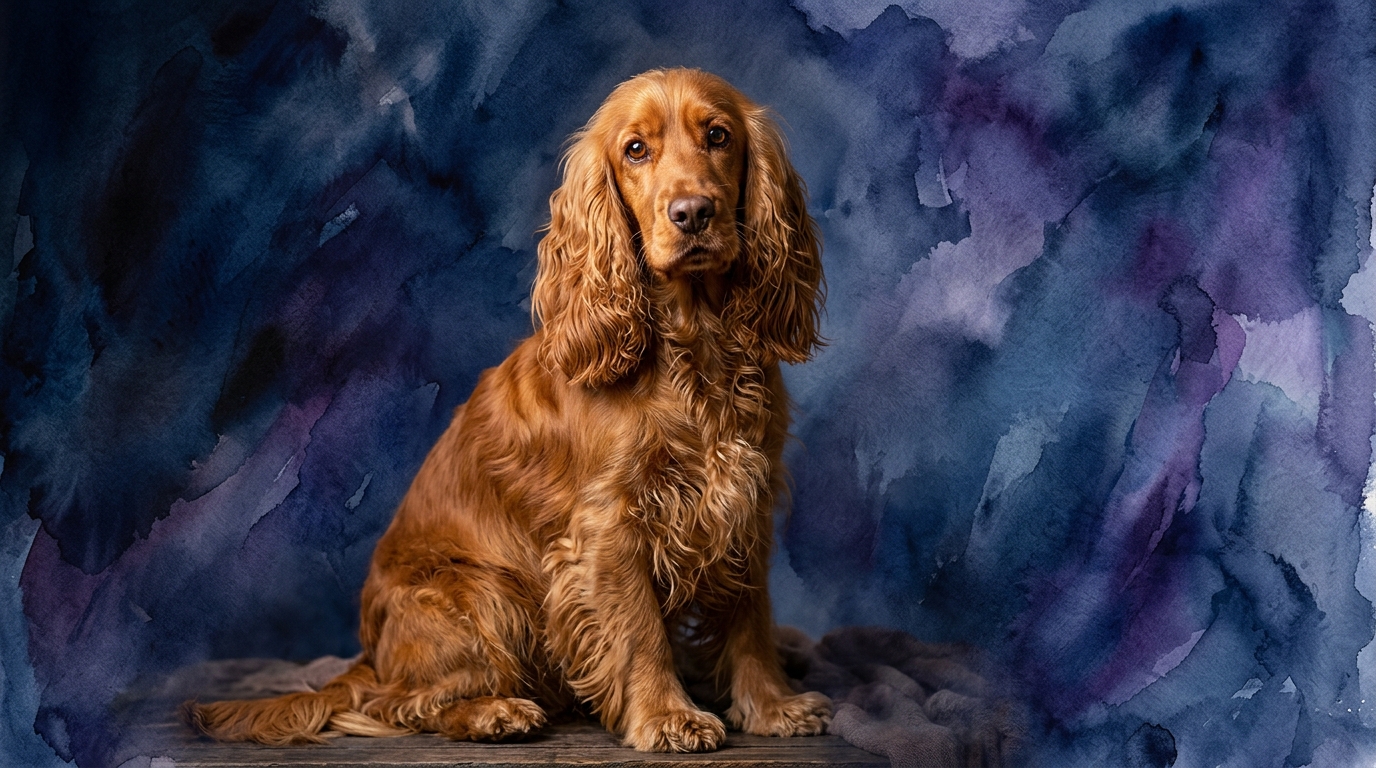
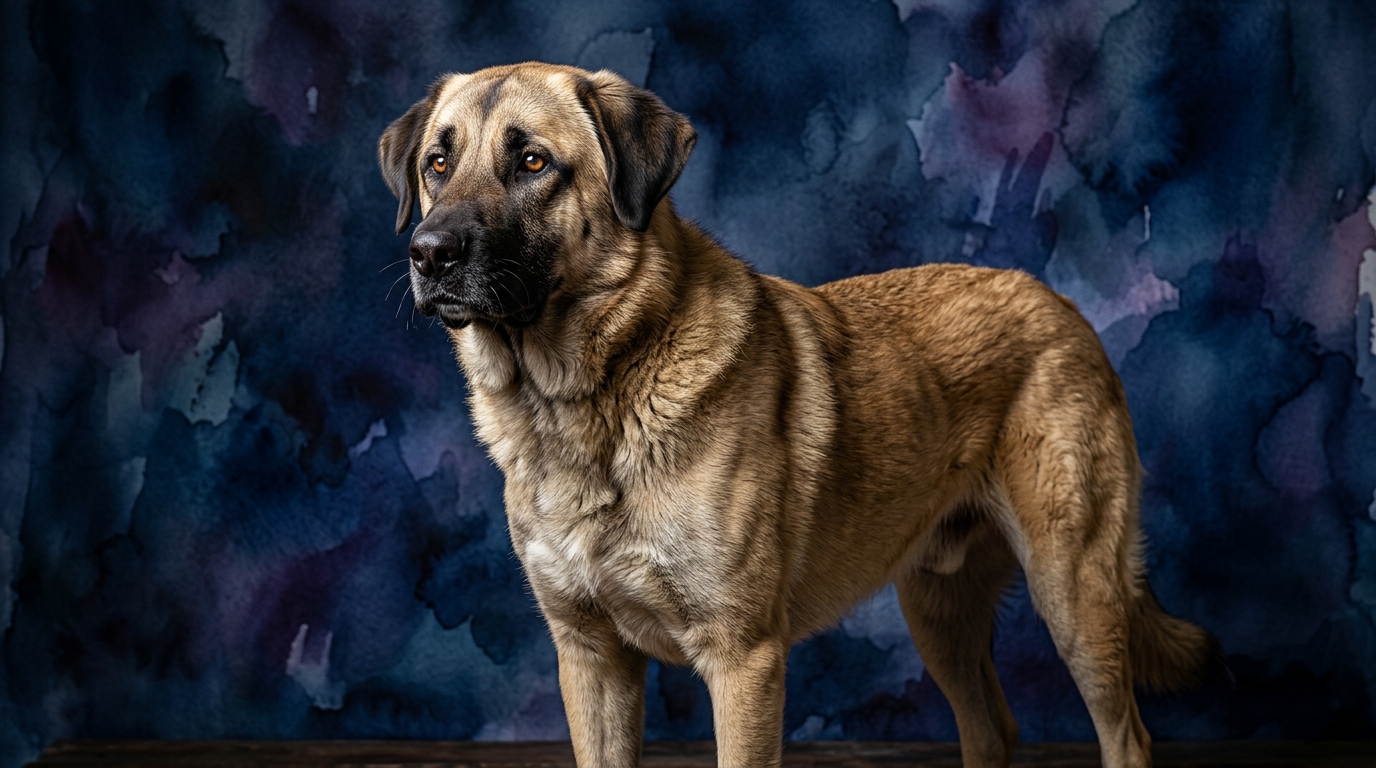
Side-by-Side IQ Profile: Sporting Dog vs. Livestock Guardian
The Cocker Spaniel, a delightful member of the Sporting Group, exhibits a cognitive profile well-suited for its historical role as a bird flushing and retrieving companion. Its Problem Solving score of 3/5 indicates a capable mind for navigating immediate tasks, like finding fallen game or figuring out a simple puzzle toy. Where it truly shines is in Training Speed, earning a 4/5, suggesting a quick grasp of commands and a willingness to learn. Social Intelligence is a remarkable 5/5, reflecting its strong desire for human connection and understanding of social cues, making it an eager participant in family life. An Instinctive Drive of 4/5 points to its strong prey drive and desire to work alongside humans, while its Memory of 4/5 ensures it retains learned behaviors and routines effectively.
In stark contrast stands the Anatolian Shepherd Dog from the Working Group, a breed whose cognitive strengths are forged in centuries of independent livestock guardianship. Its Problem Solving ability, also rated 3/5, manifests differently; it involves assessing environmental threats, discerning friend from foe, and making autonomous decisions to protect its charges, rather than solving human-devised puzzles. Training Speed is a more moderate 3/5, reflecting a thoughtful, sometimes independent, approach to learning new commands, prioritizing self-reliance over eager compliance. Social Intelligence at 3/5 suggests a reserved nature, forming deep bonds with its immediate 'flock' (be it sheep or family) but often wary of strangers. Its Instinctive Drive of 3/5 is overwhelmingly geared towards protection and vigilance, a persistent, unwavering commitment to its guarding duties. Finally, its Memory, also 3/5, is practical, focused on remembering territories, routines, and potential dangers within its domain.
Where the Cocker Spaniel Excels Cognitively
The Cocker Spaniel demonstrates clear cognitive advantages in areas emphasizing cooperation and rapid learning within a human-centric framework. Its superior Training Speed (4/5 versus Anatolian's 3/5) means it typically picks up new commands and routines with greater alacrity, often eager to please and respond to direction. This makes them highly responsive to obedience training, agility, or any activity requiring quick, precise actions under instruction.
Furthermore, the Cocker's exceptional Social Intelligence (5/5 compared to Anatolian's 3/5) allows it to navigate complex human social dynamics with ease, often anticipating owners' moods and intentions. This profound social acumen makes them naturally attuned companions, excelling in roles that require close interaction and an intuitive understanding of human emotions, which is why they integrate so seamlessly into family life and excel in therapy work.
Where the Anatolian Shepherd Dog Shines Cognitively
While not scoring numerically higher in individual categories than the Cocker Spaniel, the Anatolian Shepherd Dog's cognitive profile represents a powerful, specialized form of intelligence perfectly adapted for its demanding role. Its Problem Solving at 3/5 is not about retrieving, but about complex environmental assessment: identifying subtle changes in livestock behavior, detecting distant threats, and strategizing appropriate, often independent, responses to protect its charges. This requires a profound, context-specific application of intellect.
The Anatolian's Instinctive Drive (3/5) is a relentless, unwavering commitment to guardianship, a cognitive strength that ensures constant vigilance and protection. This isn't a drive to fetch; it's an inherent, powerful urge to patrol, assess, and defend, often requiring independent judgment over human directives. Its moderate Social Intelligence (3/5) means it's less distracted by external human interactions, allowing it to remain focused on its primary duty of protecting its flock, forming deep, protective bonds with those it considers its own rather than seeking widespread social approval.
Which Breed Is Easier to Train and Why?
Based on their respective IQ profiles, the Cocker Spaniel is generally easier to train for typical companion dog tasks. Its Training Speed of 4/5, coupled with a 5/5 Social Intelligence, means it is inherently motivated to engage with humans and learn from them, often seeking to please. They typically respond well to positive reinforcement, quickly connecting actions with rewards and human approval. In contrast, the Anatolian Shepherd Dog's Training Speed of 3/5 and more moderate Social Intelligence of 3/5 indicate a dog that is thoughtful and independent. They learn, but often require more patience, consistency, and a clear understanding of 'why' a command is relevant. Their independence, a crucial trait for a guardian, means they are not always striving for human approval in the same eager manner, making them more challenging for novice trainers or those seeking a highly compliant pet.
Suitability for Active vs. Relaxed Owners
For active owners seeking a highly engaged and cooperative canine partner, the Cocker Spaniel is often an ideal match. Their 4/5 Instinctive Drive for activity and 5/5 Social Intelligence mean they thrive on joint ventures, whether it's long walks, retrieving games, or participating in dog sports. They are happiest when integrated into daily family activities and appreciate consistent mental and physical stimulation provided by their human companions. Their need for social interaction means they generally do not fare well with prolonged solitude.
Conversely, the Anatolian Shepherd Dog is better suited for owners who understand and respect a breed built for a more independent, purposeful existence, even if that purpose is guarding a family property rather than livestock. While not 'relaxed' in terms of vigilance, their cognitive makeup suggests they are less reliant on constant human-initiated activity. Owners must be prepared for a dog that requires significant space, consistent boundaries, and whose 'activity' might involve patrolling a large yard or simply observing its surroundings, rather than eager participation in fetch. They are not typically suited for apartment living or owners seeking a 'go-anywhere' social butterfly, preferring a more structured, predictable environment where their guarding instincts can be appropriately managed.
The Verdict: When to Choose Each Breed
The Verdict
Choose a Cocker Spaniel if you seek a highly social, eager-to-please companion who thrives on cooperative learning and active family involvement, fitting seamlessly into a dynamic household.
Opt for an Anatolian Shepherd Dog if you appreciate a thoughtful, independent guardian with a strong sense of purpose, capable of making autonomous decisions and requiring an owner who respects their inherent self-reliance and territorial nature.
🧠 Find Your Pet's IQ Score
Our Pet IQ Lab assessment covers 25+ tests across 5 cognitive dimensions — personalized to your breed.
Take the Full IQ Test →Frequently Asked Questions
Do Cocker Spaniels require a lot of mental stimulation?
Yes, with a Problem Solving score of 3/5 and a Memory of 4/5, Cocker Spaniels benefit greatly from regular mental challenges. Puzzle toys, training sessions, and varied experiences keep their minds engaged and prevent boredom, channeling their natural curiosity and learning ability.
Is an Anatolian Shepherd Dog suitable for first-time dog owners?
Generally, an Anatolian Shepherd Dog is not recommended for first-time owners due to their independent nature (Training Speed 3/5) and strong guarding instincts (Instinctive Drive 3/5). They require an experienced handler who understands their unique cognitive traits and can provide consistent, firm, and patient guidance.
How does social intelligence differ between these two breeds?
The Cocker Spaniel's 5/5 Social Intelligence means they are highly attuned to human emotions and seek close interaction, making them very people-oriented. The Anatolian Shepherd Dog's 3/5 Social Intelligence reflects a more reserved approach, forming deep, protective bonds with their immediate family but often being aloof or wary with strangers, prioritizing vigilance over widespread sociability.