Side-by-Side Cognitive Profiles: A Deeper Look
The Cosmic Pet's IQ Lab evaluates canine intelligence across five critical dimensions: problem solving, training speed, social intelligence, instinctive drive, and memory. While the Cocker Spaniel holds a Coren rank of #20 and the Bernese Mountain Dog #27, a closer inspection of their individual IQ scores reveals a fascinating alignment in many areas, suggesting that raw cognitive capacity can manifest differently based on breed heritage and purpose.
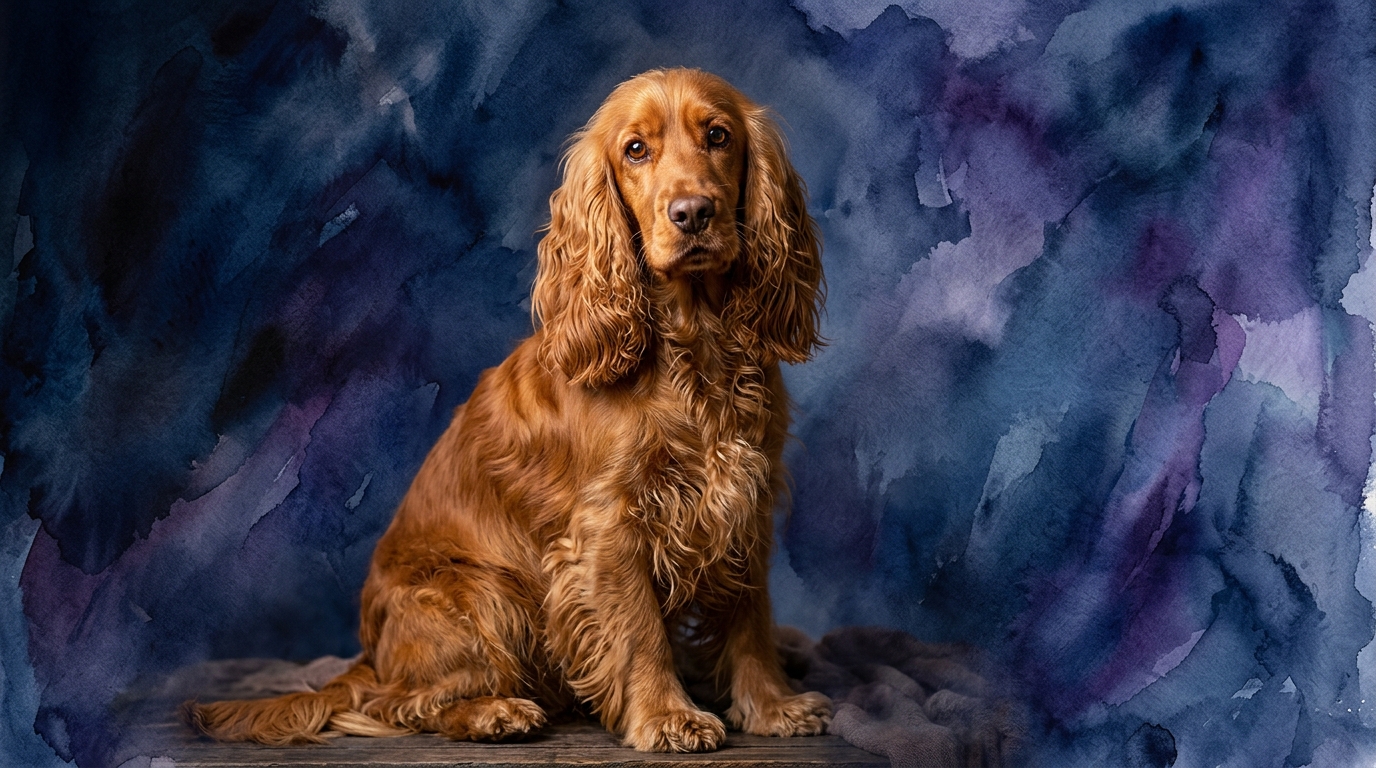
The Cocker Spaniel, originating from the Sporting Group, displays a Problem Solving score of 3/5, indicating an aptitude for navigating familiar environments and tasks related to retrieving and flushing, often requiring quick decisions. Their Training Speed of 4/5 highlights a readiness to learn new commands efficiently, driven by a desire to cooperate. Social Intelligence stands at an exceptional 5/5, reflecting their deep attunement to human emotions and social cues, fostering strong companion bonds. An Instinctive Drive of 4/5 points to their inherent motivation for scent work and retrieving, while their Memory of 4/5 supports consistent retention of learned behaviors and spatial awareness, crucial for field work.
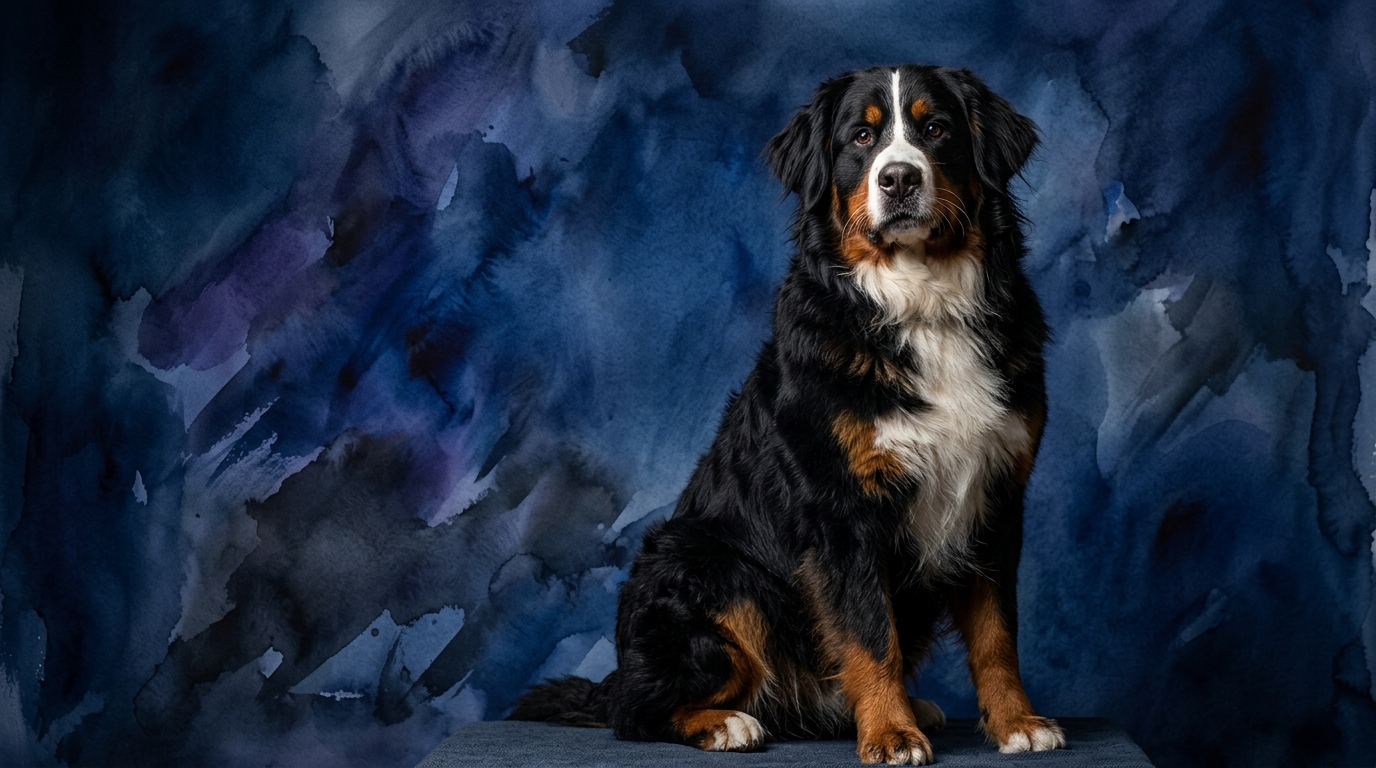
Conversely, the Bernese Mountain Dog, a member of the Working Group, also scores 3/5 in Problem Solving, demonstrating practical skills for tasks like navigating obstacles or simple object manipulation, though not necessarily abstract puzzles. Their Training Speed matches the Cocker at 4/5, indicating they too grasp commands efficiently, often with a thoughtful, deliberate approach. Social Intelligence is also a perfect 5/5, underscoring their profound sensitivity to family dynamics and human moods, essential for their historical role as farm and companion dogs. An Instinctive Drive of 4/5 reflects their natural inclination for guarding, pulling, and companionship. However, their Memory score is 3/5, suggesting they retain routine commands well but might benefit from more frequent reinforcement for intricate or less practiced tasks compared to the Cocker Spaniel.
Where the Cocker Spaniel Shines Cognitively
The most distinct cognitive advantage for the Cocker Spaniel lies in its Memory score of 4/5, surpassing the Bernese Mountain Dog's 3/5. This higher retention capacity means Cocker Spaniels are generally more adept at recalling multi-step commands, remembering specific locations of objects (such as a dropped retrieve), and maintaining complex training sequences over longer periods with less frequent refreshers. Their sporting heritage, which demands remembering precise scent trails, locations of downed game, and intricate field patterns, has undoubtedly refined this aspect of their cognition.
This superior memory translates directly into their learning application. For owners engaged in advanced obedience, agility, or trick training, a Cocker Spaniel's ability to store and recall a vast repertoire of actions and cues can make the learning process feel more fluid and progressive. They might pick up where they left off in a training session with remarkable ease, allowing for the building of increasingly complex behavioral chains. This cognitive edge makes them particularly rewarding partners for those who enjoy pushing the boundaries of canine learning and performance.
Unique Cognitive Strengths of the Bernese Mountain Dog
While the Bernese Mountain Dog's numerical scores are largely on par with or slightly below the Cocker Spaniel's, their cognitive profile shines through its specific application to their historical working roles. Their Problem Solving score of 3/5, though numerically identical, is often characterized by a more deliberate and robust approach, suited for physically demanding tasks such as carting or livestock supervision, where consistency and strength are prioritized over speed or agility. They excel at practical, real-world problem-solving within their environment, like navigating obstacles while pulling a load, rather than abstract puzzles.
Furthermore, their perfect Social Intelligence score of 5/5, combined with their large size and protective instincts, manifests in a nuanced understanding of social situations that can be vital for family guardianship. While both breeds are socially astute, the Bernese Mountain Dog's social cognition often involves a careful assessment of new individuals or situations, using their gentle yet watchful nature to discern friend from potential threat. This makes them exceptional at tasks requiring social judgment and emotional discernment, contributing to their reputation as loyal and protective family companions who instinctively understand their role within the family unit.
Training Dynamics: Which Breed Learns with More Ease?
Both the Cocker Spaniel and the Bernese Mountain Dog share an impressive Training Speed of 4/5 and a perfect Social Intelligence score of 5/5, indicating that both are highly receptive to training and eager to please their human companions. This means neither breed is inherently 'difficult' to train; rather, their learning styles and motivators differ subtly, influencing the training experience.
The Cocker Spaniel's higher Memory score (4/5) gives them a slight edge in retaining complex sequences and a broader array of commands over time. Their strong instinctive drive for retrieving and partnership, combined with their agile physicality, means they often respond enthusiastically to positive reinforcement, especially when treats, toys, or praise are involved. Their sporting background has ingrained a natural inclination for cooperative work, making them highly engaged in interactive training sessions and quick to generalize learned behaviors across different environments.
The Bernese Mountain Dog, while also a quick learner with a 4/5 Training Speed, might require more consistent reinforcement due to their 3/5 Memory score, particularly for less frequently practiced commands. Their deliberate nature means they thrive on calm, patient, and consistent instruction. Their high social intelligence means they are deeply motivated by pleasing their family, but their working drive is often more focused on companionship and practical tasks than rapid-fire sporting endeavors. Early and consistent socialization and training are crucial for managing their substantial size and strength, ensuring they apply their intelligence effectively in everyday life.
Matching Canine Cognition to Owner Lifestyle
Choosing between a Cocker Spaniel and a Bernese Mountain Dog often boils down to aligning their cognitive needs and energy levels with an owner's lifestyle. The Cocker Spaniel, a member of the Sporting Group, is generally better suited for active owners. Their strong instinctive drive (4/5) and background demand regular physical and mental engagement, thriving on activities like scent work, retrieving games, agility, and long, exploratory walks. Owners who enjoy interactive play, consistent training, and potentially dog sports will find their quick training speed and excellent memory make them highly rewarding partners. A relaxed owner who cannot meet their exercise needs might find a bored Cocker Spaniel developing unwanted behaviors.
The Bernese Mountain Dog, from the Working Group, can suit both active and more relaxed owners, depending on the definition of 'active.' While they appreciate daily walks, hikes, and being involved in family activities, their activity needs are often more about consistent, moderate exercise rather than high-intensity bursts. Their profound social intelligence (5/5) makes them exceptional companions for family adventures, and they enjoy contributing to household activities in a calm, thoughtful manner. For owners who prefer a more relaxed pace indoors but still offer daily walks and mental engagement, the Bernese Mountain Dog's calm demeanor and loyal presence after a good walk can be an ideal match. However, their size and need for thorough socialization mean 'relaxed' does not equate to 'no effort' in their upbringing.
The Verdict
Choose the Cocker Spaniel if you seek an agile, highly responsive companion for dog sports, complex trick training, or consistent cooperative work, valuing a dog with superior memory and an eager desire for active engagement.
Opt for the Bernese Mountain Dog if you desire a steadfast, gentle giant who thrives on deep social bonds, moderate activity, and a practical, calm presence, appreciating a thoughtful learner and loyal family protector.
🧠 Find Your Pet's IQ Score
Our Pet IQ Lab assessment covers 25+ tests across 5 cognitive dimensions — personalized to your breed.
Take the Full IQ Test →Frequently Asked Questions
How do their Coren ranks (20 vs 27) align with their similar IQ Lab scores?
The Coren rank primarily measures 'working and obedience intelligence,' reflecting a dog's trainability for specific commands and tasks. While the Cocker Spaniel ranks higher, their similar IQ Lab scores indicate that both breeds possess comparable raw cognitive abilities across many dimensions, but apply these skills differently based on their historical roles and inherent drives.
Do their different historical roles (Sporting vs Working) influence their problem-solving styles?
Yes, their historical roles significantly shape their problem-solving. The Cocker Spaniel's sporting background fosters quick, agile problem-solving for tasks like retrieving and navigating varied terrain, while the Bernese Mountain Dog's working lineage emphasizes deliberate, robust problem-solving for practical, physically demanding tasks like pulling carts or managing livestock.
Which breed is better for first-time dog owners based on their cognitive profiles?
Both breeds are highly trainable with excellent social intelligence, making them suitable for first-time owners who are committed to consistent training and socialization. The Cocker Spaniel's smaller size and higher memory might make initial training feel more manageable, whereas the Bernese Mountain Dog's larger size and strength require a confident owner who can consistently guide their development, despite their gentle nature.