Side-by-Side IQ Profile: Cocker Spaniel vs. Rough Collie
At The Cosmic Pet Pet IQ Lab, we delve into five crucial dimensions of canine cognition to provide a comprehensive understanding of each breed's mental makeup. The Cocker Spaniel, ranked #20 by Coren, and the Rough Collie, ranked #16, offer distinct cognitive blueprints shaped by their historical roles.
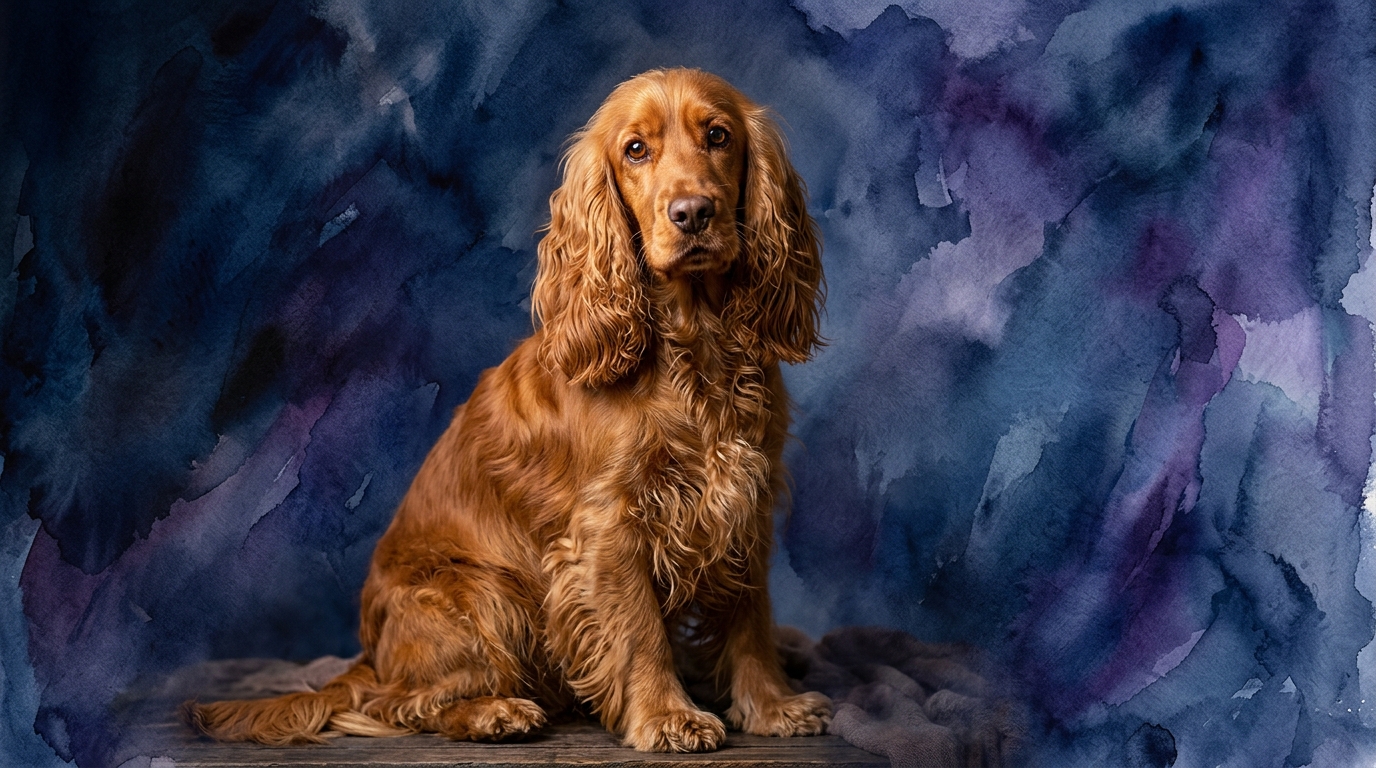
For the Cocker Spaniel (Sporting Group): Their Problem Solving is rated 3/5, indicating an adeptness at practical, immediate challenges like locating hidden objects or navigating varied terrain, often relying on learned associations. Training Speed is 4/5, reflecting a swift grasp of commands and routines, eager to please and quick to form connections between actions and desired outcomes. Social Intelligence scores a perfect 5/5, demonstrating exceptional understanding of human cues, emotions, and family social structures, adapting behavior to maintain harmony. Instinctive Drive is 4/5, possessing a robust drive to retrieve and engage in scent work, mirroring their gun dog heritage. Memory is 4/5, retaining learned behaviors, routes, and associations effectively over time.
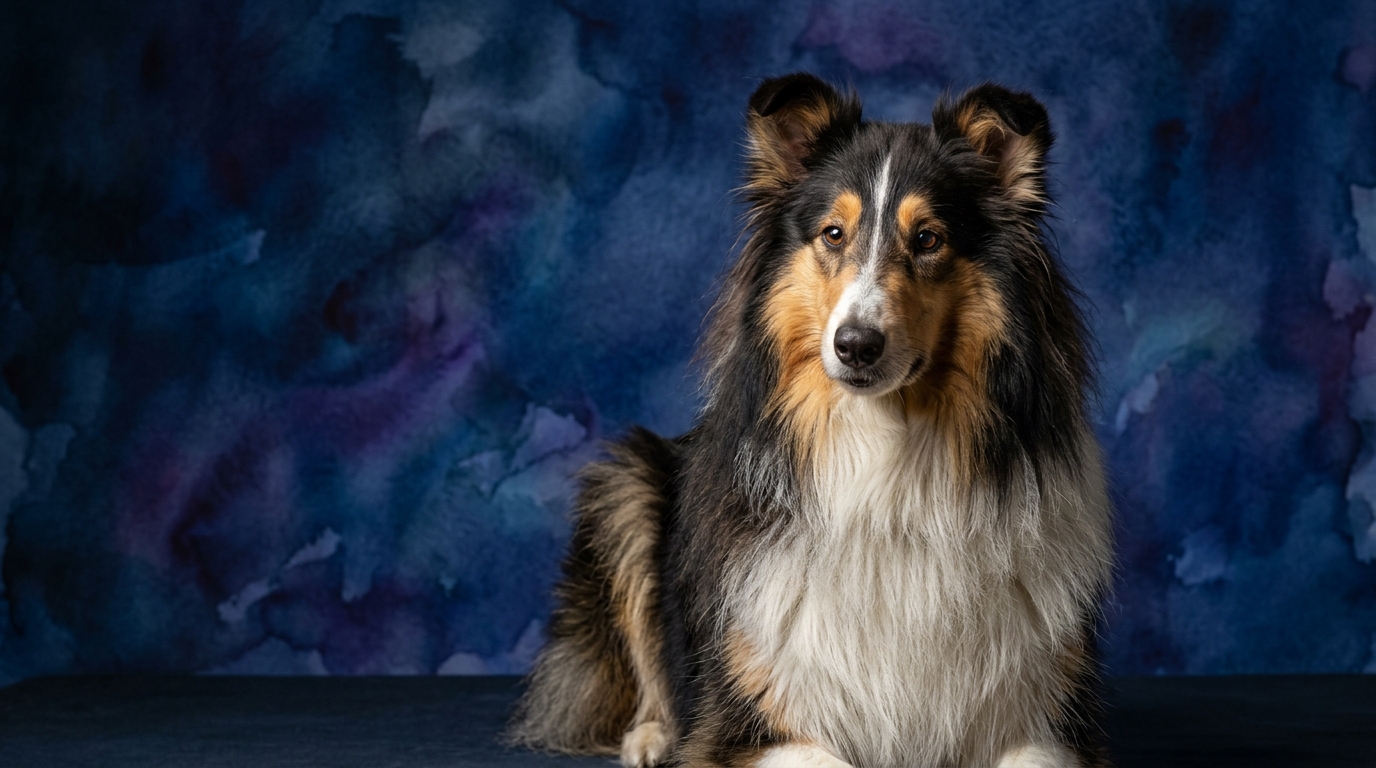
For the Collie (Rough) (Herding Group): Their Problem Solving is 4/5, displaying a higher aptitude for complex scenarios requiring strategic thinking, such as navigating obstacles or understanding cause-and-effect, fostered by their herding background. Training Speed is 4/5, learning new commands and complex sequences with similar efficiency to the Cocker, absorbing instructions readily. Social Intelligence is 3/5; while capable of deep bonds, their understanding is more geared towards interpreting group dynamics and maintaining order within a 'flock,' potentially less overtly expressive of empathy. Instinctive Drive is 3/5, primarily focused on herding behaviors—gathering, patrolling, and protecting—rather than a strong retrieving instinct. Memory is 5/5, possessing an outstanding capacity to retain intricate sequences of commands, complex routes, and long-term associations with remarkable clarity.
Where the Cocker Spaniel Wins Cognitively
The Cocker Spaniel truly shines in its social intelligence and its nuanced understanding of human-canine bonds. Their perfect 5/5 score in social intelligence indicates an unparalleled ability to read human emotions, interpret subtle vocalizations, and adapt their behavior to suit the social context. This makes them remarkably empathetic companions, often anticipating needs or offering comfort without explicit prompts. Their cognitive strengths are deeply intertwined with their desire to connect and collaborate with their human partners, making them incredibly intuitive family members. This strong social attunement means they excel in environments where close interaction and emotional reciprocity are valued.
Furthermore, their strong instinctive drive, rated at 4/5, translates into a joyful and persistent engagement with activities like retrieving and scent work. This drive, rooted in their sporting heritage, means they are consistently motivated by tasks that involve finding and bringing objects, making interactive play a powerful cognitive exercise for them. This focus on cooperative retrieval not only provides physical exercise but also stimulates their minds through problem-solving related to locating items and responding to handler cues. Their drive is directed towards partnership, making them eager participants in shared activities.
Where the Collie (Rough) Wins Cognitively
The Rough Collie's cognitive prowess is most evident in its superior problem-solving abilities and exceptional memory. With a 4/5 in problem-solving, Collies demonstrate a greater capacity for independent thought and strategic planning, particularly in structured environments. This allows them to analyze situations and devise solutions, a trait honed by centuries of managing livestock. Their problem-solving isn't just about immediate gratification but often involves a more considered approach to overcoming obstacles or understanding the mechanics of a task. This cognitive depth allows them to excel in activities that require more than simple obedience, such as complex trick training or agility courses where independent decision-making is beneficial.
Their standout feature, however, is their perfect 5/5 memory score. This extraordinary recall enables them to master and retain intricate command sequences, complex routines, and extensive environmental details over long periods. Owners often observe their Collies remembering specific routes from years past or executing multi-step tasks flawlessly, a testament to their enduring cognitive retention and capacity for sophisticated learning. This robust memory is invaluable for sustained training, enabling them to build upon a vast repertoire of learned behaviors and apply them consistently. Their ability to recall past experiences and lessons with such precision makes them exceptionally reliable in tasks requiring sequential actions.
Training Dynamics: Cocker Spaniel vs. Rough Collie
Both breeds boast an impressive 4/5 training speed, suggesting both are highly receptive to learning and absorb new commands readily. However, the nature of their trainability differs. The Cocker Spaniel's superior social intelligence (5/5) means they are often more motivated by human approval and connection. This eagerness to please and their sensitivity to handler cues can make them exceptionally responsive in obedience training, where the bond with the owner is a primary motivator. Their 4/5 instinctive drive, focused on retrieving and working alongside humans, further enhances their cooperativeness in learning tasks that involve interaction and partnership. They thrive on positive reinforcement and clear, affectionate guidance, often making rapid progress when training is framed as a shared activity.
In contrast, the Rough Collie, while also a quick learner, might approach training with more independent thought, stemming from their problem-solving score (4/5) and herding background. They learn quickly, but their motivation might lean more towards understanding the logic of a task or fulfilling a specific role rather than purely seeking social affirmation. Their outstanding memory (5/5) allows them to retain complex sequences with minimal repetition once understood, making them excellent candidates for advanced, multi-step training. For handlers who enjoy a collaborative, empathetic training dynamic, the Cocker might feel marginally 'easier' due to their deep social attunement. For those who appreciate a dog that grasps complex sequences and remembers them flawlessly, the Collie's cognitive architecture is equally rewarding, provided the training taps into their reasoning abilities.
Lifestyle Suitability: Active vs. Relaxed Owners
The choice between these breeds often aligns with an owner's lifestyle energy levels and preferred mode of interaction. The Cocker Spaniel, with its 4/5 instinctive drive and high social intelligence, thrives with active engagement that involves partnership and interactive play. They are excellent companions for owners who enjoy daily walks, scent games, retrieving, and dog sports that build on their cooperative nature. Their need for social interaction means they prefer to be involved in family activities rather than left alone for extended periods. A relaxed owner might find the Cocker's persistent need for engagement and companionable activity a bit demanding, as their cognitive makeup compels them to seek connection and collaborative tasks.
The Rough Collie, while also requiring regular exercise, often prefers structured activities that engage its problem-solving and memory skills, such as advanced obedience, agility, or even simulated herding tasks. Their moderate instinctive drive (3/5) means they are not as perpetually 'on the go' as some sporting breeds, and their social intelligence (3/5) suggests they might tolerate periods of independent activity more readily. While they still need consistent mental and physical stimulation to prevent boredom, a moderately active owner who enjoys thoughtful, consistent training and less frantic, more deliberate engagement might find the Collie a better fit. Truly relaxed owners, however, might struggle to meet the cognitive and physical exercise needs of either breed, as both benefit from regular, stimulating interaction.
The Verdict
Opt for a Cocker Spaniel if you prioritize a deeply empathetic, highly socially attuned companion eager for interactive play and cooperative activities. They thrive with owners who enjoy consistent, engaging partnership and appreciate a dog that is acutely sensitive to human emotions.
Select a Rough Collie if you value a dog with exceptional memory, strong problem-solving skills, and a capacity for complex, independent thought in structured tasks. They are ideal for owners who enjoy consistent, thoughtful training and appreciate a dog that can master intricate routines.
🧠 Find Your Pet's IQ Score
Our Pet IQ Lab assessment covers 25+ tests across 5 cognitive dimensions — personalized to your breed.
Take the Full IQ Test →Frequently Asked Questions
Do Cocker Spaniels and Rough Collies need a lot of exercise?
Both breeds require regular physical and mental stimulation. Cocker Spaniels thrive on interactive play and scent work, while Rough Collies benefit from structured activities that engage their problem-solving skills, like advanced obedience or agility.
Which breed is better with children?
Both breeds can be wonderful with children, but their approaches differ. Cocker Spaniels, with their high social intelligence, are often very adaptable and gentle. Rough Collies are protective and watchful, often acting as a gentle guardian over their 'flock' of family members.
Are there significant differences in grooming requirements?
Yes, there are notable differences. Cocker Spaniels require regular grooming to prevent matting in their long coat and feathering, including frequent brushing and professional trims. Rough Collies possess a dense, double coat that needs consistent brushing to manage shedding and prevent tangles, especially during seasonal changes.