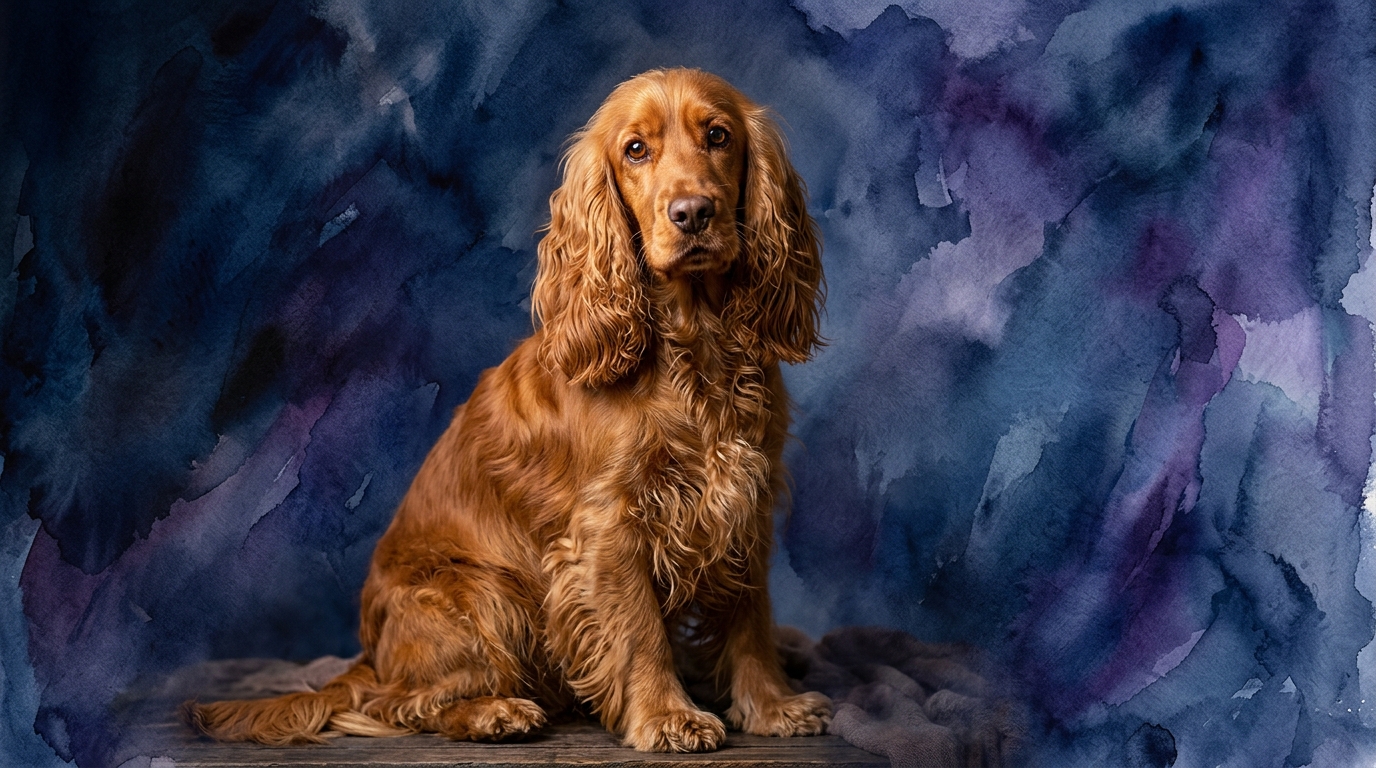
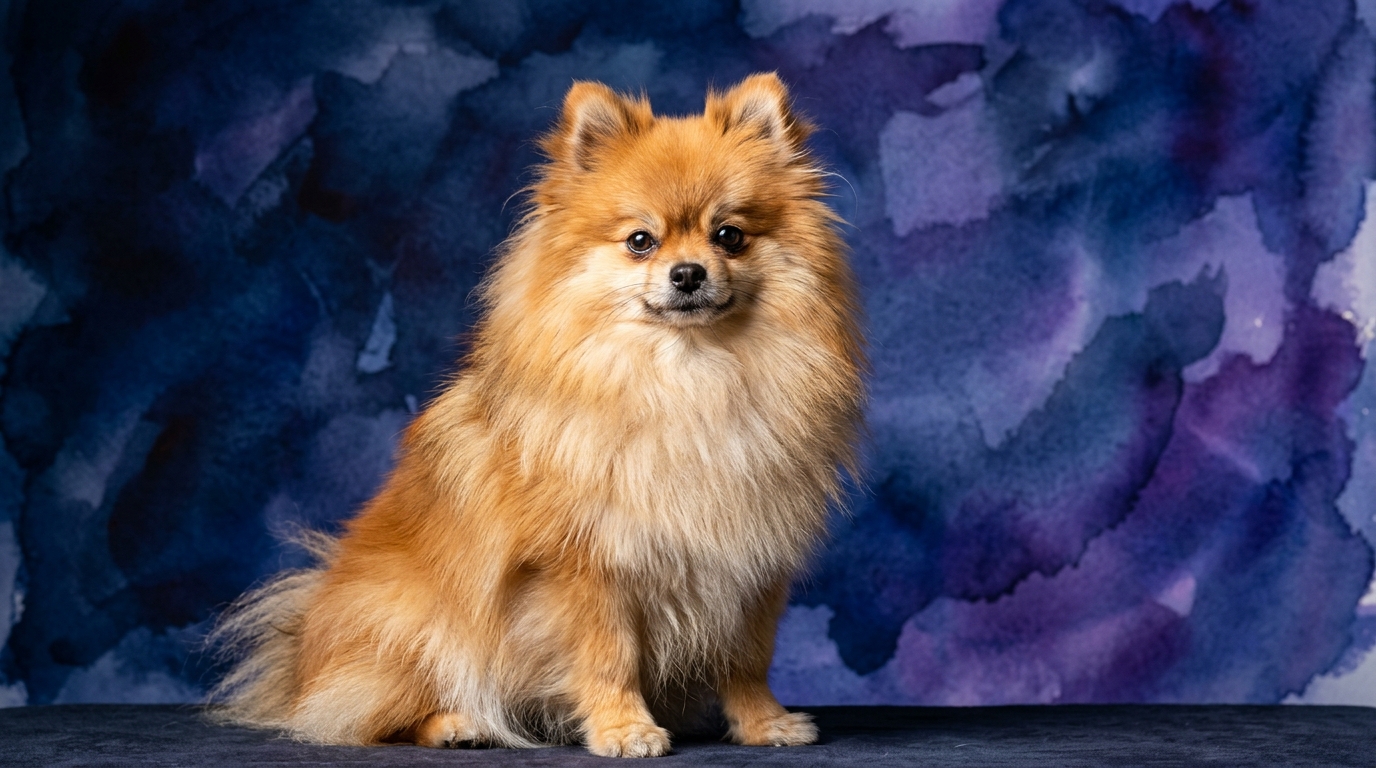
Side-by-Side IQ Profile: Cocker Spaniel vs. Pomeranian
The Cosmic Pet Pet IQ Lab provides a five-dimensional framework for understanding canine intelligence, allowing us to dissect the cognitive strengths of these two popular breeds. For the Cocker Spaniel, a Sporting breed with a Coren rank of #20, its profile highlights a robust blend of social awareness and natural drive, while the Pomeranian, a Toy breed ranked #23, showcases a surprising aptitude for independent thought.
Starting with **Problem Solving**, the Cocker Spaniel scores 3 out of 5. This indicates a moderate capacity for navigating novel situations and figuring out solutions without direct human intervention. They can learn to overcome simple obstacles or understand basic cause-and-effect relationships, often relying on learned behaviors or social cues from their humans. The Pomeranian, in contrast, earns a higher 4 out of 5 in Problem Solving. This suggests a more pronounced aptitude for independent thought and creative solutions, often observed in their ability to manipulate objects, figure out access to desired items, or devise strategies to get attention.
In **Training Speed**, both breeds achieve an impressive 4 out of 5. This high score for both the Cocker Spaniel and the Pomeranian signifies a strong willingness and ability to grasp new commands and routines quickly. Their responsiveness to instruction and their capacity for associative learning are notable, making them generally receptive students in obedience training and trick learning.
**Social Intelligence** is where the Cocker Spaniel truly shines, scoring a perfect 5 out of 5. This breed possesses an exceptional ability to interpret human emotions, intentions, and body language. Their profound connection to their human companions allows them to anticipate needs, offer comfort, and integrate seamlessly into family dynamics, often displaying empathy and a deep desire to please. The Pomeranian, while still strong, scores 4 out of 5 in Social Intelligence. They are perceptive and form close bonds, but their social understanding might be more focused on their immediate family unit, and they can sometimes exhibit a more independent streak compared to the intensely people-oriented Cocker Spaniel.
**Instinctive Drive** sees the Cocker Spaniel at 4 out of 5. Originating as gun dogs, their innate drive to retrieve, track scents, and work alongside humans is well-preserved. This manifests as a natural inclination towards activities that engage their senses and provide a purpose, often translating into enthusiasm for fetch, scent games, or even just following their human's lead on walks. The Pomeranian, with a score of 3 out of 5, has a comparatively lower instinctive drive, reflecting its history as a companion animal. While they can be playful and curious, their instincts are less geared towards specific working tasks and more towards companionship and exploration of their immediate environment.
Finally, for **Memory**, both breeds are equally capable, scoring 4 out of 5. This strong memory capacity means both Cocker Spaniels and Pomeranians can retain learned commands, routines, and even specific positive or negative experiences over extended periods. This contributes significantly to their training efficacy and their ability to navigate their environments with familiarity, remembering where treats are kept or preferred walking routes.
Where the Cocker Spaniel Wins Cognitively
The Cocker Spaniel's cognitive strengths distinctly lie in its exceptional social intelligence and robust instinctive drive. Their perfect 5/5 in Social Intelligence means they are unparalleled at tuning into human emotions and social cues, making them remarkably intuitive companions. This translates into a dog that not only understands commands but often anticipates desires, offering a level of emotional attunement that few breeds can match. They are masters of reading the room, capable of adjusting their demeanor to suit the mood of their human family.
Furthermore, their 4/5 in Instinctive Drive means they possess a natural zest for engagement and purpose, stemming from their hunting heritage. This isn't just about chasing; it's about a deep satisfaction derived from working collaboratively with a human, whether that's retrieving a toy, following a scent, or simply walking attentively by their side. This drive provides a foundational motivation for learning and interaction, making them eager participants in shared activities and strengthening the human-animal bond through purposeful collaboration.
Where the Pomeranian Wins Cognitively
The Pomeranian's cognitive edge is most evident in its superior problem-solving capabilities, scoring a notable 4 out of 5. This indicates a breed that is often more inclined to think independently and strategically when faced with novel situations or obstacles. Poms are adept at figuring out how to access desired items, manipulate their environment to their advantage, or even devise clever ways to solicit attention. This cognitive flexibility means they are less reliant on direct human guidance for every challenge and can exhibit surprising ingenuity.
Their problem-solving prowess often manifests in a keen curiosity and a tendency to explore and experiment with their surroundings. While their physical stature might be small, their mental approach to the world is often one of confident investigation. This can make them particularly engaging for owners who enjoy observing a dog's independent thought processes and appreciate a companion who isn't afraid to try new approaches to achieve a goal, from opening cabinets to navigating complex toy puzzles.
Which Is Easier to Train and Why?
Both the Cocker Spaniel and the Pomeranian share an impressive 4/5 in Training Speed, suggesting that both breeds are generally quick to pick up new commands and routines. However, the nuances of their other cognitive traits can influence the overall training experience. The Cocker Spaniel's perfect 5/5 in Social Intelligence gives them a distinct advantage in terms of eagerness to please and responsiveness to human direction. They are inherently motivated by positive reinforcement and the desire to maintain harmony with their family, making them highly cooperative students. Their strong instinctive drive also means they often find satisfaction in tasks that involve working with their human, further enhancing their trainability for activities like obedience or agility.
The Pomeranian, while equally quick to learn, might present different training dynamics due to its higher problem-solving score and slightly lower social intelligence. While they grasp concepts rapidly, their independent thinking means they might occasionally opt to follow their own clever solutions rather than the prescribed human command, especially if they perceive a shortcut or a more rewarding alternative. This doesn't make them difficult, but it requires an owner who understands their independent spirit and can make training engaging enough to consistently capture their attention and leverage their intelligence rather than simply relying on compliance. Consistency and positive reinforcement are paramount for both, but the Cocker Spaniel's innate desire for partnership often makes the initial stages feel more fluid.
Which Suits Active Owners vs. Relaxed Owners?
The Cocker Spaniel, with its 4/5 Instinctive Drive and Sporting group background, is generally better suited for active owners. They thrive on purposeful activity, whether it's long walks, retrieving games, or even participating in dog sports like agility or scent work. Their high social intelligence also means they genuinely enjoy sharing these activities with their human companions, making them excellent partners for outdoor adventures. A Cocker Spaniel will likely feel unfulfilled with a purely sedentary lifestyle, as their mental and physical needs are geared towards engagement and exploration, often requiring daily structured exercise and mental stimulation.
The Pomeranian, while spirited, often fits well with owners who prefer a slightly more relaxed pace, though they are far from couch potatoes. Their cognitive strength in problem-solving means they need mental engagement, but their lower instinctive drive (3/5) allows for a more flexible exercise routine. Short, brisk walks, indoor play, and puzzle toys can satisfy their needs. They are adaptable and can thrive in various living situations, from apartments to houses, as long as their sharp minds are kept busy. Owners who appreciate a dog with a big personality in a small package, who enjoys mental challenges and affectionate companionship without demanding extensive physical exertion, will find a wonderful match in a Pomeranian.
The Verdict
Choose a Cocker Spaniel if you desire a deeply socially intelligent companion eager to collaborate on activities, thriving on shared purpose and emotional connection.
Opt for a Pomeranian if you appreciate a clever, independent thinker who excels at problem-solving and offers spirited companionship with a flexible activity requirement.
🧠 Find Your Pet's IQ Score
Our Pet IQ Lab assessment covers 25+ tests across 5 cognitive dimensions — personalized to your breed.
Take the Full IQ Test →Frequently Asked Questions
Are Cocker Spaniels easy to house train?
Yes, Cocker Spaniels generally respond well to house training due to their strong memory (4/5) and high social intelligence (5/5), which makes them eager to please their owners. Consistent routines and positive reinforcement are key to their success.
Do Pomeranians bark a lot due to their intelligence?
Pomeranians can be vocal, and their problem-solving ability (4/5) might lead them to use barking as a strategy to get attention or communicate their needs. Early training focused on appropriate communication can help manage their tendencies.
Which breed is better for first-time dog owners?
Both breeds can be suitable for first-time owners given their high training speed (4/5). A Cocker Spaniel's eagerness to please might make initial training slightly more straightforward, while a Pomeranian's independent streak requires an owner prepared for consistent, engaging mental stimulation.