Side-by-side IQ profile
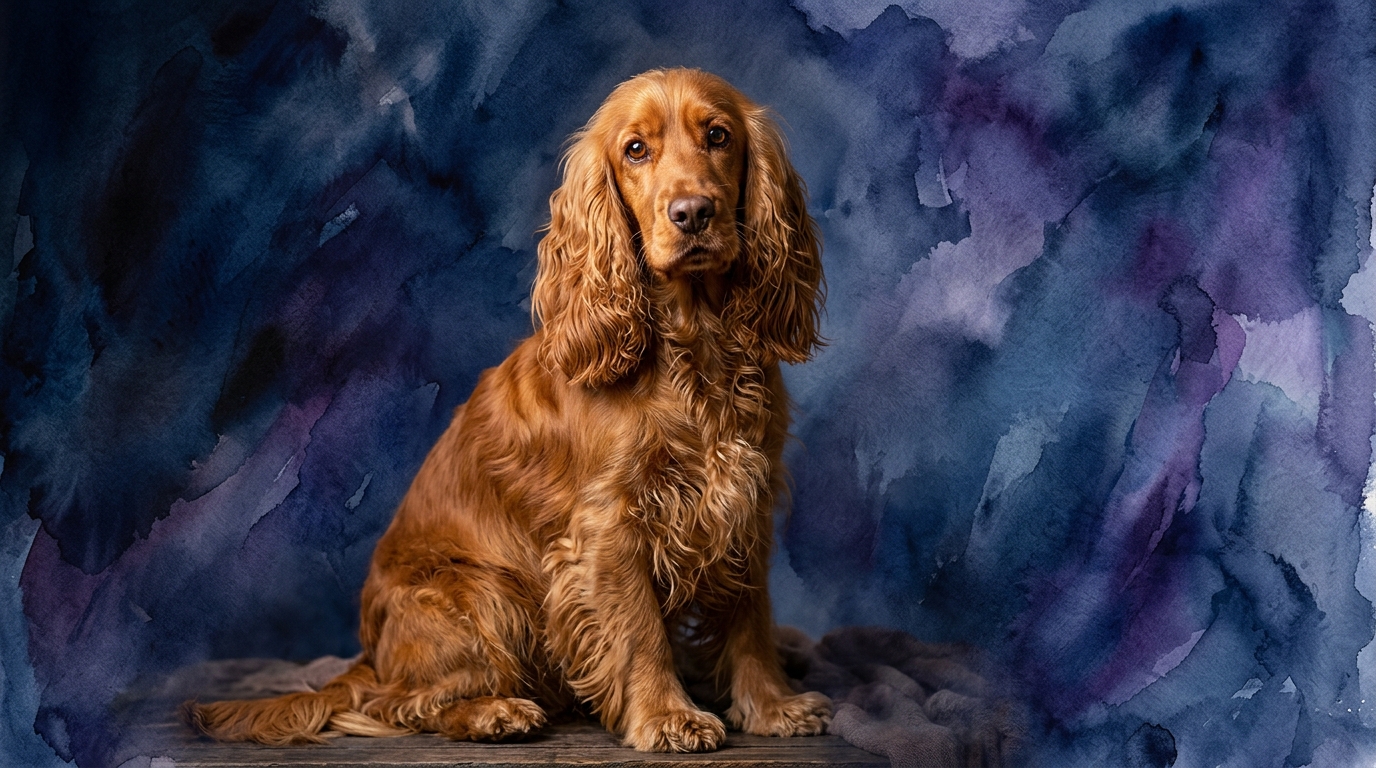
The Cocker Spaniel, a member of the Sporting Group, exhibits a cognitive profile tailored for cooperative work and companionship. Its problem-solving ability scores 3 out of 5, indicating a capacity to navigate novel situations and figure out solutions with moderate assistance. Training speed is a notable strength at 4 out of 5, reflecting its eagerness to learn and retain commands efficiently. Where the Cocker truly shines is in social intelligence, scoring a perfect 5 out of 5; this breed keenly interprets human cues, adapts its behavior to social contexts, and thrives on interaction. Its instinctive drive, rated 4 out of 5, points to a strong inclination for its original purpose, often manifesting as a keen desire to retrieve or follow scents. Memory, at 4 out of 5, supports its training speed and ability to recall past experiences and associations.
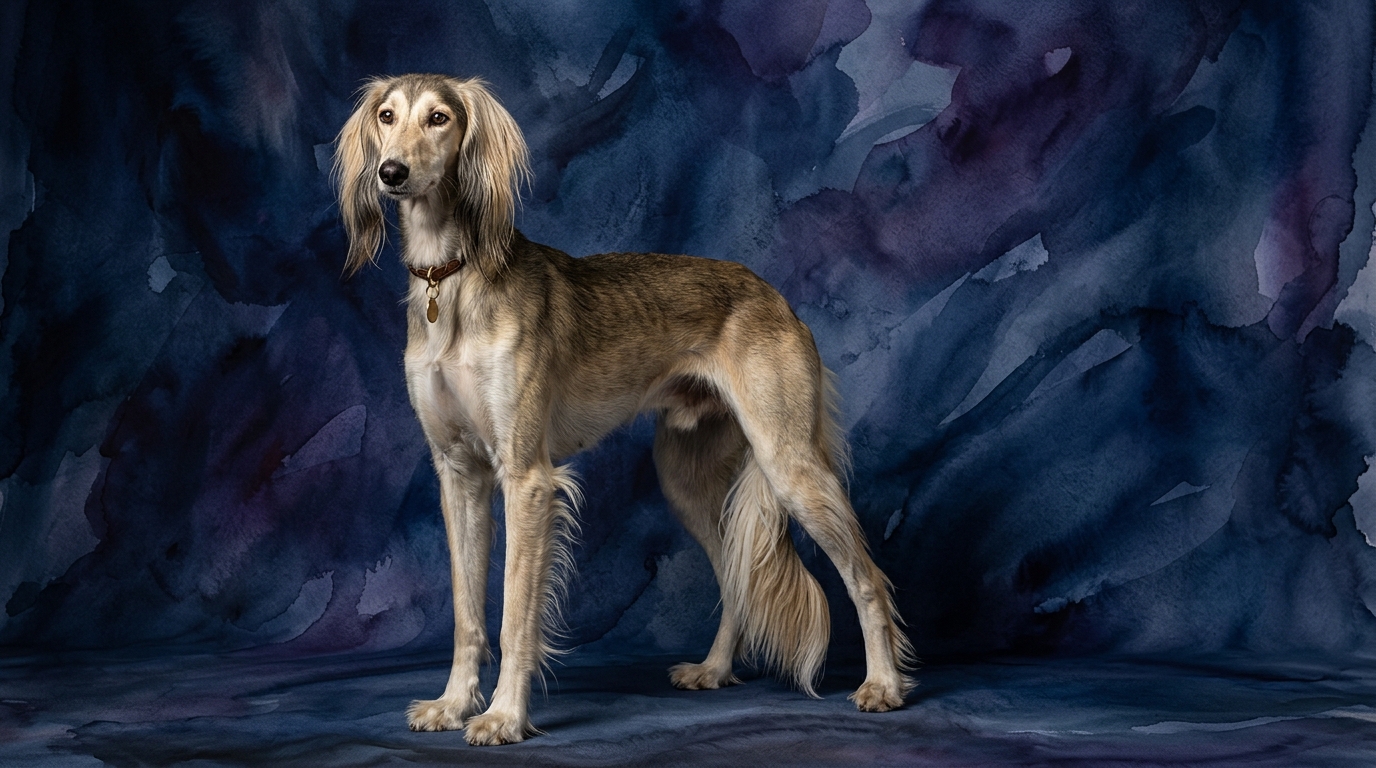
In contrast, the Saluki, a sighthound from the Hound Group, presents a cognitive makeup shaped by millennia of independent hunting in vast desert landscapes. Its problem-solving ability matches the Cocker Spaniel at 3 out of 5, suggesting a similar aptitude for navigating new challenges, though perhaps with a different approach – less reliant on human input. The Saluki's training speed is rated 3 out of 5, indicating that while capable of learning, it may require more patience and creative motivation compared to breeds eager to please. Social intelligence scores 3 out of 5, reflecting a more reserved nature; Salukis are often discerning in their affections and may not be as overtly expressive or as focused on human interaction as the Cocker. Their instinctive drive is also 3 out of 5, channeling into a powerful desire to chase prey by sight, often with singular focus, rather than engaging in cooperative tasks. Memory, at 3 out of 5, supports its ability to recall hunting strategies and learned routines, but perhaps without the same breadth or depth for intricate human-centric tasks as a higher-scoring breed.
Where Cocker Spaniel wins cognitively
The Cocker Spaniel distinctly outpaces the Saluki in several key cognitive domains, primarily stemming from its highly cooperative nature. Its superior social intelligence (5/5 vs. Saluki's 3/5) means a Cocker is exceptionally attuned to human emotions and intentions, making it an empathetic and responsive companion. This profound understanding of human social cues allows them to anticipate desires and adapt their behavior seamlessly within a family unit. Furthermore, the Cocker's higher training speed (4/5 vs. 3/5) translates into a more rapid acquisition of new commands and routines, often due to their strong desire to engage with and please their human partners. This eagerness to comply, coupled with a robust memory (4/5 vs. 3/5), means a Cocker Spaniel retains learned behaviors with greater consistency and requires fewer repetitions during training. Their instinctive drive, while strong at 4/5, is often directed towards tasks that involve human partnership, such as retrieving or flushing game, rather than independent pursuit, making it easier to integrate into structured activities.
Where Saluki wins cognitively
While the Saluki's cognitive profile emphasizes independence over cooperative partnership, its unique strengths are particularly valuable for specific lifestyles. Its problem-solving ability, rated equally with the Cocker Spaniel at 3 out of 5, is often deployed with a distinct self-reliance. A Saluki might approach a challenge by assessing it independently and devising a solution based on its own instincts and observations, rather than looking to a human for guidance. This autonomous problem-solving, coupled with a lower social intelligence (3/5), means Salukis possess a certain detachment that can be advantageous; they are less prone to separation anxiety or over-reliance on constant human interaction, thriving in environments where they are given space and respect for their independent spirit. Their instinctive drive, at 3 out of 5, is profoundly channeled into sight hunting, fostering an incredible focus and determination when pursuing a visual target. This singular focus, while challenging for training in some contexts, represents a cognitive specialization that allows them to excel in their historical role, demonstrating a deep, intrinsic motivation for specific, self-directed tasks.
Which is easier to train and why
The Cocker Spaniel is demonstrably easier to train than the Saluki, a difference rooted in their fundamental behavioral drivers. The Cocker's exceptional social intelligence (5/5) means it actively seeks human interaction and approval, making it highly motivated by praise, attention, and the desire to please. This intrinsic motivation translates directly into its faster training speed (4/5), as it readily engages with learning tasks and quickly forms associations between commands and actions. Their robust memory (4/5) further solidifies learned behaviors, leading to consistent performance. In contrast, the Saluki's lower social intelligence (3/5) and moderate training speed (3/5) mean it is less inherently driven by human approval. Salukis often exhibit a more independent and discerning nature, requiring trainers to be patient, creative, and consistent, often relying on positive reinforcement methods that appeal to their specific motivations, such as chase games or high-value treats. Their strong instinctive drive (3/5) for independent pursuit means they can be easily distracted by visual stimuli, making recall and off-leash training particularly challenging without significant, dedicated effort.
Which suits active owners vs relaxed owners
The choice between a Cocker Spaniel and a Saluki largely depends on an owner's lifestyle and their preferred level of engagement in activities. Cocker Spaniels, with their higher instinctive drive (4/5) and eagerness for interaction, generally suit active owners who enjoy cooperative activities. They thrive on regular walks, engaging play sessions like fetch, and mentally stimulating tasks such as scent work or agility, often excelling when working alongside their human. Their robust social intelligence makes them ideal for families seeking a highly interactive and involved companion. Conversely, Salukis, while incredibly athletic and requiring ample opportunity for vigorous exercise, might appeal to owners who appreciate a more relaxed, independent companion within the home, but who can provide specific outlets for their powerful instinctive drive. They need safe, expansive areas where they can gallop freely and express their sighthound nature. Within the home, their lower social intelligence and more reserved nature mean they are content with quiet companionship, often preferring to lounge elegantly. They are not typically "in your face" dogs and may suit owners who value a dog's self-possessed calm after their exercise needs are met.
The Verdict
When seeking a highly interactive, eager-to-please companion who excels in cooperative training and family life, the Cocker Spaniel is the clear choice.
For individuals who appreciate an independent, elegant, and self-reliant companion, capable of incredible bursts of speed and requiring dedicated outlets for its sighthound instincts, the Saluki offers a unique and rewarding partnership.
🧠 Find Your Pet's IQ Score
Our Pet IQ Lab assessment covers 25+ tests across 5 cognitive dimensions — personalized to your breed.
Take the Full IQ Test →Frequently Asked Questions
Does a Saluki's lower social intelligence mean it's unfriendly?
Not at all. A Saluki's 3/5 social intelligence indicates a more reserved and discerning nature compared to the highly gregarious Cocker Spaniel. They often form deep bonds with their families but may not be as overtly expressive or as keen to interact with strangers, preferring a quiet, dignified presence.
Can a Cocker Spaniel be trained for independent tasks like a Saluki?
While Cocker Spaniels possess a strong instinctive drive (4/5), it's typically directed towards cooperative tasks like retrieving or flushing. While they can learn independent tasks, their natural inclination is to work *with* their human, whereas a Saluki's drive is inherently geared towards self-directed pursuit.
How do their problem-solving abilities compare in practical terms?
Both score 3/5 in problem-solving, meaning they can navigate challenges. A Cocker Spaniel might more readily look to its human for cues or assistance when encountering a new puzzle. A Saluki, with its independent nature, is more likely to assess the situation and attempt to solve it through its own initiative and observation, often with less overt reliance on human input.