
Side-by-Side IQ Profile: Cocker Spaniel vs. Shih Tzu
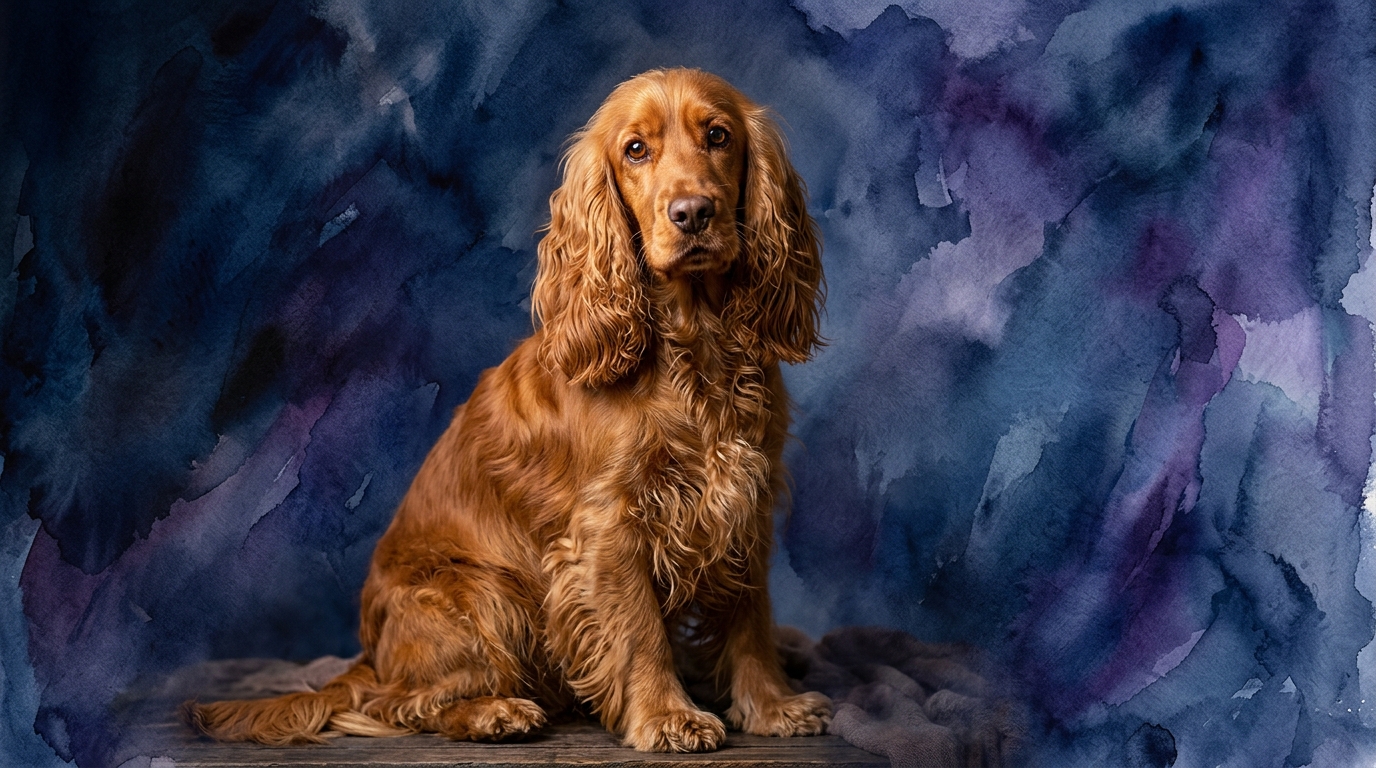
For the Cocker Spaniel, classified as a Sporting dog with a Coren rank of #20, their IQ profile details a breed adept at engagement. Their Problem Solving is rated 3/5, indicating competence in navigating practical challenges, such as finding a hidden toy or figuring out how to access a desired location, often tying into their innate drive for exploration and retrieval. Training Speed stands at 4/5, signifying a commendable readiness to learn new commands and routines with relatively few repetitions, making them responsive students. Social Intelligence is a perfect 5/5, reflecting an exceptional capacity to read human emotions and intentions, fostering deep connections and cooperative behaviors. An Instinctive Drive of 4/5 highlights a strong natural inclination for activities like scent work, retrieving, and following directions, stemming from their sporting heritage, fueling their desire for purpose-driven tasks. Finally, Memory is 4/5, demonstrating a robust ability to retain learned behaviors, routes, and social cues, allowing for effective recall of complex sequences and past experiences.
The Shih Tzu, a Toy breed with a Coren rank of #70, presents a different cognitive emphasis. Their Problem Solving is also 3/5, meaning they can creatively solve problems related to their immediate environment, such as getting comfortable or gaining attention; their ingenuity often serves comfort and companionship needs. Training Speed is 2/5; while capable, Shih Tzus typically require more patience and consistent repetition during training sessions, primarily due to their independent streak. Social Intelligence, like the Cocker, is 5/5, indicating they are masters of social interaction, understanding human moods and preferences with remarkable accuracy, allowing them to forge strong bonds and often 'train' their owners. Their Instinctive Drive is lower at 2/5, with natural inclinations leaning more towards companionship and comfort rather than traditional working tasks; they exhibit less drive for retrieving or tracking, preferring lap time. Memory is 3/5, meaning they remember routines and familiar people well, but might need more refreshers for less frequently practiced commands or complex sequences compared to breeds with higher memory scores.
Where the Cocker Spaniel Wins Cognitively
The Cocker Spaniel distinctly outpaces the Shih Tzu in areas related to task-oriented learning and sustained mental engagement. Their Training Speed of 4/5 signifies a quicker grasp of new commands and a stronger desire to perform, making them excel in obedience, agility, and even scent work, a rate significantly higher than the Shih Tzu’s 2/5. Furthermore, the Cocker's Instinctive Drive of 4/5 means they possess a natural inclination for purposeful activity, whether it's retrieving a thrown object, following a scent trail, or working cooperatively with a handler. This drive translates into a willingness to be directed and to complete multi-step tasks that might not hold the attention of a less instinctively driven breed. Their superior Memory (4/5 compared to Shih Tzu's 3/5) also means they retain complex sequences and a broader repertoire of commands over longer periods, requiring fewer refreshers. For owners seeking a partner for structured activities or intricate learning, the Cocker Spaniel's cognitive profile offers a clear advantage in its capacity for absorbing and applying learned behaviors with enthusiasm and precision.
Where the Shih Tzu Wins Cognitively
While the Shih Tzu's Coren rank of #70 might suggest a lower overall working intelligence compared to the Cocker Spaniel's #20, it’s crucial to understand where their cognitive strengths truly shine. The Shih Tzu's paramount cognitive asset lies in its Social Intelligence, scoring a perfect 5/5, matching the Cocker Spaniel. However, the application differs; the Shih Tzu leverages this social acuity primarily for companionship and influencing human behavior. They are remarkably adept at reading subtle human cues, understanding routines, and developing strategies to solicit attention or comfort. Their problem-solving (3/5) is often directed towards optimizing their environment for personal comfort or maximizing interaction with their family members. Their lower Instinctive Drive (2/5) means they are less preoccupied with external "work" and more focused on the immediate social dynamics within the home. This allows them to dedicate more cognitive resources to observing and responding to their human companions, making them exceptionally attuned emotional support animals in their own right, even if they don't solve complex puzzles or retrieve game birds. Their memory (3/5) is perfectly adequate for retaining social rules and household routines, ensuring a harmonious domestic life centered on affection.
Which Is Easier to Train and Why
Between the Cocker Spaniel and the Shih Tzu, the Cocker Spaniel is generally considered easier to train due to its inherent cognitive makeup, primarily its higher Training Speed (4/5) and robust Instinctive Drive (4/5). Cocker Spaniels typically show a strong desire to please their owners and possess a natural inclination for cooperation, making them highly receptive to positive reinforcement methods. Their sporting background means they are often motivated by activities like retrieving or following commands, which can be harnessed effectively in training; they pick up new commands with fewer repetitions and are more likely to perform them consistently. In contrast, the Shih Tzu’s Training Speed of 2/5 indicates a need for more patience and persistence from the trainer. While capable of learning, Shih Tzus can exhibit an independent streak; they might decide a task isn't worth their effort unless the motivation is exceptionally high, or they perceive a clear personal benefit. Their lower Instinctive Drive (2/5) means they don't have the same innate urge to "work" or retrieve, requiring trainers to be more creative in finding engaging motivators beyond simple task completion. For instance, a Cocker Spaniel might joyfully fetch a ball repeatedly, seeing it as a cooperative game, while a Shih Tzu might fetch it once and then decide a nap is a better use of their time, demanding a different approach to maintain engagement.
Which Suits Active Owners vs. Relaxed Owners
The choice between a Cocker Spaniel and a Shih Tzu hinges significantly on an owner's lifestyle and their willingness to engage in certain types of activities. Cocker Spaniels, with their higher Instinctive Drive (4/5) and Training Speed (4/5), are well-suited for active owners who enjoy structured activities and outdoor adventures. Their cognitive makeup thrives on mental stimulation through training, puzzle toys, and physical exercise like long walks, hikes, or even dog sports such as agility or obedience trials. They are eager participants in family activities and appreciate having a "job" to do, even if it's just fetching the newspaper or learning new tricks. Their robust memory and problem-solving skills mean they benefit from consistent engagement that challenges their minds and bodies. Conversely, Shih Tzus are an excellent match for relaxed owners who prioritize companionship and indoor living. Their lower Instinctive Drive (2/5) and emphasis on Social Intelligence (5/5) mean they are content with shorter, leisurely strolls and plenty of cuddle time on the couch. While they still require basic training and mental enrichment, their needs are less demanding in terms of high-intensity physical activity or complex, task-oriented work. They thrive in environments where their primary role is to be a beloved, affectionate companion, observing and interacting with their family members without the need for extensive outdoor expeditions or rigorous training regimens.
The Verdict
The Cocker Spaniel is an excellent choice for owners seeking an engaged, trainable partner for activities, obedience, and outdoor adventures, valuing their cooperative spirit and task-oriented intelligence.
The Shih Tzu is ideal for those who desire a devoted, affectionate indoor companion, appreciating their social acumen and low-key approach to life and training.
🧠 Find Your Pet's IQ Score
Our Pet IQ Lab assessment covers 25+ tests across 5 cognitive dimensions — personalized to your breed.
Take the Full IQ Test →Frequently Asked Questions
Does a higher Coren rank mean a dog is 'smarter' in all aspects?
Not necessarily; Coren's ranking primarily assesses working and obedience intelligence, focusing on trainability and command following. It doesn't fully capture social intelligence, problem-solving in a domestic context, or other nuanced cognitive strengths unique to different breeds.
Can a Shih Tzu be trained for complex tasks like a Cocker Spaniel?
While a Shih Tzu can learn a variety of commands and tricks, their lower training speed and instinctive drive mean it will typically require significantly more patience, repetition, and creative motivation than with a Cocker Spaniel. They are less inclined towards sustained, task-oriented work.
How does social intelligence differ between these two breeds, given they both score 5/5?
Both breeds score 5/5, but their application varies. Cocker Spaniels utilize social intelligence for cooperative tasks and understanding handler cues in working contexts, while Shih Tzus primarily use it for deep emotional bonding, reading family moods, and influencing human behavior for companionship and comfort.