
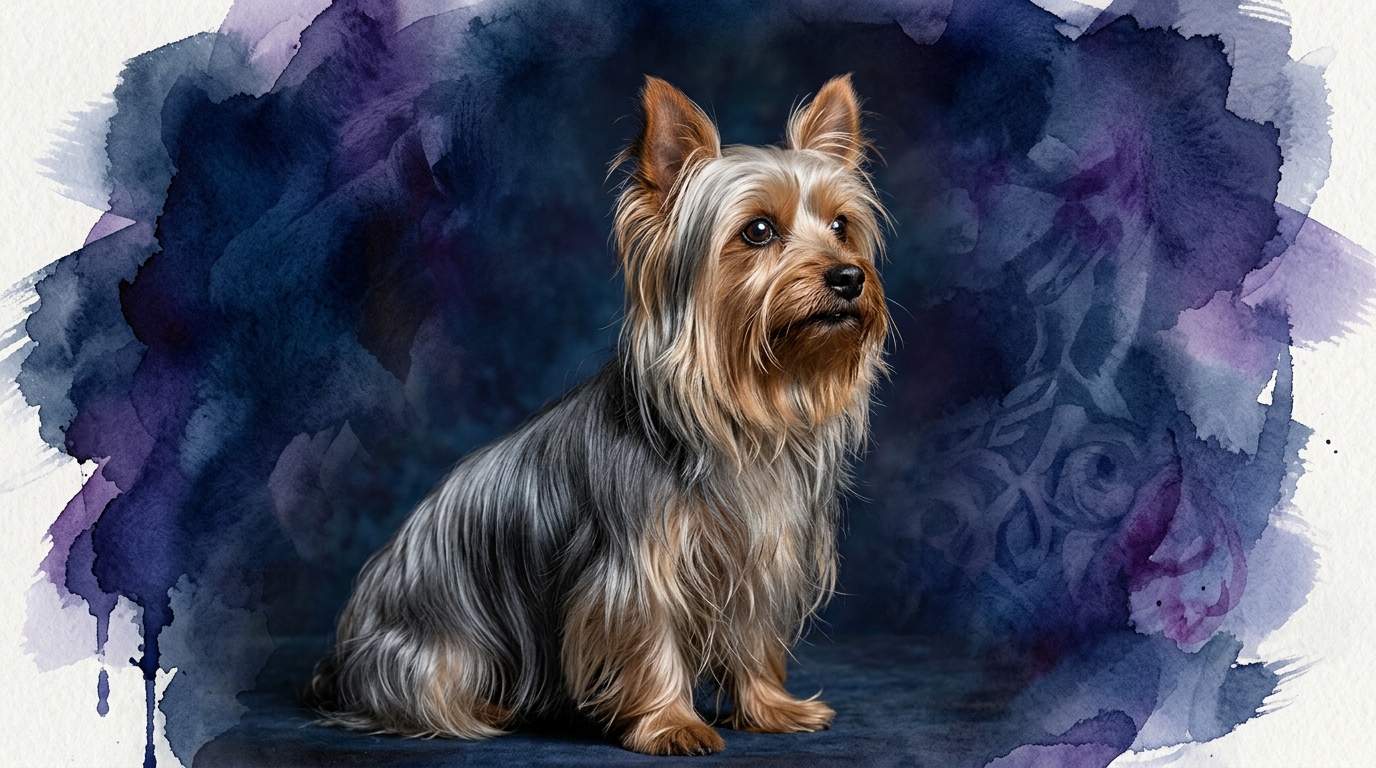
Side-by-Side IQ Profile: Cocker Spaniel vs. Silky Terrier
The Cosmic Pet Pet IQ Lab employs a five-dimensional framework to assess canine intelligence, providing a granular view of each breed's cognitive strengths. For the Cocker Spaniel, ranked #20 by Coren, and the Silky Terrier, an unranked but cognitively distinct breed, these scores illuminate their unique intellectual landscapes.
Cocker Spaniel (Sporting Group, Coren Rank #20): Problem Solving 3/5, Training Speed 4/5, Social Intelligence 5/5, Instinctive Drive 4/5, Memory 4/5. This profile indicates a dog with practical intelligence, a strong desire to cooperate, and a highly attuned social nature, complemented by good recall and a purposeful drive.
Silky Terrier (Toy Group, Not Coren-ranked): Problem Solving 3/5, Training Speed 3/5, Social Intelligence 3/5, Instinctive Drive 3/5, Memory 3/5. The Silky's scores suggest a capable but more independent intellect, with moderate aptitude across all dimensions, reflecting a spirited companion whose cognitive strengths lie in discernment and self-reliance rather than universal eagerness to please.
Where the Cocker Spaniel Wins Cognitively
The Cocker Spaniel’s cognitive profile clearly shines in areas demanding collaboration and emotional attunement. Their unparalleled social intelligence, rated at a perfect 5/5, means they are exceptionally adept at reading and responding to human emotions and intentions. This makes them profoundly cooperative partners, quick to understand what is expected of them and eager to engage in joint activities. Coupled with their 4/5 training speed, Cocker Spaniels absorb new commands and routines with remarkable efficiency, often needing fewer repetitions to master a task. This cognitive synergy allows them to excel in structured learning environments and roles where a deep connection with their handler is paramount, from obedience trials to therapeutic support. Their robust instinctive drive (4/5) further enhances this, providing a purposeful energy that can be readily channeled into various forms of engagement, making them highly versatile companions.
Where the Silky Terrier Wins Cognitively
While the Silky Terrier's scores might appear lower in direct comparison, their cognitive strengths lie in a different sphere, reflecting their tenacious terrier spirit. Their problem-solving ability, rated 3/5, is on par with the Cocker, indicating a practical intelligence that allows them to navigate their world effectively, often with a self-sufficient approach. Where they truly 'win' is in their independent streak and inherent vigilance, qualities stemming from their moderate instinctive drive (3/5). This drive, while not primarily cooperative, fuels a persistent determination and a keen awareness of their surroundings, making them excellent little watchdogs. Their social intelligence (3/5), though not universally outgoing, fosters deep, selective bonds, meaning they offer unwavering loyalty to their chosen family, a quality highly valued by owners seeking a devoted, albeit discerning, companion. This focused social connection can be a significant cognitive advantage for specific owner preferences.
Which Is Easier to Train and Why
When considering ease of training, the Cocker Spaniel holds a distinct advantage due to its cognitive makeup. With a training speed of 4/5 and an exceptional social intelligence of 5/5, Cocker Spaniels are inherently motivated to please their human companions and are remarkably receptive to instruction. They quickly pick up on cues, understand expectations, and are eager to comply, making training sessions generally smoother and more rewarding. Their good memory (4/5) ensures that once a behavior is learned, it is retained effectively, reducing the need for constant re-teaching. This makes them particularly suitable for consistent, positive reinforcement methods.
In contrast, the Silky Terrier, with a training speed of 3/5 and social intelligence of 3/5, presents a more independent and sometimes opinionated training experience. While capable of learning, their terrier tenacity means they may require more creative engagement, consistent reinforcement, and a patient approach to overcome their self-directed tendencies. Their slightly lower memory (3/5) might also necessitate more frequent practice to maintain proficiency, making the overall training journey more involved. Owners must establish clear boundaries and employ motivational techniques to keep a Silky engaged and compliant.
Suitability for Active vs. Relaxed Owners
For owners leading an active lifestyle who seek a canine partner for various endeavors, the Cocker Spaniel is an excellent match. Their 4/5 instinctive drive and good memory (4/5) mean they thrive on structured activities like obedience, agility, or scent work, finding immense satisfaction in having a 'job.' Their high social intelligence (5/5) also means they are eager participants in family outings and adventures, always keen to be involved. A less active owner might find their need for engagement and interaction quite demanding if not met with sufficient mental and physical stimulation, potentially leading to boredom-related behaviors.
Conversely, while often perceived as a 'lap dog' due to their size, the Silky Terrier is not a sedentary companion. Their 3/5 instinctive drive and moderate problem-solving (3/5) mean they still require consistent mental stimulation and physical activity to prevent boredom and destructive behaviors. They suit owners who are active in terms of daily walks and interactive play, but perhaps not intensely focused on competitive dog sports or extensive field work. A truly relaxed owner might struggle with the Silky's need for consistent engagement and their watchful, sometimes vocal, nature, as their terrier spirit demands an outlet.
The Verdict
Opt for a Cocker Spaniel if you seek a highly cooperative, socially attuned companion eager to learn, participate in family activities, and potentially excel in structured dog sports or therapeutic roles. Their inherent desire to please and quick learning curve make them ideal for owners who enjoy consistent, positive training and a deeply interactive relationship.
Select a Silky Terrier if you appreciate a spirited, watchful, and independent small dog, willing to invest in consistent, engaging training and value a deep, loyal bond with their immediate family. They are best for owners who admire tenacity and a discerning social nature, offering a devoted companion who is alert and full of personality.
🧠 Find Your Pet's IQ Score
Our Pet IQ Lab assessment covers 25+ tests across 5 cognitive dimensions — personalized to your breed.
Take the Full IQ Test →Frequently Asked Questions
Are Cocker Spaniels good for first-time dog owners?
Yes, Cocker Spaniels are generally well-suited for first-time owners due to their high social intelligence (5/5) and quick training speed (4/5). They are eager to please and respond well to positive reinforcement, making the learning process smoother and more forgiving for novice handlers seeking a cooperative companion.
Do Silky Terriers have a strong prey drive?
Silky Terriers possess a moderate instinctive drive (3/5), which often includes a typical terrier prey drive for small, scurrying creatures. While not as intense or specialized as some hunting breeds, they may chase small animals, so secure leashes and yards are essential, and early socialization can help manage this instinct effectively.
How much mental stimulation do these breeds need?
Both breeds require consistent mental stimulation, though the nature differs. Cocker Spaniels (4/5 instinctive drive, 4/5 memory) thrive on purposeful tasks and learning new commands, while Silky Terriers (3/5 instinctive drive, 3/5 problem solving) benefit from interactive play, puzzle toys, and consistent, engaging training to satisfy their curious and vigilant nature.