Side-by-Side Pet IQ Profile
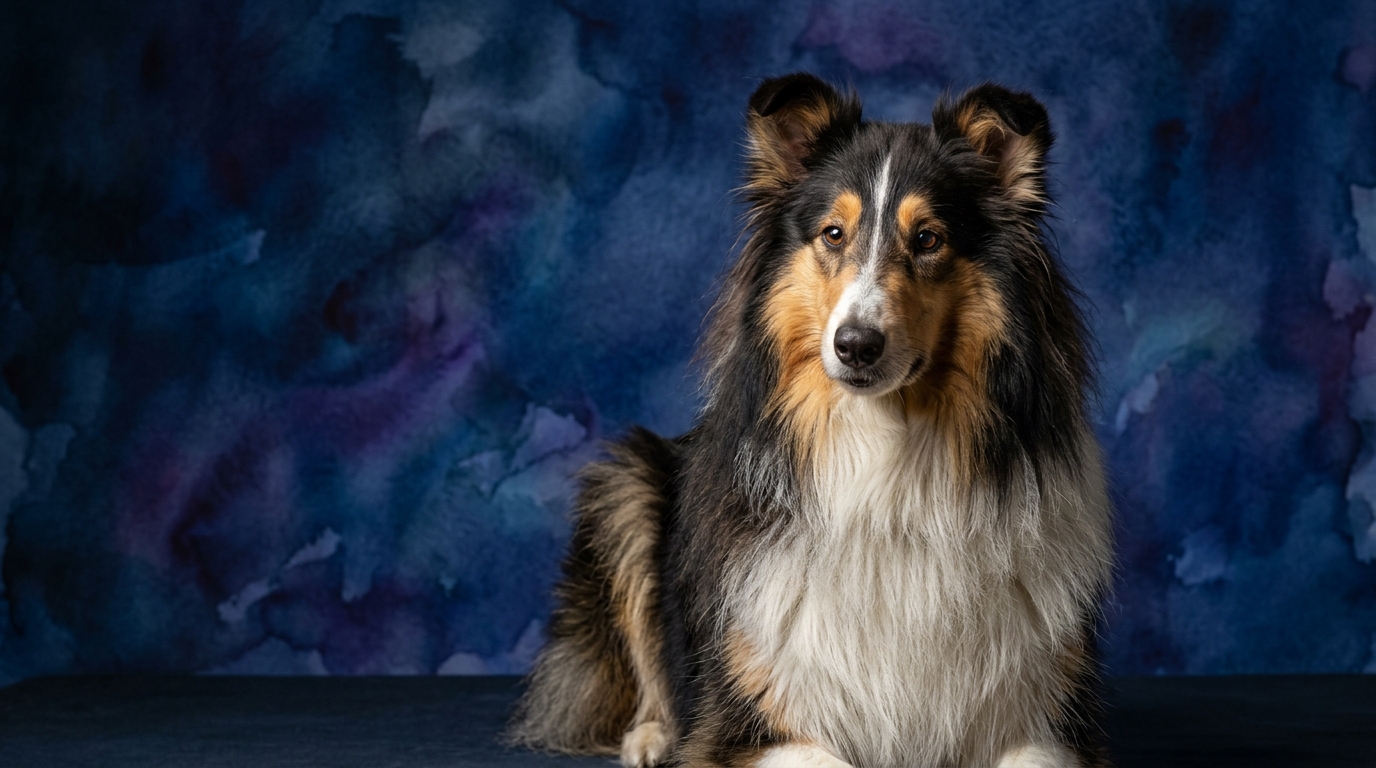
The Pet IQ Lab assesses canine cognition across five key dimensions, offering a granular view of each breed's intellectual landscape. For the elegant Collie (Rough), its profile reflects a capacity for intricate problem-solving (4/5) and remarkable memory (5/5), aligning with its historical herding role. This is complemented by efficient Training Speed (4/5), a solid grasp of Social Intelligence (3/5), and a moderate yet purposeful Instinctive Drive (3/5), indicating a dog built for collaborative work and impressive recall.
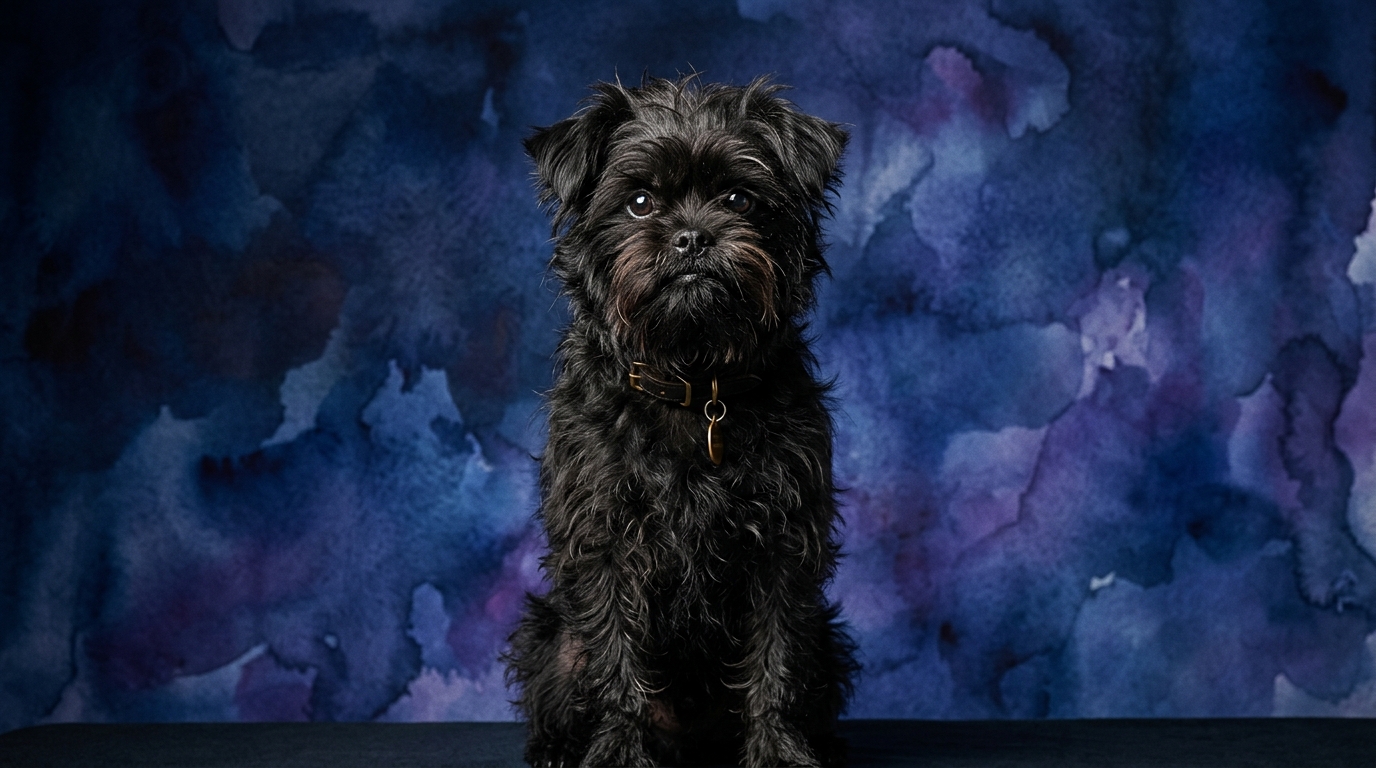
In contrast, the spirited Affenpinscher, a Toy group dog, presents a different cognitive blueprint, one more aligned with its independent and charming personality. Its Problem Solving (3/5) suggests competence, often expressed through resourceful persistence, while Training Speed (3/5) implies a steady learning pace requiring consistent effort. Social Intelligence (3/5) allows for discerning engagement with humans, and an Instinctive Drive (3/5) often manifests as keen curiosity or playful determination. Its Memory (3/5) is adequate for daily routines, though not matching the depth of the Collie.
Where the Collie (Rough) Excels Cognitively
The Collie (Rough) demonstrates clear cognitive advantages, particularly in areas demanding sustained mental effort and retention. Their superior Memory score of 5/5 is a significant differentiator; these dogs possess an impressive capacity to remember intricate sequences of commands, the locations of objects, and the specific nuances of past interactions over long periods. This deep memory underpins their prowess in advanced obedience, agility, and even service dog roles, where recalling a vast repertoire of actions is critical for success.
Furthermore, their Problem Solving at 4/5, combined with their Herding group heritage, equips them with a natural aptitude for strategic thinking. This isn't just about following instructions; it’s about understanding the objective and adapting their approach. A Collie might instinctively understand how to gather scattered items or navigate complex environments, demonstrating an innate ability to process environmental cues and strategize movement. This strategic capacity, coupled with their excellent training speed, makes them adept at learning and applying complex behaviors.
Where the Affenpinscher Shines Cognitively
While the Affenpinscher's individual scores might not reach the peaks of the Collie, their cognitive strengths lie in their specific application and the tenacity with which they employ them. Their Problem Solving score of 3/5, though not the highest, often manifests as a clever, resourceful approach to navigating their immediate world, particularly when it involves achieving their desires. This might translate into figuring out how to access treats or strategically positioning themselves to gain attention, showcasing a pragmatic, goal-oriented problem-solving style effective for a small companion dog.
Their Social Intelligence (3/5) is often expressed through a discerning understanding of human moods and an ability to charm their way into favorable situations. They are adept at reading their owners, understanding subtle cues to elicit desired responses, often with a mischievous twinkle in their eye. This isn't about complex commands, but about intuitive social navigation and spirited determination, perfectly suited to their role as a tenacious, charismatic companion who knows how to get things done on their own terms.
Trainability: Collie (Rough) vs. Affenpinscher
When it comes to ease of training, the Collie (Rough) generally holds a distinct advantage, primarily due to its higher scores in Training Speed (4/5) and Memory (5/5). Collies are eager to please and possess a deep-seated desire to work in partnership with humans, a trait honed over centuries of herding. This willingness translates into a remarkable ability to grasp new commands quickly and retain them over the long term. They respond well to positive reinforcement and clear, consistent instruction, often showing an impressive capacity for generalizing learned behaviors to new situations. Their exceptional memory means that once a lesson is learned, it tends to stick, requiring less frequent refreshers.
The Affenpinscher, with its 3/5 scores in both Training Speed and Memory, presents a different training experience. While certainly trainable, they often require more patience, repetition, and a highly motivating approach. Their independent, sometimes stubborn, nature can lead to moments of "selective hearing," where they might choose to engage only if the reward or activity is sufficiently enticing. Training an Affenpinscher often involves making it feel like their idea, using engaging games and high-value treats to capture their attention, and understanding that their charm often comes with a spirited will that requires consistent, creative methods.
Matching Canine Cognition to Owner Lifestyles
The choice between a Collie (Rough) and an Affenpinscher based on owner activity levels reveals another significant divergence. The Collie (Rough) is undeniably better suited for active owners or families who can provide substantial mental and physical engagement. Their Herding group background means they possess an inherent drive for purpose and activity, thriving on long walks, opportunities to run, and participation in dog sports like agility or obedience. Their high Problem Solving and Memory scores mean they require consistent mental stimulation through training, puzzle toys, and new experiences to prevent boredom. A Collie needs a "job," making them an ideal companion for owners who lead an active lifestyle.
Conversely, the Affenpinscher can be a more suitable companion for relaxed owners, though this does not equate to a completely sedentary lifestyle. While energetic indoors, their small size means their exercise requirements are considerably less demanding. Short, brisk walks, interactive play sessions, and access to a secure outdoor space for quick romps are typically sufficient. They are often content to curl up with their human after a brief period of play, making them excellent companions for apartment dwellers. However, even relaxed owners must provide daily mental engagement through short training sessions and puzzle toys to keep their clever minds sharp.
The Verdict
Choose the Collie (Rough) if you seek a highly trainable, cognitively advanced companion for complex tasks, dog sports, or a family dog that thrives on structured activity, deep learning, and robust outdoor adventures.
Opt for the Affenpinscher if you appreciate a spirited, charming, and tenacious companion with a clever streak, suited to indoor living and less demanding exercise needs, but who are prepared for consistent, patient training and enjoy a dog with a big personality in a small package.
🧠 Find Your Pet's IQ Score
Our Pet IQ Lab assessment covers 25+ tests across 5 cognitive dimensions — personalized to your breed.
Take the Full IQ Test →Frequently Asked Questions
Do Collies need a lot of exercise?
Yes, Collies benefit from regular, vigorous exercise and consistent mental challenges to satisfy their active minds and bodies, which helps prevent boredom and potential destructive behaviors. Their herding background means they thrive on having a purpose, whether through long walks, active play, or dog sports.
Are Affenpinschers good with children?
Affenpinschers can be good with older, respectful children who understand how to interact appropriately with a small, sometimes sensitive dog. Due to their compact size and potential for being easily startled, supervised interactions are always advisable to ensure both the dog's and child's safety and comfort.
What kind of mental stimulation do Affenpinschers need?
Affenpinschers, despite their size, thrive on mental engagement. They benefit from puzzle toys that challenge their problem-solving skills, short but consistent training sessions to keep their minds active, and interactive play that engages their curious and spirited nature. Consistent mental activity helps prevent boredom and promotes a well-adjusted companion.