Side-by-Side IQ Profile: Herding Acumen Meets Sporting Drive
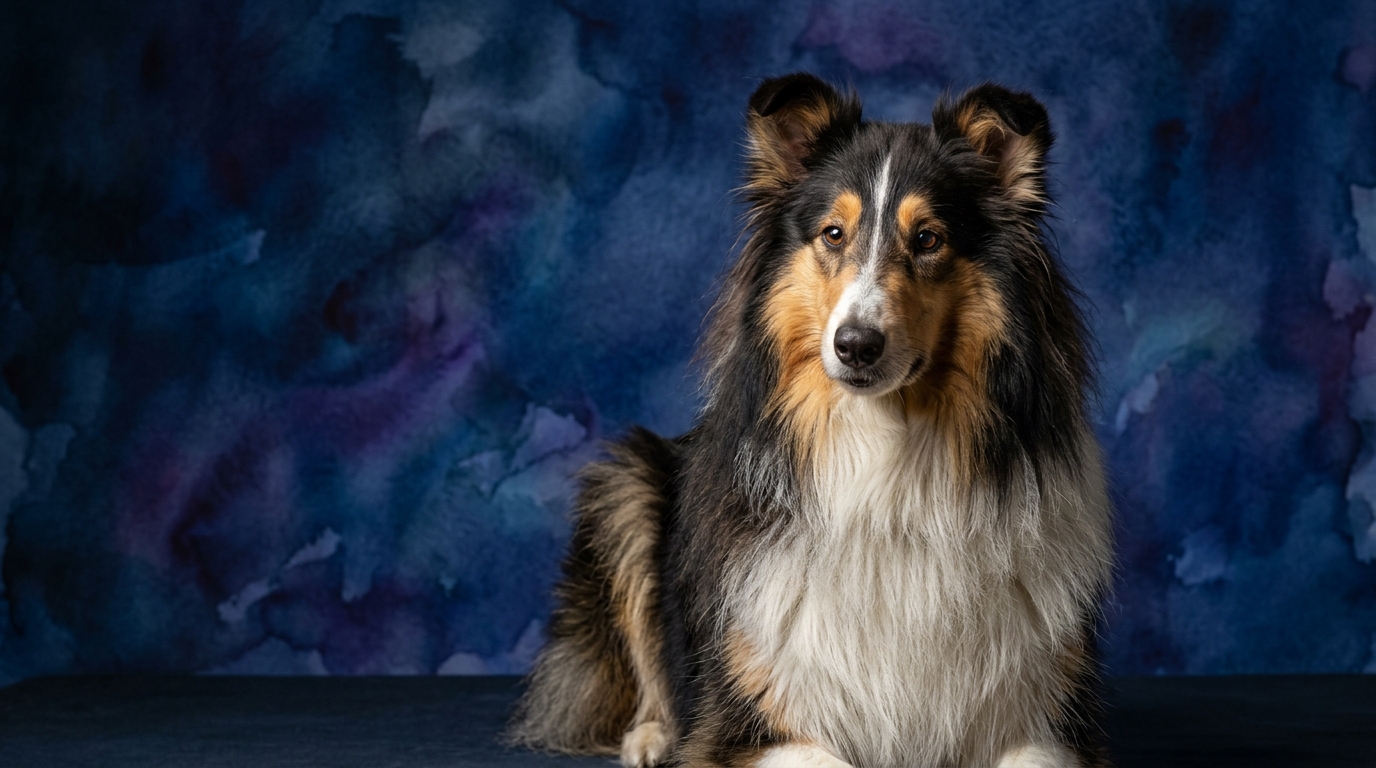
The Cosmic Pet Pet IQ Lab employs a five-dimensional framework to assess canine intelligence, offering a granular view of each breed's cognitive strengths. For the Collie (Rough), a breed historically tasked with managing livestock, these dimensions paint a picture of a mentally agile companion. Their Problem Solving score stands at 4/5, indicating a strong capacity to navigate novel situations and devise solutions. Training Speed also registers at 4/5, suggesting a quick uptake of new commands and routines, which is crucial for complex herding tasks. Social Intelligence is rated 3/5, reflecting a balanced understanding of human cues and pack dynamics, while Instinctive Drive, at 3/5, speaks to a moderate but present inclination towards their ancestral herding behaviors. A standout feature for the Collie (Rough) is their exceptional Memory, scoring a perfect 5/5, allowing them to recall intricate sequences and learned information over extended periods.
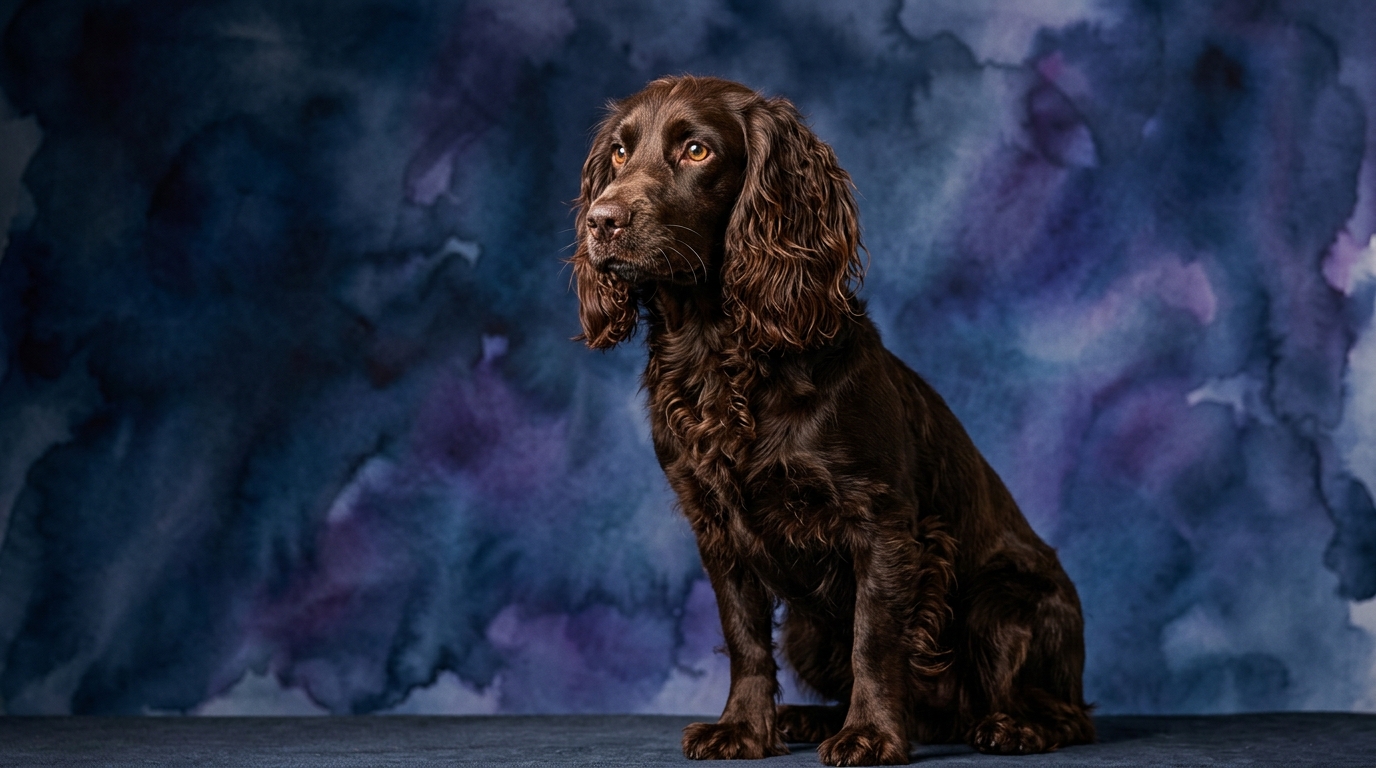
In contrast, the Boykin Spaniel, a compact gundog bred for retrieving in challenging Southern swamps, presents a different cognitive signature. Their Problem Solving capability is rated 3/5, signifying a competent but perhaps less independent approach to new challenges compared to the Collie. Training Speed also sits at 3/5, meaning they are receptive to learning but might require more consistent repetition to solidify new behaviors. Social Intelligence aligns with the Collie at 3/5, indicating a similar capacity for understanding human and canine interactions. Their Instinctive Drive, also 3/5, is strongly channeled towards their sporting role, focusing on scent work and retrieval. The Boykin Spaniel's Memory score is 3/5, reflecting a solid ability to retain learned information, though perhaps not with the same depth or complexity as the Collie.
Where Collie (Rough) Wins Cognitively
The Collie (Rough) demonstrates clear cognitive advantages in areas demanding intricate thought and retention. Their superior Problem Solving (4/5) means they are adept at figuring things out independently, such as opening latches, navigating complex environments, or understanding multi-step requests without constant guidance. This cognitive flexibility stems from their herding heritage, where they needed to anticipate livestock movements and adapt strategies on the fly. Owners often observe them making thoughtful decisions, rather than merely reacting, which can be both impressive and, at times, a challenge if their ingenuity is directed towards mischief.
The most significant cognitive edge for the Collie (Rough) lies in their Memory (5/5). This exceptional recall enables them to master and retain vast repertoires of commands, tricks, and routines with remarkable consistency. They can remember complex sequences of actions, differentiate between numerous objects by name, and recall past experiences in ways that facilitate future learning. This profound memory capacity makes them excellent candidates for advanced obedience, agility, and even service roles where precise, long-term retention of information is paramount. Their higher Training Speed (4/5) complements this, allowing them to absorb new lessons quickly and integrate them into their existing knowledge base efficiently.
Where Boykin Spaniel Wins Cognitively
While the Boykin Spaniel's scores might appear lower in direct comparison, their cognitive profile represents a winning combination for specific contexts, particularly those involving focused partnership and a less overtly 'strategic' approach to tasks. Their 3/5 Problem Solving, for instance, means they are less likely to attempt to outsmart their handler or independently devise solutions that diverge from expected behavior. This can be a 'win' for owners who prefer a dog that works cooperatively within established parameters rather than constantly seeking novel ways to achieve goals, which can sometimes be a byproduct of higher problem-solving aptitude.
The Boykin Spaniel’s strength lies in its specialized Instinctive Drive (3/5), which is perfectly tuned for its sporting purpose. While the numerical score is the same as the Collie, the *nature* of this drive is different. The Boykin's drive is singularly focused on game retrieval, scent work, and waterfowling, making them exceptionally dedicated and tenacious in these specific tasks. Their moderate Memory (3/5) and Training Speed (3/5) are perfectly adequate for mastering the specific commands and routines required for hunting, allowing them to perform their jobs effectively without the potential for overthinking or independent strategizing that might distract from the primary objective. Their cognitive 'win' is thus in their harmonious blend of moderate general intelligence with a highly specialized, unwavering purpose.
Which is Easier to Train and Why
When considering ease of training, the Collie (Rough) generally offers a smoother, faster learning curve for a wide array of commands and behaviors. Their 4/5 Training Speed means they grasp new concepts quickly, often requiring fewer repetitions than many other breeds. Coupled with their 5/5 Memory, once a behavior is learned, it tends to stick. This means a Collie can progress through basic and advanced obedience with remarkable efficiency, often excelling in competitive dog sports that demand precision and a broad range of skills. Their Problem Solving ability (4/5) also means they can generalize learned behaviors to new situations, understanding the 'why' behind a command rather than just the 'how.' For example, if taught to 'stay' with distractions, they might intuitively understand the principle applies to new, unfamiliar distractions.
The Boykin Spaniel, with a 3/5 Training Speed and 3/5 Memory, is certainly trainable, but owners should anticipate a more deliberate pace. They will learn, but may require more consistent, patient repetition to achieve the same level of fluency as a Collie, especially for complex or abstract commands. Their training is often most successful when it taps into their natural retrieving and scenting drives. For instance, teaching a Boykin to 'fetch' will likely be instinctive and rapid, whereas teaching an intricate obedience routine might take more sustained effort. Real behavioral differences include the Collie's tendency to anticipate commands and their capacity for sequential learning, allowing them to string together multiple actions. The Boykin, while eager to please, might focus more on the immediate reward or the hunt drive itself, requiring the trainer to be more engaging and consistent in reinforcing desired behaviors.
Which Suits Active Owners vs. Relaxed Owners
For the truly active owner, especially one who enjoys mental challenges and complex activities, the Collie (Rough) is an excellent match. Their need for mental stimulation, stemming from their problem-solving aptitude and high memory, means they thrive when given a 'job' or regular opportunities to learn and think. Owners who enjoy dog sports like agility, obedience, herding trials, or even advanced trick training will find a willing and capable partner in a Collie. They require substantial daily exercise, but more importantly, they need structured mental engagement to prevent boredom, which can manifest as undesirable behaviors like excessive barking or destructive chewing. A Collie expects to be an active participant in their owner's life, not just a passive observer.
The Boykin Spaniel, while also needing consistent physical activity, particularly activities that allow them to fulfill their sporting instincts, might be a better fit for an active owner whose lifestyle is centered around specific outdoor pursuits like hunting, hiking, or retrieving games, rather than constant intellectual challenges. They need vigorous exercise daily, such as long walks, runs, or extensive fetch sessions, to satisfy their physical drive. However, their mental stimulation requirements, while present, are often satisfied by engaging in their natural sporting behaviors rather than needing constant new learning. For an owner who enjoys a physically robust companion for outdoor adventures and appreciates a dog that is content to relax indoors after a good workout, the Boykin Spaniel offers a balanced blend of activity and companionability. They are less prone to creating their own complex 'problems' out of boredom, provided their physical needs are met.
The Verdict
Choose the Collie (Rough) if you seek a highly mentally engaged companion for complex training, dog sports, or a partner that thrives on intellectual challenge and intricate problem-solving.
Opt for the Boykin Spaniel if your active lifestyle involves specific outdoor pursuits like hunting or extensive retrieving, and you appreciate a dedicated, physically driven partner with a cooperative, less strategically independent mindset.
🧠 Find Your Pet's IQ Score
Our Pet IQ Lab assessment covers 25+ tests across 5 cognitive dimensions — personalized to your breed.
Take the Full IQ Test →Frequently Asked Questions
Are Rough Collies prone to separation anxiety?
Rough Collies form strong bonds with their families and can develop separation anxiety if not properly socialized or left alone for extended periods. Their social intelligence and deep memory mean they are very aware of their human companions' presence or absence, making consistent training and gradual acclimatization to solitude important.
Do Boykin Spaniels need a lot of grooming?
Boykin Spaniels have a medium-length coat that requires regular grooming to prevent matting and keep it healthy, especially if they spend time in brush or water. Weekly brushing is generally sufficient, along with occasional trims around the ears and feet to maintain cleanliness and prevent discomfort.
Which breed is better for first-time dog owners?
Both breeds can be suitable for first-time owners, but with different considerations. The Collie's quicker training speed and memory can make them seem easier initially, but their need for mental engagement requires a committed owner. The Boykin is eager to please but requires consistent physical outlets; their moderate scores mean they are less likely to be 'too much dog' for someone learning the ropes, provided their exercise needs are met.