Side-by-Side Cognitive Profiles
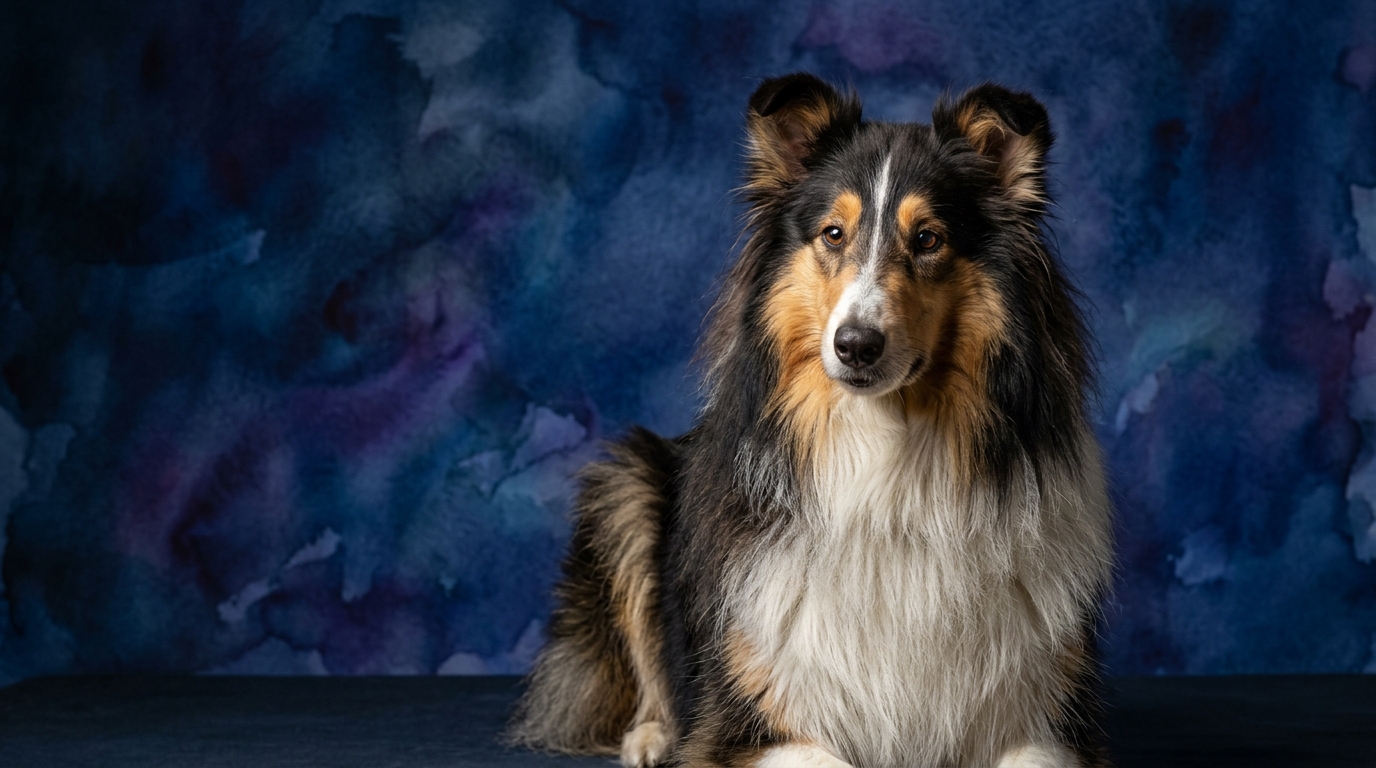
The Cosmic Pet Pet IQ Lab employs a five-dimensional framework to assess canine intelligence, providing a nuanced view beyond a single score. For the Collie (Rough), its Coren rank of #16 reflects a highly capable mind. Its Problem Solving is rated at 4/5, indicating a strong capacity for independent thought and navigating complex situations, a trait honed by its herding legacy. Training Speed, also 4/5, points to a rapid grasp of new commands and routines, making it a responsive learner. Social Intelligence, at 3/5, suggests a moderate ability to interpret human cues and navigate social dynamics. Instinctive Drive, rated 3/5, indicates a balanced innate motivation, often channeled into its working heritage. Finally, its Memory at 5/5 stands out as exceptional, allowing it to retain vast amounts of information, sequences, and learned behaviors over extended periods.
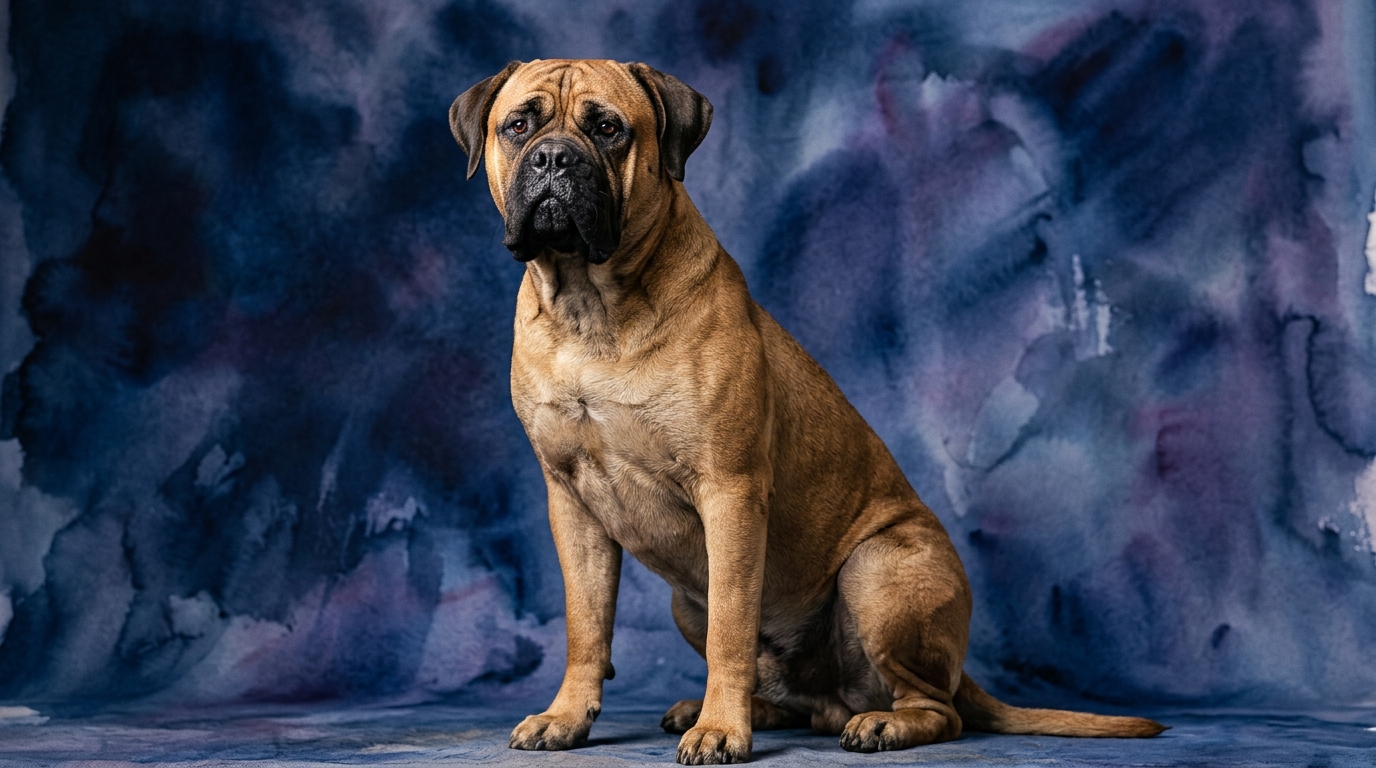
In contrast, the Bullmastiff, with a Coren rank of #69, presents a different cognitive blueprint, reflecting its guardianship origins. Its Problem Solving capability is rated 3/5, suggesting a practical, situation-specific approach to challenges rather than intricate strategizing. Training Speed also scores 3/5, indicating that while trainable, it may require more consistent repetition and patience to solidify new learnings. Social Intelligence is 3/5, similar to the Collie, implying a discerning but not overly effusive social demeanor. Instinctive Drive is also 3/5, channeled primarily into its protective instincts. Its Memory, at 3/5, is solid but not as expansive as the Collie's, meaning it will learn and retain, but perhaps not with the same speed or volume of detail as its herding counterpart.
Where the Collie (Rough) Cognitively Excels
The Collie (Rough) clearly demonstrates cognitive strengths that position it as a highly adaptable and trainable companion, particularly in areas demanding mental agility and retention. Its Problem Solving score of 4/5, significantly higher than the Bullmastiff's 3/5, means it can independently figure out solutions to novel challenges, such as opening latches or devising strategies in complex obedience tasks. This is not about brute force, but about observational learning and applying past experiences to new scenarios. Its historical role demanded quick thinking to manage livestock, often without direct human commands, fostering this specific cognitive strength.
The Collie's standout cognitive advantage lies in its Memory, earning a perfect 5/5 compared to the Bullmastiff's 3/5. This superior recall means a Collie can learn extensive command sets, complex routines, and intricate agility courses with remarkable ease and retain them for years. Owners often report their Collies remembering specific routes taken infrequently or recalling detailed sequences of events. This exceptional memory, combined with a 4/5 Training Speed, makes the Collie (Rough) incredibly efficient at acquiring and performing complex behavioral chains, making it a prime candidate for advanced dog sports, therapy work, or any role requiring a broad repertoire of learned actions.
Where the Bullmastiff Cognitively Excels
While the Bullmastiff doesn't outscore the Collie in general cognitive agility, its specialized intelligence shines brightly in its intended role. Its 3/5 in Problem Solving isn't about navigating intricate mazes, but about accurately assessing environmental cues for potential threats and determining the most effective course of action for protection. This discernment, coupled with a focused instinctive drive (3/5) for guardianship, means its cognitive resources are expertly deployed for territorial defense and family protection, requiring a keen situational awareness and an unwavering resolve. It excels at the specific problem of security.
The Bullmastiff's cognitive strength also manifests in its unique application of Social Intelligence (3/5) and Instinctive Drive (3/5). Rather than a broad eagerness to engage with all, its social intelligence is acutely tuned to discerning trusted family members from strangers, exhibiting a profound loyalty and an ability to read subtle cues within its immediate human family. Its instinctive drive is not scattered across various activities but singularly focused on vigilance and protection. This allows the Bullmastiff to remain calm and observant, yet instantly responsive when a perceived threat demands action, showcasing a specialized cognitive focus that is highly effective for its purpose.
Training Ease: A Tale of Two Temperaments
When it comes to training, the cognitive profiles of these two breeds lead to distinct experiences. The Collie (Rough), with its 4/5 Training Speed and unparalleled 5/5 Memory, is generally considered more straightforward to train for a wide array of tasks. They absorb new commands quickly and retain them with minimal refreshers, often displaying an eagerness to learn and participate in training sessions. Their herding background instilled a desire to work in partnership with humans, responding readily to direction and finding satisfaction in a job well done. This means they are often responsive to positive reinforcement and can progress rapidly through obedience levels or learn complex tricks.
The Bullmastiff, conversely, with 3/5 in both Training Speed and Memory, requires a different approach. While certainly capable of learning, they are not typically as quick to pick up new concepts or retain them without consistent reinforcement. Their guardian temperament often translates to a more independent and sometimes deliberate, rather than eager, approach to training. They may need more repetitions to fully grasp a command and might test boundaries, requiring an owner who is patient, consistent, and firm, without being harsh. Their motivation often stems from loyalty and a desire to please their trusted family members, but they are unlikely to perform solely for the joy of complex mental challenges as a Collie might.
Matching Canine Cognition to Owner Lifestyle
The differences in cognitive profiles directly influence which breed might better suit an active versus a more relaxed owner. For active owners who enjoy engaging their dogs in various activities, the Collie (Rough) is an excellent match. Its high Problem Solving and exceptional Memory make it suitable for dog sports like agility, obedience, rally, or even herding trials. These dogs thrive on mental stimulation and benefit from regular, structured activities that challenge their quick minds. An owner who enjoys teaching new tricks, going on long, varied walks, or participating in dog clubs will find the Collie to be an enthusiastic and capable partner. Their cognitive needs demand an owner prepared to provide consistent mental enrichment.
For owners seeking a more relaxed pace, the Bullmastiff's cognitive makeup aligns well with a steadfast, watchful companion. While they still require regular exercise to maintain physical health, their mental stimulation needs are often met through their inherent guardian role – observing their territory and discerning visitors. They are content with a comfortable routine and appreciate predictable interactions, making them suitable for owners who prefer less intense training regimens and fewer structured activities. Their deep loyalty and calm demeanor mean they are often happy simply being present with their family, offering quiet companionship and a watchful presence without demanding constant mental gymnastics.
The Verdict
Choose the Collie (Rough) if you desire a highly trainable, mentally agile companion eager to engage in diverse activities and learn complex tasks, thriving on intellectual challenges and partnership.
Opt for the Bullmastiff if you seek a loyal, protective, and calm companion whose cognitive strengths lie in vigilant guardianship and discerning loyalty, requiring patient and consistent guidance.
🧠 Find Your Pet's IQ Score
Our Pet IQ Lab assessment covers 25+ tests across 5 cognitive dimensions — personalized to your breed.
Take the Full IQ Test →Frequently Asked Questions
Which breed is better for first-time dog owners?
The Collie (Rough) might be a more forgiving choice for first-time owners due to its higher training speed and eagerness to please, making it easier to teach basic obedience. The Bullmastiff's independent nature and need for consistent, firm handling can be more challenging for those new to dog ownership.
Do Bullmastiffs need less mental stimulation than Collies?
Yes, generally. While all dogs benefit from engagement, the Bullmastiff's cognitive profile suggests its mental stimulation is often satisfied through its inherent guardian duties and family interactions, whereas the Collie (Rough) requires more structured mental challenges like training, puzzles, or dog sports to prevent boredom.
How do their social intelligence scores impact family life?
Both breeds score 3/5 in social intelligence, meaning they are capable of forming strong bonds with their families. The Collie's social intelligence often manifests as amiable interactions, while the Bullmastiff's is typically more discerning, focusing loyalty intensely on its immediate human family and being more reserved with strangers.