Side-by-Side IQ Profile: Herding Brains vs. Terrier Tenacity
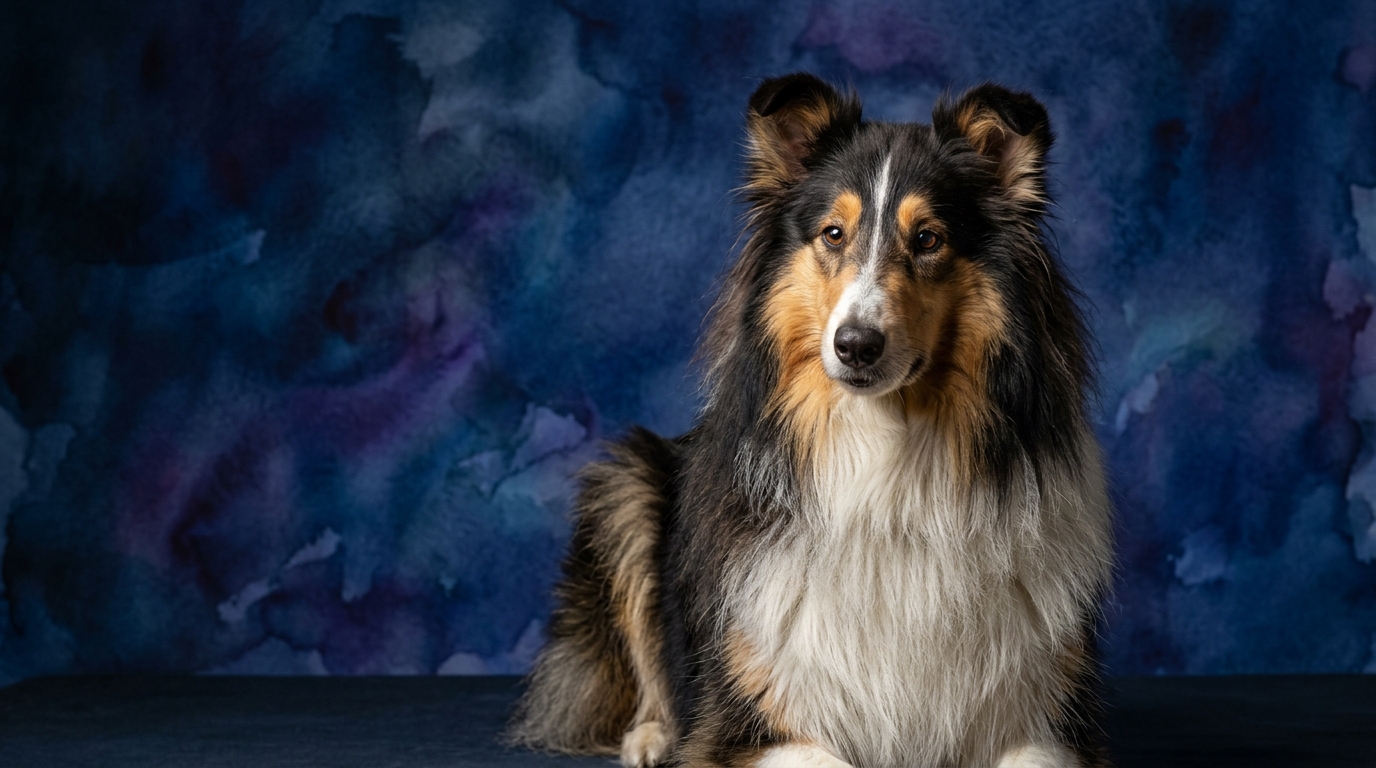
The Collie (Rough), a distinguished member of the Herding group, ranks impressively at #16 on Coren's list, reflecting a cognitive profile geared towards complex tasks and cooperation. Their Problem Solving is rated 4/5, indicating a strong capacity for navigating intricate situations, often involving spatial reasoning or sequence following. Training Speed at 4/5 suggests they grasp new commands and concepts with remarkable quickness, eager to learn and please. Social Intelligence, at 3/5, means they are generally receptive to human interaction and family dynamics, capable of forming strong bonds but perhaps not exhibiting the same nuanced social awareness as some dedicated companion breeds. Their Instinctive Drive, also 3/5, points to a moderate inherent inclination for their original herding tasks, translated into a desire for purpose and activity. A standout trait is their Memory, rated 5/5, allowing them to recall extensive command sets, routines, and experiences over long periods, making them exceptionally reliable partners.
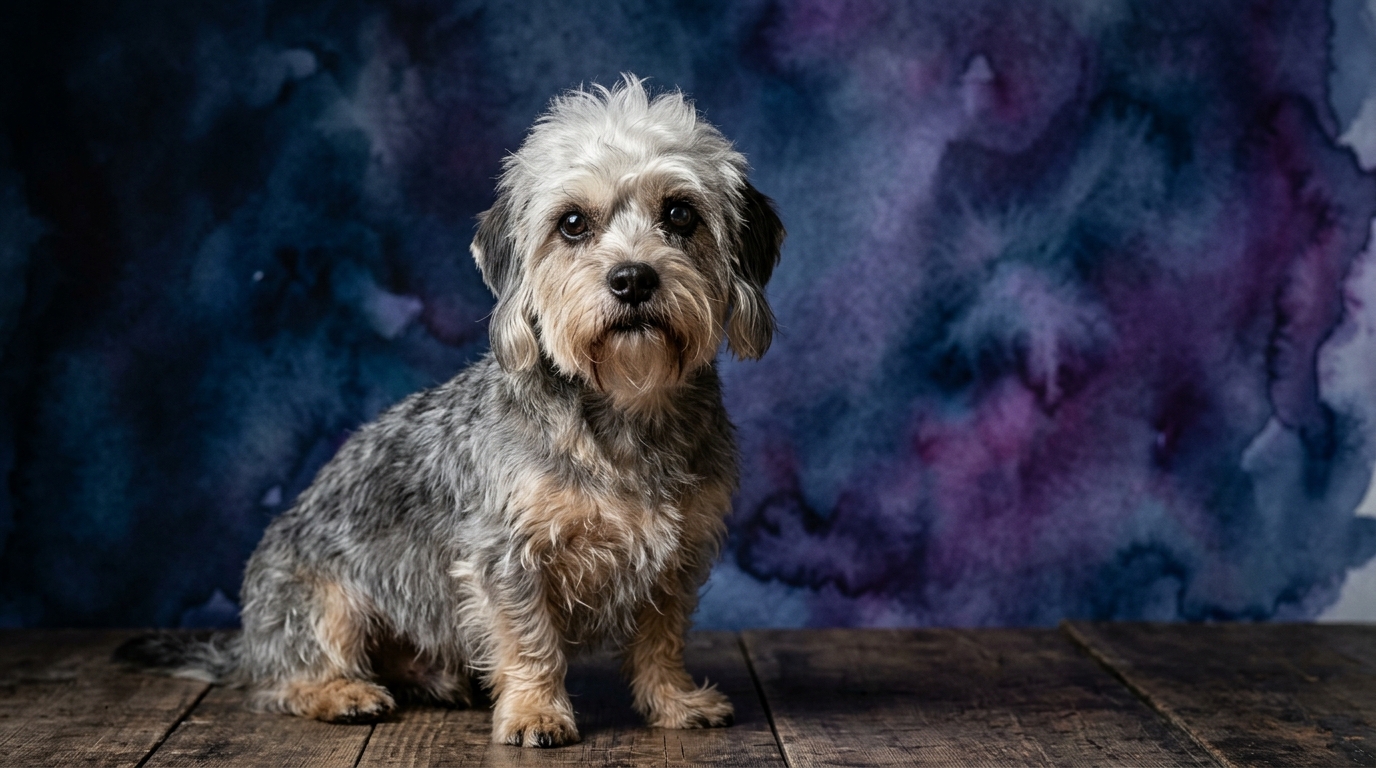
In contrast, the Dandie Dinmont Terrier, a spirited member of the Terrier group and not Coren-ranked, presents a different, yet equally compelling, cognitive blueprint. Their Problem Solving stands at 3/5, indicating a practical, often instinct-driven approach to challenges, relying on persistence rather than complex strategy. Training Speed, also 3/5, suggests they learn at a steady pace, but their independent terrier spirit might require more consistent, patient, and engaging reinforcement. Social Intelligence, matching the Collie at 3/5, reflects a capacity for bonding with their family, though they might exhibit a more independent streak compared to some breeds, valuing their own space and self-sufficiency. Their Instinctive Drive, rated 3/5, highlights their inherent terrier nature, manifesting as a strong urge to hunt, dig, or chase, requiring appropriate outlets to satisfy these deep-seated urges. Memory, at 3/5, means they retain information adequately for daily life and basic commands, but perhaps not with the extensive recall or intricate detail of a breed like the Collie.
Where the Collie (Rough) Wins Cognitively
The Collie (Rough) demonstrates clear cognitive advantages, particularly in areas demanding sophisticated information processing and retention, making them formidable learners. Their exceptional Memory score of 5/5 means they excel at recalling complex sequences of commands, intricate routes, or elaborate game rules, making them superb candidates for advanced obedience, agility, or even service work. This superior recall allows them to build a vast repertoire of learned behaviors and adapt readily to new situations by drawing on past experiences, demonstrating a profound capacity for long-term retention. Furthermore, their Problem Solving at 4/5, coupled with a Training Speed of 4/5, indicates a breed that not only quickly grasps new concepts but also applies them creatively and efficiently to overcome obstacles. For instance, a Collie might independently figure out how to open a specific gate after observing it once, or consistently execute a multi-step fetch routine without constant prompting. This combination of quick learning, effective problem-solving, and deep memory makes them highly adaptable and capable partners in a structured, interactive environment.
Where the Dandie Dinmont Terrier Wins Cognitively
While the Dandie Dinmont Terrier’s scores are generally lower than the Collie’s on a broad cognitive scale, their unique intellectual makeup excels in specific contexts, particularly where tenacity and independent, task-focused thinking are paramount. Their Instinctive Drive of 3/5, combined with a Problem Solving score of 3/5, translates into a highly effective, persistent approach to challenges within their original role of hunting vermin. This isn't about executing complex, multi-step obedience routines, but rather the focused determination to locate, track, and pursue a target, often requiring independent decision-making in challenging, confined environments. For instance, a Dandie might demonstrate superior aptitude at finding a hidden, scented object in a dense patch of undergrowth, relying on an innate drive and persistent, iterative problem-solving, where a Collie might rely more on visual cues or direct human guidance. Their moderate Social Intelligence (3/5) also means they possess a comfortable self-sufficiency, thriving in situations where an owner appreciates a dog with an independent spirit that doesn't constantly seek validation or intricate interaction. This inherent self-reliance, while potentially making training a slower process, can be a distinct cognitive advantage for owners who value a dog capable of working through a task with less direct human oversight or simply entertaining itself with a challenging, instinct-fulfilling activity.
Which is Easier to Train and Why
The Collie (Rough) is demonstrably easier to train, primarily due to their superior Training Speed (4/5) and exceptional Memory (5/5). These traits mean Collies typically learn new commands and routines with remarkable swiftness, often requiring fewer repetitions to master a behavior and internalize complex instructions. Their strong memory ensures that once a command is learned, it is retained for extended periods, making refreshers less frequent and solidifying their reliability. For example, a Collie can quickly associate a verbal cue with a specific action and consistently perform it weeks later, even after a break from training. Their inherent desire to work cooperatively, stemming from their herding lineage, further enhances their trainability, as they are often eager to please and respond well to positive reinforcement and clear guidance. In contrast, the Dandie Dinmont Terrier’s 3/5 scores in both Training Speed and Memory, combined with their characteristic terrier independence, mean training requires significantly more patience, consistency, and creative engagement. Dandies might learn, but they may take longer to generalize commands to new environments or might choose to prioritize their own interests over immediate compliance, especially if a more stimulating distraction is present. Their problem-solving often manifests as finding ways around rules if not consistently enforced, rather than readily adopting new learned behaviors, demanding an owner with a firm yet positive approach.
Which Suits Active Owners vs. Relaxed Owners
For owners who thrive on structured activities and consistent mental engagement, the Collie (Rough) is an ideal match. Their high Problem Solving (4/5) and Memory (5/5) necessitate consistent mental stimulation through training, puzzle toys, and interactive games, preventing boredom and fostering their cooperative nature. They will relish opportunities for advanced obedience, agility, or even tasks that mimic their herding instincts, such as herding balls or participating in rally. While they enjoy physical exercise, it's the mental workout that truly satisfies their cognitive needs and prevents behavioral issues. Owners who enjoy teaching complex sequences and seeing their dog apply logic and recall to various challenges will find the Collie incredibly rewarding, as they are partners in learning. The Dandie Dinmont Terrier, with its 3/5 Instinctive Drive and Problem Solving, suits owners who appreciate a dog with a robust, independent spirit and enjoy specific, often earth-bound, activities. While they don't demand the same level of sustained, structured mental 'work' as a Collie, they need outlets for their terrier instincts – digging, chasing, and exploring. They are not necessarily 'relaxed' dogs in terms of energy, but their bursts of activity might be shorter and more focused on instinctual tasks, followed by periods of calm. Owners who enjoy casual walks with opportunities for sniffing and digging, or who appreciate a dog that can entertain itself with a challenging chew toy or a focused task, might find the Dandie’s cognitive profile aligns well. They are less about sustained, complex interaction and more about focused, individualistic pursuits, making them suitable for owners who value a dog's self-sufficiency.
The Verdict
Opt for the Collie (Rough) if you desire a highly trainable, intelligent companion eager to engage in complex learning, structured activities, and consistent interaction, thriving on a strong partnership and demonstrating remarkable memory.
Select the Dandie Dinmont Terrier if you appreciate an independent, persistent dog with a unique terrier spirit, suited for owners who enjoy providing outlets for instinctual behaviors and value a companion with self-reliance.
🧠 Find Your Pet's IQ Score
Our Pet IQ Lab assessment covers 25+ tests across 5 cognitive dimensions — personalized to your breed.
Take the Full IQ Test →Frequently Asked Questions
Are Dandie Dinmont Terriers difficult to train?
While not inherently difficult, their Training Speed and Memory scores of 3/5, combined with their independent terrier nature, mean they require more consistent, patient, and engaging training methods than some other breeds. Short, positive sessions are often most effective to maintain their focus and enthusiasm.
Do Rough Collies need a lot of mental stimulation?
Absolutely. With a Problem Solving score of 4/5 and Memory of 5/5, Rough Collies thrive on mental challenges, puzzle toys, and consistent training to prevent boredom and channel their cognitive abilities constructively. They need engagement beyond just physical exercise to remain content and well-behaved.
How do the social skills of these two breeds compare?
Both breeds have a Social Intelligence score of 3/5, indicating they are capable of forming strong bonds with their families. The Collie might seek out more consistent interaction and validation, while the Dandie, though affectionate, can be more content with periods of independent activity, reflecting its terrier self-reliance and less urgent need for constant human attention.