Side-by-Side IQ Profile: Herding Acumen vs. Northern Independence
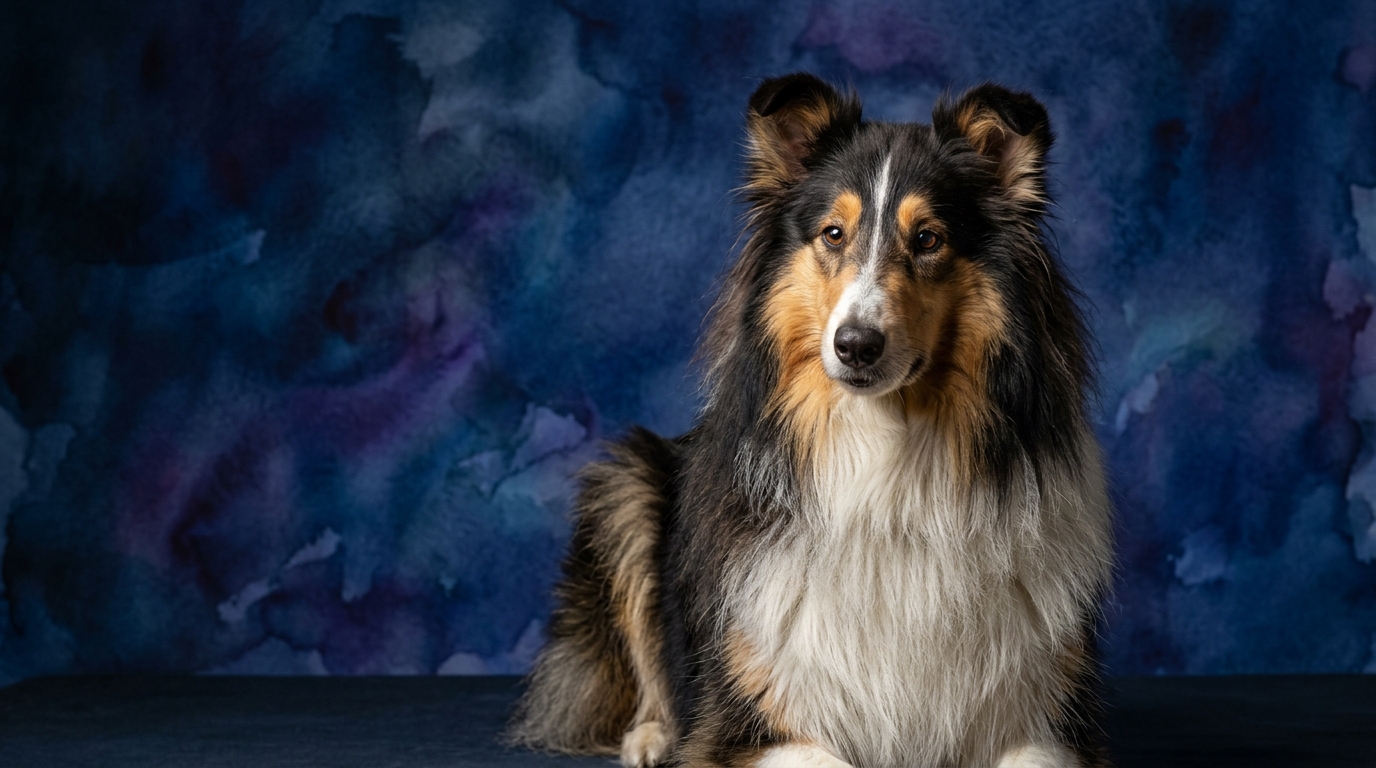
The Cosmic Pet Pet IQ Lab provides a granular view into canine intelligence, assessing five critical dimensions. The Collie (Rough), a breed with a rich history in herding, demonstrates a robust cognitive profile, earning a Coren rank of #16. Its Problem Solving ability is rated at a strong 4/5, indicating a capacity for adaptable thinking and strategic navigation of challenges. Training Speed also sits at 4/5, reflecting its eagerness and quick grasp of new commands and routines. Social Intelligence is marked at 3/5, suggesting a good understanding of human cues and social structures, though perhaps not universally adaptable. Instinctive Drive, at 3/5, points to a moderate but present drive rooted in its herding heritage, while an exceptional Memory score of 5/5 highlights its ability to learn and retain information with remarkable efficiency.
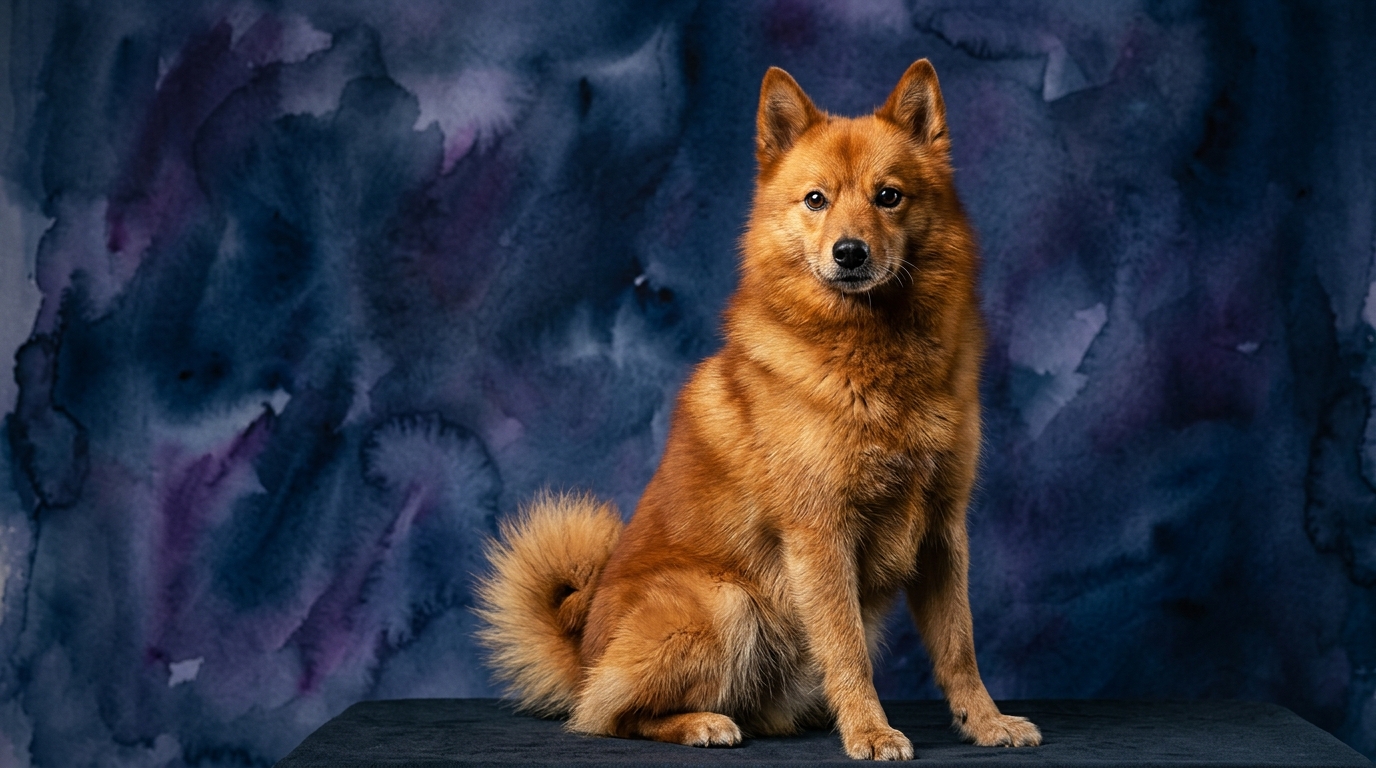
In contrast, the Finnish Spitz, a Non-Sporting breed known for its spirited nature and vocal hunting style, is not Coren-ranked, signaling a different expression of intelligence that may not align with traditional obedience metrics. Its Problem Solving ability is rated at 3/5, indicating competence but perhaps less inclination towards independent, complex strategizing compared to the Collie. Training Speed is also 3/5, suggesting a moderate pace of learning. Social Intelligence matches the Collie at 3/5, implying a similar capacity for understanding human interaction, albeit potentially with a more independent interpretation. Instinctive Drive is likewise 3/5, but this drive is distinctly focused on its hunting origins, particularly its characteristic 'yodeling' bark. Its Memory score is 3/5, indicating an average capacity for recall and retention when compared to the Collie's outstanding performance.
Where the Collie (Rough) Wins Cognitively
The Collie (Rough) clearly stands out in areas demanding sustained mental engagement and precise execution. Its superior Memory, rated at an exceptional 5/5, is a significant cognitive advantage. This translates into an unparalleled ability to recall complex sequences of commands, remember specific locations, and retain learned behaviors over long periods. For an owner, this means less repetition during training and a more reliable response to cues, even after a break. This formidable memory contributes directly to its effectiveness in herding, where remembering boundaries, individual flock members, and handler instructions is paramount.
Furthermore, the Collie's higher Problem Solving score (4/5 versus the Finnish Spitz's 3/5) indicates a greater aptitude for independent thought when faced with novel situations. While both breeds can navigate challenges, the Collie is more likely to devise creative solutions or adapt its approach when a familiar method fails. This problem-solving prowess, coupled with its excellent Training Speed (4/5), makes the Collie particularly adept at advanced obedience, agility, and other canine sports that require both quick learning and strategic thinking. Its intelligence is geared towards understanding and executing complex tasks directed by a human, a hallmark of its herding lineage.
Where the Finnish Spitz Wins Cognitively
While the Finnish Spitz may not outshine the Collie in traditional obedience metrics, its cognitive profile shines in areas demanding independence and specialized instinctive expression. Its 3/5 Instinctive Drive, though numerically equal to the Collie's, is channeled into a highly specialized form of hunting intelligence: locating game birds and signaling their presence with a unique, melodic bark. This isn't just a simple bark; it's a sophisticated communication system, indicating location and excitement, honed over centuries. This specialized problem-solving, focused on an innate drive, represents a distinct cognitive 'win' for owners who appreciate and wish to engage with this unique, instinctual behavior, perhaps even participating in 'barking trials.'
The Finnish Spitz's cognitive independence, inherent in its unranked Coren status and moderate problem-solving/training scores, can also be seen as an advantage. This breed is not designed to be a constant people-pleaser; its intelligence is more about self-reliance and autonomous decision-making in its traditional role. For owners seeking a companion with a robust sense of self, one that isn't constantly looking for direction, the Finnish Spitz’s cognitive makeup provides a refreshingly self-assured presence. Its moderate memory and training speed mean it learns, but its retention and application of knowledge are often filtered through its independent spirit, leading to a dog that thinks for itself rather than merely executing commands flawlessly.
Which Is Easier to Train and Why
Based on their respective IQ profiles, the Collie (Rough) is generally easier to train than the Finnish Spitz. The Collie's exceptional Memory (5/5) and strong Training Speed (4/5) are direct indicators of its capacity to quickly grasp and reliably retain commands. Collies are eager to please and possess a strong work ethic derived from their herding background, which translates into a willingness to engage in structured training sessions. Their high social intelligence (3/5) ensures they understand and respond to human cues, making communication during training more fluid. A Collie will typically pick up new tricks and obedience commands with fewer repetitions and recall them more consistently.
The Finnish Spitz, with its moderate Training Speed (3/5) and Memory (3/5), presents a different training dynamic. This breed is known for its independent nature, a trait that can sometimes be perceived as stubbornness. While intelligent, the Finnish Spitz often requires more patience, consistency, and creative motivation to maintain focus during training. They tend to evaluate commands and may choose to comply based on their own assessment of the situation or their mood, rather than an inherent desire to please. This isn't a lack of intelligence, but rather a manifestation of their self-reliant cognitive style, making them a more challenging prospect for novice trainers or those seeking a highly obedient companion without significant dedicated effort.
Owner Suitability: Active Engagement vs. Independent Spirit
For active owners seeking a highly engaged and trainable canine partner, the Collie (Rough) is an excellent match. Its high problem-solving ability, rapid training speed, and exceptional memory mean it thrives on mental stimulation and structured activities. Owners who enjoy dog sports like agility, obedience, rally, or even herding trials will find the Collie a willing and capable participant. Its instinctive drive, though moderate at 3/5, still requires outlets, and channeling this into constructive activities prevents boredom and potential behavioral issues. Collies need consistent exercise, but more importantly, they need their minds challenged daily with puzzles, training sessions, and interactive play. A relaxed owner who cannot commit to this level of engagement may find a Collie becoming restless or developing undesirable habits.
Conversely, the Finnish Spitz is better suited for owners who appreciate an independent spirit and can provide outlets for its unique, instinct-driven behaviors. While it still needs regular exercise to stay healthy and happy, its mental stimulation requirements are often met through less structured, more exploratory activities like hiking, scent work, or simply allowing it to survey its environment. Relaxed owners who enjoy a dog with a distinct personality and a moderate need for formal training will find the Finnish Spitz a delightful companion. However, owners must be prepared for its vocal nature, as its 3/5 instinctive drive is heavily tied to barking. This breed thrives with owners who understand and respect its autonomous nature, offering companionship without demanding constant, intricate obedience.
The Verdict: When to Choose Each Breed
The Verdict
Choose the Collie (Rough) if you desire a highly trainable, intelligent companion eager for mental engagement and excelling in structured activities like dog sports or advanced obedience. Its exceptional memory and problem-solving skills make it a rewarding partner for active, dedicated owners.
Opt for the Finnish Spitz if you appreciate an independent, spirited dog with a unique vocal expression and moderate training needs, ideal for owners who value a self-reliant companion and can provide outlets for its distinct hunting instincts.
🧠 Find Your Pet's IQ Score
Our Pet IQ Lab assessment covers 25+ tests across 5 cognitive dimensions — personalized to your breed.
Take the Full IQ Test →Frequently Asked Questions
Does a higher Coren rank mean a dog is 'smarter' overall?
The Coren rank primarily measures 'working and obedience intelligence,' reflecting a dog's ability to learn and comply with human commands. It doesn't encompass all forms of canine intelligence, such as problem-solving in natural environments or specialized instinctive behaviors, which breeds like the Finnish Spitz might excel at without being Coren-ranked.
How does the 'Instinctive Drive' differ between a Herding breed and a Non-Sporting breed with the same score?
Even with the same 3/5 score, the manifestation of 'Instinctive Drive' varies significantly by breed purpose. For a Collie, it's about gathering and controlling livestock, requiring direction and responsiveness. For a Finnish Spitz, it's typically tied to its hunting heritage, specifically locating and vocally signaling game, often involving more independent action and a strong vocal component.
Can a Finnish Spitz be trained for complex tasks despite its moderate scores?
Yes, a Finnish Spitz can certainly learn complex tasks, but it may require more patience, consistency, and creative motivation from the trainer. Their independence means they might not always be as eager to please or as quick to retain as a Collie, but with dedication, they are capable of learning and performing a variety of activities.