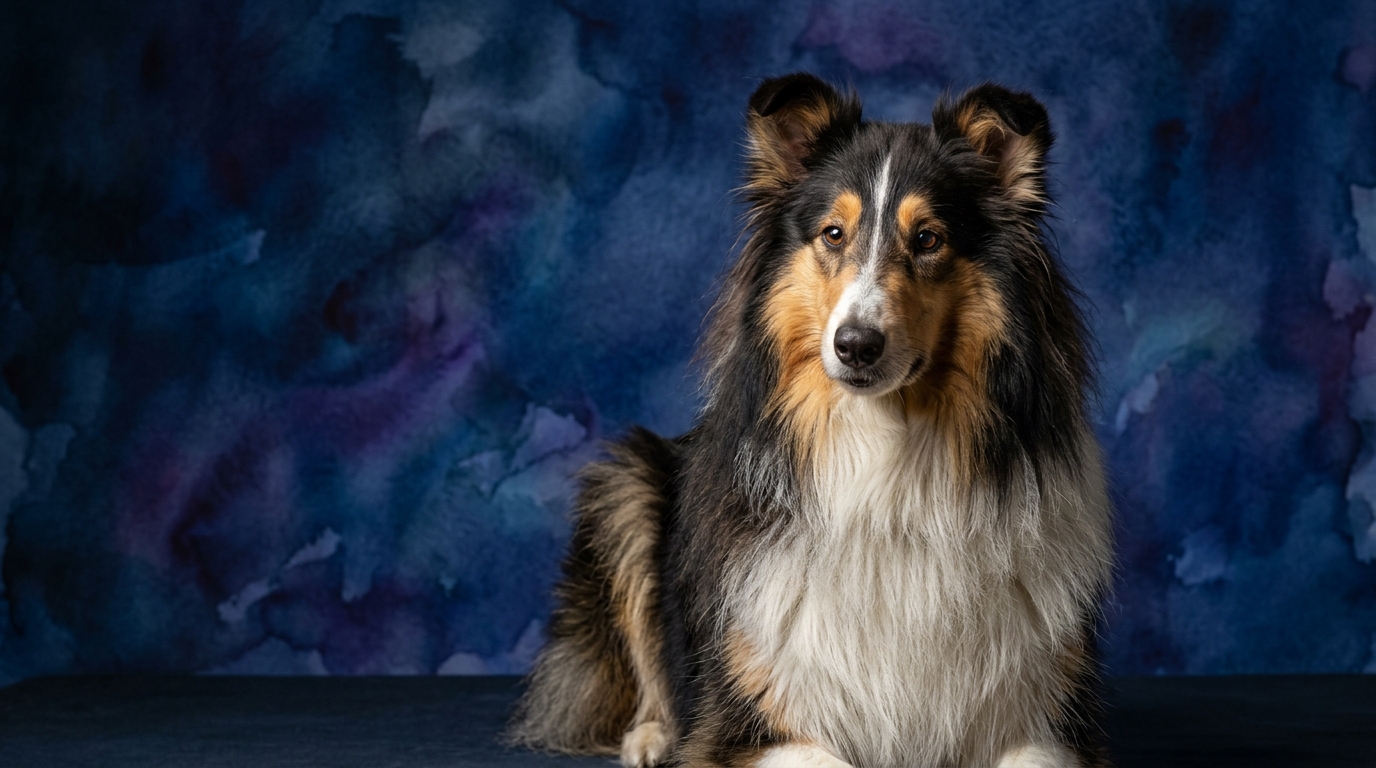
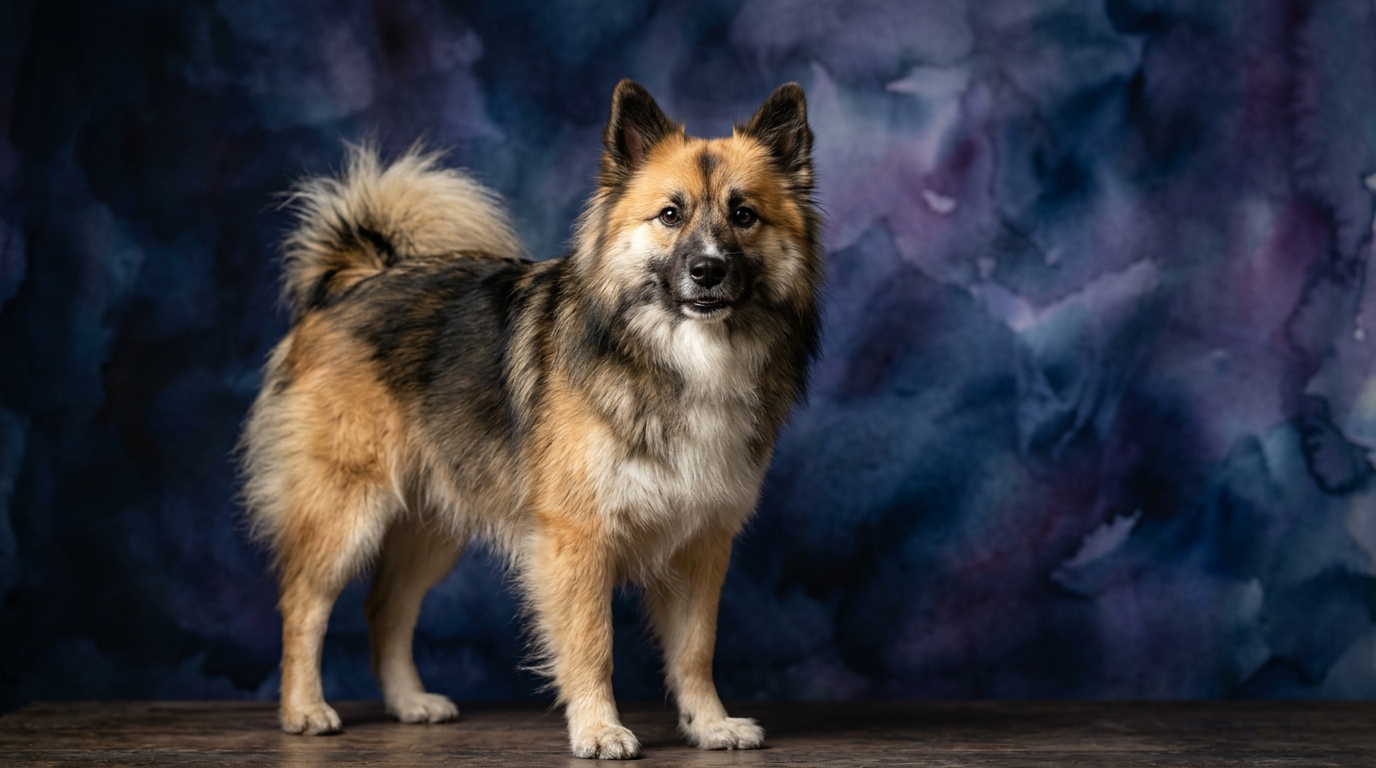
Side-by-Side IQ Profile: Collie (Rough) vs Icelandic Sheepdog
At The Cosmic Pet Pet IQ Lab, we evaluate canine intelligence across five key dimensions. Problem Solving gauges a dog's capacity to independently navigate new situations and overcome obstacles. Training Speed measures how quickly a dog grasps new commands and forms habits. Social Intelligence reflects their ability to understand human communication and interpret social cues. Instinctive Drive denotes the inherent motivation to perform breed-specific tasks, rooted in their historical roles. Memory assesses their ability to retain learned information and recall commands over time.
For the Collie (Rough), ranked #16 by Coren, its profile shows a Problem Solving of 4/5, indicating a strong aptitude for analyzing novel situations and devising effective strategies. Training Speed is also 4/5, meaning they quickly learn new behaviors. Their Social Intelligence stands at 3/5, demonstrating an understanding of human intentions, though they can be independent thinkers. Instinctive Drive is 3/5, reflecting a moderate, manageable herding impulse. A standout is their Memory at 5/5, showcasing exceptional long-term recall for learned cues and experiences.
The Icelandic Sheepdog, while not Coren-ranked, presents a consistent cognitive profile. Its Problem Solving is 3/5, suggesting a practical, often trial-and-error approach to challenges rather than intricate strategizing. Training Speed is 3/5, indicating a steady learning pace that benefits from consistent reinforcement. Social Intelligence is 3/5, highlighting their attunement to human emotions and a desire for close interaction. Instinctive Drive is 3/5, manifesting as a moderate herding and alerting tendency, often through barking. Finally, its Memory is 3/5, providing reliable retention of commands with regular practice. This balanced profile suggests a dog that is adaptable and responsive, if not always the quickest to master complex new tasks.
Where the Collie (Rough) Excels Cognitively
The Collie (Rough) distinguishes itself with a cognitive edge in several key areas. Its superior Problem Solving score of 4/5 indicates a dog that can independently assess and navigate complex scenarios, often finding solutions without constant human intervention, such as figuring out a puzzle toy or adapting to new training exercises. Furthermore, the Collie's Training Speed, also at 4/5, means it generally picks up new commands and routines with impressive swiftness, making initial obedience training a smoother, more efficient process. However, the most striking cognitive advantage lies in its Memory, earning a perfect 5/5. This exceptional recall ensures that once a command or behavior is learned, it is deeply embedded, reducing the need for frequent refreshers and allowing for the retention of a vast repertoire of skills over its lifetime. This robust memory also contributes to its ability to follow multi-step instructions and maintain consistency in learned tasks.
Where the Icelandic Sheepdog Holds Unique Cognitive Strengths
While the Icelandic Sheepdog's cognitive scores are generally consistent at 3/5, this balance presents unique strengths, particularly regarding temperament and desired interaction. Its Problem Solving at 3/5 suggests a practical, less overthinking approach to challenges, resulting in a more adaptable demeanor. They often rely on direct action and keen senses over intricate strategizing. The Icelandic Sheepdog's 3/5 in Social Intelligence, while numerically matching the Collie, manifests as an exceptionally people-oriented and eager-to-please nature. They thrive on companionship and are highly responsive to human interaction, making them deeply integrated family members intrinsically motivated by connection. Their consistent 3/5 in Instinctive Drive means herding tendencies are typically expressed as a desire to keep their 'flock' (family) together and alert them with barking. This trait is often less intense than some higher-drive herding breeds, making it more manageable for a pet home. This overall balanced profile can lead to a more predictable, affectionate, and responsive companion.
Which is Easier to Train and Why?
When evaluating ease of training, the Collie (Rough) generally holds an advantage, primarily due to its higher scores in Training Speed (4/5) and Memory (5/5). A Collie will typically grasp new commands and concepts more rapidly, often requiring fewer repetitions before a behavior becomes ingrained. This makes initial obedience training and learning intricate tricks a comparatively smoother experience. Their exceptional memory ensures that once a command is learned, it is retained for extended periods, minimizing the need for constant refreshers. In contrast, the Icelandic Sheepdog, with a Training Speed and Memory of 3/5, learns at a steady but more deliberate pace. Owners of Icelandic Sheepdogs will find success with consistent, positive reinforcement methods, understanding that more repetitions and patience may be required to solidify new behaviors. While both breeds are eager to please, the Collie's cognitive architecture allows for a faster and more permanent acquisition of learned behaviors.
Suitability for Active vs. Relaxed Owners
The choice between these two breeds also hinges on an owner's lifestyle. The Collie (Rough), while not demanding extreme athleticism, requires consistent moderate activity and opportunities for mental engagement. Their higher Problem Solving and Memory scores mean they benefit immensely from activities that challenge their minds, such as puzzle toys, scent work, or advanced obedience. Owners who enjoy teaching new tricks or participating in dog sports will find the Collie a highly capable and rewarding partner. For the Icelandic Sheepdog, moderate daily exercise is also essential, but their strong social intelligence and desire for companionship mean they thrive on being an integral part of family activities. They are less about intense, structured cognitive challenges and more about being included in everyday life. Their instinctive drive to keep their 'flock' together means they prefer constant interaction and can become vocal if left alone for extended periods. Therefore, the Collie may suit moderately active owners eager to provide structured mental stimulation. In contrast, the Icelandic Sheepdog is better for moderately active owners who prioritize constant companionship and a highly interactive family pet.
The Verdict
The Collie (Rough) is an excellent choice for owners who appreciate a dog with exceptional memory and a quick grasp of training, capable of mastering complex tasks and thriving on structured mental challenges.
Conversely, the Icelandic Sheepdog is ideal for those seeking a highly social, affectionate, and consistently responsive companion, who will become a deeply integrated family member and thrives on shared presence rather than intricate cognitive work.
🧠 Find Your Pet's IQ Score
Our Pet IQ Lab assessment covers 25+ tests across 5 cognitive dimensions — personalized to your breed.
Take the Full IQ Test →Frequently Asked Questions
Is the Collie (Rough) prone to separation anxiety due to its social intelligence?
While Collies possess good social intelligence, their moderate instinctive drive and independent problem-solving can make them resilient. However, like any breed, they thrive on companionship and can develop anxiety if left isolated for excessive periods without adequate mental and physical stimulation. Consistent training and a predictable routine help them manage alone time effectively.
How does the Icelandic Sheepdog's instinctive drive manifest in a home environment?
The Icelandic Sheepdog's instinctive drive, rated 3/5, primarily involves herding and alerting. This often translates to a desire to keep family members together and a tendency to bark to announce visitors or perceived threats. While manageable with training, owners should anticipate a vocal companion who is keen to monitor their environment and 'flock'.
Can an Icelandic Sheepdog participate in dog sports despite lower training speed?
Absolutely! While their training speed is rated 3/5, Icelandic Sheepdogs are eager to please and enjoy working with their owners. They can excel in various dog sports like agility, obedience, and rally, provided their owners are patient, consistent, and use positive reinforcement. Their enthusiasm and biddability often compensate for a slightly slower learning curve.