Side-by-side IQ profile
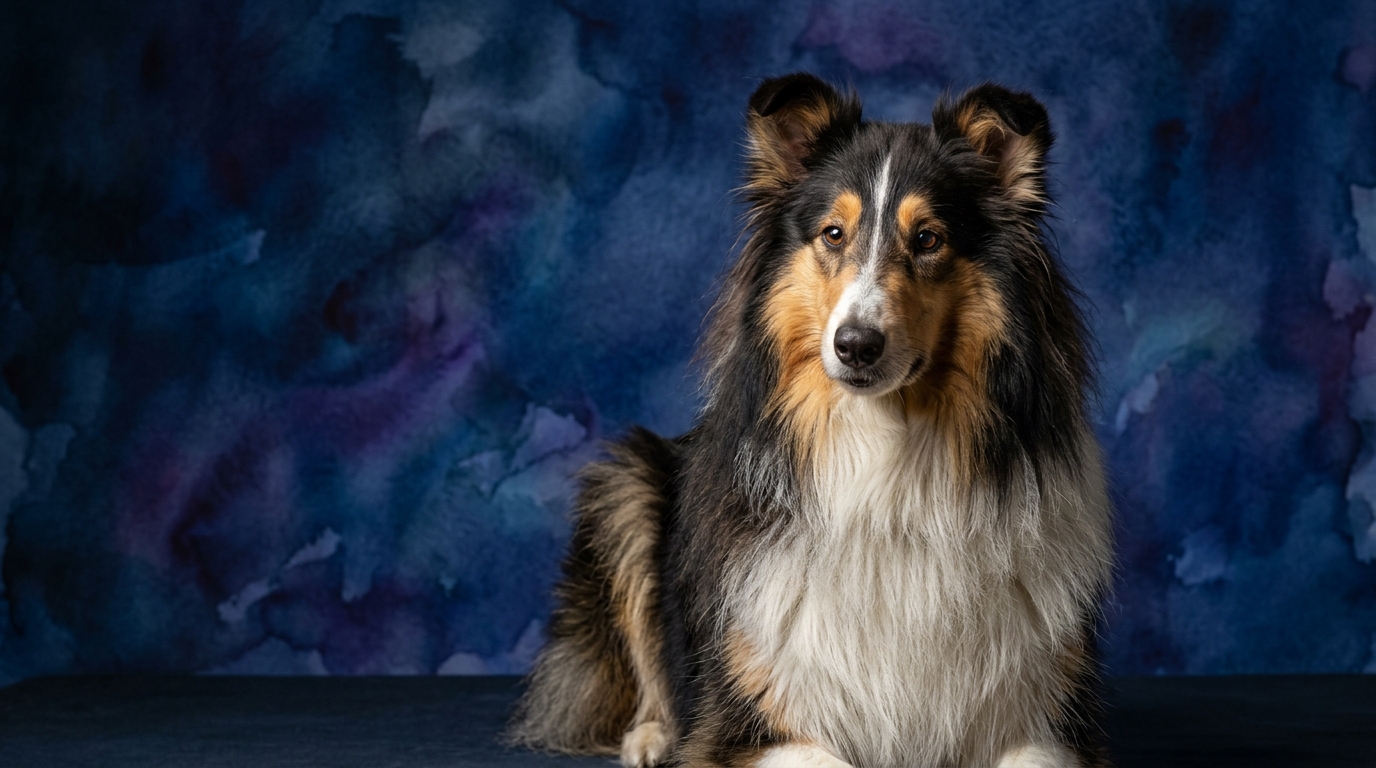
The Cosmic Pet Pet IQ Lab provides a unique lens through which to examine the cognitive makeup of our canine companions. For the Rough Collie, a breed ranked #16 by Coren for working intelligence, we observe a problem-solving score of 4/5, indicating a strong capacity for understanding and executing complex tasks. Their training speed is also rated at 4/5, suggesting a quick uptake of new commands and routines, while social intelligence stands at 3/5, reflecting an awareness of social structures within their family. An instinctive drive of 3/5 points to their moderate herding inclinations, but it is their memory, a perfect 5/5, that truly distinguishes them, allowing for exceptional retention of learned information and experiences.
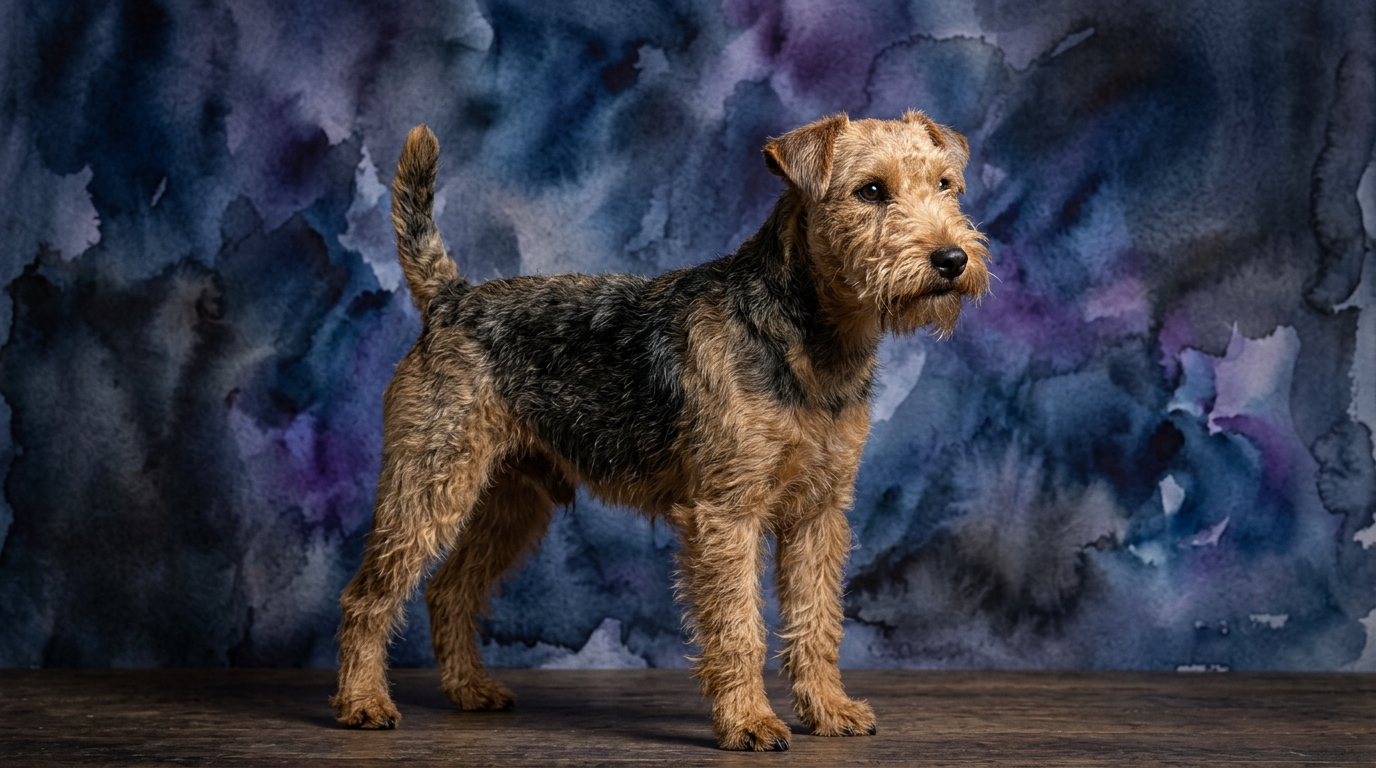
In contrast, the Lakeland Terrier, a breed from the Terrier group and not Coren-ranked, presents a different cognitive blueprint. Their problem-solving ability scores 3/5, demonstrating resourcefulness and determination in navigating challenges, often through persistent effort. A training speed of 3/5 indicates they learn at a steady pace, though perhaps requiring more engaging methods due to their independent streak. Their social intelligence is 3/5, similar to the Collie, suggesting a clear understanding of their immediate social environment. An instinctive drive of 3/5 highlights their typical terrier tenacity and prey drive, while their memory also registers at 3/5, sufficient for daily routines and basic commands, but not as expansive as the Collie's.
Where Collie (Rough) Wins Cognitively
The Rough Collie's cognitive strengths truly shine in areas demanding precise recall and rapid assimilation of new information. With a remarkable memory score of 5/5, these dogs can retain intricate command sequences, remember specific routines over extended periods, and even recall the context of past events, making them adept at tasks requiring sequential understanding. This exceptional memory pairs seamlessly with their 4/5 training speed, allowing them to grasp new concepts and cues with fewer repetitions than many other breeds. Their problem-solving at 4/5 often manifests as a thoughtful approach to challenges, preferring to analyze and execute a learned solution rather than relying solely on instinct, which aligns with their herding heritage of strategic flock management. This combination means they excel in structured learning environments and can apply previously learned solutions to novel, yet similar, problems with impressive efficiency.
Where Lakeland Terrier Wins Cognitively
While the Lakeland Terrier's individual scores might appear lower in comparison, its cognitive wins lie in a distinct realm of practical, tenacious intelligence. Its problem-solving at 3/5 isn't about elegant, pre-planned solutions, but rather a persistent, often independent, and highly resourceful approach. Faced with a challenge, a Lakeland might experiment with various methods until success is achieved, demonstrating a plucky determination characteristic of its terrier lineage. This cognitive style is deeply intertwined with its instinctive drive (3/5), which fuels a relentless pursuit of objectives, whether it's investigating a scent or navigating a tricky environment. Unlike the Collie's cooperative problem-solving, the Lakeland often thrives on figuring things out solo, making it particularly effective in situations requiring self-reliance and grit rather than strict adherence to learned commands. Their strength is in their ability to adapt and overcome through sheer will and an independent spirit, rather than through extensive memory or rapid training speed.
Which is Easier to Train and Why
When considering ease of training, the Rough Collie generally presents a more straightforward path for the average owner. Their training speed of 4/5, combined with an outstanding memory of 5/5, means they pick up new commands and routines quickly and retain them for extended periods. They are often eager to please and respond well to positive reinforcement, making the training process a cooperative and rewarding experience. This behavioral difference stems from their herding background, where working closely with a human handler was paramount, fostering a desire to understand and respond to cues for coordinated effort. Owners will often find the Rough Collie anticipates commands and seeks to comply.
The Lakeland Terrier, with a training speed of 3/5 and memory of 3/5, requires a different approach. While certainly capable of learning, their terrier independence and instinctive drive (3/5) mean they may need more engaging, varied training sessions to maintain focus. They might question commands or pursue their own agenda if not adequately motivated, reflecting their history as independent hunters who needed to make quick decisions in the field without constant human direction. Consistency and patience are key with a Lakeland, often requiring owners to be creative and firm yet fair in their methods, and understanding that their spirited nature means they may not always offer immediate, eager compliance, but rather a thoughtful, sometimes stubborn, consideration of the request.
Which Suits Active Owners vs. Relaxed Owners
The choice between these two breeds also hinges significantly on an owner's lifestyle and preferred level of engagement. A Rough Collie, while possessing a moderate instinctive drive (3/5), thrives with owners who can provide consistent mental stimulation. Their 5/5 memory and 4/5 problem-solving capabilities mean they enjoy learning new tricks, participating in obedience, or even dog sports that challenge their intellect. They adapt well to a family environment where their watchful instincts are appreciated, and their moderate physical exercise needs can be met with daily walks and play. They suit owners who appreciate a dog that is engaged in the household rhythm and responsive to direction, perhaps less 'active' in terms of extreme sports, but certainly 'active' in terms of mental partnership.
The Lakeland Terrier, conversely, suits a more physically active owner. Their robust terrier energy and instinctive drive (3/5) demand regular, vigorous exercise to prevent boredom and destructive behaviors. While their problem-solving (3/5) is tenacious, it's often applied to exploring, digging, or chasing, which requires an owner willing to facilitate these outlets. They are an excellent match for individuals or families who enjoy hiking, long walks, or interactive play sessions that allow the Lakeland to expend its considerable stamina. A relaxed owner, in the sense of minimal daily engagement, might find the Lakeland’s independent spirit and energy challenging, whereas a Rough Collie might adapt more readily to a calmer household, provided its mind is kept busy with consistent interaction and learning opportunities.
The Verdict
Choose the Rough Collie if you seek a highly trainable, cooperative companion with exceptional memory for complex tasks and a desire for structured mental engagement.
Opt for the Lakeland Terrier if you desire a tenacious, independent, and physically robust companion for active adventures, and you appreciate a dog with strong self-reliance and grit.
🧠 Find Your Pet's IQ Score
Our Pet IQ Lab assessment covers 25+ tests across 5 cognitive dimensions — personalized to your breed.
Take the Full IQ Test →Frequently Asked Questions
Are Rough Collies good family dogs?
Yes, Rough Collies are generally considered good family dogs. Their social intelligence of 3/5 means they integrate well into a family unit, often forming strong bonds. Their moderate instinctive drive (3/5) can manifest as a watchful nature, making them attentive companions, though they may be reserved with strangers.
Do Lakeland Terriers bark a lot?
Lakeland Terriers, with their instinctive drive of 3/5 typical of terriers, can be prone to barking, especially if bored, feeling territorial, or reacting to perceived threats. Their independent nature means they might not always be easily quieted, requiring consistent training and sufficient mental and physical stimulation to manage this behavior effectively.
What kind of mental stimulation do these breeds need?
Rough Collies, with their 5/5 memory and 4/5 problem-solving, thrive on learning new commands, obedience training, puzzle toys, and tasks that utilize their recall and sequential understanding. Lakeland Terriers, with 3/5 problem-solving and memory, benefit from activities that engage their tenacity and independent spirit, such as scent work, earthdog trials, or varied interactive play that allows them to 'figure things out' and chase.