Side-by-Side IQ Profile: Understanding Core Cognitive Dimensions
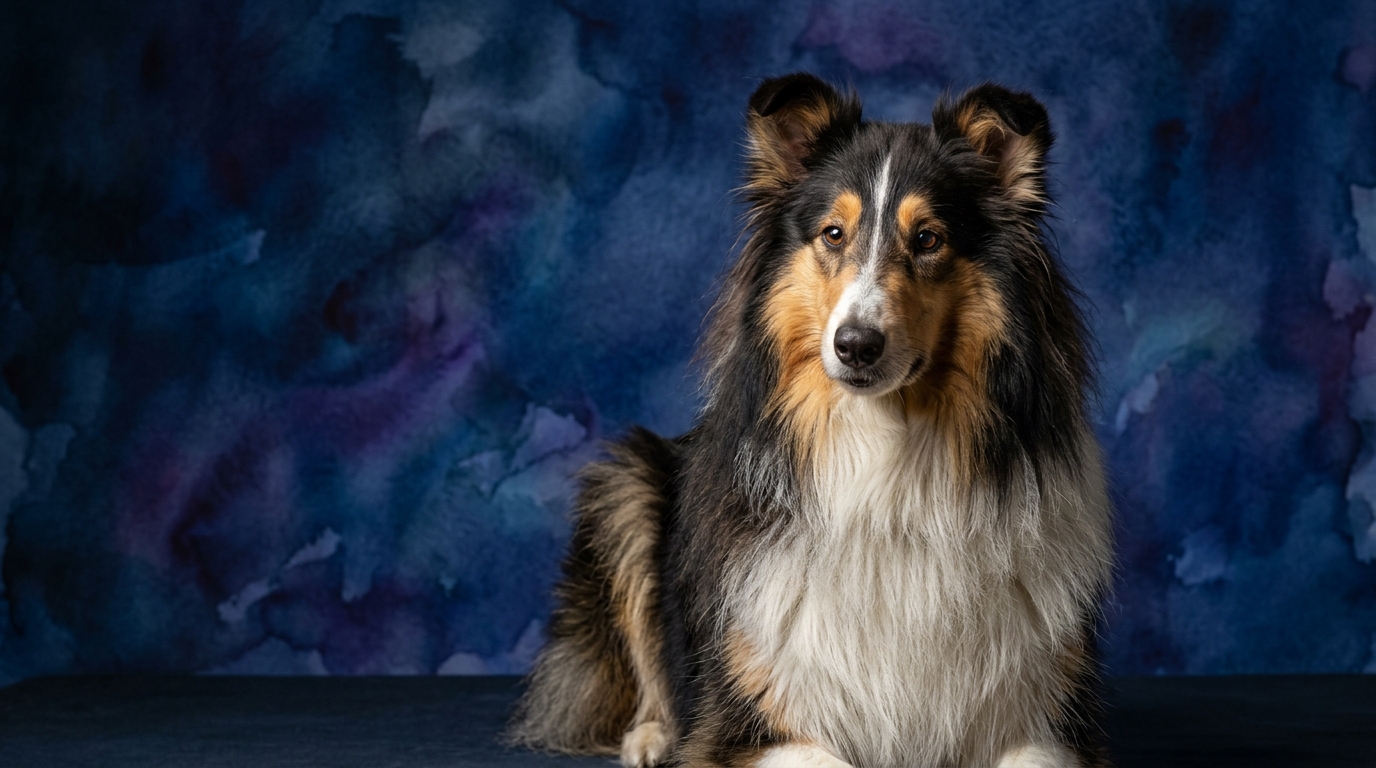
The Cosmic Pet Pet IQ Lab assesses five key cognitive dimensions, providing a granular view of a breed's intellectual landscape. For the Collie (Rough), ranked #16 by Coren, its cognitive profile paints a picture of a perceptive and adaptable companion. Its Problem Solving is rated 4/5, indicating a strong capacity for understanding and navigating complex situations, often by observing patterns and making logical inferences. Training Speed, also 4/5, reflects its quick grasp of new commands and routines, making it highly receptive to instruction. Social Intelligence at 3/5 suggests a reasonable ability to interpret human cues and intentions, fostering a collaborative relationship. An Instinctive Drive of 3/5 points to a moderate, manageable expression of its herding instincts, guiding its behaviors without overwhelming independence. Finally, a Memory score of 5/5 highlights an exceptional ability to retain learned behaviors, sequences, and environmental details over time.
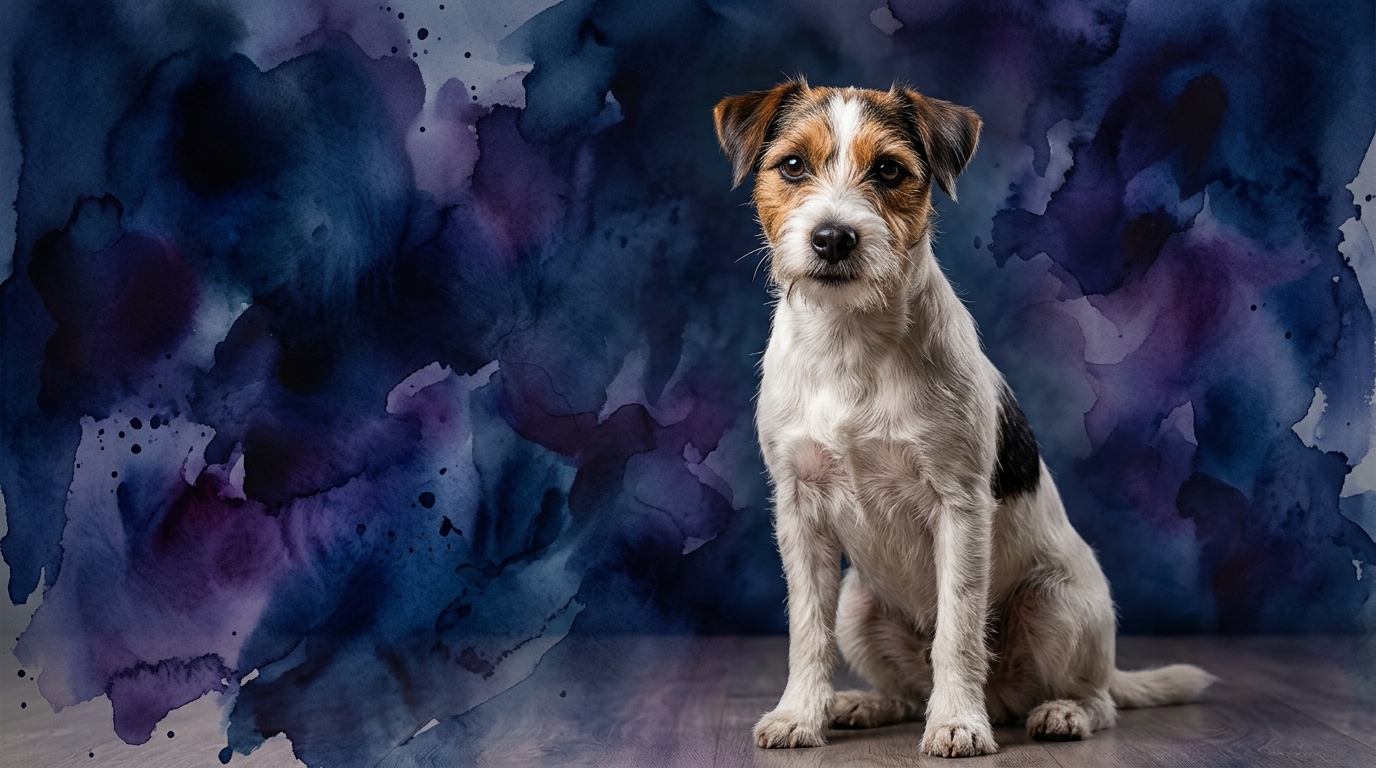
The Parson Russell Terrier, while not Coren-ranked, presents a distinct cognitive profile reflecting its tenacious terrier heritage. Its Problem Solving is rated 3/5, indicating a practical, often trial-and-error approach to challenges, particularly those involving physical manipulation or obstacle navigation. Training Speed, also 3/5, suggests it can learn effectively, though it may require more repetition or creative motivation compared to breeds with higher scores. Social Intelligence at 3/5 indicates a capacity to engage with human companions, though its independent nature can sometimes overshadow its responsiveness to subtle social cues. An Instinctive Drive of 3/5 is pronounced in its terrier traits – a strong urge to hunt, dig, and explore, which profoundly influences its daily behaviors and focus. Memory, rated 3/5, implies it retains information adequately, but might not recall complex, multi-step sequences as effortlessly as breeds with superior memory scores.
Where the Collie (Rough) Excels Cognitively
The Collie (Rough) demonstrates clear cognitive advantages, particularly in areas demanding structured learning and recall. Its 4/5 Problem Solving, coupled with an outstanding 5/5 Memory, allows it to master intricate command sequences and understand multi-step tasks with remarkable efficiency. This breed doesn't just learn a trick; it often grasps the *concept* behind the trick, enabling it to generalize its knowledge to novel, similar situations. For instance, a Collie might quickly learn a complex agility course, remembering the precise order of obstacles and handling cues after just a few repetitions, and then apply that spatial memory to a different course layout.
Furthermore, the Collie's 4/5 Training Speed and 3/5 Social Intelligence create a highly trainable and cooperative partner. They are adept at inferring human intentions and responding to subtle body language or verbal cues, making them exceptional candidates for obedience, rally, and companion work. Their herding background instills a desire for order and a willingness to work alongside a human handler, channeling their instinctive drive into productive, collaborative tasks rather than independent pursuits. This cognitive blend makes them particularly adept at tasks requiring precision and a stable temperament.
Distinct Cognitive Strengths of the Parson Russell Terrier
While the Parson Russell Terrier's overall scores might appear lower, its cognitive strengths are uniquely tailored to its historical purpose. Its 3/5 Problem Solving, combined with a 3/5 Instinctive Drive, manifests as a tenacious, independent approach to challenges. This terrier excels in practical, often physical problem-solving, such as figuring out how to retrieve a buried toy, navigate a complex scent trail, or outsmart a small critter. Their problem-solving isn't about elegant, collaborative solutions; it's about persistent, often single-minded, determination to achieve a goal, even if it requires repeated attempts or unconventional methods.
This breed exhibits a remarkable capacity for sustained, focused attention on a single task when driven by scent or prey instinct. Its cognitive process involves quick, reactive decision-making in unpredictable environments, often requiring independent thought rather than relying solely on human cues. This self-reliance and boldness are specific cognitive assets, allowing them to operate effectively without constant supervision in their working roles. Their 3/5 Memory, while not exceptional for complex sequences, is perfectly adequate for retaining practical skills and navigational routes vital to their independent hunting style.
Ease of Training: Collaboration vs. Independence
When it comes to ease of training, the Collie (Rough) generally holds a significant advantage due to its superior Training Speed (4/5) and Memory (5/5). They are quick to grasp new commands, eager to please, and retain learned behaviors over long periods. This means fewer repetitions are needed, and they are less likely to "forget" previously taught skills. Their social intelligence also makes them more attuned to a handler's wishes, fostering a smoother, more responsive training experience, particularly for complex obedience routines or service work requiring precision.
The Parson Russell Terrier, with its 3/5 Training Speed and 3/5 Memory, requires a more patient, creative, and consistent approach. While capable of learning, their independent nature and strong instinctive drive can sometimes make them appear less cooperative. Training a Parson often involves finding ways to channel their natural drive and problem-solving tenacity into desired behaviors, rather than relying solely on rote memorization. Handlers must understand that a Parson's "stubbornness" is often an expression of its independent thought and focus on its own perceived objectives, requiring engaging, reward-based methods to capture and maintain their attention.
Lifestyle Suitability: Active Engagement vs. Structured Partnership
For owners seeking an active, yet structured, partnership, the Collie (Rough) is often an ideal match. Its cognitive profile, marked by high memory and training speed, makes it excel in activities like competitive obedience, agility, rally, and even therapy work. They thrive on mental stimulation that involves learning new skills and working collaboratively with their owner. Owners who enjoy consistent training sessions, multi-step commands, and a dog that is highly responsive to direction will find the Collie's cognitive makeup perfectly aligned with their lifestyle.
The Parson Russell Terrier, conversely, suits owners who appreciate a dog with robust independent drive and are prepared for a high level of physical activity and engagement. Their cognitive strengths are best utilized in activities that cater to their hunting instincts, such as earthdog trials, scent work, or extensive outdoor exploration. Owners who embrace a dog's spirited independence, enjoy channeling tenacious energy, and can provide ample opportunities for physical and mental challenges that align with a terrier's natural inclinations will find the Parson a rewarding companion. They are not content with a relaxed, sedentary lifestyle; their minds and bodies demand purpose and stimulation.
The Verdict
Choose a Collie (Rough) if you desire a highly trainable, collaborative companion that thrives on structured learning and complex, precise tasks.
Opt for a Parson Russell Terrier if you appreciate an independent, tenacious dog whose cognitive strengths lie in persistent problem-solving and driven exploration.
🧠 Find Your Pet's IQ Score
Our Pet IQ Lab assessment covers 25+ tests across 5 cognitive dimensions — personalized to your breed.
Take the Full IQ Test →Frequently Asked Questions
Do Collie (Rough) dogs require a lot of mental stimulation?
Yes, Collies benefit greatly from consistent mental engagement. Their high memory and problem-solving abilities mean they thrive on learning new commands, participating in dog sports, and engaging in puzzles that challenge their intellect, preventing boredom and promoting well-being.
Is the Parson Russell Terrier difficult to train due to its independence?
The Parson Russell Terrier can be more challenging to train than some breeds due to its strong independent drive and focus on instinctive behaviors. However, with consistent, positive reinforcement, engaging methods, and a clear understanding of their terrier nature, they are capable learners.
Which breed is better for a first-time dog owner?
A Collie (Rough) is generally a more forgiving choice for a first-time dog owner due to its higher trainability, eagerness to please, and responsiveness. The Parson Russell Terrier's independent nature and strong instincts require a more experienced handler who can consistently channel its energy and drive.