Side-by-Side IQ Profile
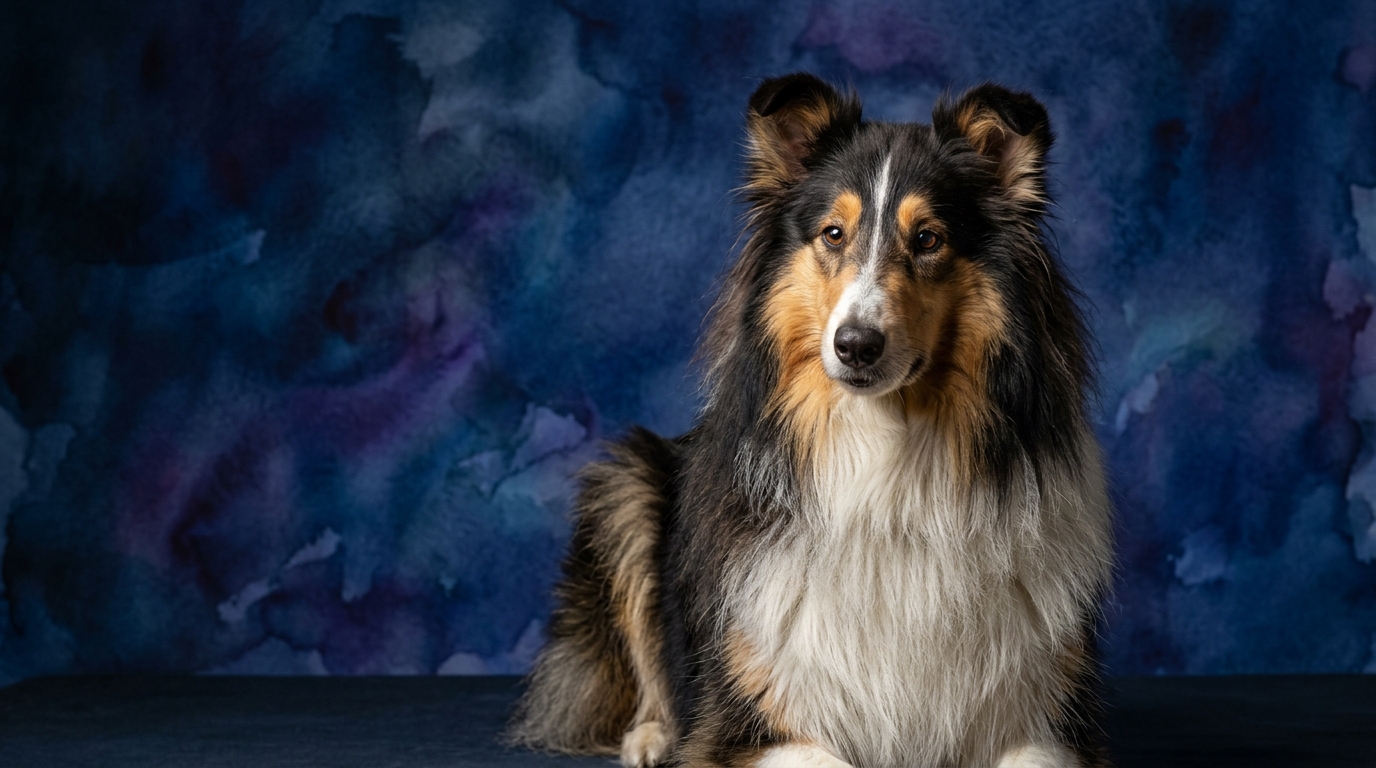
**Collie (Rough):** This breed, ranked #16 by Coren, demonstrates a sophisticated cognitive structure. Their **Problem Solving (4/5)** capacity means they often figure out novel situations, whether it's navigating complex herding patterns or deciphering household puzzles. They adapt and apply learned behaviors to new challenges with considerable success. Their **Training Speed (4/5)** is high, indicating a quick grasp of new commands and routines, forming associations rapidly. **Social Intelligence (3/5)** allows them to understand human cues and integrate well into family dynamics, interpreting subtle social signals effectively. Their **Instinctive Drive (3/5)** manifests as an inclination to gather and manage, contributing to an organized approach to tasks. A standout trait is their **Memory (5/5)**; they retain commands, routines, and experiences over long periods, making them highly reliable.
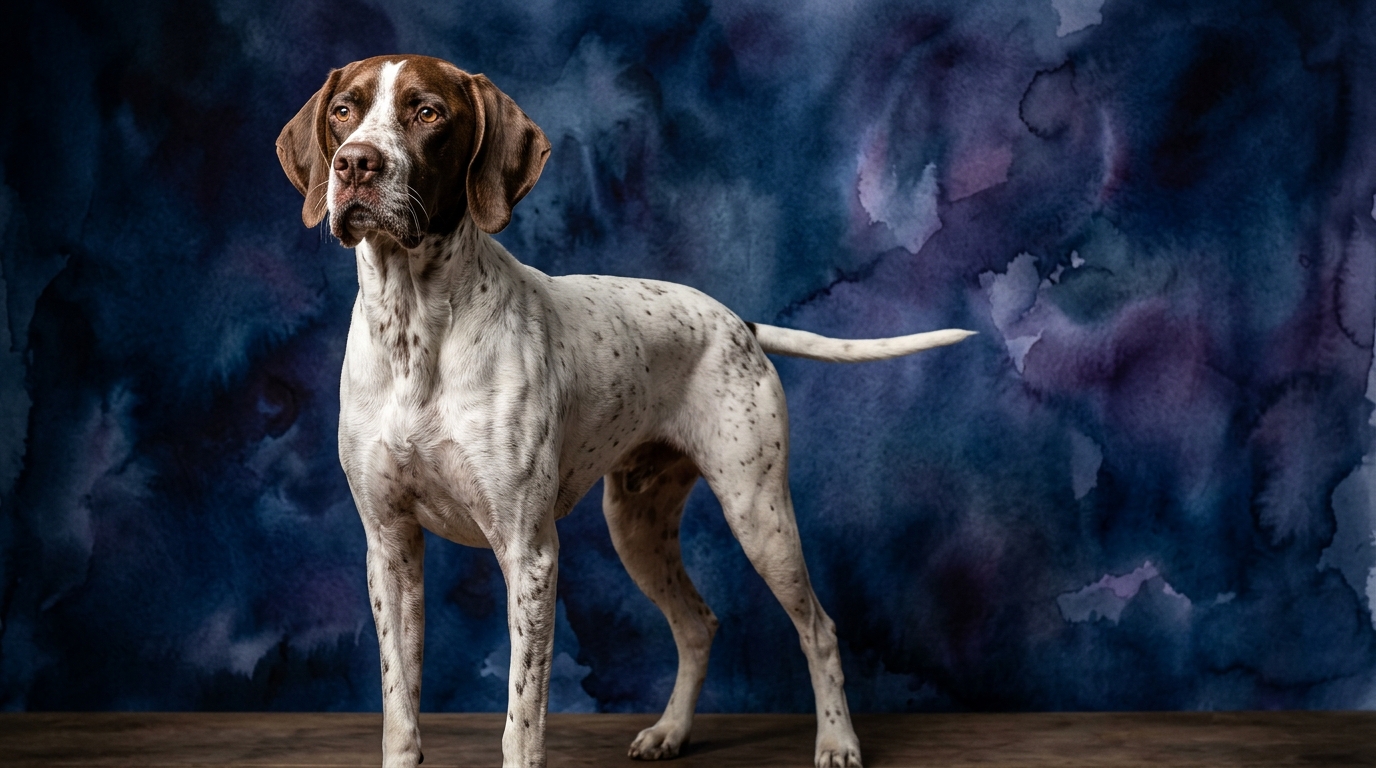
**Pointer:** While not Coren-ranked, the Pointer possesses a cognitive profile optimized for its sporting heritage. Their **Problem Solving (3/5)** skills are adequate, particularly when tasks relate to hunting. They can learn to overcome obstacles, though their approach might be more direct than multi-step. **Training Speed (3/5)** is steady; they respond well to consistent training, requiring clear, repetitive instruction to solidify new behaviors. **Social Intelligence (3/5)** enables them to bond with families and understand basic human interactions, generally being amiable and eager to please. The Pointer's **Instinctive Drive (3/5)** is strongly geared towards scent work and pointing behaviors, a powerful motivator focusing their attention intensely on field-related tasks. Their **Memory (3/5)** is functional, serving them well in recalling learned commands and hunting patterns, sufficient for their tasks but not exceptional.
Where Collie (Rough) Wins Cognitively
The Collie (Rough) consistently demonstrates an advantage in areas demanding advanced cognitive processing, particularly in problem-solving and memory. Their Problem Solving score of 4/5 indicates a breed that actively works through challenges, often devising solutions beyond simple trial-and-error. This manifests in their ability to understand complex sequences, such as navigating an agility course or adapting a learned behavior to a slightly different context without extensive re-training. This inherent capacity to analyze situations and make independent decisions, honed by centuries of herding work, allows them to excel in dynamic environments where quick thinking is paramount.
Furthermore, the Collie (Rough)'s perfect 5/5 score in Memory is a significant cognitive strength. This translates to an enduring retention of commands, routines, and past experiences. Once a behavior or a complex chain of commands is taught, it is deeply ingrained, requiring less frequent refreshing than for many other breeds. This strong memory contributes directly to their training speed and overall reliability, as they can consistently recall and execute tasks even after long periods. For owners seeking a companion that truly "remembers" its training and can build upon a foundation of learned knowledge, the Collie (Rough)'s cognitive architecture provides a distinct advantage, making them excellent candidates for advanced obedience or therapy work.
Where Pointer Wins Cognitively
While the Pointer's overall IQ scores may not reach the peaks of the Collie (Rough) in every category, their cognitive profile is uniquely optimized for their specific purpose, showcasing a specialized intellect. The Pointer's instinctive drive, rated at 3/5, is intensely focused and channeled towards scent detection and the characteristic "point" behavior. This isn't just a physical action; it involves a sophisticated cognitive process of sustained attention, selective filtering of environmental stimuli, and an unwavering commitment to a detected scent. Their problem-solving, though rated 3/5, shines brightest when it involves overcoming obstacles to locate quarry or navigating challenging terrain while maintaining focus on a scent trail. This specialized form of problem-solving is less about abstract puzzles and more about practical application within a demanding field environment.
The Pointer's cognitive strength lies in its ability to maintain intense, single-minded focus over extended periods, a trait invaluable for their sporting role. While their memory score is 3/5, this is often sufficient for recalling hunting patterns and specific field commands. Their intellect is geared towards efficiency in their primary task: locating game with precision and holding a steady point. This requires a different set of cognitive priorities than a herding dog's need for complex pattern recognition and independent decision-making. For owners who value a dog with unparalleled dedication to a specific task, a tenacious drive, and the capacity for sustained, focused effort, the Pointer's cognitive design is a clear advantage, demonstrating a specialized intelligence perfectly aligned with its heritage.
Which is Easier to Train and Why
When evaluating ease of training, the Collie (Rough) generally holds an edge due to its higher scores in both Problem Solving (4/5) and Training Speed (4/5). These cognitive attributes mean the Collie (Rough) not only grasps new concepts quickly but also understands the underlying "why" of a command more readily. They are adept at generalizing learned behaviors, meaning a command taught in one environment is easily applied in another. Their robust memory (5/5) further solidifies their trainability; once a command is learned, it tends to stick, reducing the need for constant repetition and refresher sessions. This breed often thrives on mental engagement, actively seeking to understand and comply, making them highly responsive to positive reinforcement and eager to participate in training exercises.
The Pointer, with 3/5 in both Problem Solving and Training Speed, requires a more consistent and structured approach to training. While capable of learning, they may take more repetitions to solidify a command and might be less inclined to generalize behaviors without specific guidance. Their strong instinctive drive, while excellent for field work, can sometimes make initial training challenging if not properly channeled. A Pointer might be more easily distracted by scents or movement, requiring trainers to be patient, persistent, and to make training sessions engaging and relevant to their natural drives. Therefore, an owner seeking a dog that picks up cues with minimal effort will likely find the Collie (Rough) a more straightforward training partner.
Which Suits Active Owners vs Relaxed Owners
For active owners seeking a canine partner for diverse activities, the Collie (Rough) offers a compelling blend of mental and physical engagement. Their higher problem-solving and memory scores mean they thrive on varied tasks that challenge their intellect, from advanced obedience and agility to rally and even scent work. They possess a moderate instinctive drive (3/5) that, while rooted in herding, translates into a desire for purpose and structure, making them excellent companions for owners who enjoy consistent training and mental stimulation. While they appreciate regular exercise, their energy levels are generally manageable, adapting well to a family lifestyle that includes daily walks, play, and brain games. They require an owner committed to providing consistent mental enrichment to prevent boredom and channel their cognitive capabilities productively.
The Pointer, on the other hand, is an ideal match for highly active owners, particularly those involved in outdoor pursuits or dog sports that leverage their specialized instincts. Their instinctive drive (3/5) is intensely focused on field work, meaning they possess a deep-seated need to run, explore, and follow scents. While their problem-solving and training speed are moderate, their stamina and endurance are considerable, requiring substantial physical exercise to be content. A Pointer will excel with an owner who can provide outlets for their natural drive, whether that's hunting, long hikes, or participation in field trials. For a more relaxed owner, a Pointer's unmet physical and mental needs can manifest as restlessness or destructive behaviors. They need a lifestyle that embraces their athletic build and their innate desire to work and explore.
The Verdict
Opt for a Collie (Rough) if you desire a companion that excels in complex tasks, retains information exceptionally well, and thrives on intellectual challenges within a structured family environment.
Select a Pointer if you are a highly active individual or family seeking a dedicated, energetic partner for extensive outdoor adventures, field sports, and relish working with a dog whose drive is intensely focused on scent and pursuit.
🧠 Find Your Pet's IQ Score
Our Pet IQ Lab assessment covers 25+ tests across 5 cognitive dimensions — personalized to your breed.
Take the Full IQ Test →Frequently Asked Questions
Does Coren's ranking mean the Collie (Rough) is definitively "smarter" than the Pointer?
Coren's ranking primarily assesses "working and obedience intelligence," focusing on trainability and command comprehension. While the Collie (Rough)'s #16 rank indicates superior performance in these specific areas, the Pointer's specialized cognitive strengths for field work might not be fully captured by this metric.
How do their social intelligence scores (3/5 for both) impact their family life?
A 3/5 social intelligence score for both breeds suggests they are capable of forming strong bonds and understanding basic human cues, making them good family companions. Neither breed is typically aloof, but they might not exhibit the extreme sensitivity to subtle emotional shifts that some other breeds are noted for.
Can a Pointer be a good family pet despite its strong drive?
Absolutely, a Pointer can be a devoted family pet, but their strong instinctive drive means they require significant daily exercise and mental stimulation to prevent boredom and channel their energy constructively. With proper outlets for their drive, they are affectionate and loyal companions.