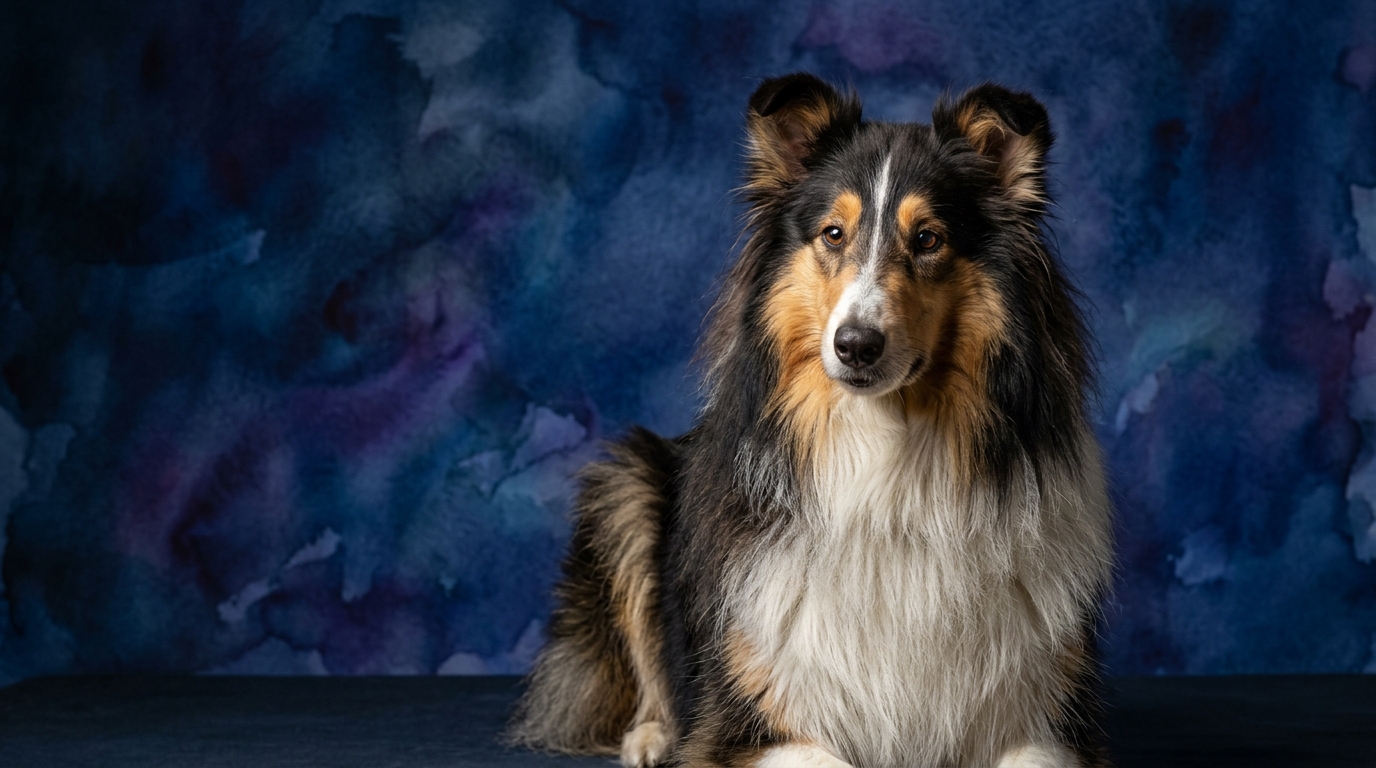
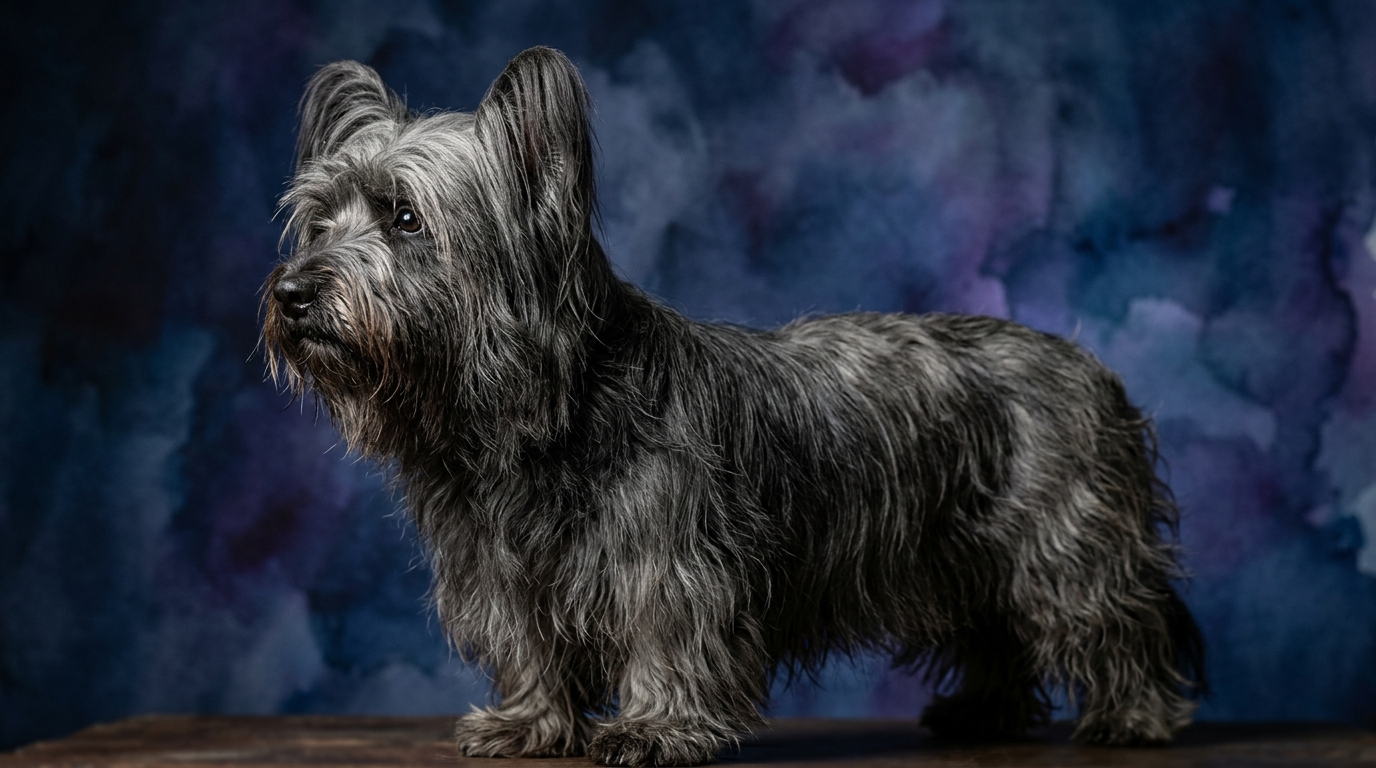
Side-by-Side IQ Profile: Collie (Rough) vs. Skye Terrier
The Collie (Rough) demonstrates a strong cognitive profile, particularly in practical application and recall. Their Problem Solving (4/5) reflects their herding heritage, where independent decision-making is key to managing flocks, translating to an ability to navigate novel situations or complex tasks with thoughtful strategies. This is coupled with an impressive Training Speed (4/5), meaning they grasp new commands and routines efficiently, eager to engage with their human partners. A standout characteristic is their exceptional Memory (5/5), allowing them to retain vast amounts of learned information, from commands to household routines, with remarkable accuracy over time.
While possessing a moderate Social Intelligence (3/5), Collies form deep bonds and can interpret human moods, though their social cues might require more explicit signals. Their Instinctive Drive (3/5) manifests as a controlled herding impulse, often seen as a gentle watchfulness over their family, rather than an overwhelming urge.
The Skye Terrier presents a different intellectual texture, marked by tenacity and independent thought. Their Problem Solving (3/5) is more pragmatic; they approach challenges with persistence, often relying on direct methods rather than intricate planning, a trait honed by their history as a determined hunter. This independence also influences their Training Speed (3/5), suggesting they learn at a moderate pace, often requiring consistent motivation and varied techniques to solidify commands. Their Memory (3/5) is also moderate, meaning regular reinforcement is beneficial to maintain sharp recall of learned behaviors.
Like the Collie, Skye Terriers show a moderate Social Intelligence (3/5), forming intense loyalties within their chosen family, though they can be more reserved with strangers. Their Instinctive Drive (3/5) is distinctly terrier, primarily a prey drive, which fuels their interest in chasing and exploring, requiring thoughtful management in a home setting.
In summary, the Collie (Rough) generally outscores the Skye Terrier in Problem Solving, Training Speed, and significantly in Memory, suggesting a more readily adaptable and cooperative learner. Both breeds share similar scores in Social Intelligence and Instinctive Drive, but these manifest in distinct ways reflecting their breed histories.
Where Collie (Rough) Wins Cognitively
The Collie (Rough) showcases clear cognitive advantages, particularly in areas demanding adaptability and retention. Their superior Problem Solving score of 4/5 means they are more adept at analyzing novel situations and devising effective strategies, whether it's navigating a complex agility course or figuring out how to retrieve a toy from a tricky spot. This proactive approach to challenges sets them apart. Furthermore, their exceptional Memory, scoring a perfect 5/5, is a significant asset. This allows them to retain a vast repertoire of commands, remember past training sessions with remarkable accuracy, and recall routines, making them highly reliable companions who rarely forget what they've learned. This strong memory also contributes to their consistent performance in tasks and obedience, requiring less frequent refreshers than breeds with lower memory capacities.
Where Skye Terrier Wins Cognitively
While the Collie (Rough) holds higher scores in several cognitive domains, the Skye Terrier's unique cognitive makeup, particularly its 3/5 scores in Social Intelligence and Instinctive Drive, alongside its moderate Problem Solving, presents a different kind of strength. The Skye's moderate instinctive drive, rooted in its history as a badger and fox hunter, translates into a tenacious focus when pursuing a task it deems worthwhile. This isn't necessarily about outsmarting, but out-persisting. When a Skye Terrier decides on a course of action, often driven by scent or a perceived 'prey,' its determination can be unwavering. This focus, while sometimes challenging to redirect, means they can apply themselves with singular intensity to a goal, a trait that can be channeled into specific scent work or focused problem-solving tasks if the motivation is high enough. Their moderate social intelligence also means they are selective in their bonds, leading to intense loyalty and a deep, nuanced understanding of their chosen few, rather than broader social acumen.
Which is Easier to Train and Why
Considering their cognitive scores, the Collie (Rough) typically offers an easier training experience than the Skye Terrier. The Collie's 4/5 Training Speed means they quickly grasp and retain new commands, often eager to please and respond to positive reinforcement. Their 5/5 Memory ensures learned behaviors are long-lasting, reducing the need for constant refreshers. Conversely, the Skye Terrier's 3/5 Training Speed indicates a more deliberate learning pace. Their independent terrier nature means they might require more patience, creative motivation, and consistent repetition. While capable of learning, a Skye might challenge instructions or require stronger incentives, reflecting their historical role as independent workers rather than eager followers.
Which Suits Active Owners vs. Relaxed Owners
For active owners seeking a dog for structured activities and mental challenges, the Collie (Rough) is an excellent match. Their high problem-solving and memory scores, combined with a desire to engage, make them ideal for obedience, agility, or long, stimulating walks. They thrive on having a 'job.' More relaxed owners might find the Skye Terrier a better fit. While not sedentary, their moderate activity needs and independent spirit mean they appreciate comfortable companionship, shorter bursts of activity, and focused sniffing walks. They offer loyalty without constantly demanding human-directed tasks, suiting those who value a less 'busy' but still engaging companion.
The Verdict
Choose the Collie (Rough) if you desire a highly trainable, intelligent companion who excels in learning and retention, thrives on mental engagement, and is eager to participate in various structured activities with you.
Choose the Skye Terrier if you appreciate an independent, loyal companion with a moderate activity level, a tenacious spirit, and are prepared to engage with its unique terrier personality and training approach.
🧠 Find Your Pet's IQ Score
Our Pet IQ Lab assessment covers 25+ tests across 5 cognitive dimensions — personalized to your breed.
Take the Full IQ Test →Frequently Asked Questions
Is the Collie (Rough) always easy to train, given its high training speed score?
While Collies generally learn quickly (4/5 Training Speed), 'easy' is relative. They still require consistent positive reinforcement, clear communication, and engaging training sessions to truly thrive and avoid boredom. Their intelligence means they can pick up bad habits just as quickly as good ones if not guided properly.
What kind of mental stimulation does a Skye Terrier need to stay happy?
Skye Terriers benefit from activities that engage their senses and moderate problem-solving abilities. Scent games, puzzle toys, and short, focused training sessions that appeal to their independent nature are excellent. Regular walks where they can explore and sniff are also crucial for their mental well-being.
How do the instinctive drives of these two breeds differ in daily life?
The Collie's 3/5 instinctive drive often manifests as a gentle herding instinct, such as nudging family members or keeping an eye on them. The Skye Terrier's 3/5 instinctive drive, being a terrier, is more focused on prey drive, meaning they might be highly interested in chasing small animals or exploring tunnels and dens, requiring secure fencing and leash management.