Side-by-Side IQ Profile
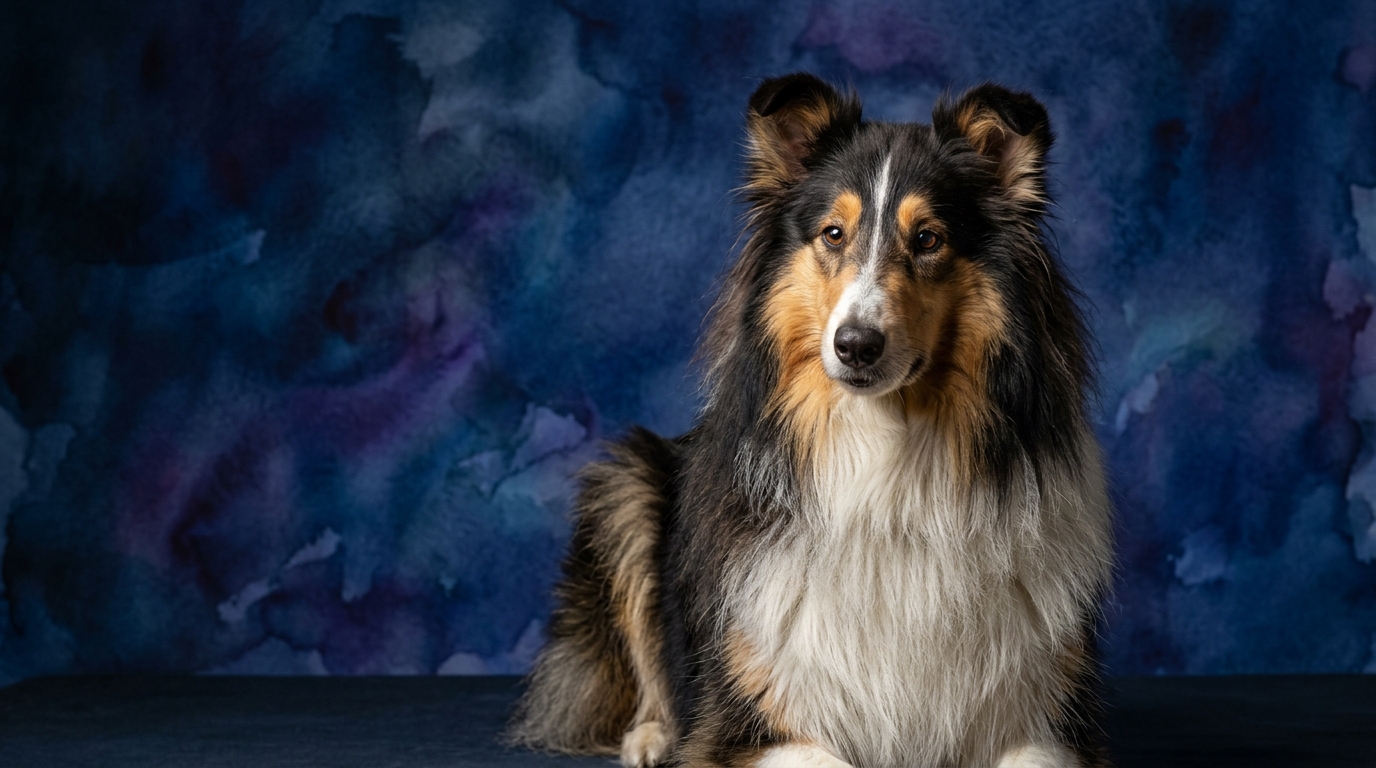
The Cosmic Pet Pet IQ Lab provides a nuanced look at canine cognitive strengths across five dimensions. For the Collie (Rough), ranked #16 by Coren, their profile includes Problem Solving 4/5, Training Speed 4/5, Social Intelligence 3/5, Instinctive Drive 3/5, and an outstanding Memory 5/5. This suggests a dog with strong independent thought, quick learning ability, a discerning social nature primarily focused on their family, a moderate herding instinct, and exceptional recall for learned information and past experiences.
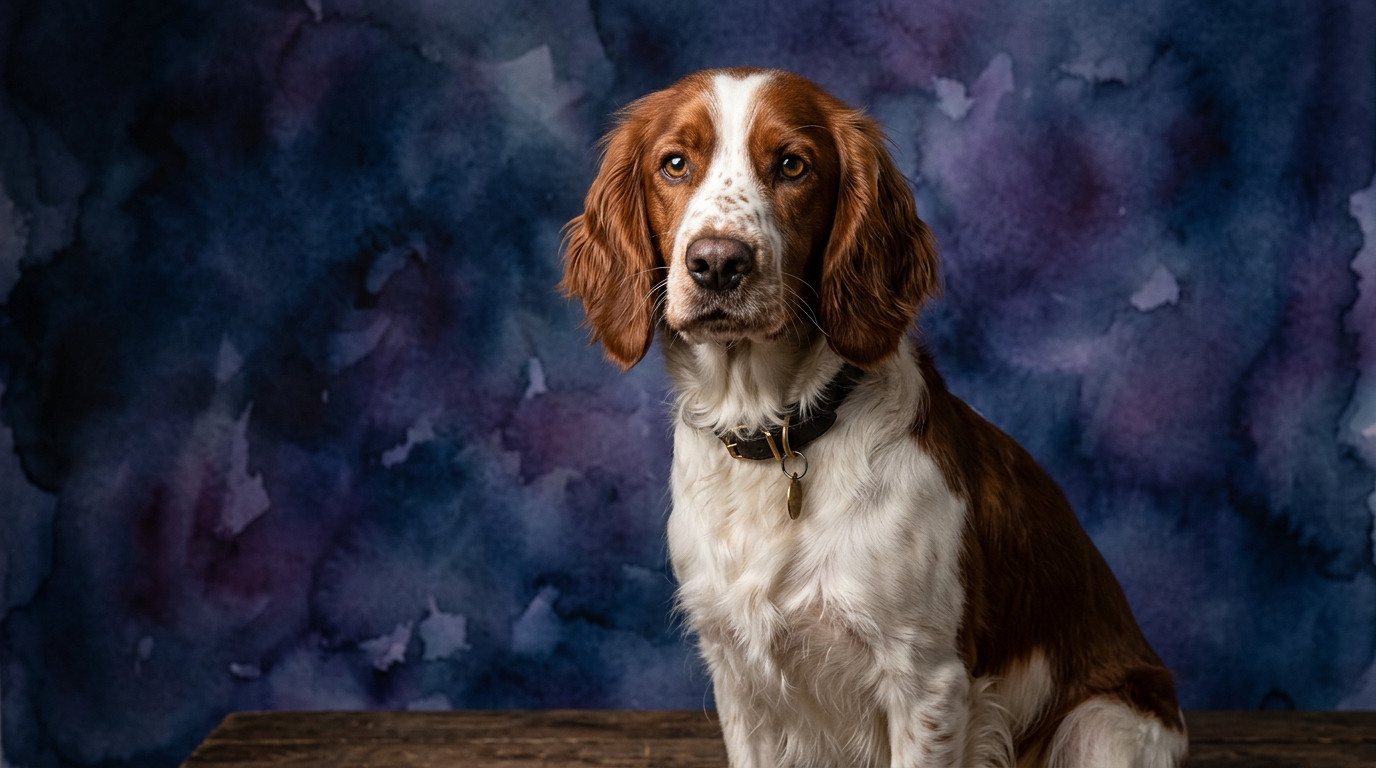
In contrast, the Welsh Springer Spaniel, ranked #31 by Coren, shares several scores: Problem Solving 4/5, Training Speed 4/5, Social Intelligence 3/5, and Instinctive Drive 3/5. Their Memory score is 4/5. This profile indicates a dog equally adept at practical problem-solving and rapid learning, possessing a sociable disposition, a moderate hunting drive, and a very good, though not quite perfect, capacity for retaining information.
Where Collie (Rough) Wins Cognitively
The Collie (Rough) clearly stands out with its perfect 5/5 score in Memory, surpassing the Welsh Springer Spaniel's still commendable 4/5. This superior recall means that a Collie, once taught a command or routine, establishes a deep, enduring cognitive imprint. They are less likely to 'forget' complex sequences or specific details over time, making them exceptionally consistent companions. For instance, a Collie might remember an intricate agility course layout after a long break, or precisely recall the location of an object weeks later, demonstrating a remarkable capacity for long-term retention. This cognitive advantage makes them highly reliable in tasks requiring consistent execution of previously learned behaviors and reinforces their historical role where remembering flock patterns and boundaries was crucial.
Where Welsh Springer Spaniel Wins Cognitively
While direct numerical wins are few, the Welsh Springer Spaniel's cognitive strengths shine uniquely in the application of their problem-solving and instinctive drive, both rated 3/5 and 4/5 respectively, mirroring the Collie. However, the *nature* of these drives for the Welsh Springer is rooted in active, sensory engagement with their environment, particularly through scent work and retrieving. Their problem-solving often involves navigating varied terrains, deciphering complex scent trails, and overcoming physical obstacles to achieve a goal, such as finding a hidden retrieve dummy. This practical, persistent form of problem-solving, coupled with their enthusiastic social intelligence, gives them an edge in dynamic outdoor challenges. They might excel at figuring out how to access a ball stuck under a bush or meticulously tracking a scent through a cluttered field, showcasing a tenacious and adaptable mental approach to their environment.
Which is Easier to Train and Why
Both the Collie (Rough) and the Welsh Springer Spaniel boast an impressive Training Speed of 4/5, indicating quick acquisition of new commands. However, the Collie's exceptional Memory (5/5) means that once a behavior is learned, it is deeply embedded and requires fewer refreshers, leading to highly reliable and consistent performance over time. Collies tend to be sensitive and responsive to subtle cues, often striving for precision and correctness, which makes them highly receptive to advanced obedience and intricate tasks. Their training benefits from clear communication and leveraging their desire for order and cooperation within their family unit, allowing them to quickly build upon established patterns.
The Welsh Springer Spaniel, while also a rapid learner (4/5 Training Speed), might require more engaging and varied training sessions to maintain focus, especially given their instinctive drive (3/5) towards exploration and scent work. Their enthusiasm can sometimes lead to momentary distractions when an interesting scent or movement presents itself, meaning a handler needs to be skilled at redirection and making training fun. They thrive on positive reinforcement and activity-based learning that taps into their natural zest for life and desire for interaction. While equally quick to grasp concepts, a Welsh Springer's training regimen might benefit from more consistent, playful reinforcement to ensure long-term precision, as opposed to the Collie's more ingrained recall.
Which Suits Active Owners vs Relaxed Owners
For active owners, the Welsh Springer Spaniel is a superb match. Their sporting heritage and enthusiastic nature make them ideal companions for outdoor adventures like hiking, running, field work, or dog sports such as agility and scent detection. Their instinctive drive, while rated 3/5, translates into a keen desire to explore and actively engage with their surroundings, making them tireless partners for physical and mental stimulation that involves movement and problem-solving in dynamic environments. A Welsh Springer will eagerly participate in long walks, retrieve with boundless energy, and thrive when given a 'job' that taps into their natural instincts for scent and pursuit, demanding consistent physical outlets.
The Collie (Rough), while also appreciating regular exercise, often suits active owners who prefer more structured activities or pursuits emphasizing mental acuity and companionship over relentless physical exertion. Their herding background instills a desire for purpose, which can be fulfilled through advanced obedience, rally, or even therapy work, where their social intelligence (3/5) and exceptional memory (5/5) shine. They are content with daily walks and opportunities for interactive play, but their energy is often channeled into monitoring their family and participating in games that challenge their problem-solving (4/5) abilities. While they can certainly keep up on a hike, a Collie might be equally content with a vigorous game of fetch followed by a quiet evening indoors, making them suitable for active owners who also value periods of calm companionship. For more relaxed owners, a Collie might adapt better to a less intense activity schedule, provided they receive consistent mental engagement, whereas a Welsh Springer would likely become restless without ample physical outlet.
The Verdict
Choose the Collie (Rough) if you prioritize a companion with exceptional long-term memory and a profound desire for structured interaction and reliable obedience, thriving on mental challenges and a strong family bond. They are ideal for owners who appreciate a dog that quickly masters complex routines and offers consistent companionship once trained.
Opt for the Welsh Springer Spaniel if you seek an energetic partner for outdoor adventures, field activities, or dog sports, valuing their keen problem-solving in dynamic environments and their enthusiastic, adaptable nature. They are best suited for active owners who can provide ample physical and mental stimulation that taps into their sporting instincts.
🧠 Find Your Pet's IQ Score
Our Pet IQ Lab assessment covers 25+ tests across 5 cognitive dimensions — personalized to your breed.
Take the Full IQ Test →Frequently Asked Questions
Are Collie (Rough) and Welsh Springer Spaniel good for first-time dog owners?
Both breeds possess a training speed of 4/5, making them relatively quick learners. The Collie's sensitivity and memory can make them easier to guide with consistent, positive methods, while the Welsh Springer's enthusiasm benefits from engaging, varied training to maintain focus. A committed first-time owner who researches breed-specific needs and is prepared for consistent training can succeed with either.
Do these breeds require a lot of grooming?
Yes, both breeds have coats that require regular attention. The Collie (Rough) has a long, dense double coat that needs frequent brushing (2-3 times a week) to prevent mats and reduce shedding. The Welsh Springer Spaniel has a medium-length coat with feathering that also benefits from regular brushing (several times a week) to keep it free of tangles and debris, especially after outdoor activities.
How do their social intelligence scores of 3/5 compare in real-world interactions?
While both score 3/5, their social expressions differ. The Collie's social intelligence often manifests as a deep, protective bond with their immediate family, showing reservation towards strangers. The Welsh Springer, though also bonding deeply, tends to be more overtly friendly and outgoing with new people and dogs, driven by their enthusiastic and sociable nature, though still requiring proper socialization to channel this energy appropriately.