Side-by-Side IQ Profile: Herding Brains vs. Terrier Tenacity
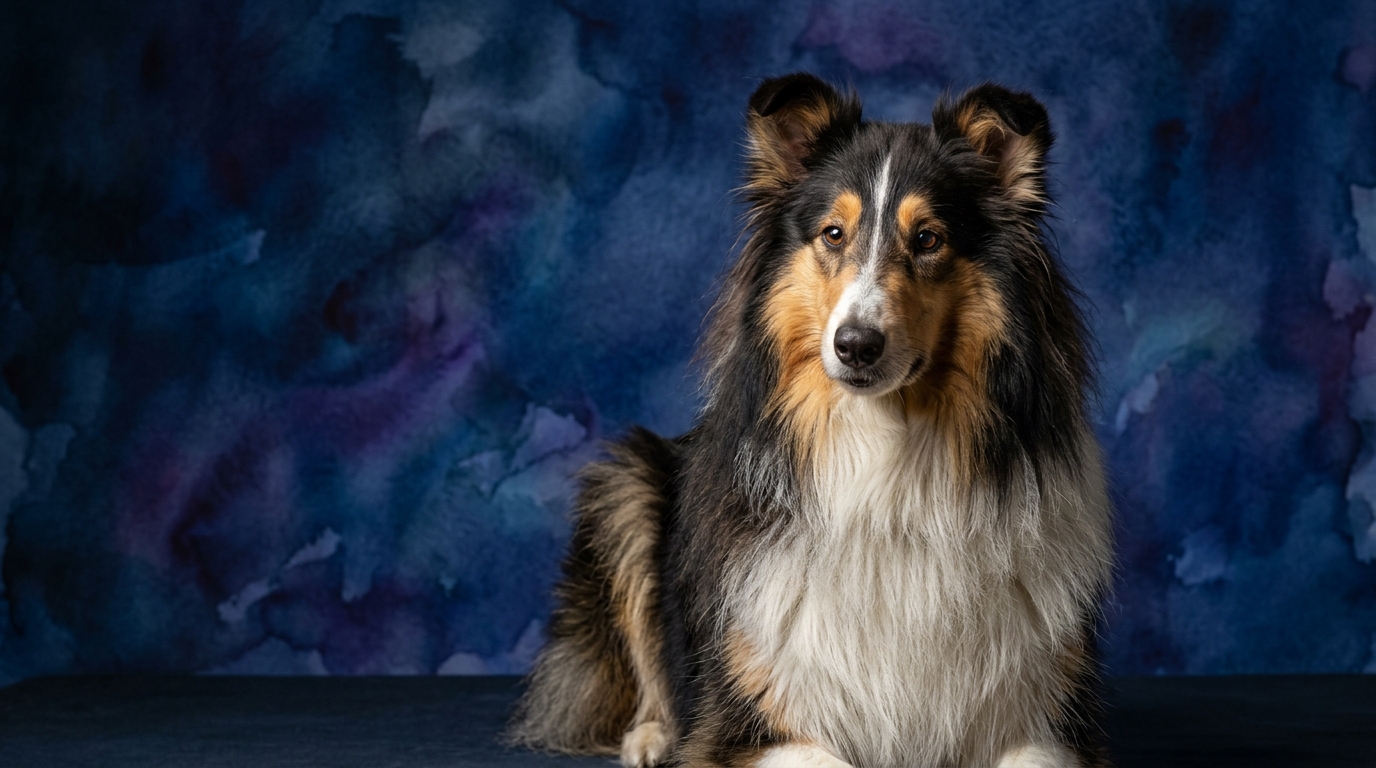
The Cosmic Pet Pet IQ Lab employs five dimensions to map canine intelligence, providing a detailed lens through which to understand each breed's cognitive architecture. For the Collie (Rough), ranked #16 by Coren for working intelligence, these dimensions paint a picture of a highly capable and responsive companion. Their Problem Solving is rated 4/5, reflecting an ability to grasp complex tasks, understand consequences, and adapt strategies in dynamic environments, mirroring their herding origins. Training Speed, also 4/5, indicates they learn new commands and routines quickly, often with minimal repetition. Social Intelligence stands at 3/5, meaning they are generally attuned to human cues and social dynamics, forming strong bonds without being overly dependent. Instinctive Drive, at 3/5, speaks to their inherent herding tendencies, which are present but typically manageable and channelable. Finally, their Memory is exceptional at 5/5, allowing them to recall a vast repertoire of commands, routines, and experiences over long periods, making them incredibly reliable.
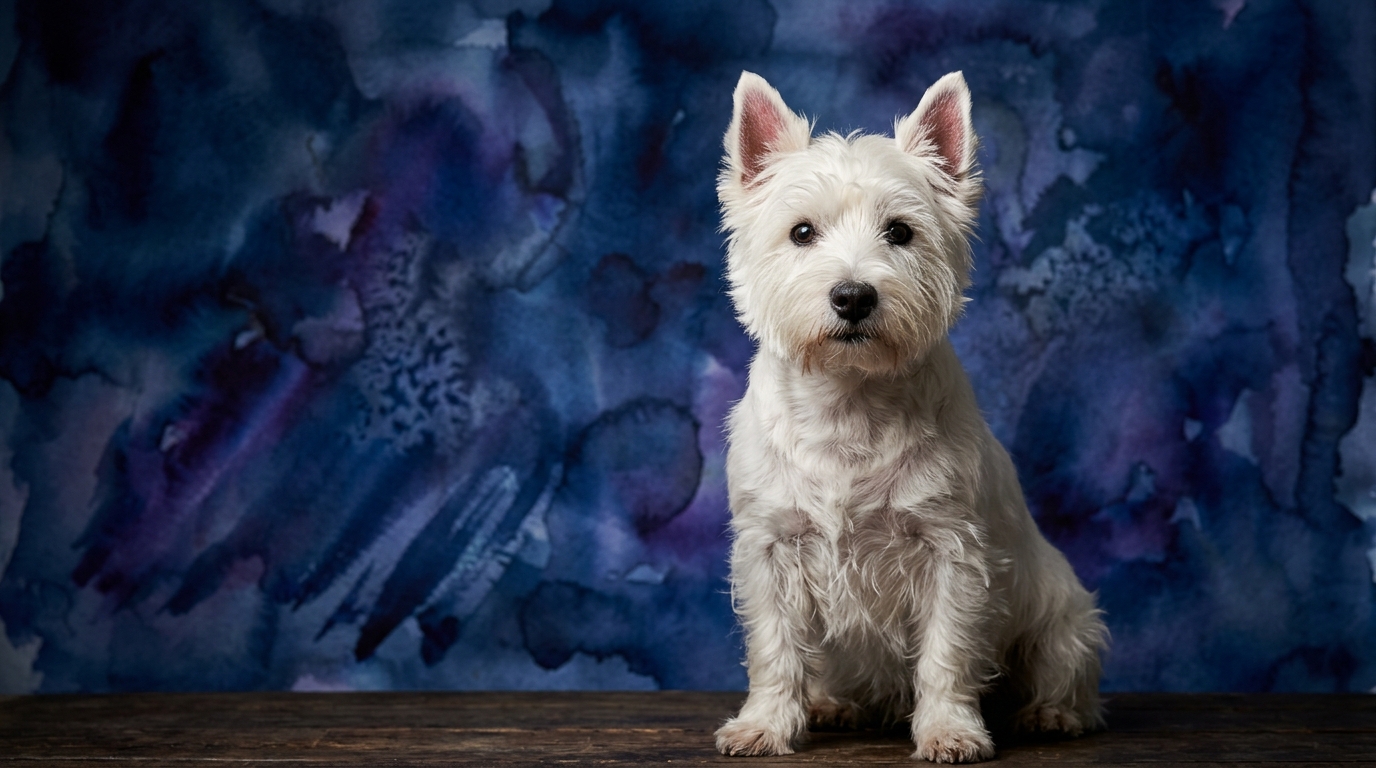
In contrast, the West Highland White Terrier, with a Coren ranking of #47, demonstrates a different set of cognitive strengths, honed by their history as independent vermin hunters. Their Problem Solving is rated 3/5, reflecting an ability to independently strategize to overcome obstacles, often with a tenacious focus on a self-motivated goal. Training Speed, also 3/5, suggests they are capable learners but may require more patience and creative motivation due to their independent streak. Social Intelligence is 3/5, indicating they are personable and engaging, yet possess a notable self-assuredness. Instinctive Drive, at 3/5, manifests as a strong prey drive and a desire to dig and explore, a core aspect of their terrier nature. Their Memory is rated 4/5, a solid capacity for retaining information, particularly routines and successful strategies for their own pursuits.
Where the Collie (Rough) Wins Cognitively
The Collie (Rough) demonstrates clear cognitive advantages in areas demanding systematic learning, retention, and complex task execution. Their superior Problem Solving (4/5 versus Westie’s 3/5) allows them to excel at multi-step commands and understand abstract concepts, such as navigating an agility course or performing intricate obedience routines. This capacity for strategic thinking enables them to process information and adapt their behavior based on a broader understanding of a situation, making them excellent partners for advanced training and cooperative work.
Furthermore, the Collie’s outstanding Memory (5/5 versus Westie’s 4/5) is a significant cognitive asset. They can absorb and recall a vast number of commands, associate specific actions with desired outcomes over long periods, and remember past scenarios with remarkable detail. This robust memory contributes directly to their consistency in performance and their ability to build upon previous learning experiences, making them highly predictable and reliable companions in structured environments. For owners seeking a dog capable of mastering a wide array of skills and retaining them for life, the Collie’s memory provides an unparalleled foundation.
Where the West Highland White Terrier Wins Cognitively
While the Westie’s numerical scores may be lower in some dimensions, their cognitive strengths shine in areas demanding independent thought, tenacity, and specialized problem-solving tailored to their historical role. Their Problem Solving (3/5) is characterized by a persistent, self-directed approach to challenges. They excel at figuring out how to access desired objects or navigate confined spaces, often employing clever, resourceful strategies driven by curiosity or prey instinct. This isn't about solving complex human puzzles, but about effectively solving *their* kind of puzzles, demonstrating a robust internal drive to overcome obstacles.
The Westie's Instinctive Drive (3/5), though numerically equal, manifests as a powerful, focused intensity specific to seeking and engaging targets. This drive translates into a keen environmental awareness, superior scent detection abilities, and the cognitive agility to react swiftly and decisively. This specialized intelligence allows them to operate with impressive autonomy, requiring less direct human oversight when pursuing a goal. Their Social Intelligence (3/5) also presents a unique advantage: a self-assured independence. Westies are confident in their own decisions and less reliant on constant human reassurance or direction, which can be a cognitive 'win' for owners who appreciate a dog with a strong, self-possessed personality capable of navigating its world with conviction.
Which is Easier to Train and Why
When considering ease of training, the Collie (Rough) generally holds an advantage due to its higher Training Speed (4/5) and exceptional Memory (5/5). Collies are eager to please and quick to grasp new concepts, often requiring only a few repetitions before a command is mastered. Their robust memory ensures that once learned, commands are retained consistently, making training sessions productive and less prone to regression. They thrive on positive reinforcement and enjoy the mental engagement that comes with learning, often viewing training as a collaborative activity with their human. Their herding background predisposes them to listen and respond to directives, making them highly receptive students.
The West Highland White Terrier, with a Training Speed of 3/5, can certainly be trained, but it often requires more patience, consistency, and a deeper understanding of their independent nature. Westies are intelligent, but their strong instinctive drives and self-assured personalities mean they might weigh the immediate reward against their own desires. They might understand a command but choose not to execute it if something more interesting captures their attention. Training a Westie often involves making the desired behavior more appealing than their natural inclinations, requiring creative motivation and a firm but gentle hand. While they remember what they've learned (Memory 4/5), their application of that learning can be more selective, making them a rewarding challenge for owners who enjoy a dog with a strong will.
Which Suits Active Owners vs. Relaxed Owners
The choice between a Collie (Rough) and a West Highland White Terrier often hinges on an owner’s lifestyle and willingness to engage with their dog’s specific needs. The Collie, with its herding heritage and high cognitive capacity, generally suits more active owners. They thrive on regular, structured exercise that includes mental stimulation, such as long walks, runs, or engaging in dog sports like agility, obedience, or even herding trials. Their cognitive abilities are best utilized when given tasks to perform and problems to solve, making them ideal for owners who enjoy consistent training and an active, collaborative partnership. A relaxed owner who provides minimal structured activity might find a Collie becomes bored or develops undesirable behaviors due to unmet mental and physical needs.
The West Highland White Terrier, while not a couch potato, can adapt to a slightly more relaxed owner, provided their specific needs for bursts of activity and mental engagement are met. They don't typically require the sustained, structured exercise of a Collie, but they do need outlets for their terrier energy, which includes vigorous play, short bursts of running, and opportunities to dig (even if in a designated area) or explore safely. Their independent problem-solving skills mean they can entertain themselves to a degree, but they still benefit from interactive games and consistent, engaging training to prevent boredom. A relaxed owner who understands and channels the Westie's tenacious spirit through short, focused activities rather than long, demanding hikes can find a wonderful companion.
The Verdict
The Collie (Rough) is an exceptional choice for owners seeking a highly trainable, responsive companion for complex tasks, competitive dog sports, or a structured family environment where consistency and advanced obedience are valued. Their superior memory and problem-solving make them ideal partners for collaborative learning and activities that demand strategic thinking and reliable performance.
Conversely, the West Highland White Terrier is best suited for owners who appreciate an independent, spirited companion with a tenacious will. They thrive with individuals prepared for consistent, patient, and creative training, and who enjoy a dog that approaches the world with self-assured curiosity and a knack for self-directed exploration.
🧠 Find Your Pet's IQ Score
Our Pet IQ Lab assessment covers 25+ tests across 5 cognitive dimensions — personalized to your breed.
Take the Full IQ Test →Frequently Asked Questions
Are Collies (Rough) good for first-time dog owners?
Yes, Collies are often a good choice for first-time owners due to their high trainability, eagerness to please, and strong memory, which makes learning basic commands relatively straightforward and rewarding. They thrive on consistent positive reinforcement and clear guidance.
Do West Highland White Terriers need a lot of exercise?
Westies need moderate, consistent exercise that includes bursts of activity and mental stimulation, rather than long, endurance-based workouts. Daily walks, vigorous play sessions, and opportunities for scent work or digging are important to satisfy their instinctive drives.
How do the social intelligences of Collies and Westies differ, given their similar scores?
While both score 3/5, a Collie's social intelligence often manifests as a desire to collaborate and respond to human cues within a group dynamic, reflecting their herding role. A Westie's, however, tends towards self-assured independence and confidence in navigating social situations on their own terms, making them engaging but less reliant on constant human direction.