Side-by-Side IQ Profile
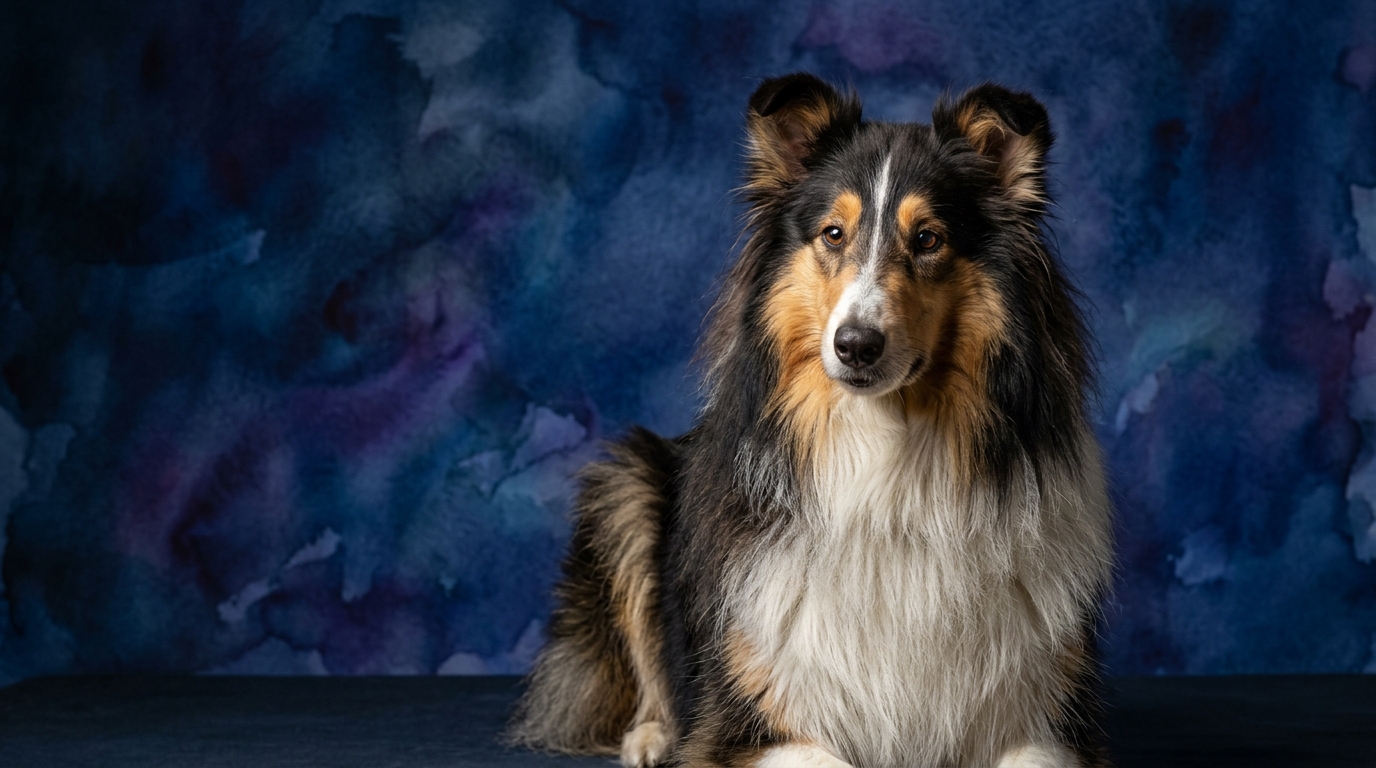
The Collie (Rough), recognized as the 16th most capable working and obedience breed by Coren, exhibits a robust intellectual profile tailored for complex tasks. Its Problem Solving is rated at 4/5, indicating a strong capacity to independently navigate novel situations and devise solutions, a trait crucial for its herding heritage. Training Speed, also at 4/5, reflects its eagerness and aptitude for quickly grasping new commands and routines. Social Intelligence, at 3/5, suggests a balanced understanding of human cues and pack dynamics, enabling effective partnership without being overly dependent. Instinctive Drive, at 3/5, points to a moderate but present inclination towards its breed-specific tasks, which can be channeled into various activities. A standout feature is its Memory, scoring a perfect 5/5, underpinning its ability to recall complex sequences, locations, and learned behaviors over extended periods.
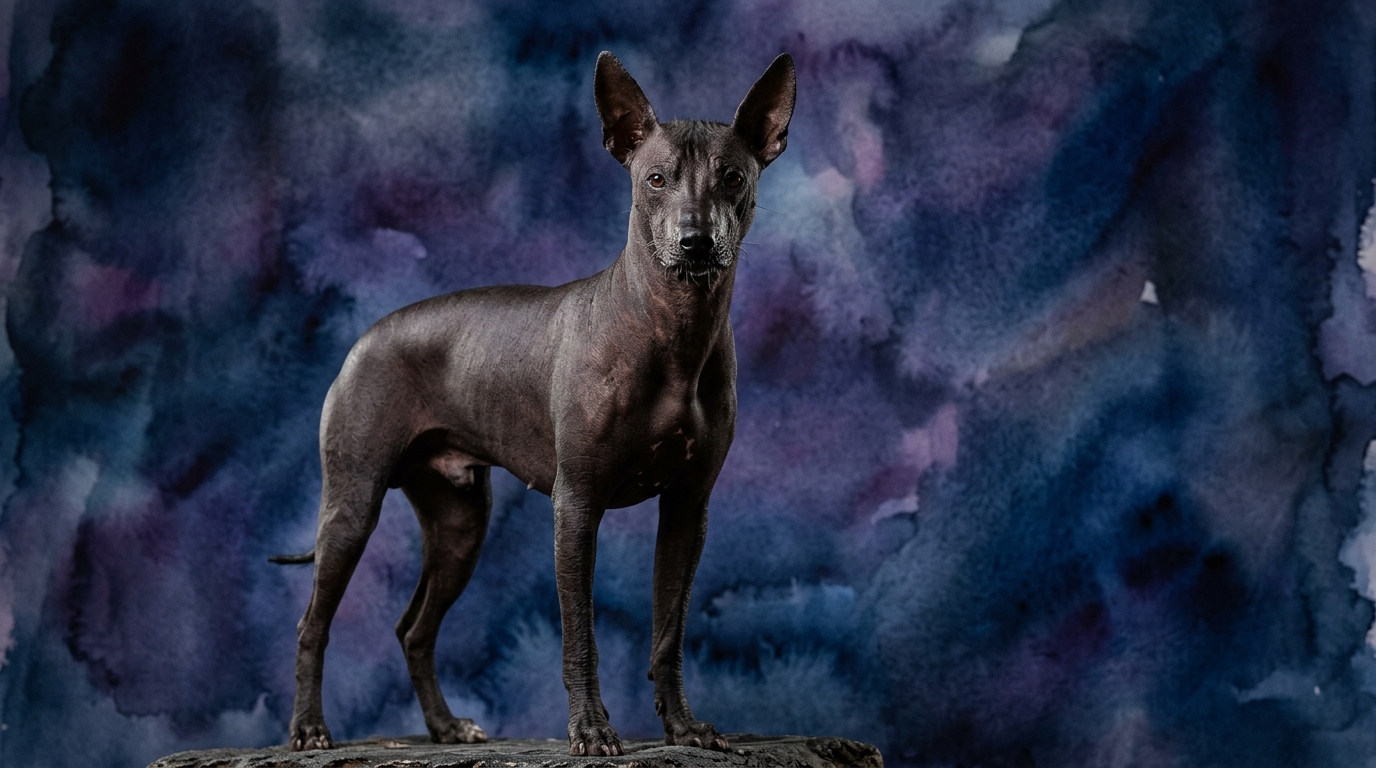
In contrast, the Xoloitzcuintli, a breed not formally ranked by Coren but with a history stretching back millennia, presents a more uniformly moderate cognitive profile. Its Problem Solving stands at 3/5, demonstrating a functional ability to resolve challenges, though perhaps with less independent initiative than some working breeds. Training Speed is also 3/5, signifying that while capable of learning, it may require more consistent repetition and patient guidance to solidify new behaviors. Social Intelligence, matching the Collie at 3/5, indicates an appropriate understanding of social cues and a capacity for connection, albeit often with a reserved demeanor. Instinctive Drive is also 3/5, suggesting a moderate internal motivation, often expressed in guarding tendencies or a desire for physical comfort rather than complex tasks. Its Memory, at 3/5, is solid for daily routines and familiar faces but may not encompass the extensive recall seen in breeds bred for intricate, multi-stage work.
Where Collie (Rough) Wins Cognitively
The Collie (Rough) clearly stands out in several cognitive dimensions, particularly in its problem-solving abilities, training speed, and memory. With a Problem Solving score of 4/5, compared to the Xolo's 3/5, Collies display a more pronounced inclination to analyze unfamiliar situations and devise effective strategies. This trait, honed over centuries of herding, translates into a dog that can figure out how to open gates, retrieve specific items from a group, or navigate intricate courses with greater self-direction.
Its superior Training Speed (4/5 versus 3/5) means a Collie often picks up new commands and complex routines with fewer repetitions. This is not just about obedience; it reflects a cognitive quickness to associate actions with desired outcomes and human signals. Furthermore, the Collie's perfect 5/5 Memory score is a significant advantage. This robust recall allows them to retain vast amounts of information, from the names of multiple objects to intricate agility sequences or the specific locations of family members, making them exceptional candidates for advanced training and tasks that require consistent application of learned behaviors over time.
The cumulative effect of these higher cognitive scores positions the Collie (Rough) as a breed with a greater capacity for complex, multi-stage tasks and a faster learning curve for both basic obedience and specialized skills. Their cognitive architecture is built for engagement and retention, making them eager participants in activities that challenge their intellect.
Where Xoloitzcuintli Wins Cognitively
While the Xoloitzcuintli's cognitive scores are generally more moderate when compared directly to the Collie's, its particular blend of intelligence presents unique advantages, especially for owners seeking a different type of canine companion. The Xolo's Problem Solving at 3/5, while not as high as the Collie's, indicates a functional intelligence for navigating its environment and resolving everyday challenges, often with a pragmatic, self-sufficient approach rather than a need for intricate human guidance. They are adept at managing their own comfort and boundaries within the home.
The Xolo's balanced 3/5 scores across Social Intelligence, Instinctive Drive, and Memory suggest a cognitive profile that thrives on consistency and clear, calm communication, rather than constant mental stimulation through work-oriented tasks. Their social intelligence allows for deep bonds with their chosen family, often expressed through quiet companionship and an intuitive understanding of household dynamics without being overly demanding. Their instinctive drive, while not geared towards herding, often manifests as a keen awareness of their surroundings and a protective instinct for their home and people, requiring a different kind of cognitive processing for vigilance and discernment.
In a sense, the Xoloitzcuintli 'wins' in its capacity for independent thought and selective engagement. Their moderate scores imply a cognitive structure that is less inherently driven to please or perform complex tasks for human approval, and more inclined towards self-preservation and comfort. This can be a significant advantage for owners who appreciate a dog with a distinct personality and a less overtly 'busy' mind, fostering a relationship built on mutual respect for their nuanced cognitive processing rather than constant direction.
Which is Easier to Train and Why
When evaluating ease of training, the Collie (Rough) holds a clear advantage, primarily due to its higher Training Speed (4/5) and Problem Solving (4/5). Collies were selectively bred to work closely with humans, interpreting subtle cues and executing complex commands over vast distances. This lineage has instilled in them a strong desire to understand and cooperate, making them exceptionally receptive to training. They learn new behaviors rapidly, often generalizing commands to new contexts quickly, and their superior memory ensures these lessons are retained effectively. A Collie will often anticipate what is expected, making the training process feel more like a collaborative effort.
The Xoloitzcuintli, with its Training Speed and Problem Solving both at 3/5, will certainly learn, but the process may require more patience and consistency. Xolos are often described as having an independent streak; they can be thoughtful and observant but may not possess the same inherent drive to please or the quick, eager response seen in a Collie. Their learning curve might be slower, meaning more repetitions are needed to solidify a command. Behavioral differences often include a more discerning approach to new commands, sometimes requiring clearer motivation or a demonstration of the command's utility from their perspective, rather than simply complying out of an innate desire to follow direction. This isn't a lack of capacity, but a difference in cognitive motivation and processing speed for human-initiated tasks.
Which Suits Active Owners vs Relaxed Owners
For active owners who relish mental engagement and structured activities, the Collie (Rough) is an exceptionally fitting choice. Its high scores in Problem Solving (4/5), Training Speed (4/5), and Memory (5/5) signify a breed that thrives on having a purpose and enjoys learning. Owners who enjoy dog sports like agility, obedience, herding trials, or even complex trick training will find the Collie an eager and capable partner. Their instinctive drive (3/5), while moderate, means they benefit from outlets that channel their natural inclinations, preventing boredom and potential misdirection of their cognitive energy. An active owner provides the consistent mental and physical stimulation a Collie needs to flourish.
Conversely, the Xoloitzcuintli's more moderate cognitive profile across the board (3/5 for most categories) makes it an excellent match for relaxed owners. While they still require regular exercise and mental engagement typical of any dog, their needs are generally less intense and less focused on complex, work-oriented tasks. Xolos are often content with daily walks, puzzle toys, and ample cuddle time. Their social intelligence (3/5) allows them to form deep, quiet bonds, but they are not typically demanding of constant interaction or intricate games. They appreciate a calm, predictable environment and a companion who understands their sometimes reserved yet devoted nature, making them ideal for individuals or families seeking a self-possessed and warm presence without the need for constant high-level cognitive work.
The Verdict
Choose the Collie (Rough) if you seek a highly trainable, cognitively agile companion for advanced training, dog sports, or a working role, valuing quick learning and exceptional memory. Their intellect thrives on consistent mental engagement and a collaborative partnership.
Opt for the Xoloitzcuintli if you appreciate a thoughtful, independent companion with a functional intelligence for everyday life, preferring a more relaxed pace and a deep, quiet bond over constant, high-intensity mental activities. Their unique presence offers a different kind of intelligent companionship.
🧠 Find Your Pet's IQ Score
Our Pet IQ Lab assessment covers 25+ tests across 5 cognitive dimensions — personalized to your breed.
Take the Full IQ Test →Frequently Asked Questions
Do Collies require a lot of mental stimulation?
Yes, Collies benefit significantly from consistent mental engagement. Their high problem-solving abilities and exceptional memory mean they thrive on learning new commands, participating in dog sports, and engaging in activities that challenge their intellect, preventing boredom and fostering a well-adjusted temperament.
Are Xoloitzcuintli dogs difficult to train?
Xoloitzcuintli dogs are not difficult to train, but they may require more patience and consistency than some breeds. Their moderate training speed suggests they learn at a steady pace, and their independent nature means clear motivation and positive reinforcement are key to successful, long-term learning.
Which breed is better for first-time dog owners?
For first-time dog owners, the choice depends on lifestyle. A Collie (Rough) can be an excellent choice if the owner is committed to consistent training and mental engagement. A Xoloitzcuintli might suit a first-timer who prefers a more independent companion and can provide a calm, consistent environment without the expectation of constant, complex interaction.