Side-by-Side IQ Profile: Unpacking Canine Cognition
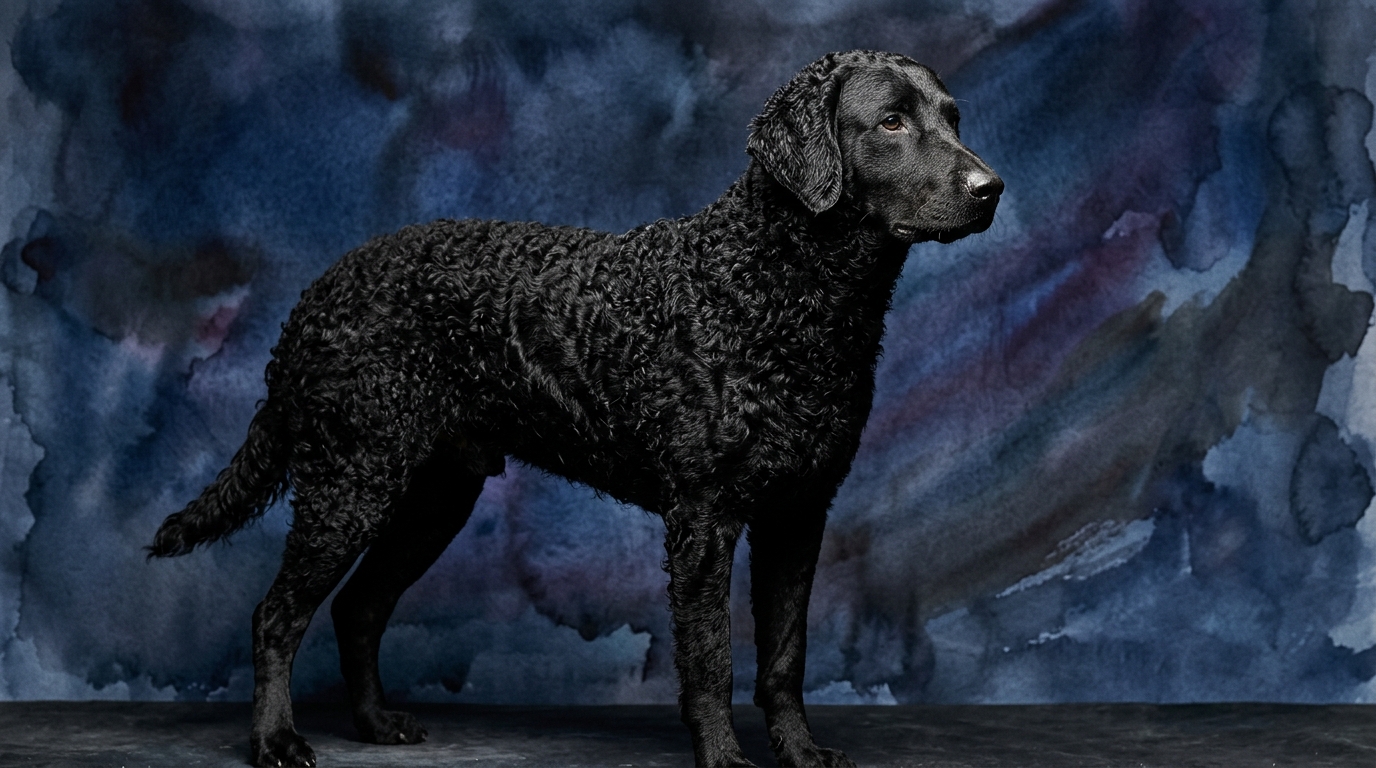
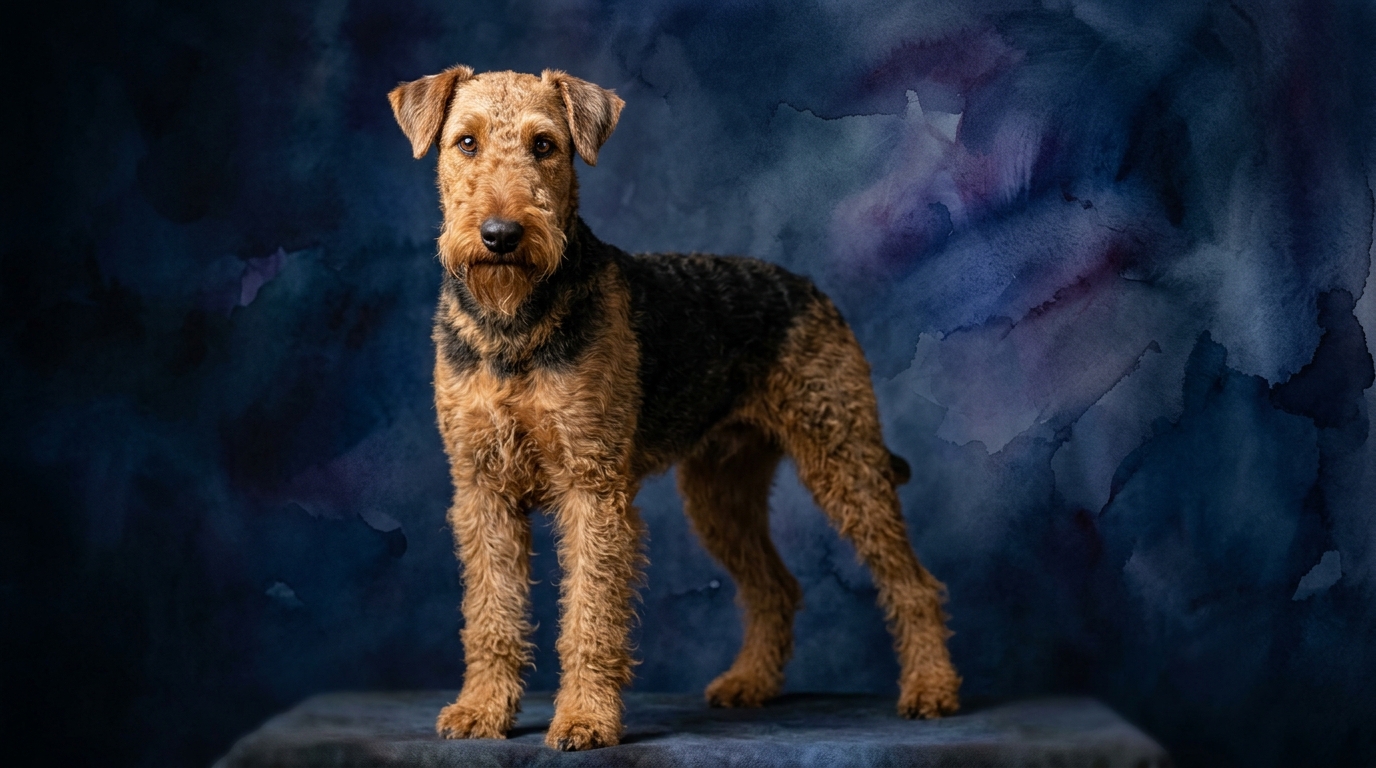
At The Cosmic Pet Pet IQ Lab, we dissect canine intelligence across five critical dimensions to provide a clearer picture of each breed's mental makeup. The Curly-Coated Retriever, ranking #41 on the Coren scale, and the Airedale Terrier, at #29, showcase unique cognitive strengths that stem from their historical roles and breed development.
For the Curly-Coated Retriever, Problem Solving is rated 3/5. This indicates a breed capable of navigating familiar challenges and learning established sequences, though they might approach novel, abstract problems with a more cautious or methodical stance, preferring to follow known patterns rather than invent entirely new solutions. Training Speed is also 3/5; they are reliable learners but typically require consistent, patient repetition to solidify new commands and behaviors. Their Social Intelligence scores 3/5, reflecting an ability to understand human cues and integrate into family dynamics, though often with a reserved independence rather than overt people-pleasing. Instinctive Drive, at 3/5, points to a moderate but persistent desire for their core retrieving and water work, a drive that can be channeled effectively in appropriate activities. Finally, Memory stands strong at 4/5, meaning they retain learned information, routines, and experiences for extended periods, making them consistent performers once a skill is mastered.
The Airedale Terrier presents a different cognitive blueprint. Their Problem Solving is rated 4/5, signifying a keen ability to independently assess and overcome obstacles, often using inventive and persistent strategies characteristic of their terrier heritage. This breed tends to 'think for itself' when faced with a challenge. Training Speed is also 4/5, indicating they grasp new concepts and commands relatively quickly, often needing fewer repetitions to achieve proficiency. Like the Curly, their Social Intelligence is 3/5; they are perceptive of human interactions and social hierarchies but bring a more assertive, sometimes independent, personality to their relationships. Instinctive Drive is 3/5, but this drive is distinctly terrier-focused, geared towards chasing, exploring, and investigating, with a strong prey drive. Their Memory, identical to the Curly at 4/5, ensures they remember both their training and their clever escapades, retaining information with remarkable clarity over time.
Where the Curly-Coated Retriever Shines Cognitively
While the Airedale might outpace the Curly in some areas, the Curly-Coated Retriever’s cognitive profile offers distinct advantages, particularly for owners seeking a consistent and enduring partner. Their 3/5 rating in Problem Solving, while lower than the Airedale’s, often translates into a dog that excels in structured tasks, demonstrating a methodical approach rather than impulsive experimentation. This means they are less likely to deviate from learned protocols, making them exceptionally reliable in scenarios requiring precision and adherence to a sequence, such as complex field trials or service work where routine is paramount. Their 4/5 Memory score, when combined with their moderate instinctive drive for retrieving and water work, creates a dog that not only remembers what to do but diligently applies that knowledge in its intended context, enduring harsh conditions without losing focus. This steadfastness, paired with their social intelligence, allows them to form a deep, cooperative working bond with their handler, often anticipating needs within a familiar framework rather than constantly seeking novel solutions.
Where the Airedale Terrier Shows Cognitive Superiority
The Airedale Terrier's cognitive strengths lie in its dynamic adaptability and independent thought, making it a formidable problem-solver and quick learner. Their 4/5 Problem Solving score means they are inherently curious and will actively experiment with their environment to achieve a goal, whether it's figuring out how to open a gate or outsmarting a puzzle toy. This ingenuity is a hallmark of their terrier lineage, where self-reliance and quick thinking were crucial for independent hunting. Coupled with a 4/5 Training Speed, Airedales often pick up new commands and complex behaviors with impressive alacrity, making them exciting partners for advanced obedience, agility, or other dog sports that demand rapid concept acquisition. While their Instinctive Drive is rated 3/5, its manifestation in chasing and investigating fuels their exploratory nature, driving them to engage with their surroundings and learn from every interaction. This combination of mental agility and a propensity for independent action sets the Airedale apart as a breed that thrives on intellectual engagement and excels at navigating novel, unstructured challenges.
Which Breed is Easier to Train, and Why?
Determining which breed is 'easier' to train is nuanced, as it hinges on an owner's experience and training philosophy, given their distinct cognitive profiles. The Airedale Terrier, with its 4/5 Training Speed, typically grasps new commands and concepts faster than the Curly-Coated Retriever. This initial quick learning can make early training sessions feel very rewarding, as they pick up cues rapidly. However, their 4/5 Problem Solving and independent terrier spirit mean they are also prone to questioning commands or finding 'their own way' if not consistently motivated and managed. An Airedale might learn 'sit' in three repetitions, but then decide 'sit' isn't necessary if a more interesting opportunity arises, requiring an experienced handler who can maintain engagement and assert leadership without resorting to harsh methods.
Conversely, the Curly-Coated Retriever, with a 3/5 Training Speed, might take more repetitions to master a new skill. This requires more patience and consistency from the owner during the initial learning phase. However, once a command is learned, their 4/5 Memory ensures it is deeply ingrained, and their generally more cooperative temperament means they are less likely to deliberately defy or creatively bypass instructions. While not as flashy in their quick uptake, their steadfastness and desire for cooperative partnership often make them more consistently compliant and reliable in the long term for an owner who prioritizes a steady, predictable working relationship. Therefore, for an owner seeking consistent adherence and a less challenging personality once trained, the Curly might prove 'easier' over time, despite a slower start.
Suitability for Active vs. Relaxed Owners
Neither the Curly-Coated Retriever nor the Airedale Terrier is suited for a truly 'relaxed' owner who prefers minimal engagement, as both breeds possess a moderate instinctive drive and require regular physical and mental stimulation to thrive. However, their specific cognitive profiles suggest different matches for varying levels of owner activity and desired interaction.
The Curly-Coated Retriever, with its methodical problem-solving and strong memory for routines, is an excellent companion for active owners who enjoy structured outdoor activities like hiking, swimming, retrieving games, or field work. They appreciate consistency and predictable engagement. While they need exercise, their 3/5 instinctive drive and slightly more reserved social intelligence mean they can also settle calmly indoors once their needs are met, making them suitable for active individuals or families who also value quiet time and a less 'in-your-face' canine presence after a good workout. They are not perpetually demanding of novel stimulation but thrive on purposeful activity.
The Airedale Terrier, with its higher problem-solving aptitude and independent spirit, is best suited for highly active owners who relish a dog with a robust personality and an insatiable curiosity. They require substantial daily exercise that includes mental challenges, such as agility, earthdog trials, extensive scent work, or complex puzzle toys, to prevent boredom and potential destructive behaviors. Their quick training speed makes them excellent for owners who want to engage in advanced dog sports and continuous learning. An Airedale needs an owner who is prepared to be an active participant in their dog's mental life, constantly providing new experiences and opportunities for their clever mind to work, making them a fit for dynamic households that appreciate a dog that is always 'on' and ready for the next adventure.
The Verdict
Choose the Curly-Coated Retriever if you seek a steadfast, cooperative partner for outdoor adventures, valuing a dog with excellent memory and consistent performance once patiently trained. They thrive on routine and a deep, reliable bond with their handler.
Opt for the Airedale Terrier if you desire a quick-witted, independent, and highly adaptable companion who excels at problem-solving and thrives on diverse mental and physical challenges. Be prepared for a strong personality that requires consistent engagement and leadership.
🧠 Find Your Pet's IQ Score
Our Pet IQ Lab assessment covers 25+ tests across 5 cognitive dimensions — personalized to your breed.
Take the Full IQ Test →Frequently Asked Questions
Are Curly-Coated Retrievers difficult to train?
Curly-Coated Retrievers are not 'difficult' but require patience and consistency due to their 3/5 training speed. They may take more repetitions to learn new commands than some breeds, but their excellent memory means once learned, skills are retained reliably.
Do Airedale Terriers get along with other pets?
Airedale Terriers can coexist with other pets, but their strong terrier prey drive (3/5 instinctive drive) means early socialization and careful introductions are crucial, especially with smaller animals. Their independent social intelligence (3/5) may lead to a desire to be the dominant dog in multi-pet households.
What kind of mental stimulation do these breeds need?
Curly-Coated Retrievers benefit from retrieving games, scent work, and learning complex sequences. Airedale Terriers thrive on puzzle toys, agility, earthdog activities, and varied training that challenges their problem-solving abilities and independent thinking.