Side-by-Side IQ Profile: Curly-Coated Retriever
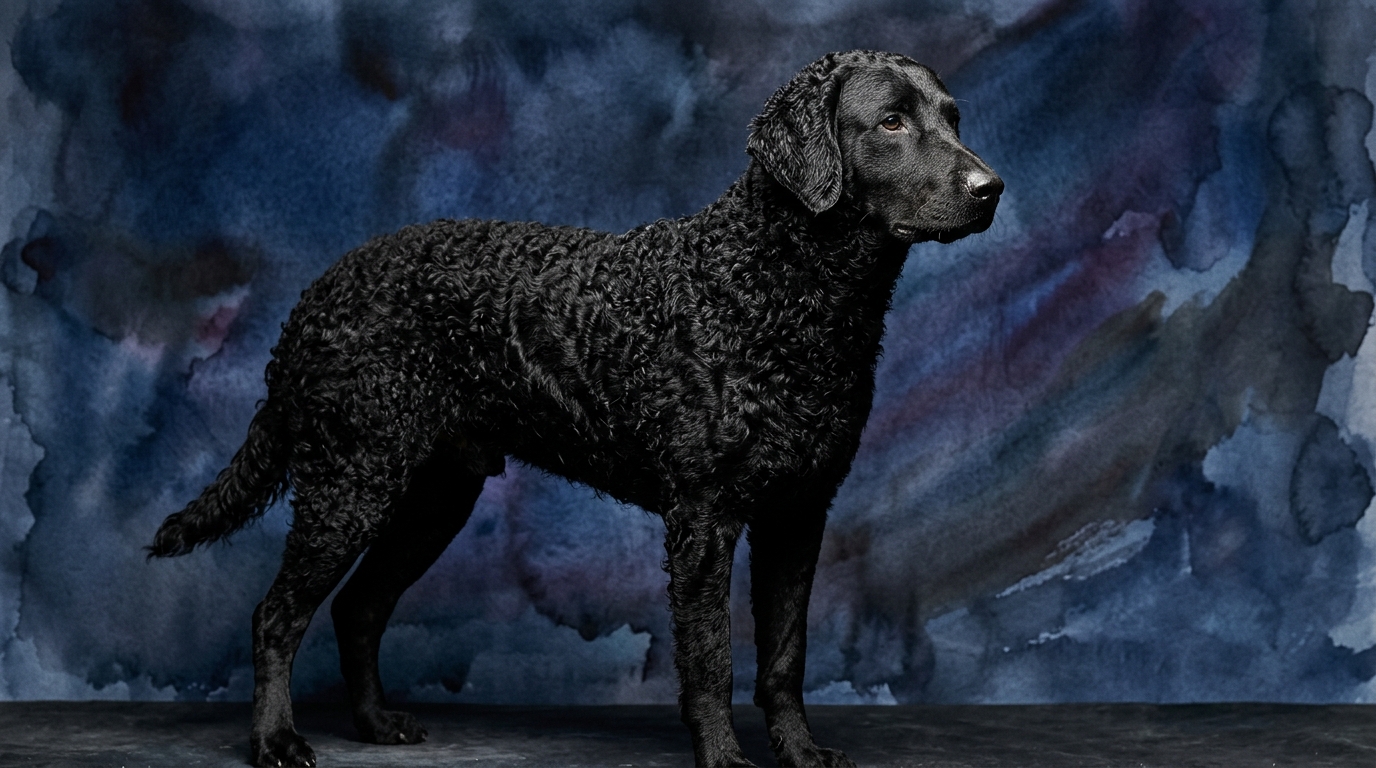
The Curly-Coated Retriever exhibits a practical approach to problem-solving (3/5), adept at navigating real-world challenges related to its retrieving heritage. They can figure out how to retrieve a toy from a tricky spot or open a familiar gate, relying on learned patterns and observation rather than abstract reasoning. Their solutions are often efficient and direct, born from a desire to achieve a clear goal.
CCRs are generally receptive to training, demonstrating a consistent ability to absorb new commands and routines (3/5). They require clear, patient instruction and benefit from positive reinforcement, showing a steady progression rather than lightning-fast acquisition. Repetition helps solidify their understanding, making them reliable partners once a skill is ingrained.
This breed displays a balanced social intelligence (3/5), forming strong bonds with their primary human companions and family members. While often reserved with strangers, they are capable of discerning social cues within their trusted circle and adapting their behavior accordingly. Their social interactions are often characterized by loyalty and a quiet attentiveness.
The Curly-Coated Retriever's instinctive drive (3/5) is centered around its retrieving heritage. They possess a natural inclination to fetch, carry, and bring objects, coupled with a moderate prey drive that makes them keen observers of movement. This drive is manageable and can be channeled effectively into various dog sports and activities.
A notable strength of the Curly-Coated Retriever is its memory (4/5). They excel at recalling commands, routines, and even specific locations where items were last seen or tasks were performed. This robust memory contributes significantly to their reliability in training and their ability to retain complex sequences over time, making them consistent performers.
Side-by-Side IQ Profile: American Foxhound
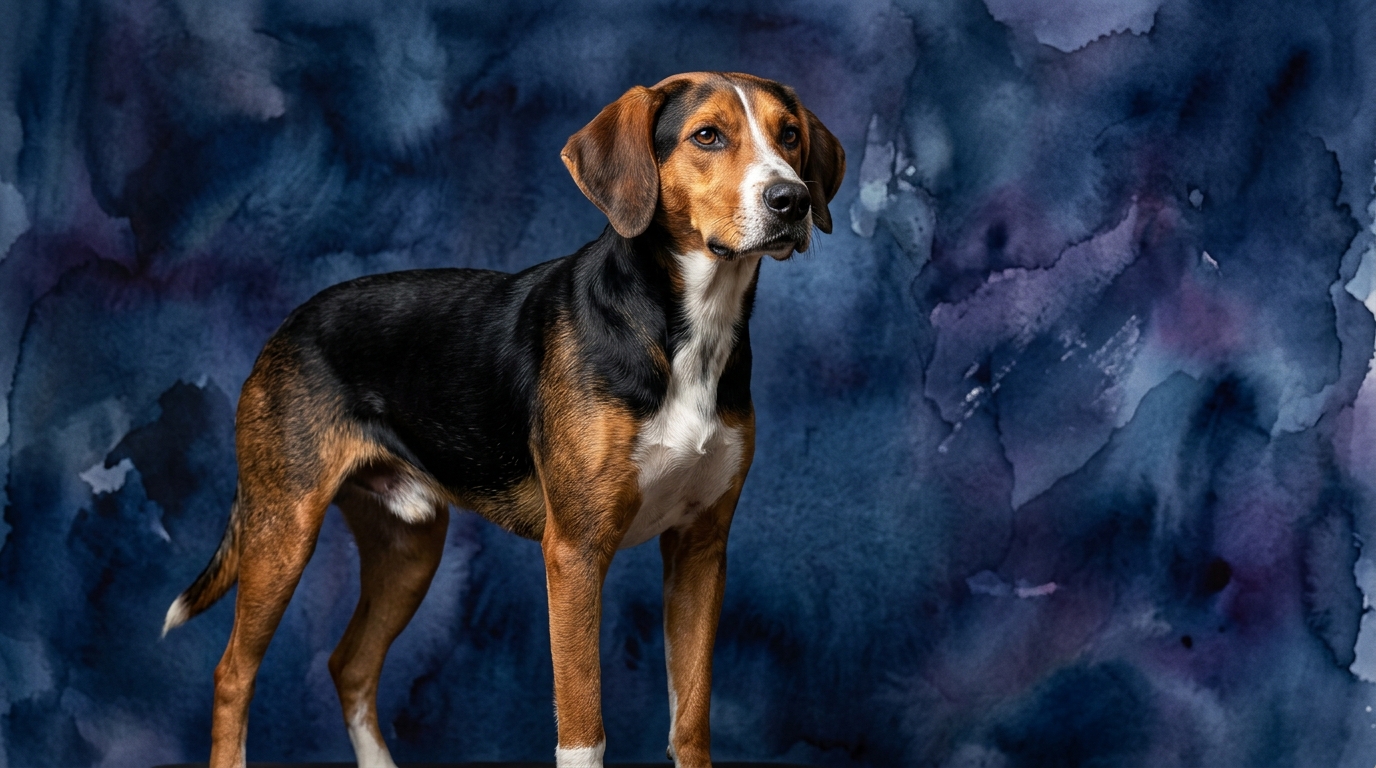
American Foxhounds approach problem-solving (3/5) with a focus on their primary sensory input: scent. Their cognitive efforts are often directed at tracking and unraveling scent puzzles in their environment, rather than abstract or manipulative tasks. They are persistent in pursuing a trail, demonstrating a focused, albeit specialized, form of problem-solving.
While capable of learning, the American Foxhound's training speed (3/5) can be influenced by its independent nature and strong scent drive. They require patient and consistent training methods, often needing high-value motivation to overcome distractions. Their learning curve is steady, but trainers must understand their inherent desire to follow their nose.
American Foxhounds exhibit a pack-oriented social intelligence (3/5), thriving in group settings with other dogs and often displaying a friendly, amiable disposition towards people. They are generally tolerant and adaptable in social situations, valuing companionship and often seeking interaction within their established social circle.
The instinctive drive (3/5) of the American Foxhound is overwhelmingly dominated by its powerful nose and a relentless desire to track. This drive is a core component of their cognitive makeup, fueling their endurance and focus when on a scent. Their world is often interpreted through olfactory information, guiding their actions and decisions.
The American Foxhound's memory (3/5) is primarily geared towards remembering scent trails, hunting patterns, and the layout of familiar territories. While they can recall commands and routines, their strength lies in their spatial and olfactory memory, which is crucial for their historical role. Abstract recall may not be as pronounced as in some other breeds.
Where Curly-Coated Retriever Wins Cognitively
The Curly-Coated Retriever undeniably holds a cognitive edge in the realm of memory, scoring a 4/5 compared to the American Foxhound's 3/5. This enhanced memory translates into a more reliable retention of commands, learned behaviors, and complex sequences over extended periods. For tasks requiring a precise recall of specific actions or a series of steps, the CCR's superior memory allows for greater consistency and accuracy. Furthermore, their Coren ranking at #41 suggests a broader application of their cognitive abilities beyond specialized tasks, indicating a general aptitude for understanding and responding to human instruction and environmental cues with greater breadth.
Where American Foxhound Wins Cognitively
While their numerical scores are often similar, the American Foxhound excels in the specialized cognitive domain of scent work and sustained focus driven by instinct. Their problem-solving and memory, though rated 3/5, are profoundly optimized for tracking, allowing them to decipher complex scent trails and maintain unwavering concentration for hours. This unique cognitive architecture means they can process and interpret olfactory information with unparalleled depth, a skill set that surpasses the Curly-Coated Retriever's more generalized retrieving drives. Their pack-oriented social intelligence also means they often integrate seamlessly into multi-dog households, understanding pack dynamics with an innate ease.
Which is Easier to Train and Why
Both breeds share a 3/5 rating for training speed, but the *ease* of training can differ significantly based on owner expectations and methods. The Curly-Coated Retriever's superior memory (4/5) often makes the training process feel more rewarding over time, as they are likely to retain what they've learned with fewer refreshers. Their drive to please, combined with this memory, means that once a command is understood, it's typically ingrained. The American Foxhound, while capable, often presents a greater challenge due to its powerful, independent scent drive. This inherent instinct can easily override commands, requiring more consistent, high-value motivation and a profound understanding of hound behavior to keep them engaged and focused on human instruction rather than an enticing scent trail.
Which Suits Active Owners vs. Relaxed Owners
The Curly-Coated Retriever is a better fit for active owners who enjoy engaging their dog in various activities, from retrieving games to agility or obedience. They thrive on physical exercise combined with mental stimulation, and while they appreciate downtime with their family, they are not content to be couch potatoes. Their energy levels are moderate to high, requiring regular, purposeful activity to prevent boredom. The American Foxhound, conversely, is suited for owners with a very specific type of active lifestyle, ideally one that involves extensive, often off-leash, exercise in secure areas where their scent drive can be indulged. Their endurance is immense, and a relaxed owner who cannot provide hours of sustained physical activity, particularly opportunities for sniffing and trailing, will likely find themselves with a restless and potentially vocal companion. They are not content with short walks around the block.
The Verdict
Choose the Curly-Coated Retriever if you seek a versatile, loyal companion with a solid memory for training, eager to participate in a variety of family activities and dog sports. They thrive with active engagement and consistent, positive reinforcement.
Opt for the American Foxhound if you are an experienced, highly active owner who can provide extensive opportunities for scent work and long-distance exercise, appreciating their independent spirit and deep connection to the olfactory world.
🧠 Find Your Pet's IQ Score
Our Pet IQ Lab assessment covers 25+ tests across 5 cognitive dimensions — personalized to your breed.
Take the Full IQ Test →Frequently Asked Questions
Do Curly-Coated Retrievers make good family pets?
Yes, Curly-Coated Retrievers are generally devoted family pets, forming strong bonds with their human companions. Their social intelligence allows them to integrate well into family life, though they can be reserved with strangers and benefit from early socialization to ensure they are comfortable in various settings.
Are American Foxhounds difficult to keep in urban environments?
American Foxhounds can be challenging in urban environments due to their strong scent drive and need for extensive, often off-leash, exercise. Their tendency to bay and follow a scent trail can make walks difficult and may lead to escapes if not securely contained, making a spacious, fenced yard and dedicated exercise routine crucial.
How do their instinctive drives impact their daily life?
The Curly-Coated Retriever's retrieving drive means they enjoy games of fetch and carrying items, making them engaging companions for active play. The American Foxhound's powerful scent drive means their nose leads the way, often causing them to become engrossed in tracking, which can impact recall and attention during walks or training sessions.