Side-by-Side IQ Profile: Diving into Canine Cognition
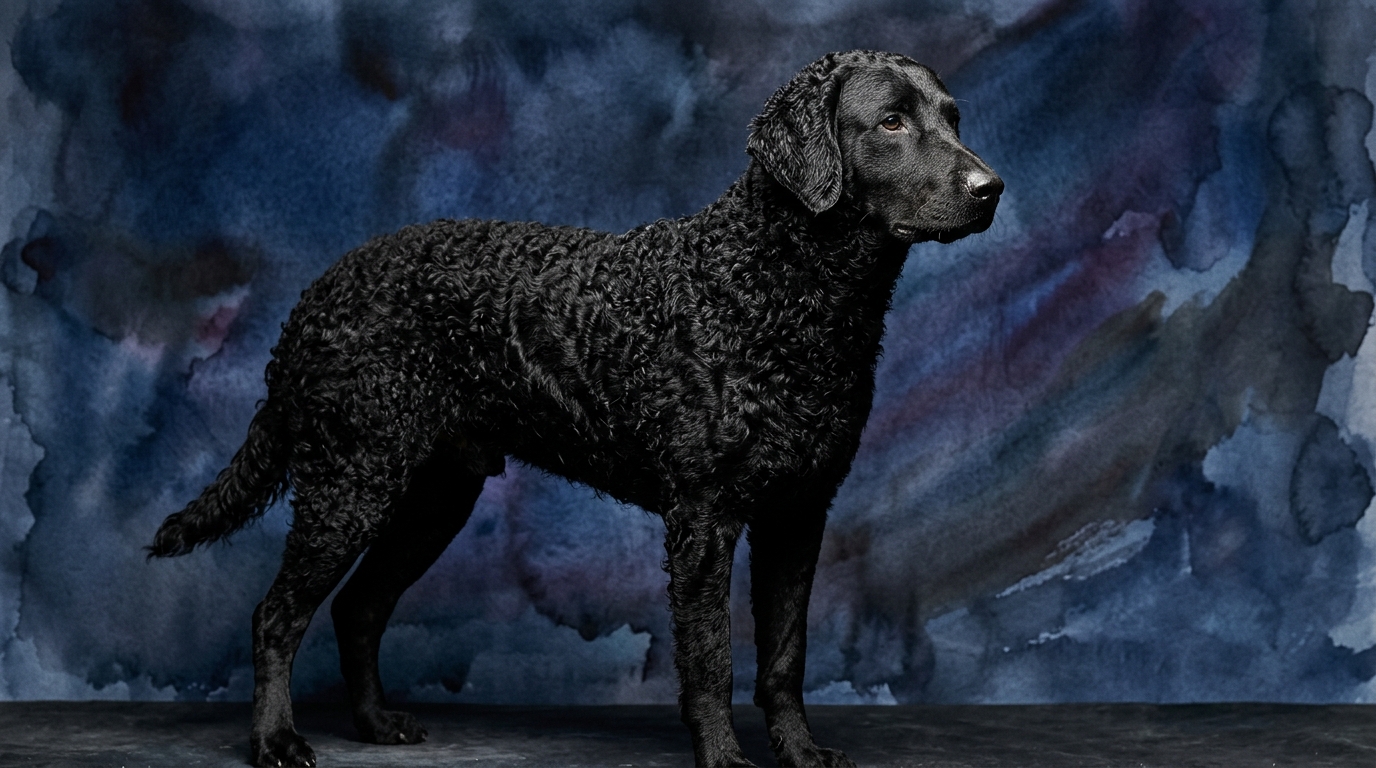
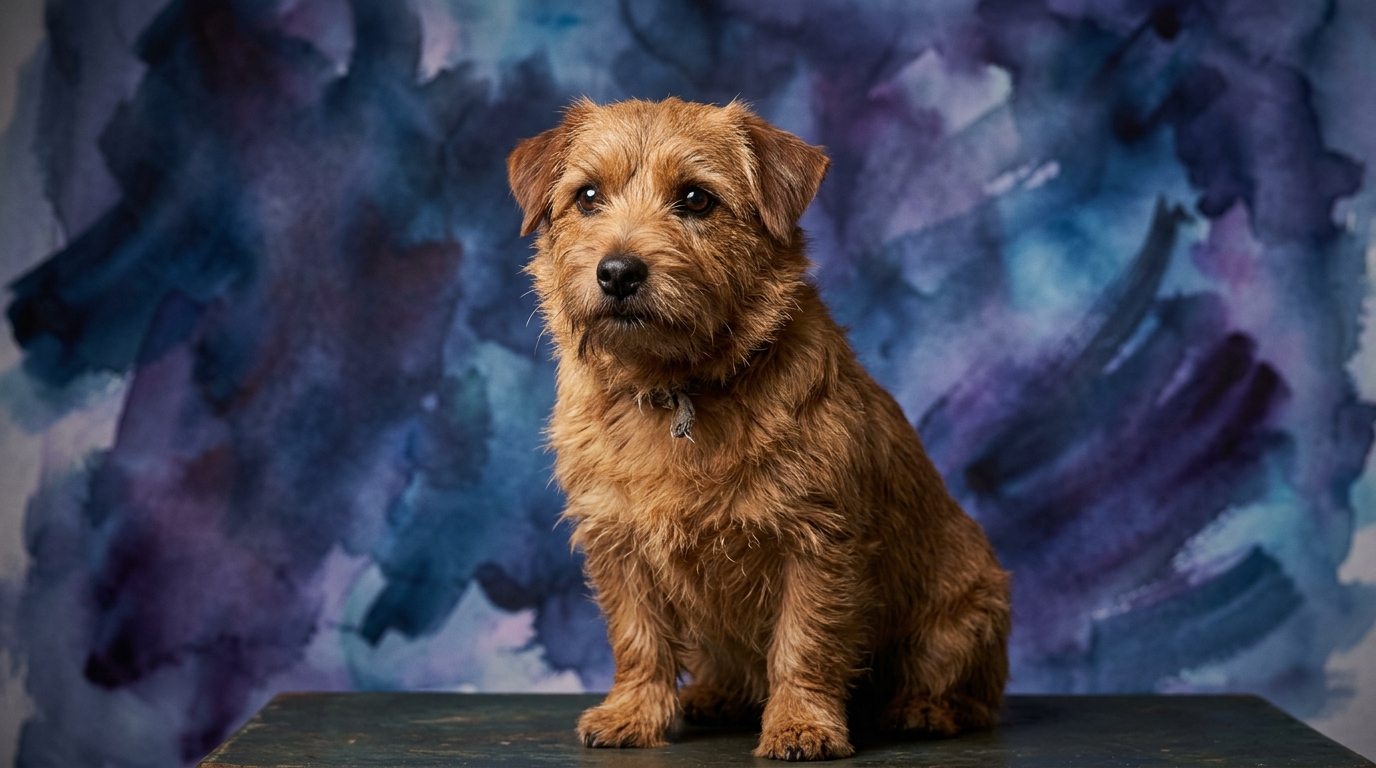
Our journey into canine cognition begins with a side-by-side examination of the Curly-Coated Retriever and the Norfolk Terrier across five key intelligence dimensions. Understanding these specific profiles illuminates how each breed processes information and interacts with their world.
For the Curly-Coated Retriever, Problem Solving scores a 3/5, indicating a practical, adaptable mind. These retrievers excel at learning and following routines, efficiently navigating familiar environments and tasks with clear parameters, though they aren't typically driven to invent novel solutions when established methods suffice. Their Training Speed also rates 3/5; they absorb new commands at a steady, moderate pace, thriving on consistency and positive reinforcement to build a reliable repertoire of behaviors. In Social Intelligence, a score of 3/5 highlights their attunement to human companions, forming deep bonds and reading cues sufficiently, often displaying a reserved but cooperative demeanor with strangers. Their Instinctive Drive, also 3/5, reflects their heritage with a solid retrieving instinct, moderate prey drive, and a genuine enjoyment of working alongside humans in activities that engage their natural sporting abilities. The CCR's standout cognitive strength is its Memory, scoring an impressive 4/5. This robust recall allows them to retain complex sequences, elaborate routines, and past experiences with remarkable accuracy, underpinning their consistent performance and long-term learning capabilities.
Transitioning to the Norfolk Terrier, we find a different manifestation of similar scores. Their Problem Solving, also 3/5, is characterized by tenacious resourcefulness. These terriers are adept at finding independent solutions, whether it's outsmarting a puzzle or navigating obstacles to reach a desired outcome, often employing persistence and a touch of ingenuity. Their Training Speed, like the CCR, is 3/5; they learn new commands at a moderate rate, but their independent terrier spirit means compliance can be influenced by motivation and perceived value, requiring consistent and engaging methods. Social Intelligence, rated 3/5, sees them engaged within their family, capable of reading human cues, but also expressing their own desires assertively. Their Instinctive Drive, also 3/5, is powerfully expressed through their terrier roots, encompassing strong urges for digging, chasing, and exploring, making them curious and active participants in their environment. Finally, the Norfolk Terrier's Memory scores 3/5. They reliably recall commands and routines, forming effective long-term learning patterns, though perhaps not with the same depth or consistent detail for highly complex, multi-step tasks as a breed with a higher memory score.
Where the Curly-Coated Retriever Excels Cognitively
The Curly-Coated Retriever's distinct cognitive advantage lies primarily in its superior memory, scoring a 4/5 compared to the Norfolk Terrier's 3/5. This enhanced recall means a CCR can internalize and retrieve complex sequences of commands, elaborate routines, and past experiences with greater depth and consistency. For tasks requiring multiple steps or extended periods between practice, the CCR's ability to retain and apply learned information stands out.
Furthermore, its Coren ranking of #41 implies a breed that, on average, understands new commands with fewer repetitions and obeys the first command a higher percentage of the time than many other breeds. This suggests a cognitive architecture that leans towards cooperative learning and reliable adherence to human direction, a hallmark of its Sporting group heritage. Their intelligence is geared towards working *with* a handler, remembering specific instructions for retrieving or navigating terrain, making them more predictable and consistent in performance over time.
Where the Norfolk Terrier Shows Unique Cognitive Strengths
While their Problem Solving scores are numerically identical at 3/5, the Norfolk Terrier's cognitive strengths manifest through a different lens of ingenuity, reflecting its terrier heritage. Their problem-solving often involves a tenacious, independent drive to overcome obstacles, whether it's outsmarting a puzzle toy or finding a way to a desired location. This resourcefulness, coupled with their compact size, allows them to navigate and manipulate their environment with a persistent, sometimes audacious, determination.
They excel at independent thought when faced with a challenge, often relying on their own wits rather than waiting for human direction. This assertive approach to problem-solving, along with their robust instinctive drive (3/5) for exploration and scent work, means they can be incredibly effective at tasks requiring self-motivation and a bit of 'can-do' attitude, even if it's a bit mischievous.
Training Ease: Curly-Coated Retriever vs. Norfolk Terrier
When considering ease of training, the Curly-Coated Retriever generally presents a more straightforward path. Their superior memory (4/5) is a significant asset, ensuring that lessons learned are retained more deeply and for longer periods. This means less repetition is needed to solidify commands and complex behaviors, allowing them to build an extensive repertoire of skills. Coupled with their cooperative Sporting group temperament, CCRs often enjoy the process of working alongside their human, viewing training as an engaging partnership. While their Training Speed is 3/5, their memory helps solidify these lessons, making them consistent performers.
The Norfolk Terrier, also at 3/5 for Training Speed, can be a delightful student, but their inherent terrier independence and occasional stubborn streak can introduce more variability. They learn efficiently, but their compliance might sometimes hinge on their level of motivation or if they perceive a task as worth their while. Their strong instinctive drive (3/5) for chasing and exploring can also be a powerful distraction, requiring more focused and creative training techniques to maintain their attention and commitment to tasks.
Lifestyle Match: Active vs. Engaged Owners
The Curly-Coated Retriever is an ideal match for active owners who enjoy robust outdoor activities and can provide consistent mental and physical engagement. As a Sporting dog, they thrive on activities like retrieving, hiking, swimming, and even dog sports such as obedience or agility. Their 3/5 instinctive drive means they possess a genuine desire to 'work' and be part of an active lifestyle, needing outlets for their energy and cooperative spirit. Owners who appreciate a dog that can keep pace on long adventures and enjoys structured activities will find a CCR a fulfilling companion.
The Norfolk Terrier, while smaller, is far from a sedentary lap dog and also suits active owners, though perhaps with a different intensity. They are spirited and energetic in bursts, requiring regular walks, interactive play sessions, and mental stimulation to prevent boredom. Their 3/5 instinctive drive for chasing and digging means they benefit from secure yards and engaging play. They can adapt well to apartment living if their exercise needs are met, making them suitable for owners who enjoy daily walks and lively indoor play, but perhaps don't demand the same endurance for multi-hour treks as a CCR. They are for owners who appreciate a lively, independent companion with a zest for life, rather than truly 'relaxed' owners.
The Verdict
Choose the Curly-Coated Retriever if you seek a devoted, cooperative companion for extensive outdoor adventures, dog sports, and value a dog with exceptional memory for complex training and reliable performance. They are best for owners who appreciate a strong working partnership and can provide consistent physical and mental engagement.
Opt for the Norfolk Terrier if you desire a spirited, tenacious, and charming companion for interactive play and daily adventures, appreciating their independent streak and resourceful problem-solving. They suit owners who can provide consistent, engaging training and enjoy a lively dog in a compact package, even if it comes with a dash of terrier determination.
🧠 Find Your Pet's IQ Score
Our Pet IQ Lab assessment covers 25+ tests across 5 cognitive dimensions — personalized to your breed.
Take the Full IQ Test →Frequently Asked Questions
Do Curly-Coated Retrievers need a lot of exercise?
Yes, as a Sporting breed with a 3/5 instinctive drive, Curly-Coated Retrievers require substantial daily exercise, including vigorous play, walks, and opportunities for retrieving or swimming. Consistent physical and mental stimulation is crucial for their well-being and to prevent boredom.
Are Norfolk Terriers good with children?
Norfolk Terriers can be good with respectful children, often enjoying play and showing affection, given their 3/5 social intelligence. However, their independent and sometimes assertive terrier nature means supervision is always recommended, especially with very young children, to ensure positive interactions.
How do their grooming needs compare?
The Curly-Coated Retriever's unique single coat requires relatively low maintenance, needing occasional brushing to remove loose hair but no trimming. The Norfolk Terrier's wiry coat needs regular hand-stripping or professional grooming every few months to maintain its texture and prevent matting.