
Side-by-Side Cognitive Profile
At The Cosmic Pet Pet IQ Lab, we dissect canine cognition into five core dimensions: problem-solving, training speed, social intelligence, instinctive drive, and memory. For the Dachshund, we observe a problem-solving ability rated at 4/5, indicating a strong capacity for independent thought and finding solutions, often born from its original purpose of flushing badgers from their burrows. Its training speed, however, sits at a more moderate 2/5, suggesting a degree of independent will that can make obedience training a consistent effort. Social intelligence is rated 3/5, meaning they can form strong bonds but may not always prioritize human cues over their own interests. Their instinctive drive is exceptionally high at 5/5, primarily focused on scent and burrowing, a powerful force guiding their actions. Memory is rated 3/5, sufficient for routines and basic commands, but not outstanding.
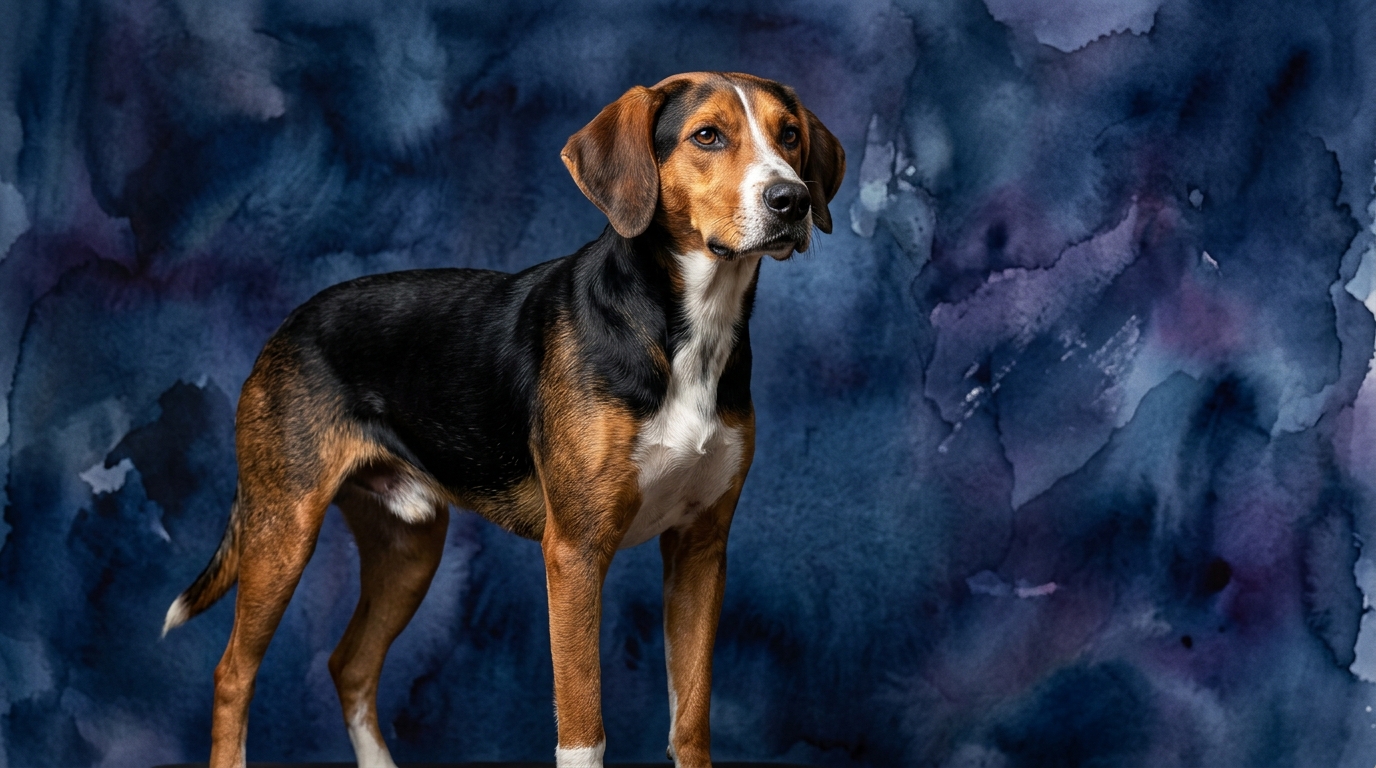
In contrast, the American Foxhound presents a slightly different cognitive landscape. Its problem-solving capacity is rated 3/5, demonstrating a competent ability to navigate challenges, particularly when following a scent trail, but perhaps with less individualistic strategy than the Dachshund. The American Foxhound's training speed is 3/5, suggesting it is generally more receptive to instruction than the Dachshund, though it still requires consistent engagement. Social intelligence also scores 3/5, highlighting their ability to integrate into a pack or family structure, often displaying an amiable disposition. Their instinctive drive is 3/5, primarily centered on sustained scent-tracking and endurance, a persistent rather than explosive drive. Finally, their memory is rated 3/5, enabling them to recall complex scent paths and learned behaviors without exceptional recall for intricate details.
Where the Dachshund Excels Cognitively
The Dachshund's standout cognitive strength lies in its superior problem-solving ability, scoring 4/5 compared to the American Foxhound's 3/5. This trait is a direct legacy of its specialized hunting role, requiring them to independently navigate complex underground tunnel systems, assess situations, and outmaneuver prey. In a domestic setting, this translates into a dog that often devises creative solutions to gain access to desired items, like figuring out how to open a cabinet or push a chair to reach a counter. Their cognitive process involves more self-directed strategizing, making them adept at puzzle toys or tasks that require innovative thought rather than simple repetition. This independent thinking, while sometimes perceived as stubbornness, showcases a deep capacity for individual initiative and adaptive reasoning.
Where the American Foxhound Demonstrates Cognitive Strengths
While the American Foxhound doesn't boast higher scores in problem-solving or instinctive drive compared to the Dachshund, its moderate training speed (3/5 versus the Dachshund's 2/5) represents a distinct cognitive advantage for owners seeking a more compliant and consistently trainable companion. This breed's focus on sustained activity and following a scent trail means it often responds well to repetitive commands, especially when linked to its natural inclinations for activity and companionship. Their cognitive strength lies in their ability to maintain focus on a directed task, like tracking a scent over extended periods, without the same level of independent re-evaluation seen in the Dachshund, making them more predictable in structured activities and less prone to individualistic diversions during training.
Trainability: Dachshund vs. American Foxhound
When considering ease of training, the American Foxhound generally presents a more straightforward path due to its 3/5 training speed, compared to the Dachshund's 2/5. American Foxhounds, while still possessing a hound's independent spirit, are often more receptive to consistent, positive reinforcement, especially when training incorporates their natural love for scent work and sustained activity. They are bred to work cooperatively in a pack and follow a hunter's lead, which translates to a greater willingness to comply with commands once a bond is established and the training is engaging.
The Dachshund, on the other hand, can be more challenging to train. Their lower training speed is intrinsically linked to their high instinctive drive (5/5) and strong problem-solving skills (4/5). This combination fosters a dog that is exceptionally self-reliant and prone to making its own decisions, particularly if a human command conflicts with its immediate interests or a compelling scent. Training a Dachshund requires immense patience, creativity, and unwavering consistency, as they understand commands but often choose whether or not to obey, making their independent thought a significant factor in their behavioral responses. They need to believe the training is their idea or offers a superior reward to their own pursuits.
Matching Canine Cognition to Owner Lifestyles
For active owners seeking a companion for long outdoor adventures, the American Foxhound is often the more suitable choice. Their moderate instinctive drive (3/5) is geared towards endurance and sustained scent-tracking, making them ideal partners for long runs, hikes, or extensive scent-work games. They thrive on consistent, prolonged physical activity that engages their natural abilities, and their amiable social intelligence (3/5) means they enjoy companionship on these excursions. They are less focused on intricate mental puzzles and more content with covering ground, making them excellent for owners who enjoy a steady pace of outdoor exploration.
Conversely, the Dachshund, despite its smaller stature, suits owners who appreciate a dog with a robust inner life and who can provide ample mental stimulation, even if physical activity is moderate. Their exceptional instinctive drive (5/5) and problem-solving ability (4/5) mean they require engaging activities that tap into their 'hunting' instincts, such as challenging puzzle toys, supervised digging, or scent games. While they enjoy cuddling, their independent streak means they are not always seeking constant interaction and can be content with their own pursuits after sufficient mental and physical engagement. They are best for owners who understand and can channel a determined, self-reliant personality, rather than those seeking a constantly compliant companion for extensive physical exertion.
The Verdict
Choose the Dachshund if you appreciate a dog with strong independent thought, a knack for creative problem-solving, and are prepared to manage a determined personality with consistent, creative training methods.
Opt for the American Foxhound if you are an active owner seeking a companion for long outdoor adventures, valuing endurance and a generally amiable, moderately trainable temperament over intricate cognitive problem-solving.
🧠 Find Your Pet's IQ Score
Our Pet IQ Lab assessment covers 25+ tests across 5 cognitive dimensions — personalized to your breed.
Take the Full IQ Test →Frequently Asked Questions
Do Dachshunds get along with other pets?
Dachshunds, with their moderate social intelligence and strong prey drive, can coexist with other pets, but careful introductions and supervision are crucial, especially with smaller animals. They often prefer to be the center of attention and may assert their dominance within the household hierarchy.
How much exercise does an American Foxhound need daily?
American Foxhounds require substantial daily exercise, typically an hour or more of vigorous activity like running, hiking, or sustained scent work, to satisfy their moderate instinctive drive and prevent boredom. Their impressive endurance makes them ideal partners for active individuals or families.
Are Dachshunds difficult to train for housebreaking?
Dachshunds can be challenging to housebreak due to their independent nature and lower training speed, often requiring consistent, patient effort and positive reinforcement. Their small bladder size also necessitates frequent outdoor access and a highly structured schedule to achieve reliable results.