Side-by-Side Cognitive Profiles
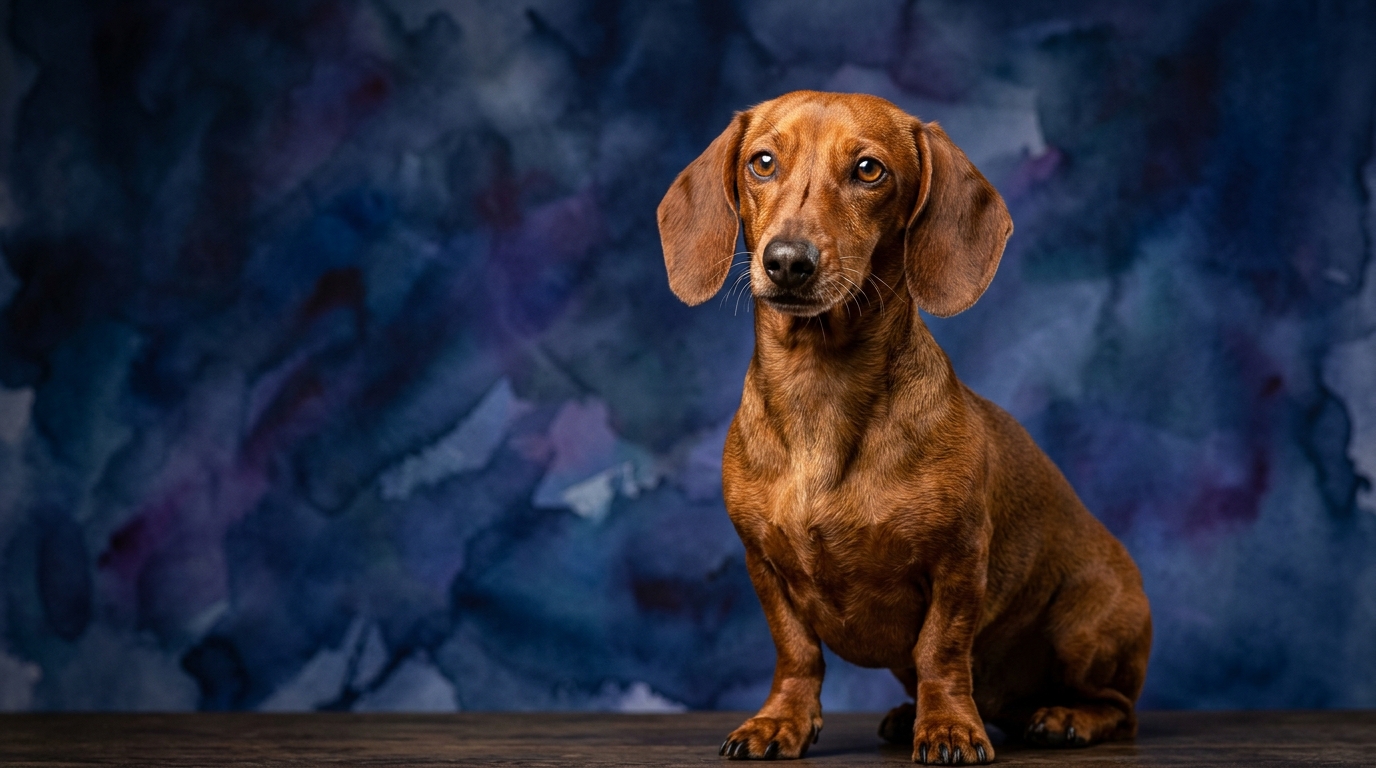
The Cosmic Pet Pet IQ Lab delves beyond simple rankings, revealing the nuanced cognitive landscapes of different breeds. For the Dachshund, our data shows a strong aptitude for Problem Solving at 4/5, indicating an ability to independently navigate complex situations and strategize. However, their Training Speed is rated 2/5, suggesting a more deliberate pace in acquiring new commands. Social Intelligence sits at 3/5, demonstrating a moderate capacity for understanding human cues and social dynamics, while their Instinctive Drive is exceptionally robust at 5/5, reflecting a deep-seated inclination towards their original hunting tasks. Memory for the Dachshund is assessed at 3/5, indicating a fair ability to recall past experiences and learned behaviors.
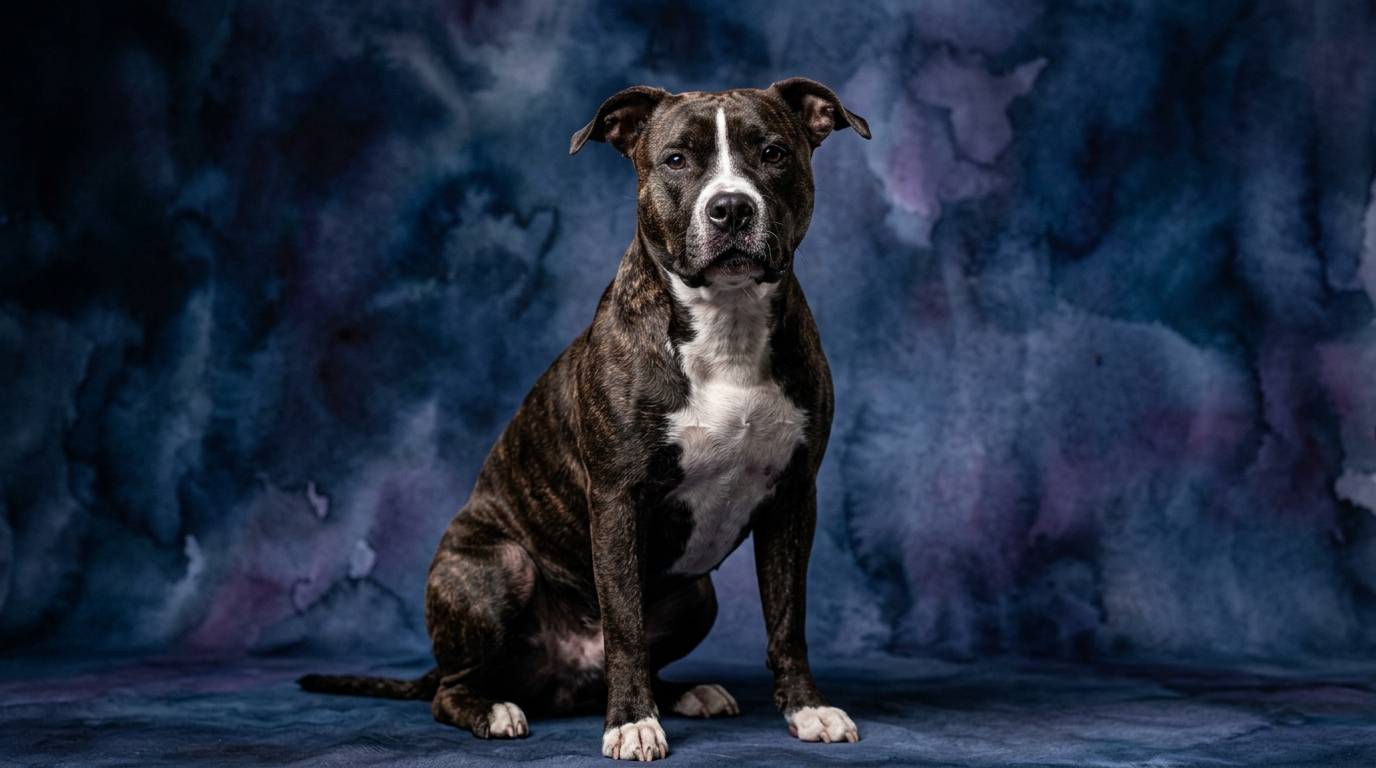
In contrast, the American Staffordshire Terrier presents a different cognitive signature. Their Problem Solving ability is rated 3/5, showing competence but perhaps less independent strategizing than the Dachshund. Training Speed is a solid 3/5, suggesting a more efficient learning curve for new tasks. Social Intelligence aligns with the Dachshund at 3/5, pointing to similar capacities for social interaction. A more balanced Instinctive Drive is noted at 3/5, indicating adaptability beyond highly specialized roles. Notably, the American Staffordshire Terrier excels in Memory, scoring 4/5, which implies a strong capacity for retaining learned information and experiences over time.
Where the Dachshund Excels Cognitively
The Dachshund truly shines in the realm of Problem Solving, where its 4/5 score surpasses the American Staffordshire Terrier's 3/5. This manifests in their remarkable ability to figure things out independently, whether it's navigating a complex scent trail or devising a strategy to access a hidden treat. Owners often observe this in their persistence to overcome obstacles, using their wits and physical attributes to achieve a goal. This cognitive strength, rooted in their historical role as badger hunters, means they are adept at independent thought and creative solutions when faced with challenges.
Another significant cognitive advantage for the Dachshund lies in its exceptional Instinctive Drive, rated a perfect 5/5 compared to the AmStaff's 3/5. This isn't just about raw energy; it's a deep-seated cognitive predisposition to engage in specific, goal-oriented behaviors like tracking, digging, and pursuing. While this can sometimes translate into stubbornness during training, it also means a Dachshund possesses an unwavering focus and determination when engaged in tasks that tap into these inherent drives. Their cognitive architecture is geared towards sustained, independent pursuit, making them exceptionally effective in roles requiring such singular focus.
Where the American Staffordshire Terrier Wins Cognitively
The American Staffordshire Terrier demonstrates a distinct cognitive edge in Training Speed, scoring 3/5 against the Dachshund's 2/5. This suggests a greater readiness and responsiveness to learning new commands and routines. AmStaffs tend to process and associate actions with cues more efficiently, often grasping concepts in fewer repetitions. Their cognitive makeup appears to favor a more direct and cooperative learning pathway, making them generally quicker to pick up on what is being asked of them during training sessions.
Furthermore, the American Staffordshire Terrier’s superior Memory, rated 4/5 compared to the Dachshund's 3/5, provides a clear cognitive advantage. This enhanced recall means AmStaffs are more likely to retain learned behaviors, commands, and social lessons over extended periods. A stronger memory facilitates the build-up of a complex behavioral repertoire, allowing them to perform intricate sequences or remember specific cues even after a long break. This cognitive capacity supports consistent performance and reinforces the effectiveness of their training over time, building a reliable foundation of learned responses.
Ease of Training: Dachshund vs. AmStaff
When considering ease of training, the American Staffordshire Terrier generally presents a more straightforward experience due to its higher Training Speed (3/5) and superior Memory (4/5). AmStaffs are typically quicker to understand and retain commands, with their moderate Instinctive Drive (3/5) allowing for better focus on human instruction. This combination translates into a dog that often requires fewer repetitions and is more consistent in its responses, making training feel more productive.
The Dachshund, while possessing remarkable Problem Solving skills, can be perceived as more challenging to train due to its lower Training Speed (2/5) and exceptionally high Instinctive Drive (5/5). Their strong innate drive to track and tunnel means they are highly self-directed, often prioritizing their own interests over human commands. Training a Dachshund thus requires immense patience, consistent positive reinforcement, and a creative approach to channel their independent problem-solving abilities, as they are independent thinkers who require compelling motivation to align with human agendas.
Matching Breeds to Owner Lifestyles
For owners seeking a companion thriving on structured activities and consistent engagement, the American Staffordshire Terrier often fits well. Their balanced Instinctive Drive (3/5), solid Training Speed, and strong Memory make them excellent candidates for dog sports or therapy work, where learning complex routines and reliable recall are paramount. They enjoy family activities, from brisk walks to fetch, flourishing with owners who leverage their cognitive strengths for engagement and provide adequate mental and physical stimulation.
The Dachshund, with its formidable Instinctive Drive (5/5) and high Problem Solving ability (4/5), needs purposeful activity despite its smaller stature. These tenacious hunters require outlets for their cognitive and physical instincts. Owners who enjoy scent work, puzzle toys, or short, frequent bursts of activity mimicking natural hunting behaviors will find a fulfilling partnership. A relaxed owner overlooking their need for mental engagement might find a Dachshund resorting to independent, sometimes destructive, projects like digging or "hunting" socks, so they suit owners prepared to channel their independent cognitive strengths.
The Verdict
Opt for the Dachshund if you appreciate an independent problem-solver with a strong, instinctual drive, and are prepared to engage their cleverness with creative training and scent-based activities.
Select the American Staffordshire Terrier if you value a companion with a good memory and faster training acquisition, ideal for structured learning and consistent engagement in various family activities.
🧠 Find Your Pet's IQ Score
Our Pet IQ Lab assessment covers 25+ tests across 5 cognitive dimensions — personalized to your breed.
Take the Full IQ Test →Frequently Asked Questions
Do Dachshunds get bored easily?
With their high Problem Solving (4/5) and Instinctive Drive (5/5), Dachshunds can become bored if not given sufficient mental engagement. They need outlets for their natural curiosity and desire to figure things out, otherwise they may invent their own "projects."
Are American Staffordshire Terriers good for first-time owners?
American Staffordshire Terriers, with their 3/5 Training Speed and 4/5 Memory, can be a good fit for dedicated first-time owners who are committed to consistent training and socialization. Their cognitive profile supports learning and retention, making them responsive to guidance.
How does a dog's "instinctive drive" impact their behavior?
Instinctive drive reflects a dog's innate predisposition towards specific behaviors, often linked to their breed's original purpose. A high drive, like the Dachshund's 5/5, means they're strongly compelled to perform tasks like tracking or digging, which can be challenging if not properly channeled. A moderate drive, like the AmStaff's 3/5, suggests more adaptability and less singular focus.