
Side-by-Side IQ Profile: Unpacking Cognitive Dimensions
At The Cosmic Pet Pet IQ Lab, we delve into five key dimensions to understand a breed's cognitive architecture. For the Dachshund, a Hound breed ranked #49 on the Coren scale, we observe a unique blend of traits. Their Problem Solving ability rates at 4/5, showcasing a cleverness in navigating their environment, often to achieve a personal goal. Training Speed is 2/5, indicating they learn, but at their own thoughtful pace, requiring consistent and engaging methods. Social Intelligence stands at 3/5, meaning they connect well with their inner circle but might prioritize their own agenda. A standout is their Instinctive Drive at 5/5, reflecting a powerful, inherent urge to follow scents and pursue. Finally, Memory is 3/5, suggesting they retain information, though perhaps not with the immediate precision of some other breeds.
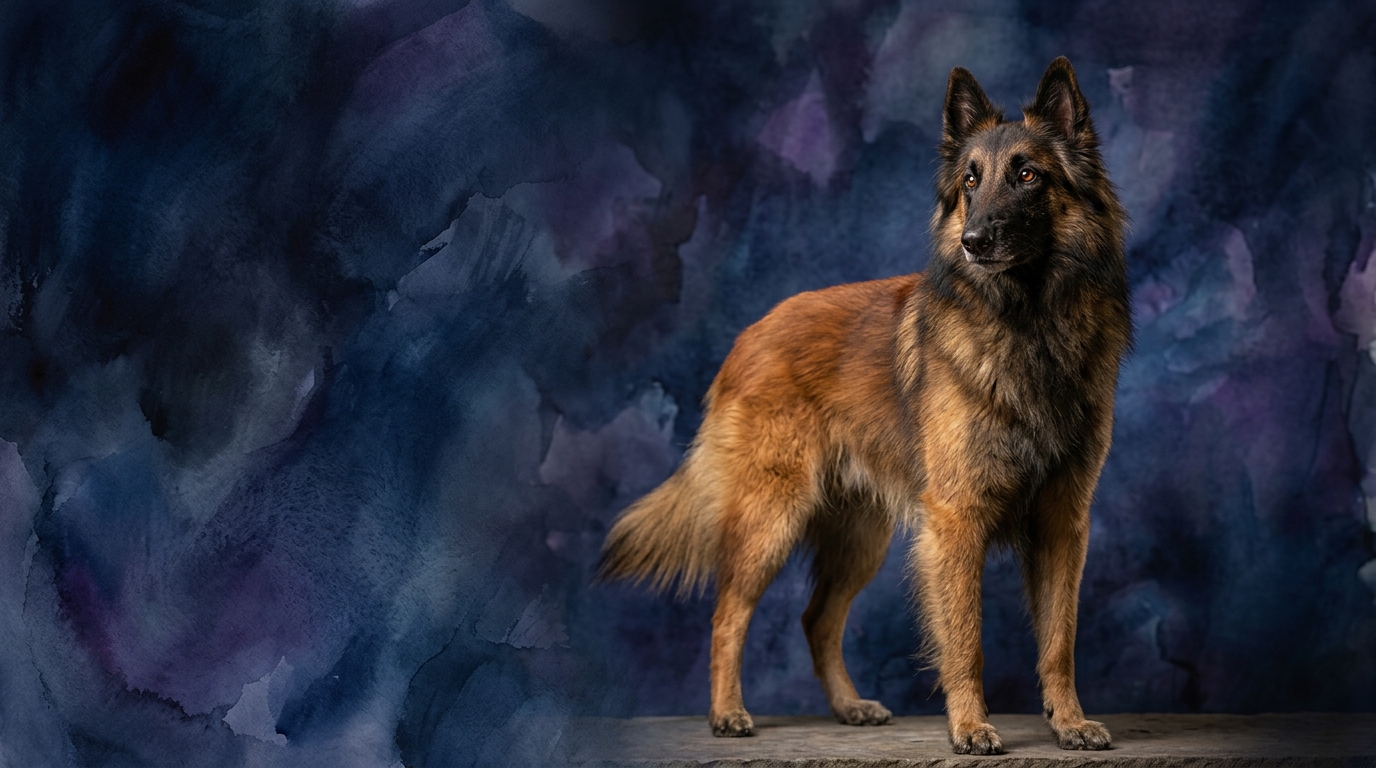
The Belgian Tervuren, a Herding breed with a notable Coren rank of #14, presents a different cognitive profile. Their Problem Solving capability is an exceptional 5/5, demonstrating an outstanding capacity to analyze complex situations and devise solutions. Training Speed is also 5/5, highlighting their remarkable eagerness and swiftness in acquiring new commands and routines. Like the Dachshund, their Social Intelligence is 3/5; they form deep bonds with their families but can be reserved or protective with strangers. In contrast to the Dachshund, their Instinctive Drive is 3/5, a moderate herding impulse that can be channeled through work. Their Memory is a stellar 5/5, indicating an impressive ability to recall intricate sequences and past lessons with precision over time.
Where the Dachshund Excels Cognitively
The Dachshund's cognitive strengths are deeply rooted in their ancestral purpose. Their 5/5 Instinctive Drive isn't just a physical urge; it's a powerful cognitive engine that fuels their persistence and focus. When a Dachshund locks onto a scent or decides to investigate a burrow, their problem-solving (4/5) becomes acutely focused on overcoming obstacles related to that drive. They exhibit a tenacious, almost single-minded determination, figuring out how to squeeze under fences, dig through barriers, or outmaneuver objects to reach their objective. This isn't about general obedience, but about a specific, highly effective form of practical intelligence geared towards independent task completion. Their cognitive process in these moments involves assessing the environment, identifying pathways, and executing a plan with remarkable resilience, often without direct human instruction. This self-reliance and purposeful problem-solving distinguish their intellectual approach.
Where the Belgian Tervuren Shines Cognitively
The Belgian Tervuren's cognitive brilliance stems from its exceptional capacity for learning and retention, combined with advanced problem-solving. Their 5/5 Training Speed and 5/5 Memory create a powerful synergy, allowing them to not only grasp complex commands rapidly but also to recall them with impressive accuracy over extended periods. This isn't merely rote memorization; it reflects a deep understanding of concepts and sequences. Their 5/5 Problem Solving capability manifests in their ability to adapt and strategize in dynamic scenarios, such as navigating intricate agility courses or understanding nuanced herding commands. They excel at processing multiple pieces of information simultaneously, anticipating actions, and adjusting their behavior accordingly. This breed thrives on mental challenges that require strategic thinking, quick decision-making, and the application of a vast learned repertoire, making them exceptional partners in advanced dog sports and working roles where cognitive flexibility is paramount.
Trainability: A Tale of Two Approaches
When it comes to trainability, the Dachshund and Belgian Tervuren present distinctly different experiences. The Dachshund, with a Training Speed of 2/5, often requires more patience and creative approaches. Their independent nature and formidable instinctive drive (5/5) mean that an enticing scent or an interesting dig site can easily override a command, making them appear 'stubborn.' Training sessions need to be short, highly engaging, and consistently reinforced with high-value rewards to capture and maintain their attention. Success with a Dachshund often involves understanding their inherent motivations and finding ways to integrate training into activities they already enjoy, like scent work, rather than expecting immediate, unwavering compliance. Their learning is often deliberate, requiring repetition to solidify behaviors, as their strong will can sometimes conflict with human directives.
In stark contrast, the Belgian Tervuren's Training Speed of 5/5 makes them a highly responsive and eager student. They absorb new commands and complex routines with remarkable alacrity, often anticipating their handler's next move. Their motivation is not solely driven by external rewards but also by a deep desire to work and collaborate, making them exceptionally receptive to consistent and clear instruction. This intrinsic drive for engagement and their outstanding memory (5/5) allow them to master intricate multi-step tasks and develop vast repertoires of learned behaviors quickly. For a Tervuren, training isn't just about learning; it's about partnership and mental fulfillment, which translates into an almost effortless progression through various levels of obedience and specialized skills.
Lifestyle Match: Active Owners vs. Relaxed Owners
Choosing between these breeds also means aligning with their distinct activity and mental stimulation needs. The Dachshund, while possessing a formidable instinctive drive, is generally suited for owners who appreciate a dog with a strong personality and independent spirit, but whose physical exercise requirements are moderate. They need regular walks and opportunities for mental engagement that tap into their tracking or digging instincts, but they are not built for sustained, high-intensity exertion. Their compact size makes them adaptable to various living situations, from apartments to homes with yards, as long as their innate urges are managed and channeled. They enjoy relaxed cuddle time but also thrive on short bursts of exploration and problem-solving games, making them a good fit for owners seeking a companion that offers both affection and a touch of spirited independence.
The Belgian Tervuren, with its exceptional cognitive abilities and robust energy levels, is unequivocally suited for highly active and dedicated owners. This is a breed that thrives on having a 'job' and requires constant mental and physical engagement. Owners must be prepared for extensive daily exercise, including running, hiking, or structured play, alongside advanced training in activities like agility, obedience, or protection work. Their intelligence and drive, if not properly channeled, can lead to boredom, anxiety, and potentially destructive behaviors. A Tervuren needs an owner who is committed to providing consistent mental challenges and a structured routine that allows them to utilize their impressive cognitive and physical capabilities. They are ideal for individuals or families who lead an active lifestyle and are seeking a true working partner.
The Verdict: When to Choose Each Breed
The Verdict
Choose the Dachshund if you admire a tenacious, independent spirit with a deep connection to their ancestral hunting roots, and are prepared for a dog that learns at its own deliberate pace.
Opt for the Belgian Tervuren if you seek a highly trainable, versatile, and mentally agile partner for advanced activities and a life filled with purpose and collaborative engagement.
🧠 Find Your Pet's IQ Score
Our Pet IQ Lab assessment covers 25+ tests across 5 cognitive dimensions — personalized to your breed.
Take the Full IQ Test →Frequently Asked Questions
Are Dachshunds difficult to train?
Dachshunds are not inherently difficult to train, but their strong independent streak and powerful hunting instincts mean they may appear stubborn. Consistent, positive, and highly rewarding training methods, focusing on short, engaging sessions, are crucial for success with this breed.
What kind of mental stimulation does a Belgian Tervuren need?
Belgian Tervurens require extensive mental stimulation, thriving on complex challenges such as advanced obedience, agility, puzzle toys, and learning new, intricate tricks. Their sharp minds demand constant engagement and a 'job' to prevent boredom and potential destructive behaviors.
How do their social intelligences compare?
Both breeds score 3/5 in social intelligence, indicating they form strong bonds with their families and can understand human cues well. However, Dachshunds might be more outwardly demonstrative with their affection, while Tervurens can be more reserved with strangers and require careful socialization to channel their protective instincts appropriately.