
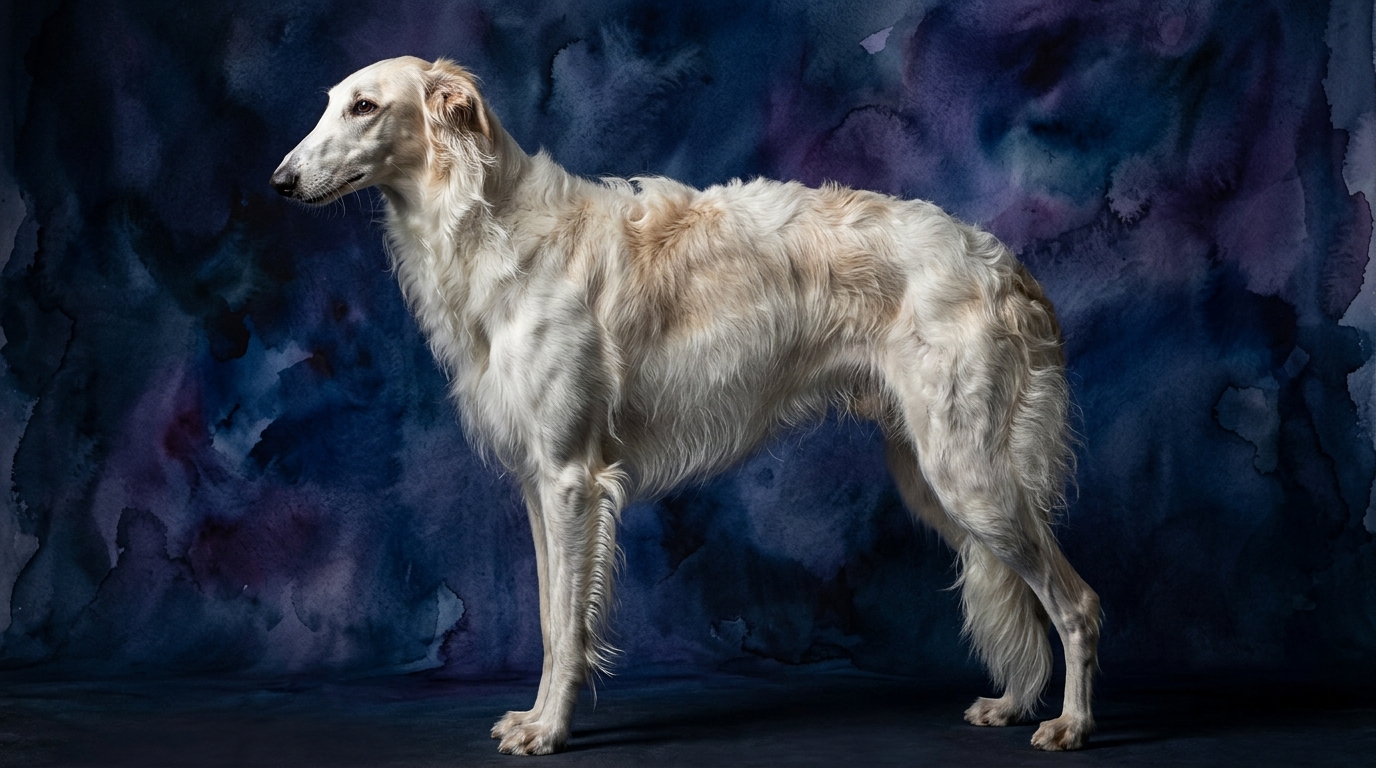
Side-by-Side IQ Profile: Dachshund vs. Borzoi Cognition
The Cosmic Pet Pet IQ Lab profiles offer a detailed look into the cognitive dimensions of each breed, illuminating their inherent mental predispositions. Understanding these scores helps clarify why these two hounds, despite their shared ancestry, interact with the world so differently.
Dachshund (Coren Rank #49): Problem Solving (4/5): Exhibits high capacity for independent thought, often devising clever strategies for scent-driven goals. Their badger-hunting history fostered innate ingenuity in navigating complex spaces and outsmarting prey. Training Speed (2/5): Capable of learning, but often opinionated with a strong independent streak. Requires consistent, patient, and engaging methods, as compliance is not always their first inclination. Social Intelligence (3/5): Forms strong bonds with primary caregivers, though interactions with strangers can be selective. Observant of human cues, but inherent assertiveness sometimes overrides social niceties. Instinctive Drive (5/5): Exceptionally strong prey drive, fueled by an acute sense of smell and unwavering determination. Digging, tracking, and exploring small spaces are deeply ingrained behaviors reflecting their original purpose. Memory (3/5): Possesses functional memory for commands and routines, especially those associated with positive reinforcement or innate drives. Recalls specific locations of interest or past experiences.
Borzoi (Coren Rank #75): Problem Solving (3/5): Displays moderate aptitude, approaching challenges calmly. Intelligence leans towards practical application in tasks requiring speed, agility, and visual tracking, excelling at pattern recognition in open spaces. Training Speed (3/5): Generally responsive when motivated, but known for independence and sensitivity. Learns steadily with positive, gentle reinforcement and clear expectations. Repetitive drills quickly lead to boredom. Social Intelligence (3/5): Typically reserved with strangers but deeply devoted to family. Perceptive of human emotions, forming close bonds. Social interactions are often subtle and dignified. Instinctive Drive (3/5): Possesses a strong sight hound prey drive for fast-moving objects, differing from the Dachshund's persistent burrowing instinct. Geared towards chase and capture in open fields, less for intricate tracking. Memory (3/5): Demonstrates good memory for established routines, commands, and familiar environments. Recalls specific training sequences and favored spots, contributing to their calm demeanor once settled.
Where the Dachshund Excels Cognitively
The Dachshund's cognitive strengths are rooted in its history as a tenacious badger and vermin hunter. Their Problem Solving (4/5) combined with an Instinctive Drive (5/5) highlights a superior capacity for independent strategic thinking in challenging environments. Unlike breeds waiting for human direction, a Dachshund assesses situations, formulates plans, and executes with remarkable persistence, especially in scent work or accessing tight spaces. This is adaptive intelligence—creatively overcoming obstacles to achieve a goal. For instance, a Dachshund might quickly figure out how to manipulate a gate latch or dig under a fence to reach an interesting smell, demonstrating practical problem-solving. Their formidable drive means they are less likely to abandon a mental challenge, continually testing boundaries and finding novel solutions, leading to an intense focus on specific tasks.
Where the Borzoi Shines Cognitively
The Borzoi, with its history as a wolf hunter across vast Russian landscapes, showcases distinct cognitive excellence. While their Problem Solving is rated 3/5, their intelligence is finely tuned for swift, decisive action over open terrain. Their strength lies in rapidly processing visual information and executing complex physical maneuvers with precision, often autonomously during a chase. This isn't about burrowing or intricate scent trails, but the elegant integration of speed, agility, and spatial awareness. Their moderate Training Speed (3/5) reflects an ability to learn, alongside an independence that values thoughtful consideration. Where they truly excel is in their calm composure and refined social intelligence (3/5), displaying a quiet observational capacity. They absorb environmental and human cues with subtle grace, suggesting a nuanced understanding of social dynamics within their family unit, making them highly attuned, empathetic companions.
Ease of Training: Dachshund vs. Borzoi
Training a Dachshund versus a Borzoi reveals significant differences. The Dachshund's Training Speed (2/5) is hampered by their formidable Instinctive Drive (5/5) and independent Problem Solving (4/5). They often prioritize their own agenda—following a scent, digging, or exploring—over human commands. Training requires immense patience, creativity, and understanding their innate drives; they learn quickly what benefits *them*. Real behavioral challenges include 'tunnel vision' on a scent, making recall difficult, and stubbornness when asked to do something conflicting with their immediate desires. The Borzoi's Training Speed (3/5) is higher. While also independent, their independence stems more from a thoughtful, sometimes aloof nature rather than relentless instinct. They respond best to gentle, positive reinforcement; harsh corrections can cause them to withdraw. Their lower Instinctive Drive (3/5) compared to the Dachshund means their prey drive, though present, is often more manageable. Borzoi learn well when they understand the purpose and when training is varied and engaging, avoiding repetitive drills. Thus, while neither is effortlessly compliant, the Borzoi generally presents a more amenable training partner, provided the approach respects their sensitive disposition.
Which Suits Active vs. Relaxed Owners
Owner lifestyle significantly impacts the best choice between these two breeds. For active owners who enjoy engaging in scent work, earthdog trials, or appreciate a dog with unyielding exploratory zest, the Dachshund is an excellent match. Their high Instinctive Drive (5/5) means they thrive on activities stimulating their powerful nose and problem-solving skills. While content with cuddles, their mental and physical well-being benefits greatly from regular, engaging outings fulfilling innate urges. They suit an owner prepared to manage a strong prey drive and determined personality, channeling that energy productively.
Conversely, the Borzoi often aligns better with owners appreciating a more relaxed, yet still active, companionship. Built for speed, they require bursts of intense exercise in a secure area, but are generally calm and dignified indoors. Their moderate Instinctive Drive (3/5) makes them less inclined to relentlessly pursue every scent or dig, easing home management once exercise needs are met. They suit owners who provide secure, spacious areas for running, valuing a serene indoor presence. Their social intelligence (3/5) makes them wonderful, observant companions for quieter moments. Therefore, the Dachshund is for the owner ready for a persistent, active partner, while the Borzoi appeals to those seeking an elegant, serene companion with specific, intense exercise needs.
The Verdict
Choose a Dachshund if you seek a tenacious, independent companion thriving on scent-based challenges and whose assertive problem-solving will keep you engaged. Be prepared for a persistent, strong-willed partner who brings both humor and determination to daily life.
Opt for a Borzoi if you desire an elegant, serene companion who appreciates calm indoor living but requires vigorous, expansive outdoor runs. Their sensitive, observant nature and dignified presence make them devoted family members for those valuing grace and quiet companionship.
🧠 Find Your Pet's IQ Score
Our Pet IQ Lab assessment covers 25+ tests across 5 cognitive dimensions — personalized to your breed.
Take the Full IQ Test →Frequently Asked Questions
Are Dachshunds difficult to train due to their independent nature?
Dachshunds can indeed be challenging to train due to their strong instinctive drives and independent problem-solving. They respond best to consistent, positive reinforcement methods that tap into their natural curiosity and desire to work for rewards, rather than strict obedience.
Do Borzoi require a lot of exercise despite their calm indoor demeanor?
Yes, Borzoi require significant exercise. While calm indoors, they are sighthounds built for speed and need regular opportunities to run at full gallop in a securely fenced area. Short walks are insufficient to meet their physical and mental needs.
How do their social intelligence scores impact their suitability for families?
Both breeds score 3/5 in social intelligence, meaning they form strong bonds with their families. Dachshunds can be more assertive and selective with strangers, while Borzoi are typically reserved but deeply devoted to their inner circle, offering a quiet, perceptive companionship.