Side-by-Side IQ Profile
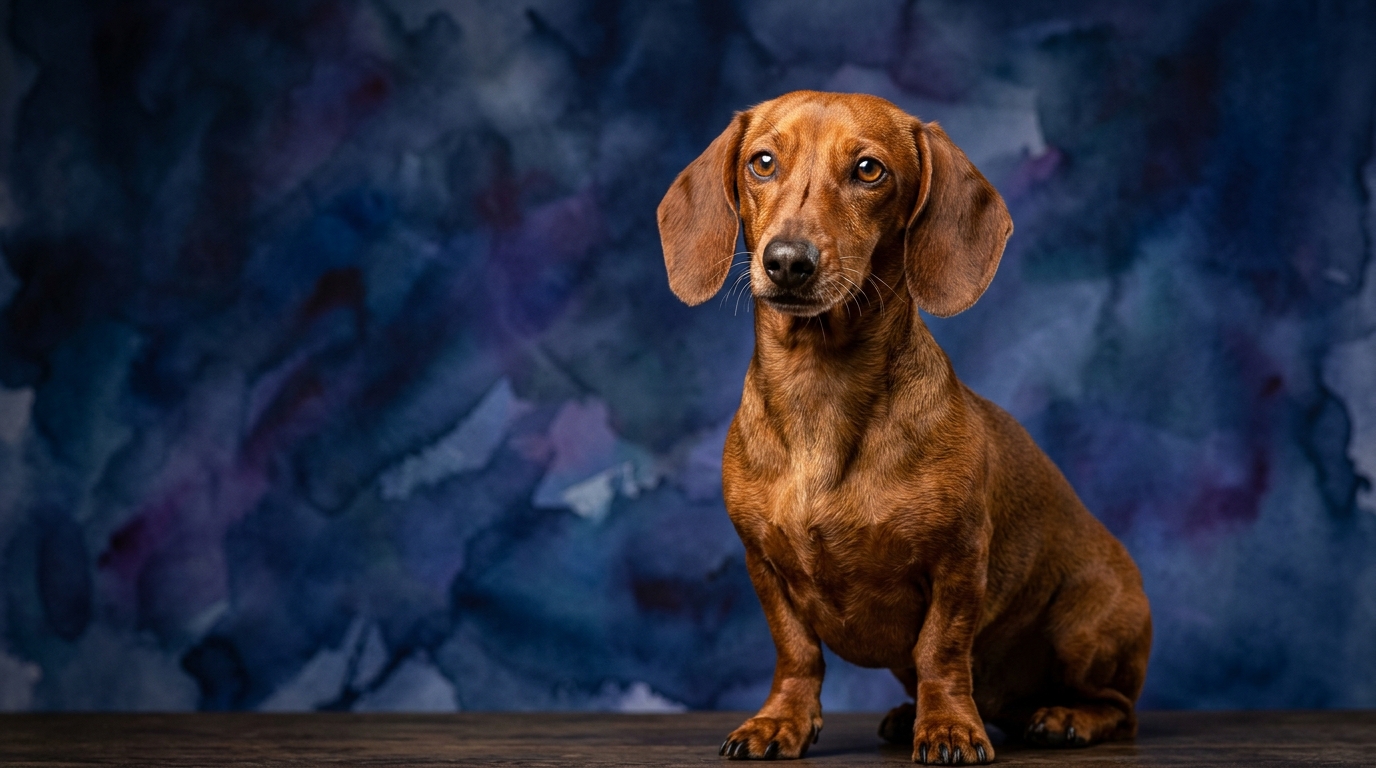
At The Cosmic Pet Pet IQ Lab, we evaluate canine intelligence across five key dimensions. For the Dachshund, classified as a Hound with a Coren rank of #49, its profile highlights a unique blend of independent thought and deep-seated instinct. Its Problem Solving is rated 4/5, indicating a clever approach to navigating obstacles or achieving goals, often through self-initiated strategies. Training Speed scores 2/5, suggesting that while capable of learning, their independent nature can make the process slower and more challenging. Social Intelligence is 3/5, meaning they form strong bonds but can be selective in their affections. Instinctive Drive is a remarkable 5/5, reflecting their powerful heritage as hunters, manifesting in persistent tracking and digging. Memory is rated 3/5, allowing them to recall routines and experiences, though often choosing when to apply learned behaviors.
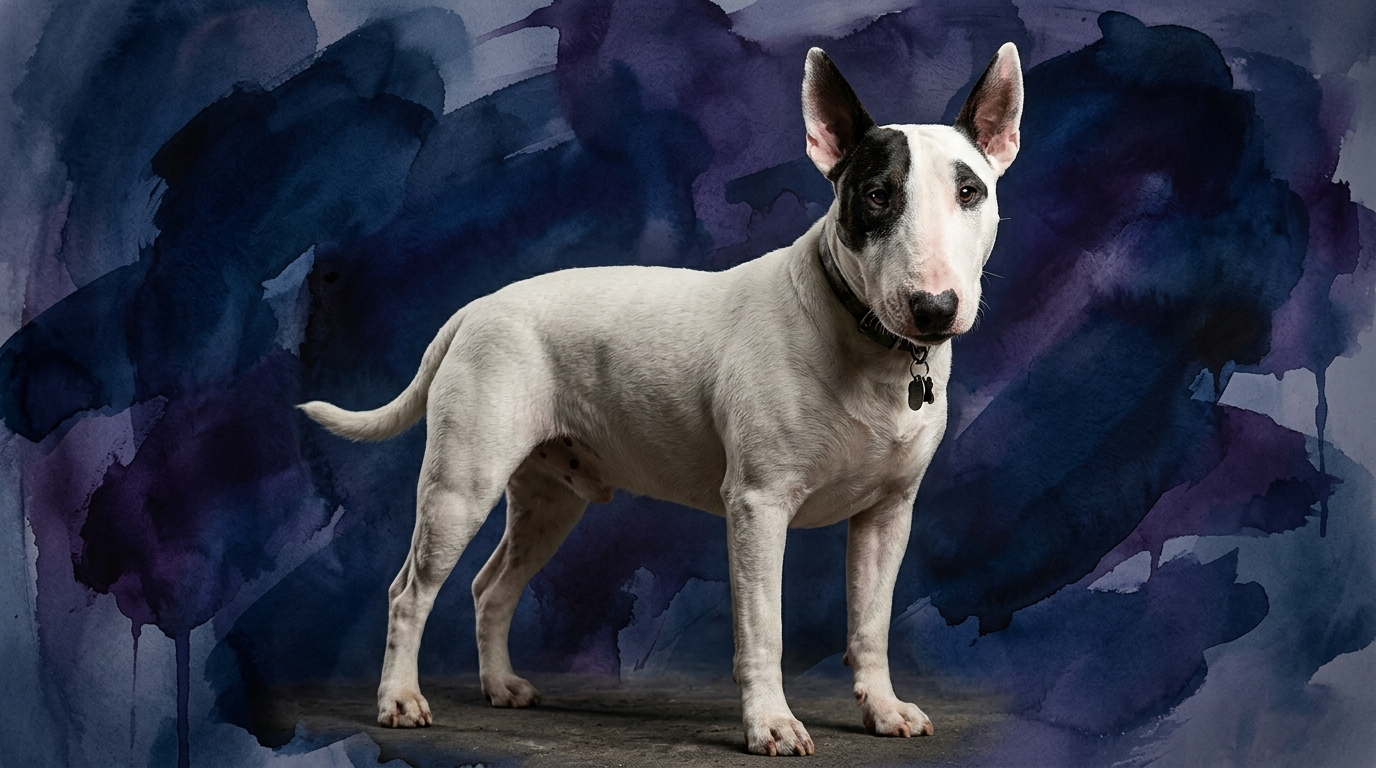
The Bull Terrier, a Terrier breed with a Coren rank of #66, presents a different cognitive blueprint. Its Problem Solving is 3/5, demonstrating a moderate ability to figure out challenges, often benefiting from human guidance. Training Speed is 3/5, indicating a more amenable and cooperative attitude toward learning new commands compared to the Dachshund. Social Intelligence also stands at 3/5, showing a balanced capacity for bonding with family and interacting with others, often with a playful demeanor. Instinctive Drive is 3/5; while possessing terrier tenacity, their drives are generally more manageable and less singular in focus than a Dachshund’s. Memory is also 3/5, enabling them to reliably retain learned information and recall past interactions, contributing to consistent behavior within established routines.
Where Dachshund Wins Cognitively
The Dachshund's cognitive strengths shine brightest in areas demanding independent thought and tenacious pursuit. Their Problem Solving score of 4/5 indicates a breed capable of impressive ingenuity, particularly when motivated by curiosity or a desired outcome. This isn't about rote learning, but about figuring things out on their own terms, like strategically moving objects to create a path or persistently digging to reach a perceived treasure, demonstrating a deep understanding of cause-and-effect within their immediate environment. This cognitive trait is deeply intertwined with their paramount Instinctive Drive (5/5). While some might view this as stubbornness, it's a powerful cognitive engine driving them to complete tasks, whether that's tracking a scent across the yard or tunneling under a fence. This unwavering focus and self-directed problem-solving, rooted in centuries of independent hunting work, sets them apart. Owners often witness their Dachshunds devising complex schemes to achieve goals, a testament to their sharp, self-reliant minds.
Where Bull Terrier Wins Cognitively
The Bull Terrier distinguishes itself primarily through its more balanced and cooperative approach to learning, specifically evident in its Training Speed score of 3/5, surpassing the Dachshund's 2/5. While not the quickest learners in the canine world, Bull Terriers are generally more receptive to instruction and more inclined to work alongside their human companions during training sessions. This difference stems from their slightly lower, yet still present, instinctive drive (3/5), which makes them less prone to getting sidetracked by independent pursuits during structured learning. Their Problem Solving score of 3/5, while lower than the Dachshund's, reflects a cognitive style that can still adapt and learn from human guidance, rather than relying solely on self-initiated solutions. This translates into a dog that often shows a greater willingness to engage in interactive learning games and respond to cues, making the training process a more collaborative endeavor. Their social intelligence and memory, both rated 3/5, further support this, as they are often keen to please and remember what they've learned, provided the motivation is present.
Which is Easier to Train and Why
When evaluating ease of training, the Bull Terrier generally holds an advantage over the Dachshund. The Bull Terrier's Training Speed of 3/5, coupled with its moderate Instinctive Drive (3/5), means it is often more amenable to structured lessons. They tend to be more focused on their handler during training, less prone to independent exploration or sudden diversions driven by scent or prey. Their social intelligence, also 3/5, means they often enjoy the interaction that training provides, viewing it as a bonding activity. In contrast, the Dachshund's Training Speed of 2/5 is significantly impacted by its robust Instinctive Drive of 5/5. This breed was developed to work independently, tracking and flushing prey without constant human direction. This strong internal motivation often translates into a dog that prioritizes its own instincts – like digging or following a scent – over human commands, making training a test of patience and creativity. While a Bull Terrier might require repetition, a Dachshund demands a trainer who can consistently outwit its intrinsic drives and make training more compelling than its independent desires.
Which Suits Active Owners vs Relaxed Owners
For owners with a more relaxed lifestyle, the Dachshund might seem appealing due to their smaller size, but their cognitive profile suggests they require mentally stimulating engagement, even if physical exercise is moderate. Their high instinctive drive means they need outlets for tracking, digging, and problem-solving, often manifesting as persistent quests for hidden treasures or exploring every nook and cranny. A relaxed owner must be prepared to provide consistent mental enrichment to prevent boredom-driven behaviors. Active owners, especially those who enjoy engaging in scent work, puzzle toys, or even earthdog trials, would find the Dachshund's cognitive strengths a rewarding match. Conversely, the Bull Terrier, with its more balanced instinctive drive (3/5) and moderate problem-solving (3/5), can adapt well to a range of owner activity levels, provided they receive consistent physical exercise and social interaction. While they enjoy activity, their cognitive profile doesn't carry the same intense, singular focus as the Dachshund's instinctive drive, making them potentially more flexible for owners who enjoy a mix of active play and relaxed companionship, as long as boredom is avoided.
The Verdict
Choose a Dachshund if you appreciate a clever, independent spirit that thrives on self-directed problem-solving and you're prepared to channel a powerful, ancient instinctive drive with consistent mental enrichment.
Choose a Bull Terrier if you seek a cooperative companion who enjoys interactive learning and is generally more receptive to training, fitting a lifestyle that balances activity with social engagement.
🧠 Find Your Pet's IQ Score
Our Pet IQ Lab assessment covers 25+ tests across 5 cognitive dimensions — personalized to your breed.
Take the Full IQ Test →Frequently Asked Questions
Are Dachshunds more difficult to live with due to their high instinctive drive?
Dachshunds' powerful instinctive drive, especially for digging and tracking, can present challenges if not properly managed. Owners who understand and provide appropriate outlets for these natural behaviors, such as scent games or designated digging areas, often find them rewarding companions. It's about channeling their innate purpose rather than suppressing it entirely.
Can Bull Terriers be good apartment dogs given their intelligence profile?
Yes, Bull Terriers can adapt well to apartment living if their needs for physical activity and social interaction are consistently met. Their moderate instinctive drive means they are less likely to be constantly seeking independent "work" compared to some breeds, but they still require regular walks, play sessions, and mental engagement to prevent boredom.
How do the social intelligence scores impact interaction with children for both breeds?
Both breeds have a social intelligence score of 3/5, suggesting they can form strong family bonds. However, a Dachshund's selective social nature might mean they are more tolerant of their immediate family's children but potentially wary of boisterous strangers. Bull Terriers, being people-oriented, generally enjoy interaction but their robust play style requires careful supervision with younger children to ensure gentle engagements.