
Side-by-Side IQ Profile: Dachshund
The Dachshund, ranked #49 on the Coren scale, demonstrates a cognitive makeup honed for its original purpose. Their problem-solving ability scores a strong 4/5, reflecting a capacity to strategize and overcome obstacles, a vital trait for navigating tight spaces in pursuit of prey. However, their training speed registers 2/5, often attributed to their independent nature and strong will, making command acquisition a patient endeavor. Social intelligence stands at 3/5, indicating they understand human cues well enough to be integrated family members but might prioritize their own agenda at times. The defining characteristic is their instinctive drive, a perfect 5/5, manifesting as an intense scent drive, digging prowess, and tenacious pursuit. Memory, at 3/5, allows them to recall learned behaviors and past experiences adequately.
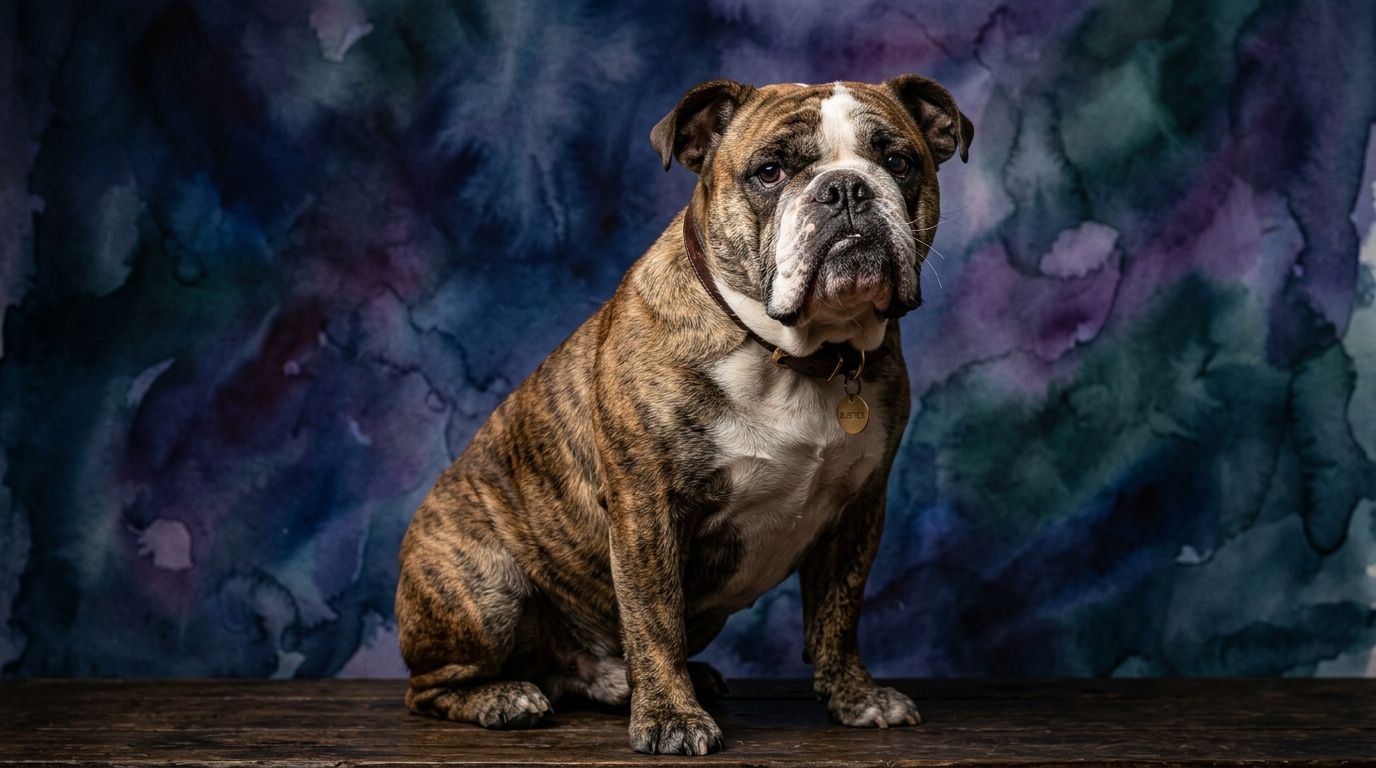
Side-by-Side IQ Profile: Bulldog (English)
The English Bulldog, holding a Coren rank of #77, presents a more relaxed cognitive blueprint. Their problem-solving ability is 2/5, suggesting they prefer straightforward situations and may not be inclined towards complex mental gymnastics. Training speed, like the Dachshund, is 2/5, often reflecting a deliberate pace and a need for clear, consistent motivation. Where they truly shine is social intelligence, scoring 4/5, indicating a deep understanding of human emotions and a strong desire for companionship and harmony within the household. Their instinctive drive is a moderate 3/5, translating to a more manageable level of natural urges compared to hunting breeds, often expressed as a love for play or food. Memory, at 2/5, means they might require more repetition to solidify learned commands or recall specific events, valuing routine over detailed recollection.
Where the Dachshund Wins Cognitively
A Dachshund's cognitive strengths primarily lie in their superior problem-solving and unparalleled instinctive drive. Their 4/5 problem-solving score means they excel at tasks demanding sequential thought, such as figuring out how to retrieve a toy stuck under furniture or devising a method to access a 'forbidden' treat. This isn't just about persistence; it's about active strategizing. Coupled with their 5/5 instinctive drive, this breed possesses an unwavering focus on their goals, whether it's tracking a scent trail, digging a burrow, or simply chasing a squirrel. This drive fuels their determination, making them incredibly effective at tasks that tap into their primal hunting instincts, often showing impressive endurance and single-mindedness in pursuit.
Where the Bulldog (English) Wins Cognitively
The English Bulldog's cognitive edge is undeniably in their social intelligence, where they score an impressive 4/5. This translates to an exceptional ability to read and respond to human emotions, making them highly attuned companions. A Bulldog can often sense a change in mood, offering comfort or seeking interaction at just the right moment. Their social acumen fosters strong bonds, making them adept at integrating into family dynamics and understanding household routines. While they may not be strategizing complex puzzles, they are master navigators of social situations, valuing harmony and connection above all else, often displaying a patient and agreeable disposition that makes them wonderful, empathetic companions.
Which is Easier to Train and Why
Assessing trainability, both breeds score 2/5 for training speed, yet the nature of the challenge differs significantly. The Dachshund’s lower training speed stems from their powerful 5/5 instinctive drive and independent spirit. When a fascinating scent or movement captures their attention, their innate drive can easily override a command, making redirection challenging. Training a Dachshund requires immense patience, consistency, and high-value rewards to compete with their natural urges, essentially convincing them that obeying is more rewarding than following their nose. The English Bulldog's 2/5 training speed, conversely, is less about overriding instinct and more about their lower problem-solving and memory scores (both 2/5), combined with a propensity for stubbornness. They may take longer to grasp new commands and require extensive repetition to commit them to memory. However, their higher social intelligence (4/5) can be an advantage; they often want to please their people, making them more amenable to positive, reward-based training sessions, provided the tasks aren't overly complex and the motivation is high. Neither breed is 'easy' in the conventional sense, but the Bulldog's social motivation might make them more consistently engaged in a low-distraction environment, while the Dachshund demands a more creative approach to manage their intense drives.
Which Suits Active Owners vs. Relaxed Owners
Considering their cognitive profiles, the Dachshund is better suited for owners who are prepared for an active, engaging partnership. Their high problem-solving and intense instinctive drive mean they thrive with mental stimulation, regular opportunities for scent work, and consistent, firm training that channels their tenacity. Owners who enjoy outdoor activities, puzzle toys, and a dog with a strong, independent personality will find a rewarding companion in a Dachshund. Conversely, the English Bulldog aligns perfectly with more relaxed owners. Their moderate instinctive drive and lower need for complex mental tasks mean they are content with shorter, leisurely walks and ample cuddle time. Their high social intelligence makes them ideal for individuals or families who prioritize a calm, affectionate companion who enjoys being a part of daily household life, without requiring strenuous physical or mental exertion.
The Verdict
For those seeking a determined, problem-solving companion eager to engage in mentally stimulating games and scent work, the Dachshund is an excellent choice.
If your lifestyle calls for a calm, socially attuned, and affectionate companion who thrives on routine and companionship, the English Bulldog stands out.
🧠 Find Your Pet's IQ Score
Our Pet IQ Lab assessment covers 25+ tests across 5 cognitive dimensions — personalized to your breed.
Take the Full IQ Test →Frequently Asked Questions
Are Dachshunds stubborn?
Dachshunds often appear stubborn due to their powerful 5/5 instinctive drive and independent nature, which can make them prioritize following a scent or digging over obeying commands. This isn't necessarily defiance, but a strong genetic predisposition that requires consistent, engaging training to manage.
Are Bulldogs difficult to train?
English Bulldogs can be challenging to train because of their 2/5 scores in problem-solving, training speed, and memory, meaning they learn new commands slowly and require significant repetition. Their occasional stubbornness also means training sessions need to be patient, positive, and highly motivating.
Which breed is better with children?
The English Bulldog, with its 4/5 social intelligence and generally calm demeanor, often adapts well to family life and can be patient with children. Dachshunds, with their 3/5 social intelligence and strong prey drive, might require more supervision with very young children and careful socialization to ensure positive interactions.