
Side-by-Side IQ Profile: Hound vs. Working Dog
The Cosmic Pet Pet IQ Lab employs a multi-faceted approach to understanding canine intelligence, moving beyond single-score rankings to appreciate diverse cognitive strengths. For the Dachshund, a Hound group member with a Coren ranking of #49, their profile highlights a Problem Solving score of 4/5, indicating a strong capacity for independent thought and overcoming obstacles. However, their Training Speed registers at 2/5, reflecting a characteristic independence often perceived as stubbornness. Their Social Intelligence is rated 3/5, suggesting moderate adaptability in group dynamics, while an impressive Instinctive Drive of 5/5 underscores their deeply ingrained hunting behaviors. Memory for the Dachshund is a solid 3/5, allowing them to retain learned experiences and routines.
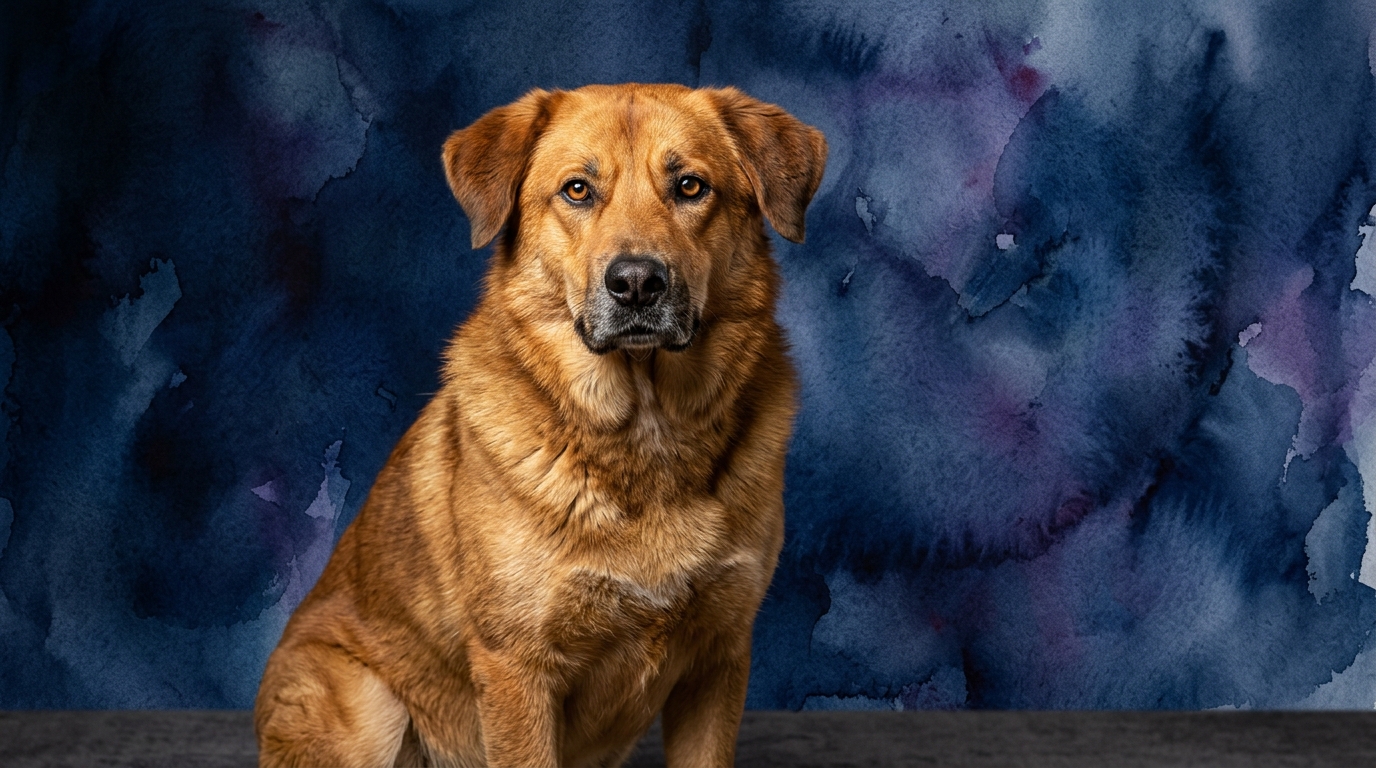
In contrast, the Chinook, a member of the Working group and not Coren-ranked, presents a more balanced cognitive profile. Their Problem Solving ability is rated 3/5, indicating a competent but perhaps less independently driven approach compared to the Dachshund. Crucially, their Training Speed is 3/5, suggesting a more cooperative and responsive nature during instructional sessions. Social Intelligence for the Chinook also stands at 3/5, mirroring the Dachshund's capacity for group interaction. Their Instinctive Drive is a moderate 3/5, reflecting a balanced drive for tasks without the intense specialization seen in pure hunting breeds. Finally, the Chinook's Memory is also rated 3/5, providing a reliable foundation for learning and recall.
Where the Dachshund Excels Cognitively
The Dachshund's cognitive advantages are most apparent in their superior Problem Solving and unparalleled Instinctive Drive. Their 4/5 Problem Solving score isn't about complex abstract reasoning, but rather an innate ability to figure out how to achieve a goal, often independently, especially when it involves scent or prey. This manifests in their capacity to navigate tricky environments, bypass barriers, or outsmart small quarry, a legacy of their badger-hunting ancestry. For instance, a Dachshund might independently figure out how to open a specific cabinet to access treats, or devise a unique strategy to retrieve a toy stuck under furniture, demonstrating persistent, goal-oriented thinking.
Furthermore, their Instinctive Drive, rated a perfect 5/5, is a profound cognitive strength. This isn't merely about chasing; it's about the entire complex sequence of scent detection, tracking, flushing, and sometimes, holding prey. This drive fuels their focus and determination, making them incredibly effective in activities that tap into their natural inclinations, such as earthdog trials or scent work. Their memory of scent trails, combined with their relentless pursuit, showcases a specialized form of intelligence deeply rooted in their breed purpose, allowing them to operate with remarkable autonomy and focus when engaged in these instinctual behaviors.
Where the Chinook Shows Cognitive Strengths
The Chinook's cognitive strengths shine particularly in their Training Speed and a more balanced, adaptable Instinctive Drive, which contrasts with the Dachshund's specialized focus. With a Training Speed of 3/5, the Chinook is generally more receptive to learning new commands and routines, often showing a greater willingness to cooperate with their human handler. This isn't to say they're automatons, but their working breed heritage imbues them with a desire for purpose and partnership, making them more amenable to structured lessons and consistent instruction. This translates into faster acquisition of obedience commands and a more fluid integration into various roles, from family companion to working partner.
While their Problem Solving and Social Intelligence are comparable or slightly lower than the Dachshund in specific areas, the Chinook's more moderate Instinctive Drive (3/5) is a cognitive advantage in terms of versatility. Unlike the Dachshund's single-minded pursuit, the Chinook's drive is broad enough to be channeled into diverse activities without overwhelming specificity. This means they can apply their intelligence to a wider range of tasks, from pulling sleds to agility or therapy work, often with enthusiasm. Their balanced cognitive profile allows them to adapt to different learning scenarios and societal expectations more readily, making them highly trainable for a variety of roles beyond their primary working function.
Trainability: Dachshund vs. Chinook
When it comes to ease of training, the data suggests a clear distinction between these two breeds, primarily driven by their Training Speed scores. The Chinook, with its 3/5 Training Speed, generally presents a more straightforward training experience. Their working background predisposes them to collaboration and a desire to understand and execute tasks for their handler. They respond well to positive reinforcement and consistent methods, often picking up new commands with relative ease and maintaining focus during sessions. This cooperative spirit makes them suitable for owners who enjoy engaging in regular training and value a dog that readily integrates new behaviors.
The Dachshund, however, with a Training Speed of 2/5, often requires a more patient, creative, and consistent approach. Their independent problem-solving and intense instinctive drive mean they are often more interested in their own agenda than in following human directives, especially if those directives don't align with their natural inclinations. Training a Dachshund often involves making lessons highly engaging, leveraging their love for scent work, and understanding that 'stubbornness' is often a manifestation of their strong independent will and focus on their own perceived goals. While they are capable of learning, the process may take longer and demand more ingenuity from the owner to maintain engagement and compliance, particularly in areas like recall or heel where their prey drive can be a significant distraction.
Suitability for Active vs. Relaxed Owners
The ideal owner profile for each breed significantly differs based on their cognitive and physical needs, particularly regarding activity levels. The Chinook, with its working heritage and balanced instinctive drive, thrives with active owners. They require consistent physical exertion and mental engagement to prevent boredom and channel their energy constructively. Owners who enjoy hiking, running, sledding, or participating in dog sports like agility or obedience will find a willing and capable partner in a Chinook. Their moderate problem-solving and higher training speed mean they benefit greatly from structured activities that challenge both their bodies and minds, making them less suited for purely relaxed, sedentary lifestyles.
The Dachshund, while small, is not necessarily suited for purely 'relaxed' owners in the sense of minimal engagement. Their intense instinctive drive (5/5) and strong problem-solving skills (4/5) demand mental stimulation and opportunities to express their natural behaviors. While they don't require marathon runs, they need regular walks, opportunities for scent work, and engaging puzzle toys to satisfy their cognitive needs. Owners who appreciate a dog with a distinct personality, enjoy short bursts of activity followed by cuddles, and are prepared to manage a strong prey drive will find a Dachshund rewarding. They are better suited for owners who can provide consistent, engaging mental enrichment rather than just physical exercise, fitting a 'relaxed' owner who is still intellectually engaged with their pet's unique needs.
The Verdict
Choose the Dachshund if you appreciate a dog with profound independent problem-solving skills and a robust instinctive drive, willing to invest patience in training a strong-willed companion.
Opt for the Chinook if you seek a cooperative, versatile working dog with a balanced cognitive profile, eager to partner in an active lifestyle and engage in consistent training.
🧠 Find Your Pet's IQ Score
Our Pet IQ Lab assessment covers 25+ tests across 5 cognitive dimensions — personalized to your breed.
Take the Full IQ Test →Frequently Asked Questions
Which breed is better for first-time dog owners?
The Chinook's more cooperative nature and higher training speed generally make it a more manageable choice for first-time dog owners. Their desire to please and balanced drives can lead to a smoother training experience compared to the independent Dachshund.
Do Dachshunds require a lot of exercise despite their small size?
While not requiring endurance activities, Dachshunds do need regular, engaging exercise and significant mental stimulation to satisfy their high instinctive drive and problem-solving intellect. Short, frequent walks with opportunities for sniffing and puzzle toys are crucial.
Are Chinooks good family dogs with children?
Chinooks, with their balanced social intelligence and generally cooperative nature, can be excellent family dogs. Their working background often means they are patient and gentle, though proper socialization and supervision with children are always recommended.