
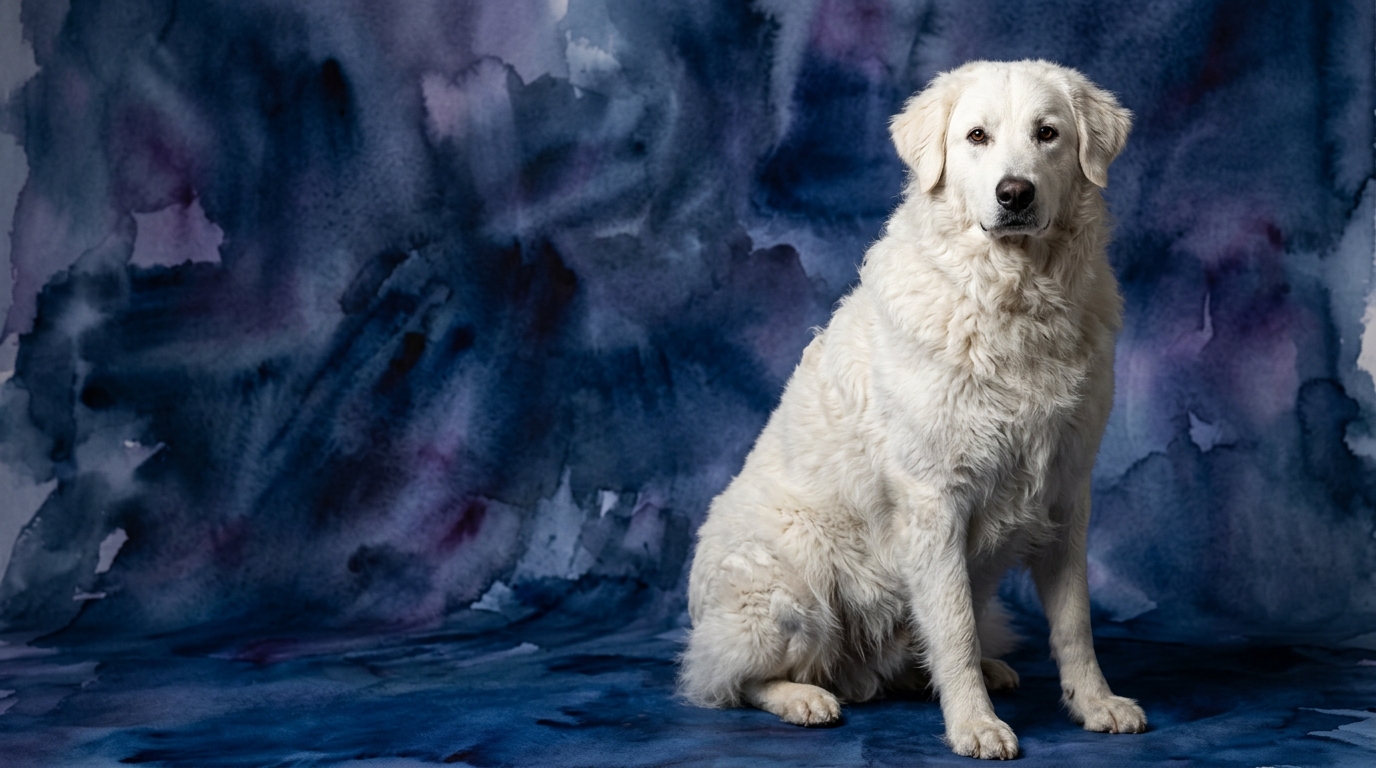
Side-by-Side IQ Profile: Dachshund vs Kuvasz
At The Cosmic Pet Pet IQ Lab, we dissect canine intelligence across five critical dimensions, offering a nuanced understanding beyond simple obedience. Comparing the Dachshund, a small hound with a Coren rank of #49, to the majestic Kuvasz, a working breed ranked #42, illustrates how form follows function even in the mind.
The Dachshund's cognitive blueprint is deeply rooted in its original purpose: independent hunting of badgers and other burrowing prey. Their problem-solving aptitude earns a strong 4/5, reflecting their ability to independently navigate complex underground tunnels and strategize around obstacles. However, their training speed is a modest 2/5, a reflection of profound independence and a tendency to prioritize olfactory investigations over human directives. Social intelligence sits at 3/5, indicating they form strong bonds but often display a self-assured, sometimes aloof demeanor. Their instinctive drive is an exceptional 5/5, a relentless focus on scent tracking, digging, and prey pursuit. Memory for a Dachshund is an average 3/5, sufficient for routines and familiar faces, but less critical than their immediate sensory focus.
In contrast, the Kuvasz, a formidable livestock guardian, presents a different cognitive emphasis. Their problem-solving score is 3/5, practical and context-specific, focused on assessing threats and protecting their charges. Training speed for the Kuvasz is a solid 3/5; they are capable learners but possess an inherent independence, stemming from their need to make autonomous decisions in the field. Social intelligence is also 3/5, characterized by deep devotion to their family or flock, yet often reserved and watchful with strangers. Their instinctive drive, rated 3/5, is centered on vigilance and protection, a broad awareness of their territory rather than a singular, intense focus. Notably, the Kuvasz excels in memory, scoring 4/5, vital for remembering their territory, charges, and distinguishing between familiar and potential threats.
Where the Dachshund Wins Cognitively
The Dachshund truly shines in two specific cognitive areas: problem-solving and instinctive drive. Their 4/5 rating in problem-solving isn't about solving puzzles for human approval; it's about an innate, self-directed ingenuity. Bred to independently track and confront prey in subterranean environments, a Dachshund must constantly assess situations, navigate confined spaces, and adapt their approach to overcome obstacles. This translates into a dog that can figure out how to open cabinets, escape enclosures, or locate hidden treats with remarkable persistence, driven by their own motivations rather than external commands. This isn't a desire to please, but a deep-seated drive to achieve a goal.
Furthermore, their instinctive drive, scoring an unparalleled 5/5, is a profound cognitive strength. This isn't just about having a strong nose; it's about an unwavering focus and perseverance. When a Dachshund locks onto a scent, their entire cognitive apparatus is engaged. They demonstrate an extraordinary capacity for sustained attention, filtering out distractions to follow a trail, a testament to their specialized sensory processing and an internal motivation that few other breeds can match. This intense, specialized drive is a highly effective form of intelligence for their intended purpose, even if it sometimes conflicts with domestic expectations.
Where the Kuvasz Wins Cognitively
The Kuvasz’s cognitive strengths are equally tailored to their ancestral role as a livestock guardian, particularly in their superior memory and slightly higher Coren rank. Scoring 4/5 in memory, the Kuvasz possesses a remarkable capacity for recall that is crucial for their protective duties. A guardian dog must remember every member of its flock, every regular visitor, and the precise boundaries of its territory. This sustained memory allows them to distinguish between familiar, harmless elements and genuine threats, making independent, informed decisions about who belongs and who doesn't. This isn't merely rote learning; it's a dynamic memory system that informs their vigilance and judgment over time, allowing them to build a comprehensive mental map of their environment and social structure.
While subtle, the Kuvasz's Coren rank of #42, seven places higher than the Dachshund's #49, suggests a slightly quicker grasp of new commands and a greater capacity for generalized obedience when consistently trained. This marginal advantage in working and obedience intelligence indicates they might require fewer repetitions to learn a new cue or be more adaptable in applying learned behaviors across different contexts, provided the training is fair, consistent, and respects their independent nature. This slight edge in processing human directives, combined with their strong memory, allows them to absorb and retain a broader repertoire of commands necessary for effective partnership with their human handlers, without compromising their inherent autonomy.
Which is Easier to Train and Why
Determining which breed is 'easier' to train is nuanced, as both present unique challenges rooted in their cognitive profiles. The Dachshund, with a training speed of 2/5, is often perceived as stubborn. This isn't a deficit in learning ability, but rather a manifestation of their independent problem-solving and overwhelming instinctive drive. A Dachshund's mind is often captivated by scents or the thrill of the chase, making it difficult for them to focus on human-initiated commands. Their problem-solving aptitude is typically self-directed; they're figuring out how to achieve *their* goals, not necessarily *yours*. Training a Dachshund requires immense patience, creativity, and making the training feel like a game or a valuable hunt, often involving high-value rewards to compete with their natural urges. Without this approach, their tenacious focus on their own agenda can make them seem resistant to instruction.
The Kuvasz, with a training speed of 3/5, is marginally more receptive to general obedience. They are capable of learning, but their independence, a critical trait for a guardian dog making autonomous decisions, means they are not inherently 'people-pleasers.' They respond best to a confident, consistent leader who uses positive reinforcement and clear communication. Their strong memory helps them retain commands, but their guarding instincts can sometimes override learned behaviors if they perceive a threat. While they may not have the singular, overwhelming sensory distraction of a Dachshund's scent drive, their independent decision-making and protective nature demand a thoughtful, consistent training approach. Overall, for general obedience in a typical domestic setting, the Kuvasz might be marginally easier to train, requiring fewer repetitions and possessing a somewhat broader willingness to engage with human directives, provided their guardian instincts are understood and managed.
Which Suits Active Owners vs Relaxed Owners
Neither the Dachshund nor the Kuvasz can be truly described as suiting 'relaxed' owners in the conventional sense, as both demand specific forms of engagement and activity, albeit different ones. The Dachshund, despite its diminutive size, is far from a sedentary lapdog. Its 5/5 instinctive drive means it requires significant mental stimulation and outlets for its innate urges. Owners who are 'active' in a cognitive sense, enjoying scent work, earthdog trials, or long walks where the Dachshund can engage its powerful nose, will find this breed fulfilling. They thrive when given a 'job' that satisfies their hunting instincts, such as puzzle toys or tracking games. A truly relaxed owner might find themselves contending with destructive digging or incessant barking as the Dachshund seeks to fulfill its own mental needs.
The Kuvasz, conversely, requires 'active' owners in a more traditional, physical sense, combined with a deep understanding of guardian breed psychology. Their substantial size and powerful build necessitate ample physical exercise to maintain health and prevent boredom. They need space to patrol and a sense of purpose. Owners who enjoy long walks, have large, securely fenced yards, or even a small 'flock' to oversee (be it children, other pets, or even just the household) will find the Kuvasz thrives. Their protective instincts also require owners who are actively engaged in consistent socialization and training to ensure they are well-adjusted and differentiate between real and perceived threats. A relaxed owner unprepared for the physical demands, independent nature, and protective tendencies of a Kuvasz would likely find themselves overwhelmed.
The Verdict
Choose the Dachshund if you appreciate a dog with immense tenacity, a self-reliant problem-solving mind, and are prepared to channel their powerful instinctive drives into engaging activities like scent work or earthdog sports.
Opt for the Kuvasz if you are an experienced dog owner capable of consistent leadership, understand the unique needs of a powerful guardian breed, and can provide ample space, exercise, and a clear sense of purpose for a dog with exceptional memory and protective instincts.
🧠 Find Your Pet's IQ Score
Our Pet IQ Lab assessment covers 25+ tests across 5 cognitive dimensions — personalized to your breed.
Take the Full IQ Test →Frequently Asked Questions
Do Dachshunds need a lot of exercise?
While small, Dachshunds are active and require regular exercise. More importantly, they need mental stimulation and outlets for their strong instinctive drives, such as scent games or opportunities to dig in designated areas, to prevent boredom and destructive behaviors.
Is the Kuvasz a good family dog?
A Kuvasz can be a devoted and protective family dog, especially with children it has grown up with, due to its strong guarding instincts. However, its independent nature and protective tendencies require extensive socialization from a young age and consistent, confident leadership from experienced owners to ensure it is well-adjusted and safe in a family environment.
Which breed is better for apartment living?
The Dachshund is generally better suited for apartment living due to its smaller size, though its need for mental stimulation and outlets for its instinctive drives must still be met. The large Kuvasz, with its need for ample space, exercise, and a sense of purpose, is typically not recommended for apartment environments.