The Cosmic Pet Pet IQ Lab: Dachshund vs. Mastiff Cognitive Profiles
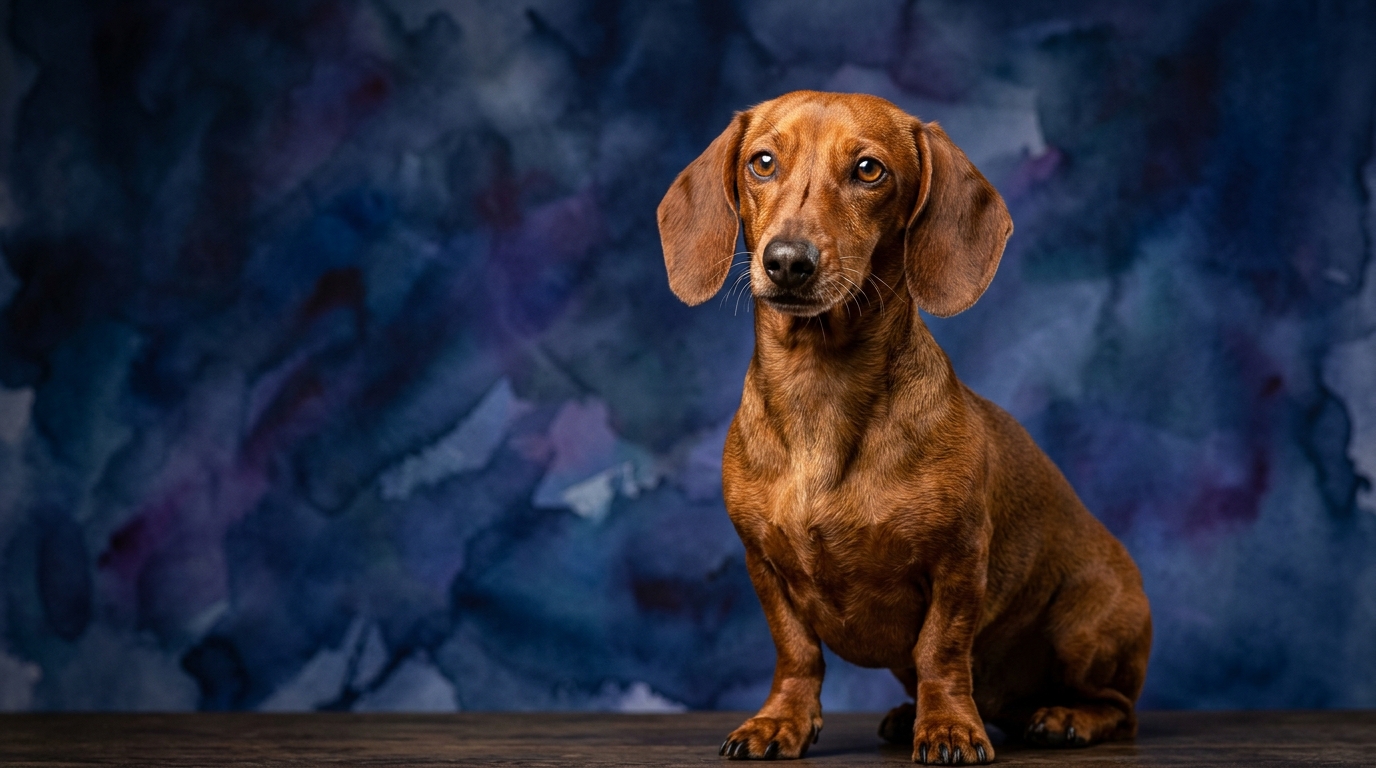
The Dachshund, a Hound group member with a Coren rank of #49, showcases a unique cognitive blend honed for its original purpose. Their Problem Solving is rated an impressive 4/5, indicating a quick, often cunning ability to navigate obstacles and achieve goals, reflecting their badger-hunting heritage. However, this independent spirit translates to a Training Speed of 2/5, meaning they require more patience and creative motivation to learn new commands. Their Social Intelligence scores 3/5, suggesting a loyal but potentially selective nature, deeply bonded to their inner circle but sometimes reserved with strangers. A standout trait is their Instinctive Drive at 5/5, a powerful force fueling their scent-driven persistence and tenacity. Finally, their Memory is a solid 3/5, sufficient for routines and retaining key associations.
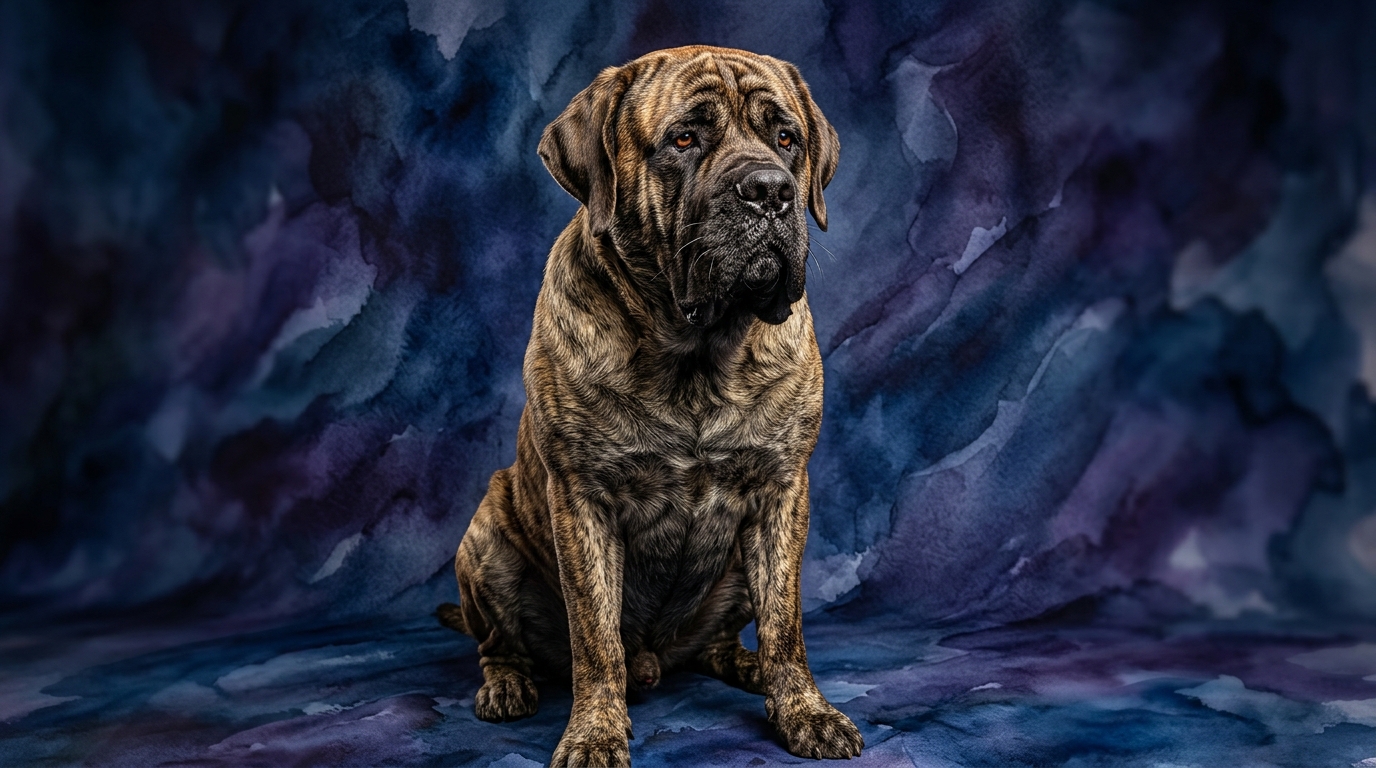
In stark contrast, the Mastiff, a Working group member with a Coren rank of #72, presents a more balanced and deliberate cognitive profile. Their Problem Solving stands at 3/5; while not as quick-witted as the Dachshund, they approach challenges with a thoughtful, measured pace, often observing before acting. Their Training Speed is 3/5, indicating they are steady learners who might not grasp concepts instantly but reliably retain them with consistent instruction. Like the Dachshund, their Social Intelligence is 3/5, but it manifests as a gentle, protective loyalty towards their family, often displaying a calm wariness towards unfamiliar individuals. The Mastiff's Instinctive Drive is 3/5, reflecting a guardian's vigilance rather than a hunter's intensity, with a moderate drive to protect their territory and loved ones. Their Memory, also 3/5, supports their consistent learning and ability to recall established patterns and commands.
Dachshund's Cognitive Edge: Resourceful Problem Solvers
When we examine specific cognitive strengths, the Dachshund undeniably shines in areas demanding tenacity and individual initiative. Their Problem Solving score of 4/5, significantly higher than the Mastiff's 3/5, speaks volumes about their capacity for clever, often independent thought. This isn't about brute force; it's about finding ingenious ways around obstacles, whether it’s figuring out how to reach a dropped treat or outmaneuvering a perceived barrier. This cognitive agility is a direct legacy of their historical role, where a Dachshund needed to think on its feet, deep underground, to confront and extract prey without human direction.
Coupled with their exceptional Instinctive Drive of 5/5, the Dachshund possesses an unparalleled single-mindedness. This powerful drive fuels their persistence, transforming a cognitive challenge into a personal quest. While the Mastiff's drive is geared towards protection and calm vigilance, the Dachshund's is a focused, unwavering pursuit, often sensory-driven. This means they are not just capable of solving problems, but are deeply compelled to do so, applying their mental faculties with an intensity that can surprise those unfamiliar with the breed's historical purpose. This combination makes them formidable when engaged in tasks that align with their innate motivators.
Mastiff's Thoughtful Strengths: Calm & Steady Cognition
While the Dachshund excels in quick, tenacious problem-solving, the Mastiff's cognitive strengths lie in a different realm: a balanced, deliberate approach coupled with a steady learning capacity. Their Training Speed of 3/5, surpassing the Dachshund's 2/5, highlights their more amenable nature to instruction. Mastiffs might not be as quick to pick up a new trick on the first attempt, but their retention is reliable. This isn't a flash of brilliance, but rather a consistent, thoughtful absorption of information, making them dependable partners in a structured learning environment.
The Mastiff's cognitive profile, particularly their 3/5 Problem Solving and 3/5 Instinctive Drive, fosters a calm, protective demeanor that requires a different kind of mental processing. Their intelligence is less about independent cunning and more about observational awareness and measured responses. They process their environment, assessing threats and situations with a quiet discernment. Their social intelligence, while rated the same as the Dachshund, manifests as a gentle, patient interaction with their family and a deliberate, watchful stance towards strangers, rather than the Dachshund's sometimes selective and independent wariness. This thoughtful, steady cognitive style makes them exceptionally reliable and predictable companions once they understand their role and boundaries.
Training Dynamics: Patience for the Dachshund, Consistency for the Mastiff
When it comes to training, the cognitive differences between these two breeds become strikingly apparent, dictating very distinct approaches. The Dachshund's Training Speed of 2/5, combined with their 5/5 Instinctive Drive and 4/5 Problem Solving, means they are not inherently difficult to understand, but rather possess a strong internal compass. They are quick to learn what benefits them and equally quick to dismiss what doesn't. Training a Dachshund demands immense patience, creativity, and the use of high-value rewards to capture their attention and override their strong independent streak. Behavioral challenges often arise from their powerful prey drive and their tendency to follow their nose or their own clever agenda, requiring owners to be more resourceful in their training methods than the dog itself.
The Mastiff, with a Training Speed of 3/5, offers a more straightforward, albeit slower, training experience. They are generally eager to please their human companions and lack the intense, distracting instinctive drive of the Dachshund. While they might not grasp new commands immediately, their strength lies in consistent retention. Training a Mastiff requires repetitive, gentle reinforcement and clear, concise communication. Their problem-solving is more deliberate, meaning they need time to process and understand expectations. Owners will find success with a calm, confident approach, focusing on building trust and routine rather than trying to outsmart an independent thinker. Their lower instinctive drive means fewer distractions from external stimuli, allowing them to focus more readily on their handler.
Matching Minds to Lifestyles: Activity Levels & Cognitive Needs
The distinct cognitive profiles of the Dachshund and Mastiff naturally align with very different owner lifestyles. The Dachshund, despite its small stature, demands an owner who appreciates and can channel its formidable mental energy. Their 4/5 Problem Solving and 5/5 Instinctive Drive mean they thrive on mental engagement, scent work, puzzle toys, and consistent, stimulating training that challenges their cleverness. An active owner for a Dachshund isn't necessarily someone who runs marathons, but rather someone who is mentally active, prepared to provide varied enrichment that satisfies their innate drive to explore, investigate, and "hunt" for solutions. A relaxed owner who expects a passive lapdog might find themselves with a bored, potentially destructive or vocal companion.
Conversely, the Mastiff, with its more balanced cognitive scores and moderate instinctive drive, is well-suited for a more relaxed owner, provided they receive adequate socialization and consistent, gentle guidance. Their 3/5 Problem Solving and 3/5 Instinctive Drive mean they appreciate routine and a calm environment. While they benefit from regular walks and gentle play, their primary need is for a secure, loving home where they can fulfill their role as a steadfast, protective companion. An owner who values a thoughtful, serene presence and is committed to consistent, patient training will find a Mastiff to be an incredibly rewarding companion, adapting well to a quieter lifestyle while still appreciating mental engagement through obedience and companionship.
The Verdict
Choose a Dachshund if you appreciate a tenacious, clever companion who thrives on mental challenges and independent thinking, and you're prepared for a dedicated, creative training journey.
Opt for a Mastiff if you seek a calm, steadfast companion who learns steadily with consistent, gentle guidance, providing a thoughtful and protective presence in a more relaxed home environment.
🧠 Find Your Pet's IQ Score
Our Pet IQ Lab assessment covers 25+ tests across 5 cognitive dimensions — personalized to your breed.
Take the Full IQ Test →Frequently Asked Questions
Are Dachshunds truly stubborn?
Their low training speed and high instinctive drive often manifest as stubbornness; they prefer to follow their nose or their own agenda, requiring patient and engaging training methods that make training more rewarding than their independent pursuits.
How does a Mastiff's problem-solving differ from a Dachshund's?
A Mastiff approaches problems deliberately, using a thoughtful, measured strategy, often observing before acting, while a Dachshund often employs quick, tenacious, and sometimes cunning tactics driven by their strong hunting instincts and desire to achieve a goal.
Do Mastiffs require less mental stimulation than Dachshunds?
While Mastiffs might not demand the same intensity of problem-solving games as a Dachshund, they still benefit significantly from consistent training, puzzle toys, and environmental enrichment to prevent boredom and foster their steady cognitive development, just in a calmer, more routine-based manner.