Side-by-Side IQ Profile: Dachshund vs. Miniature Poodle
The Cosmic Pet Pet IQ Lab evaluates canine intelligence across five key dimensions, providing a nuanced understanding of each breed's cognitive strengths and tendencies.
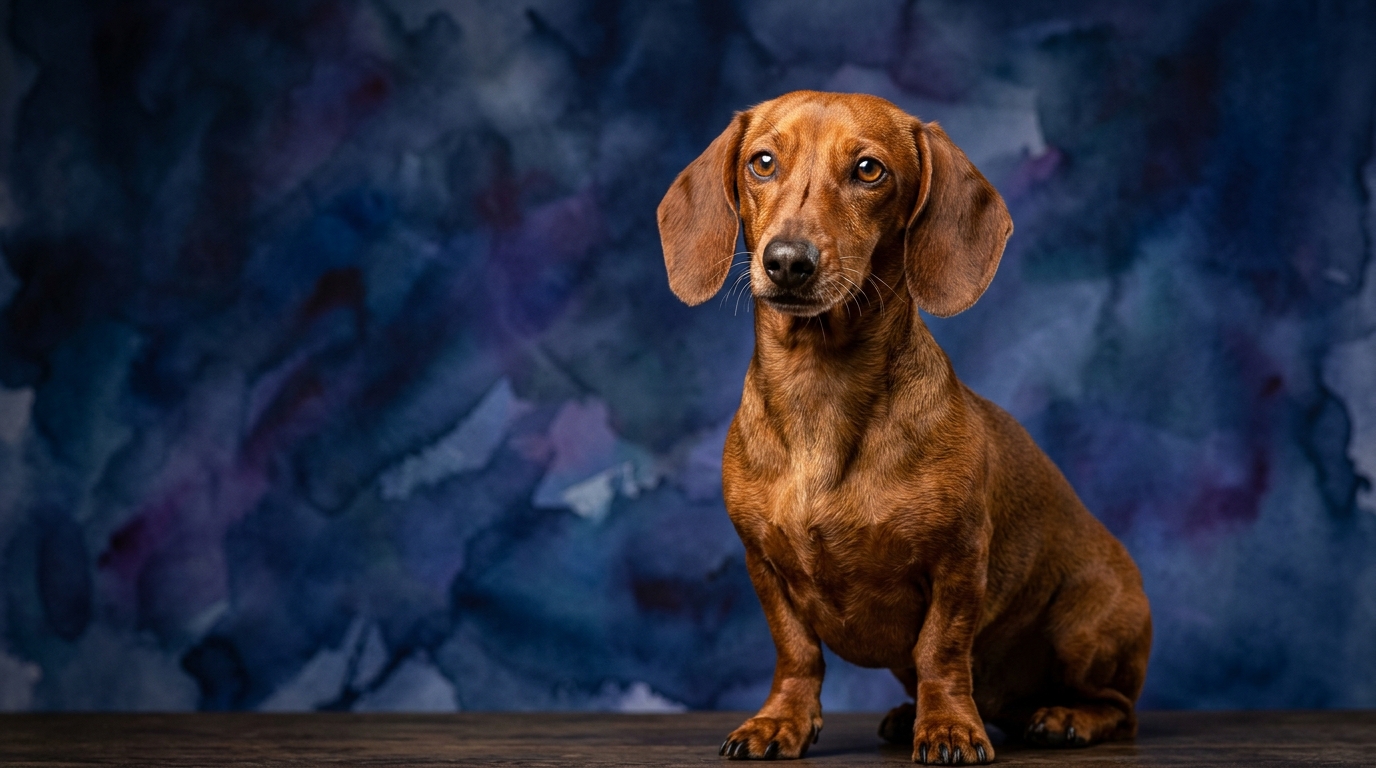
For the Dachshund (Coren rank #49, Hound group): Problem Solving 4/5, Training Speed 2/5, Social Intelligence 3/5, Instinctive Drive 5/5, Memory 3/5. This breed displays sharp, independent thinking, particularly when faced with challenges related to its original hunting purpose, like navigating tight spaces or outsmarting burrowing prey. While capable of learning, its independent streak means it can be slow to comply with commands, often preferring to weigh its own motivations against the handler's requests. It forms strong bonds with its chosen family, often exhibiting a keen awareness of their moods, but can be reserved towards strangers. The Dachshund possesses a powerful prey drive and an unwavering determination to follow scents, reflecting its heritage as a badger hunter. It retains information related to its environment, routines, and experiences, particularly those associated with positive reinforcement.
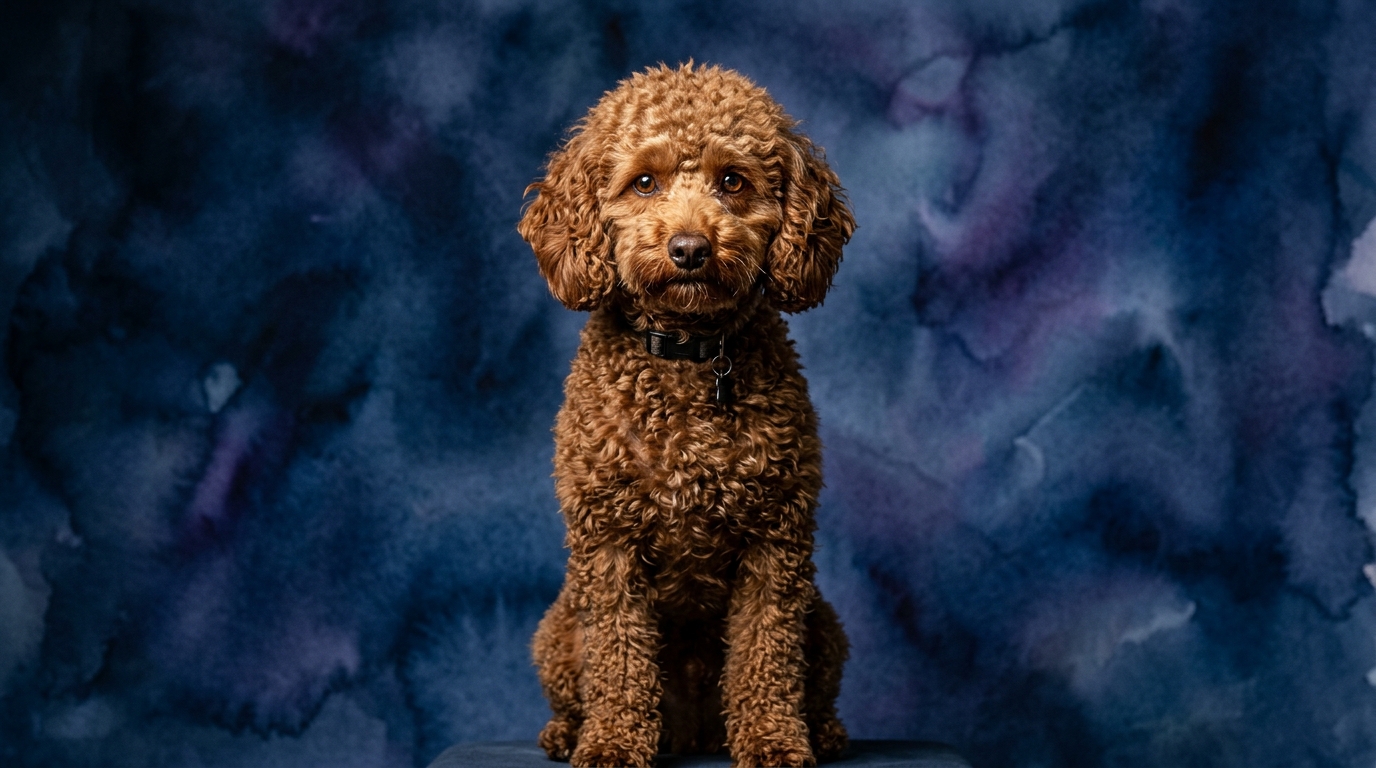
For the Miniature Poodle (Coren rank #2, Non-Sporting group): Problem Solving 5/5, Training Speed 5/5, Social Intelligence 3/5, Instinctive Drive 3/5, Memory 5/5. This breed demonstrates exceptional aptitude for complex tasks and novel situations, often quickly grasping abstract concepts and applying learned behaviors to new contexts. It learns new commands and routines with remarkable speed and eagerness, often requiring fewer repetitions than most breeds to achieve mastery. The Miniature Poodle engages readily with its human companions and is generally amiable towards others, often adapting well to various social settings. It possesses a moderate instinctive drive, which can manifest as a playful retrieve or an interest in scent work, but it is generally manageable. This breed exhibits outstanding long-term and short-term recall, remembering a vast repertoire of commands, tricks, and past experiences with impressive accuracy.
Where the Dachshund Wins Cognitively
The Dachshund's cognitive strength lies in its profound instinctive drive and independent problem-solving, particularly in scenarios demanding self-reliance and tenacity. With an instinctive drive rated 5/5, it possesses an unparalleled focus on scent trails and a relentless determination to achieve its goal, whether it's tracking a hidden treat or investigating a fascinating smell in the yard. This isn't just stubbornness; it's a deep-seated cognitive program for independent pursuit. Its problem-solving, rated 4/5, often manifests as clever, self-directed strategies for overcoming physical obstacles or accessing desired items, sometimes surprising owners with their ingenuity in navigating complex environments or outmaneuvering perceived barriers. This breed thrives when given a task that appeals to its innate drives, showcasing a specialized intelligence for persistence and independent action that few breeds can match.
Where the Miniature Poodle Wins Cognitively
The Miniature Poodle's cognitive superiority shines in areas of rapid learning, advanced problem-solving, and superior memory. With a perfect 5/5 in both Problem Solving and Training Speed, this breed processes new information with remarkable efficiency, often making connections and understanding cues faster than many of its canine counterparts. Its ability to quickly generalize learned behaviors to novel situations and grasp multi-step commands demonstrates a flexible and adaptive intellect. Furthermore, a memory rating of 5/5 means the Miniature Poodle retains a vast amount of information over time, allowing for the mastery of extensive repertoires of tricks, complex obedience routines, and even specialized tasks. This breed's mental agility and capacity for recall are its defining cognitive advantages, making it exceptionally receptive to structured learning and mentally stimulating activities.
Which is Easier to Train and Why
Between the two, the Miniature Poodle is undeniably easier to train, primarily due to its exceptional Training Speed (5/5) and superior Memory (5/5). Miniature Poodles display a strong eagerness to please and an inherent focus on their human companions, making them highly receptive to instruction. They quickly understand what is being asked of them and retain that information over the long term, meaning fewer repetitions are needed to solidify a command. Their moderate instinctive drive (3/5) also means they are less likely to be distracted by environmental stimuli during training sessions. In contrast, the Dachshund's training speed is rated 2/5, reflecting its independent nature and powerful instinctive drive (5/5). While capable of learning, a Dachshund often weighs the value of complying against its own desires to follow a scent or pursue an interesting lead, requiring more patience, consistent motivation, and often, more creative training approaches to achieve reliable responses.
Which Suits Active Owners vs. Relaxed Owners
The Miniature Poodle, with its high problem-solving capacity and rapid training speed, is an excellent match for active owners who enjoy engaging in mental and physical activities. Owners who thrive on teaching new tricks, participating in dog sports like agility or obedience, or even exploring advanced scent work will find the Poodle's sharp mind and eagerness to learn incredibly rewarding. Its moderate instinctive drive makes it adaptable to various activities without being overly fixated on one specific pursuit. Conversely, the Dachshund, while possessing a formidable instinctive drive, is often better suited for relaxed owners who appreciate an independent companion and are prepared to manage its strong will. While they still require regular exercise and mental stimulation to prevent boredom, their problem-solving tends to be more self-directed, and their training requires a more patient, less demanding approach. Owners who enjoy leisurely walks with opportunities for sniffing, and who appreciate a dog with a distinct personality and a robust sense of self, might find the Dachshund a perfect fit.
The Verdict
Choose a Dachshund if you admire a tenacious, independent spirit with a powerful instinctive drive, and you're prepared for a companion whose problem-solving is often self-directed and whose training requires patience and understanding of its unique motivations.
Opt for a Miniature Poodle if you seek a highly trainable, intelligent partner eager to learn complex tasks, excel in structured activities, and thrive on consistent mental engagement and companionship.
🧠 Find Your Pet's IQ Score
Our Pet IQ Lab assessment covers 25+ tests across 5 cognitive dimensions — personalized to your breed.
Take the Full IQ Test →Frequently Asked Questions
Do Dachshunds enjoy learning tricks?
Dachshunds can learn tricks, especially those that appeal to their natural instincts or involve problem-solving. However, their independent nature means they might take longer to master commands and require more persistent, rewarding training methods compared to more biddable breeds.
Are Miniature Poodles prone to behavioral issues if not mentally stimulated?
Miniature Poodles, with their high cognitive abilities and strong memory, require consistent mental engagement. Without adequate stimulation, they can become bored and potentially develop undesirable behaviors such as excessive barking or destructive chewing as they seek to entertain themselves.
How does the 'Instinctive Drive' rating impact daily life for these breeds?
For a Dachshund (5/5), a high instinctive drive means a strong urge to follow scents and dig, requiring secure yards and leashed walks to prevent them from pursuing perceived prey. For a Miniature Poodle (3/5), this drive is moderate, making them generally less prone to bolting after wildlife but still enjoying activities like retrieving or scent games.