Side-by-Side IQ Profile
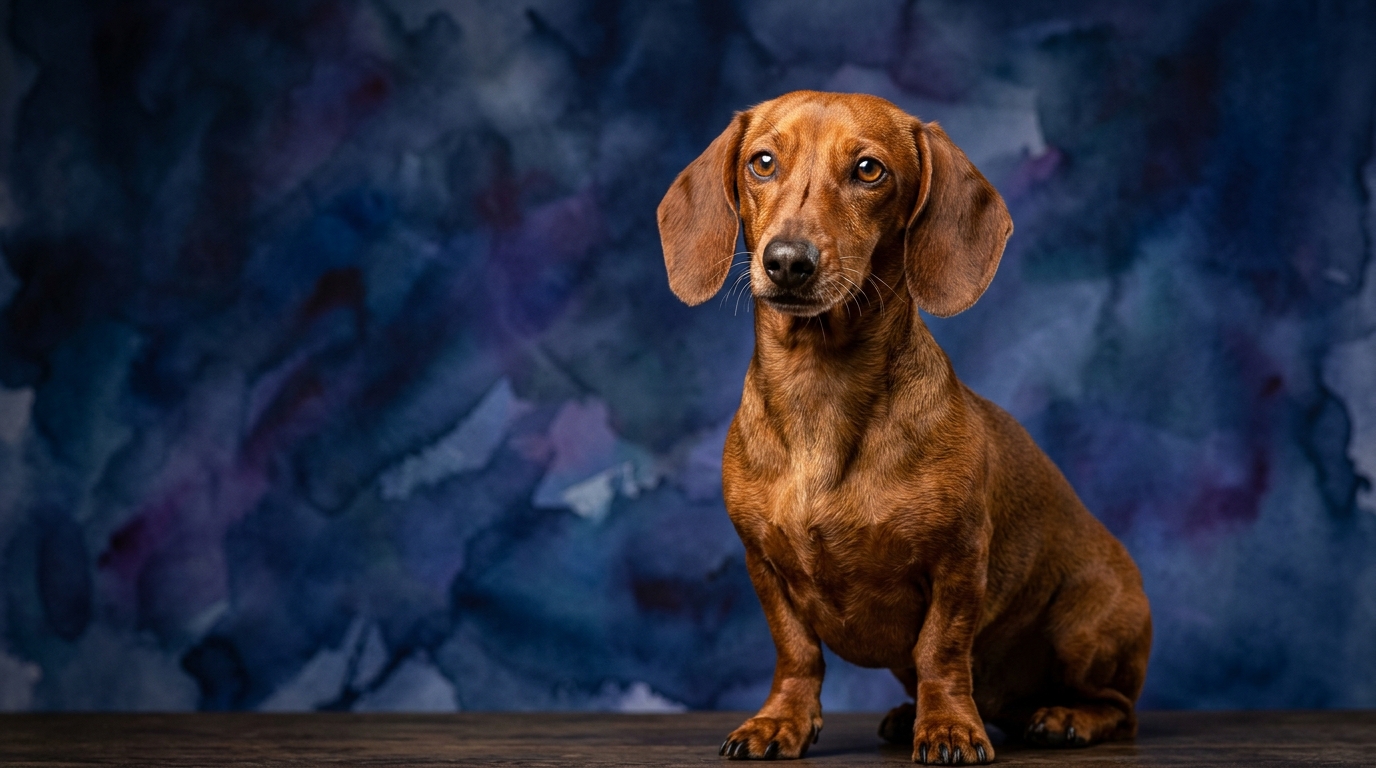
The Cosmic Pet Pet IQ Lab employs five key dimensions to evaluate canine intelligence, offering a nuanced understanding beyond simple obedience. For the Dachshund, a breed originally developed for badger hunting, we observe a Problem Solving score of 4/5. This reflects their adeptness at navigating confined spaces and strategizing to extract prey, often demonstrating remarkable ingenuity in pursuit. Their Training Speed, however, registers at 2/5, indicating a more independent learning curve, often requiring significant motivation to comply with human directives. Social Intelligence is rated 3/5; while capable of forming deep bonds, their focus can often be self-directed, particularly when their instincts are engaged. An Instinctive Drive of 5/5 underscores their relentless tenacity and powerful scenting abilities, making them formidable hunters. Finally, Memory stands at 3/5, sufficient for routines but sometimes overshadowed by their intense drive.
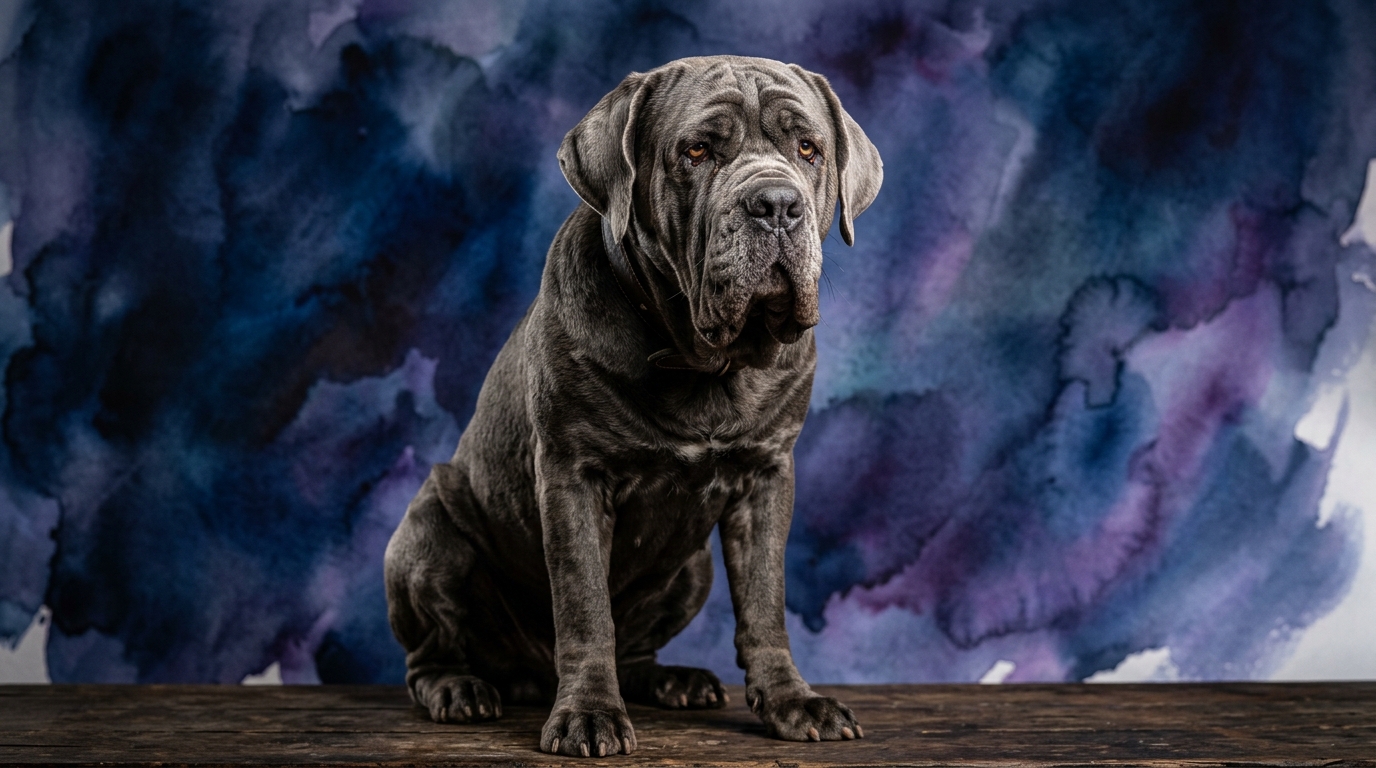
The Neapolitan Mastiff, a formidable guardian from the working group, presents a different cognitive landscape. Their Problem Solving is rated 3/5, demonstrating practical intelligence in assessing threats and protecting their territory rather than intricate puzzle-solving. Training Speed is 3/5, suggesting a moderate learning pace that benefits from consistent, respectful guidance. Social Intelligence, also 3/5, manifests as profound loyalty to their family unit and a cautious, discerning approach to strangers. Their Instinctive Drive is 3/5, primarily expressed as a strong territorial and guarding instinct rather than an active prey drive. Memory for the Neapolitan Mastiff is 3/5, enabling them to recall important social cues and environmental details relevant to their protective role.
Where Dachshund Wins Cognitively
When we delve into specific cognitive strengths, the Dachshund clearly demonstrates a cognitive edge in areas tied to their original function. Their Problem Solving score of 4/5, superior to the Neapolitan Mastiff's 3/5, is not about abstract reasoning but about practical, tenacious ingenuity. A Dachshund faced with a seemingly impenetrable barrier between itself and a perceived 'prey' (be it a squirrel or a dropped treat) will often devise creative solutions involving digging, squeezing through impossibly small gaps, or persistent vocalization until the obstacle is overcome. This isn't just stubbornness; it's a deeply ingrained tactical approach to problem-solving honed over centuries.
Furthermore, their Instinctive Drive, a perfect 5/5 compared to the Mastiff's 3/5, is a powerful cognitive engine. This drive fuels their incredible focus and persistence, allowing them to track scents for extended periods, ignore distractions when on a mission, and maintain an unwavering determination that few other breeds can match. While this can make training a challenge, it also means they possess a specialized cognitive framework for independent, goal-oriented work that is truly impressive.
Where Neapolitan Mastiff Wins Cognitively
While the Dachshund excels in tenacious pursuit, the Neapolitan Mastiff exhibits distinct cognitive strengths vital to their role as guardians. Their Social Intelligence, rated 3/5 like the Dachshund, operates on a different, arguably more complex, level. A Mastiff’s social cognition is deeply intertwined with their protective instincts; they possess a nuanced understanding of family members, discerning friend from potential foe with a discerning gaze and often subtle body language. This involves recognizing emotional states in their humans and responding with appropriate protective or comforting behaviors.
Their Training Speed, at 3/5 compared to the Dachshund's 2/5, also represents a cognitive advantage in a structured learning environment. While not lightning-fast, Mastiffs are generally more receptive to consistent, respectful training, motivated by a desire to please their primary caregiver and maintain harmony within their perceived pack. This makes them more amenable to learning complex obedience commands necessary for managing such a large and powerful animal. Their Memory (3/5) also supports their guardian role, allowing them to recall faces, routines, and perceived threats within their territory with remarkable accuracy, contributing to their effective presence as a watchful protector.
Which is Easier to Train and Why
Determining which breed is 'easier' to train hinges significantly on understanding their fundamental motivations and historical roles. The Neapolitan Mastiff, with a Training Speed of 3/5, generally presents a more straightforward training journey than the Dachshund, rated 2/5. Mastiffs, while sometimes described as stubborn, often respond well to consistent, calm, and positive reinforcement from a respected leader. Their inherent desire to protect and be close to their family means they are often motivated by praise and connection, and their formidable size necessitates early and thorough obedience. They learn best when commands are clear, expectations are consistent, and the trainer maintains a confident demeanor.
In contrast, the Dachshund's 2/5 Training Speed is a direct consequence of their highly independent nature and potent instinctive drive. Bred to hunt alone, often out of sight underground, they developed a strong self-reliance. This translates to an inclination to follow their own nose or agenda rather than a human command, especially if their instincts are engaged. Training a Dachshund requires immense patience, creativity, and finding high-value motivators that can compete with their innate drives. While both breeds require dedication, the Mastiff's willingness to engage in a partnership often makes the process feel more collaborative, whereas training a Dachshund can sometimes feel like a negotiation with a very determined, furry diplomat.
Which Suits Active Owners vs Relaxed Owners
The ideal owner profile for each breed is heavily influenced by their cognitive and physical predispositions. Despite their compact size, Dachshunds are not suited for purely relaxed, sedentary owners. Their high Instinctive Drive (5/5) and excellent Problem Solving (4/5) mean they require significant mental stimulation and outlets for their natural behaviors. Active owners who enjoy activities like scent work, 'earth dog' trials, or simply long, exploratory walks where their Dachshund can sniff and investigate to their heart's content will find a rewarding companion. Without sufficient engagement, their sharp minds and tenacious spirits can lead to destructive behaviors or excessive vocalization.
Conversely, the Neapolitan Mastiff, while requiring a dedicated and assertive owner for training, can suit more relaxed owners in terms of physical activity. They are not high-energy athletes and are generally content with moderate daily exercise—a good walk and some yard time. Their preference is often to be near their family, observing and guarding. However, 'relaxed' does not mean hands-off; their immense size and protective instincts demand an owner committed to extensive socialization and consistent training throughout their lives to ensure they are well-mannered and safe gentle giants in any environment.
The Verdict
If you appreciate a tenacious, independent canine with a sharp problem-solving mind geared towards scent and pursuit, and you are prepared for consistent, engaging training to channel their strong instincts, the Dachshund is an excellent choice.
If you seek a loyal, protective, and imposing family guardian who thrives on companionship and moderate activity, and you are committed to extensive socialization and assertive, positive training from puppyhood, then the Neapolitan Mastiff will be a profoundly rewarding companion.
🧠 Find Your Pet's IQ Score
Our Pet IQ Lab assessment covers 25+ tests across 5 cognitive dimensions — personalized to your breed.
Take the Full IQ Test →Frequently Asked Questions
Is a Dachshund easy to train?
Dachshunds can be challenging to train due to their independent nature and strong hunting instincts, requiring patience and consistent, positive reinforcement methods. They often prioritize their own pursuits over immediate obedience.
Are Neapolitan Mastiffs good family dogs?
Neapolitan Mastiffs are typically devoted and protective family dogs, forming strong bonds with their human companions. However, their size and guarding instincts necessitate early socialization and consistent training to ensure they are well-adjusted around children and strangers.
Which breed has a stronger prey drive?
The Dachshund possesses a significantly stronger instinctive drive, specifically a prey drive, rated 5/5 compared to the Neapolitan Mastiff's 3/5. This reflects their history as tenacious hunters of small game.