
Side-by-Side Cognitive Profiles: A Deep Dive
Originating as tenacious badger hunters, the Dachshund's cognitive strengths are deeply rooted in its purpose. Its problem-solving ability scores a notable 4/5, reflecting a keen ingenuity in overcoming obstacles to achieve a goal, whether it's unearthing a hidden toy or navigating a complex environment to reach a desired spot. This breed's instinctive drive is exceptionally high at 5/5, manifesting as a powerful urge for scent tracking, digging, and pursuit, which heavily influences its cognitive focus. However, their training speed is rated 2/5, indicating an independent spirit that often prioritizes personal objectives over immediate human commands. Social intelligence sits at 3/5, meaning they understand human cues but may choose to interpret them through their own lens of self-interest. Their memory is a respectable 3/5, allowing them to recall routines and learned behaviors, though perhaps not with the intricate detail of breeds designed for complex, sequential tasks. Their Coren rank of #49 places them in the average working/obedience intelligence category.
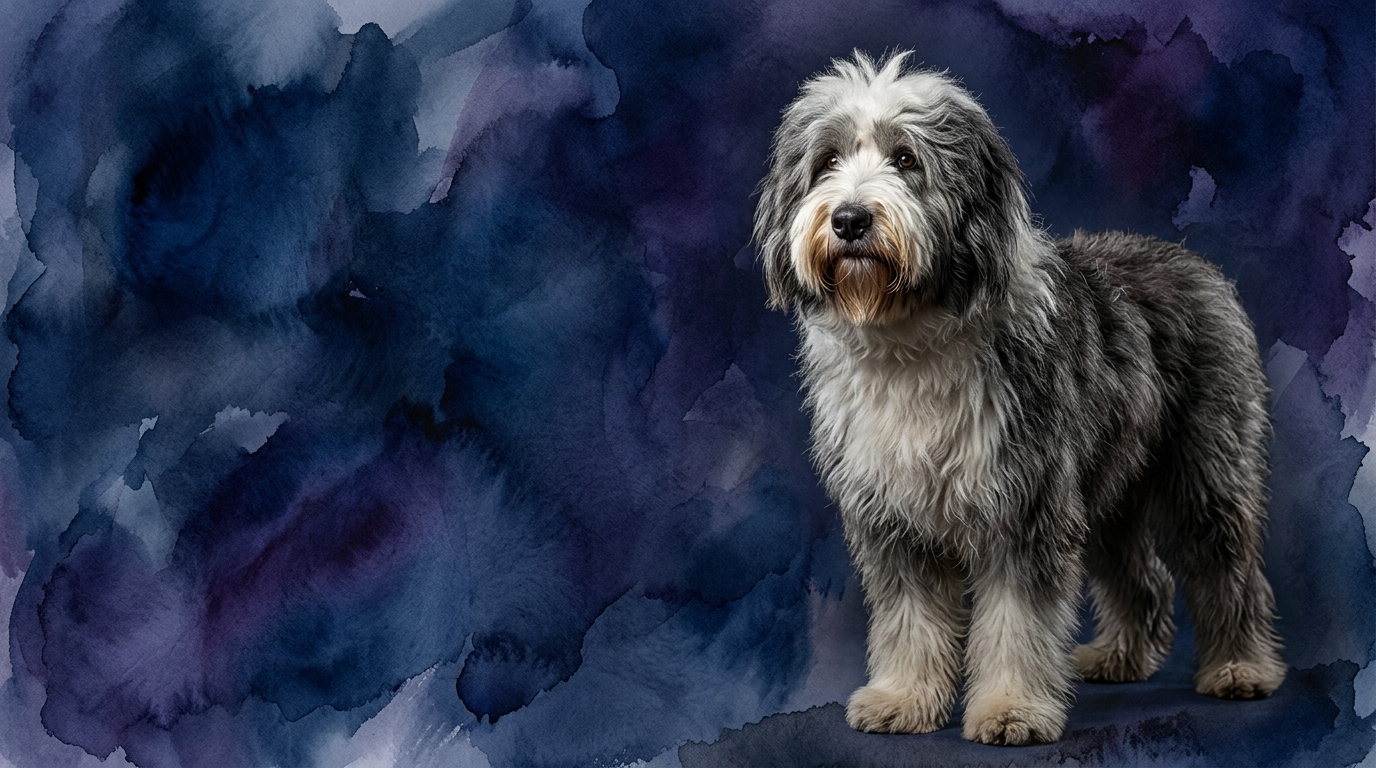
Bred for herding and guarding livestock, the Old English Sheepdog exhibits a cognitive makeup tailored for cooperation and vigilance. With a Coren rank of #44, they land slightly higher in working and obedience intelligence. Their problem-solving capacity is rated 3/5, demonstrating practical intelligence in managing flocks and navigating varied terrains, but perhaps less of the independent, self-motivated ingenuity seen in the Dachshund. Training speed is a balanced 3/5, suggesting a willingness to learn and a moderate pace of command acquisition, often driven by a desire to work alongside their human companions. Social intelligence also scores 3/5; they are attentive to human emotions and intentions, using this understanding to foster strong bonds and cooperative efforts. Their instinctive drive is 3/5, primarily channeled into their herding instincts, which often translates into a desire to "gather" family members rather than a strong prey drive. A standout feature is their memory, rated 4/5, which enables them to retain a wealth of commands, routines, and spatial awareness crucial for their historical role and beneficial in a home environment.
Where the Dachshund Excels Cognitively
The Dachshund's cognitive advantages shine brightest in domains requiring independent thought and relentless pursuit. Their 4/5 problem-solving score is not just theoretical; it's a practical manifestation of their badger-hunting heritage. Give a Dachshund a puzzle toy, and they will apply focused, persistent effort, often employing creative strategies to extract the reward. This isn't about following instructions; it's about figuring things out on their own terms. Their exceptional instinctive drive (5/5) is another cognitive win. This isn't merely a physical urge; it's a profound mental focus. When a Dachshund locks onto a scent, their world narrows, and their cognitive resources are entirely dedicated to tracking and locating the source. This intense, specialized focus makes them exceptional at scent work, far surpassing the Old English Sheepdog in this specific cognitive arena. Their tenacity, often perceived as stubbornness, is a cognitive strength—a refusal to give up until their self-assigned task is complete. They don't just solve problems; they invent them to solve, turning everyday situations into a mental challenge. This breed excels in tasks where self-directed exploration and a strong internal motivation are paramount, rather than external guidance.
Where the Old English Sheepdog Excels Cognitively
The Old English Sheepdog's cognitive strengths lean towards cooperative intelligence, memory, and a more structured approach to learning. Their superior memory (4/5 compared to the Dachshund's 3/5) is a significant advantage. This allows them to retain a larger repertoire of commands, remember complex sequences of actions, and recall past experiences with greater detail. This strong memory is a cornerstone of their herding abilities, where remembering boundaries, flock movements, and handler signals is critical. In a home setting, this translates to reliability in routines and a quicker re-engagement with previously learned tasks, even after a break. Their slightly higher training speed (3/5 vs. 2/5) further underscores their cognitive edge in learning new behaviors from human instruction. While not the fastest learners, they are generally more receptive and less prone to independent diversions during training sessions. The Old English Sheepdog's practical problem-solving (3/5) is geared towards understanding and managing their environment and social groups, rather than the independent, goal-oriented problem-solving of a hunter. They are adept at understanding social dynamics and adapting their behavior accordingly, which is essential for working closely with both humans and other animals. Their Coren rank of #44 indicates a capacity for more consistent obedience and working aptitude than the Dachshund.
Which is Easier to Train and Why
When it comes to ease of training, the Old English Sheepdog generally presents a more straightforward path. Their 3/5 training speed and 4/5 memory work in tandem to make them responsive and capable of retaining a wider range of commands and behaviors over time. Their historical role as a herding dog required a close working relationship with humans, fostering a cooperative temperament. This means they are often eager to please and more inclined to follow instructions, making positive reinforcement highly effective. They tend to be less easily distracted by external stimuli like scents, allowing for more focused training sessions. In contrast, the Dachshund's training speed of 2/5 and powerful 5/5 instinctive drive present a greater challenge. Their independent nature means they often have their own agenda, and if a compelling scent or a potential "burrow" opportunity arises, human commands may become secondary. This isn't a lack of intelligence, but rather a different prioritization of cognitive resources. Training a Dachshund demands immense patience, creativity, and consistency. Owners must make training more engaging and rewarding than the dog's natural instincts, often turning commands into games or leveraging their problem-solving skills to achieve desired behaviors. While both breeds are capable of learning, the Old English Sheepdog's inherent cooperativeness and superior memory generally lead to a smoother, quicker training experience for the average owner.
Suiting Active vs. Relaxed Owners
The choice between these two breeds also hinges significantly on an owner's lifestyle and activity levels, though "active" and "relaxed" can mean different things for each dog. For active owners, both breeds can find fulfillment, but in distinct ways. An active owner for a Dachshund is one who enjoys engaging their dog's mind and instincts. This means regular, stimulating walks where they can explore scents, interactive puzzle games that challenge their 4/5 problem-solving skills, and perhaps even participation in dog sports like earthdog trials or scent work, which directly tap into their 5/5 instinctive drive. While not requiring vast distances, they need consistent mental engagement to prevent boredom and destructive behaviors. An Old English Sheepdog, on the other hand, suits an owner whose "active" means sustained physical exertion. Long daily walks, hikes, or opportunities to run in a securely fenced yard are essential for their well-being. Their herding background means they appreciate having a "job" or purpose, which can be fulfilled through advanced obedience training, agility, or even simply consistent, structured exercise. They thrive with owners who can provide both physical outlets and mental stimulation through consistent training and social interaction.
For relaxed owners, the Dachshund might seem more suitable due to its smaller size, making it a better fit for smaller living spaces like apartments. However, a truly relaxed owner who isn't prepared to mentally stimulate their Dachshund will quickly find themselves with a bored, potentially destructive, and certainly vocal companion. Their strong problem-solving and instinctive drive mean they will create their own "work" if not provided with appropriate outlets. A relaxed owner for a Dachshund must still be actively engaged in mental enrichment. The Old English Sheepdog is less suited for truly relaxed owners. Their substantial size, dense coat requiring regular grooming, and need for significant daily exercise mean they are not content with a sedentary lifestyle. A relaxed owner will likely struggle to meet their physical and mental stimulation needs, potentially leading to anxiety, destructive behaviors, or an unruly temperament. They require an owner who is prepared for a significant commitment to their physical and mental well-being, which often translates to a more active daily routine.
The Verdict
If you appreciate a small, tenacious companion with a powerful independent streak, excel at creative problem-solving, and are ready to channel their exceptional instinctive drive into engaging scent games or mental puzzles, the Dachshund will thrive by your side.
Opt for the Old English Sheepdog if you seek a cooperative, intelligent partner for structured activities, can provide ample space and consistent exercise, and value a dog with a strong memory and willingness to work alongside you.
🧠 Find Your Pet's IQ Score
Our Pet IQ Lab assessment covers 25+ tests across 5 cognitive dimensions — personalized to your breed.
Take the Full IQ Test →Frequently Asked Questions
Are Dachshunds stubborn or just smart?
Dachshunds are often perceived as stubborn due to their independent nature and powerful instinctive drive (5/5), but this is actually a manifestation of their problem-solving intelligence (4/5). They are highly capable of figuring out how to get what they want, and sometimes their own agenda outweighs human commands, which requires consistent and engaging training from their owners.
Do Old English Sheepdogs need a "job"?
While not strictly requiring a traditional herding job, Old English Sheepdogs benefit greatly from having a purpose or structured activities that engage their cognitive abilities. Their strong memory (4/5) and moderate instinctive drive (3/5) mean they enjoy learning new commands, participating in dog sports, or even just having consistent routines and responsibilities within the family unit.
Which breed is better for apartment living?
The Dachshund, being a smaller breed, is generally better suited for apartment living, provided their significant mental stimulation and regular, albeit shorter, exercise needs are met. The Old English Sheepdog, due to its large size and greater need for sustained physical activity, is typically better suited for homes with a yard or owners who can provide extensive daily outdoor exercise.