Side-by-Side IQ Profile: Dachshund vs. Puli
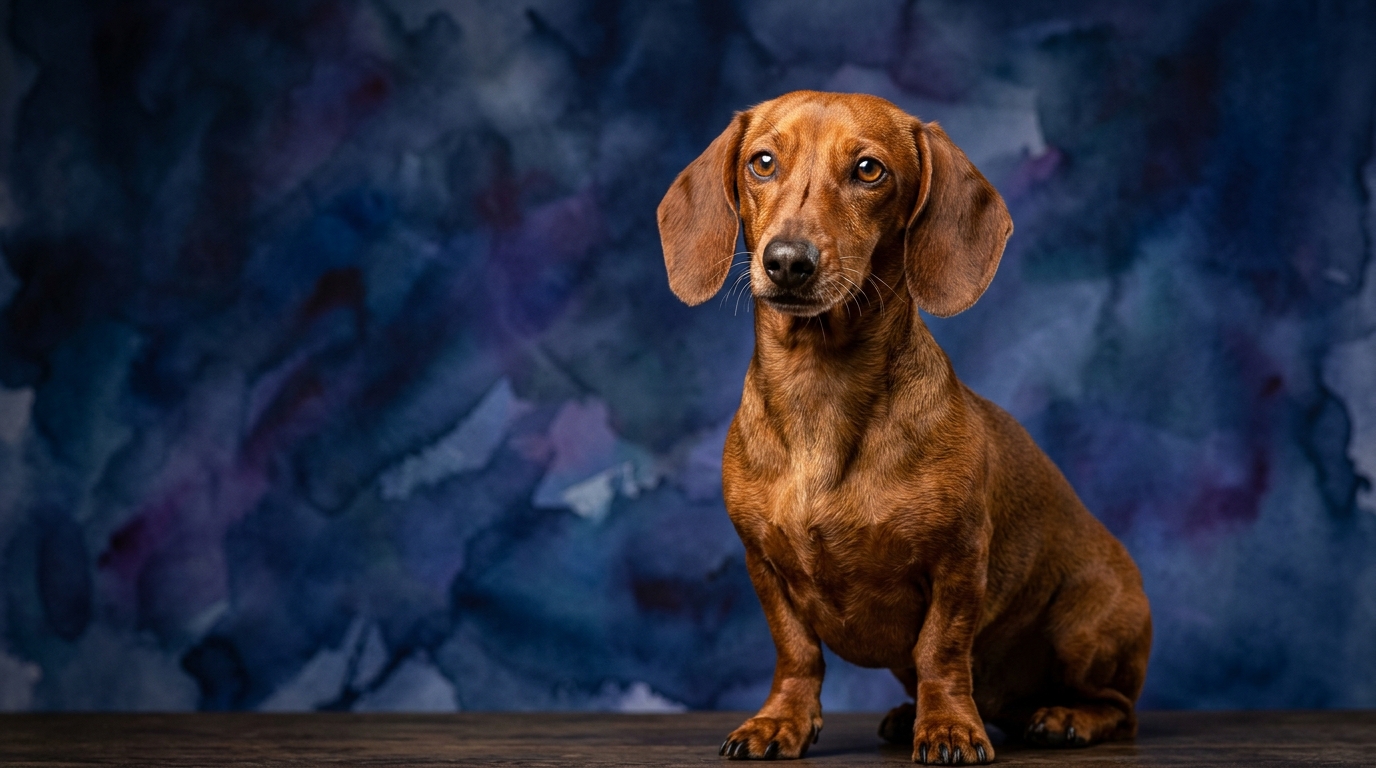
The Cosmic Pet Pet IQ Lab employs a multi-dimensional approach to assess canine intelligence, moving beyond simple obedience to encompass problem-solving, training speed, social intelligence, instinctive drive, and memory. For the Dachshund, a small but mighty hound, its Coren rank sits at #49, indicating a moderate working and obedience intelligence compared to other breeds. Its IQ profile highlights a strong Problem Solving ability at 4/5, showing an independent capacity to figure things out, often in pursuit of a goal. Training Speed is rated 2/5, suggesting a more deliberate learning pace, while Social Intelligence is 3/5, indicating an average ability to interpret human cues and social dynamics. A standout feature is its Instinctive Drive at 5/5, reflecting its potent drive for scent work and burrowing, and Memory is 3/5, signifying an adequate recall for learned behaviors.
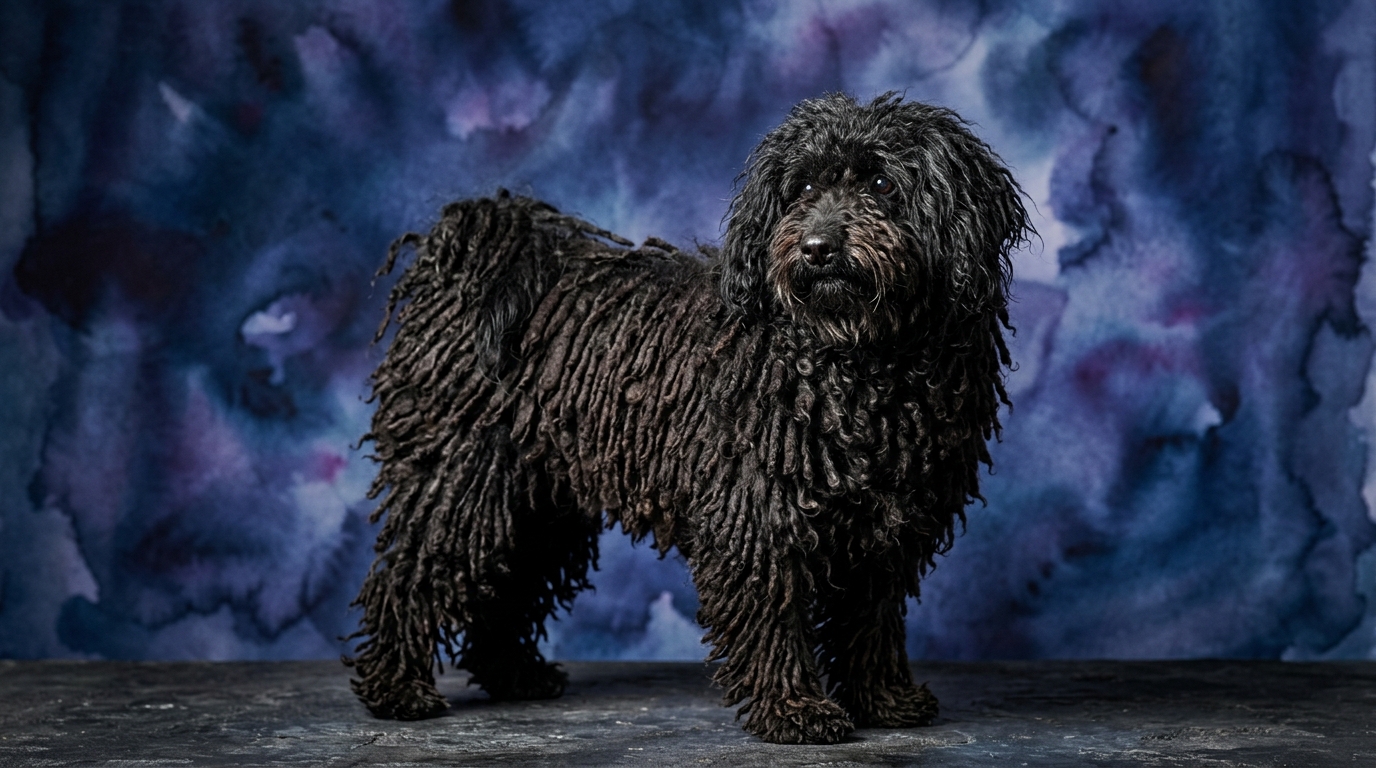
In contrast, the Puli, a distinctive herding dog, boasts a significantly higher Coren rank of #25, placing it among breeds with a notable capacity for working and obedience. Its IQ scores reveal an equally strong Problem Solving ability at 4/5, demonstrating an aptitude for navigating complex situations. The Puli truly shines in Training Speed, scoring 4/5, which points to a rapid assimilation of new commands and routines. Its Social Intelligence matches the Dachshund at 3/5, indicating a similar understanding of social cues, but its Instinctive Drive is 3/5, reflecting a moderate herding instinct rather than the intense focus of a hound. Crucially, the Puli exhibits superior Memory at 4/5, suggesting a greater capacity for retaining information and complex sequences over time.
Where the Dachshund Excels Cognitively
The Dachshund's cognitive strengths are deeply rooted in its original purpose: hunting badgers and other burrow-dwelling animals. Its Instinctive Drive, rated 5/5, is a profound cognitive asset, manifesting as an unwavering focus and persistence when tracking a scent. This drive isn't merely physical; it's a mental commitment that allows them to tune out distractions and follow a trail with singular determination, demonstrating an exceptional capacity for sustained, goal-oriented attention within their specific domain. This translates into a dog that, once engaged by a scent, will employ considerable mental energy to pursue it.
Furthermore, the Dachshund's Problem Solving score of 4/5 is often fueled by this intense drive. They exhibit impressive independent thinking when faced with obstacles, particularly if a desired outcome (like reaching a hidden treat or a perceived burrow) is involved. This isn't about solving abstract puzzles, but rather leveraging their physical attributes and mental tenacity to overcome immediate environmental challenges. For example, a Dachshund might cleverly manipulate a blanket or dig under a fence to achieve its objective, showcasing a practical, self-directed form of intelligence.
Where the Puli Demonstrates Cognitive Superiority
The Puli's cognitive profile reveals a breed optimized for collaborative work and complex task execution. Its Training Speed, at a high 4/5, is a significant advantage. This indicates a remarkable ability to quickly grasp and internalize new commands, cues, and routines, making them highly receptive partners in learning. Owners often find Pulis absorb multi-step instructions with relative ease, a trait invaluable for a herding dog required to execute intricate maneuvers under direction. This rapid learning curve suggests an efficient cognitive processing of new information and a willingness to engage with human instruction.
Complementing its training speed, the Puli's Memory, scoring 4/5, provides a robust framework for retaining that learned information. This superior recall allows Pulis to remember complex sequences of commands, the layout of working areas, and the specific routines associated with their tasks, even after long periods. For a herding dog, this means remembering which sheep to move, where the boundaries are, and the specific signals from a handler. This strong memory contributes directly to their reliability and consistency in performing learned behaviors, making them exceptional candidates for advanced obedience, agility, or herding competitions.
Which is Easier to Train and Why
When it comes to ease of training, the Puli generally presents a more straightforward experience than the Dachshund, primarily due to fundamental differences in their cognitive leanings and breed-specific drives. The Puli's Training Speed of 4/5, coupled with its Memory of 4/5, means it not only picks up new commands quickly but also retains them reliably. Their herding heritage has instilled a desire to work in partnership with a handler, making them inherently more attentive and responsive to instruction. They thrive on having a job and excel when given clear tasks, often eager to please and collaborate in training exercises. This translates into a dog that readily forms associations between commands and actions, and consistently recalls those associations.
The Dachshund, with a Training Speed of 2/5 and a potent Instinctive Drive of 5/5, offers a different training challenge. While capable of learning, their independent nature and overwhelming focus on scent often mean their own internal motivations override human commands. A Dachshund tracking a compelling scent might become temporarily 'deaf' to calls, not out of defiance but because their cognitive processing is singularly focused on that drive. Training requires immense patience, creativity, and consistency, often needing to leverage their drive (e.g., using scent work as a reward) rather than trying to suppress it. Their slower learning speed means more repetitions are needed for commands to become ingrained, and their independent streak can lead to selective obedience if the reward isn't compelling enough from their perspective.
Suitability for Active vs. Relaxed Owners
The Puli is generally better suited for active owners who relish consistent engagement and mental stimulation for their canine companion. Owners who enjoy activities like dog sports (agility, flyball), advanced obedience, or even practical tasks where a dog can 'work' will find the Puli's rapid training speed, strong memory, and desire for purpose a perfect match. Their cognitive abilities thrive when challenged with new skills and routines, meaning they benefit from regular, structured training sessions that keep their minds sharp. A Puli without sufficient mental and physical outlets might invent its own 'jobs,' which can manifest as undesirable behaviors.
Conversely, the Dachshund can be an excellent fit for owners seeking a more relaxed companion, provided they understand and respect the breed's unique blend of independence and specific drives. While they need daily walks and opportunities to explore with their nose, they are not typically high-stamina dogs requiring hours of vigorous exercise. Owners who appreciate a dog that enjoys cozying up on the couch after a good sniff-walk, and who are prepared to engage in shorter, more targeted mental games (like puzzle toys or indoor scent work) that cater to their instincts, will find a devoted friend. Their independent problem-solving means they can entertain themselves for periods, but still value companionship and attention on their own terms.
The Verdict: When to Choose Each Breed
The Verdict
Choose a Dachshund if you appreciate a determined, independent companion with a powerful scent drive, are patient with training that leverages their unique motivations, and enjoy a dog that thinks for itself.
Opt for a Puli if you seek a highly trainable, responsive partner eager to learn and excel in structured activities, and can provide ample mental and physical engagement for a dog that thrives on purpose.
🧠 Find Your Pet's IQ Score
Our Pet IQ Lab assessment covers 25+ tests across 5 cognitive dimensions — personalized to your breed.
Take the Full IQ Test →Frequently Asked Questions
Are Dachshunds stubborn?
Dachshunds are often perceived as stubborn due to their high instinctive drive and independent problem-solving. They prioritize following scents and their own agenda, which can make them less immediately responsive to commands than breeds with higher training speed.
Do Pulis need a lot of exercise?
Pulis are energetic herding dogs that require regular physical activity and significant mental stimulation. They thrive on having a 'job' and benefit from consistent training, dog sports, or other engaging activities to keep their sharp minds occupied.
Which breed is better for first-time dog owners?
The Puli, with its higher training speed and desire to work with handlers, might be a more manageable choice for a first-time owner willing to dedicate time to training and enrichment. Dachshunds can be rewarding but require more patience and understanding of their unique independent nature.