Side-by-Side IQ Profile: Dachshund vs. Shih Tzu
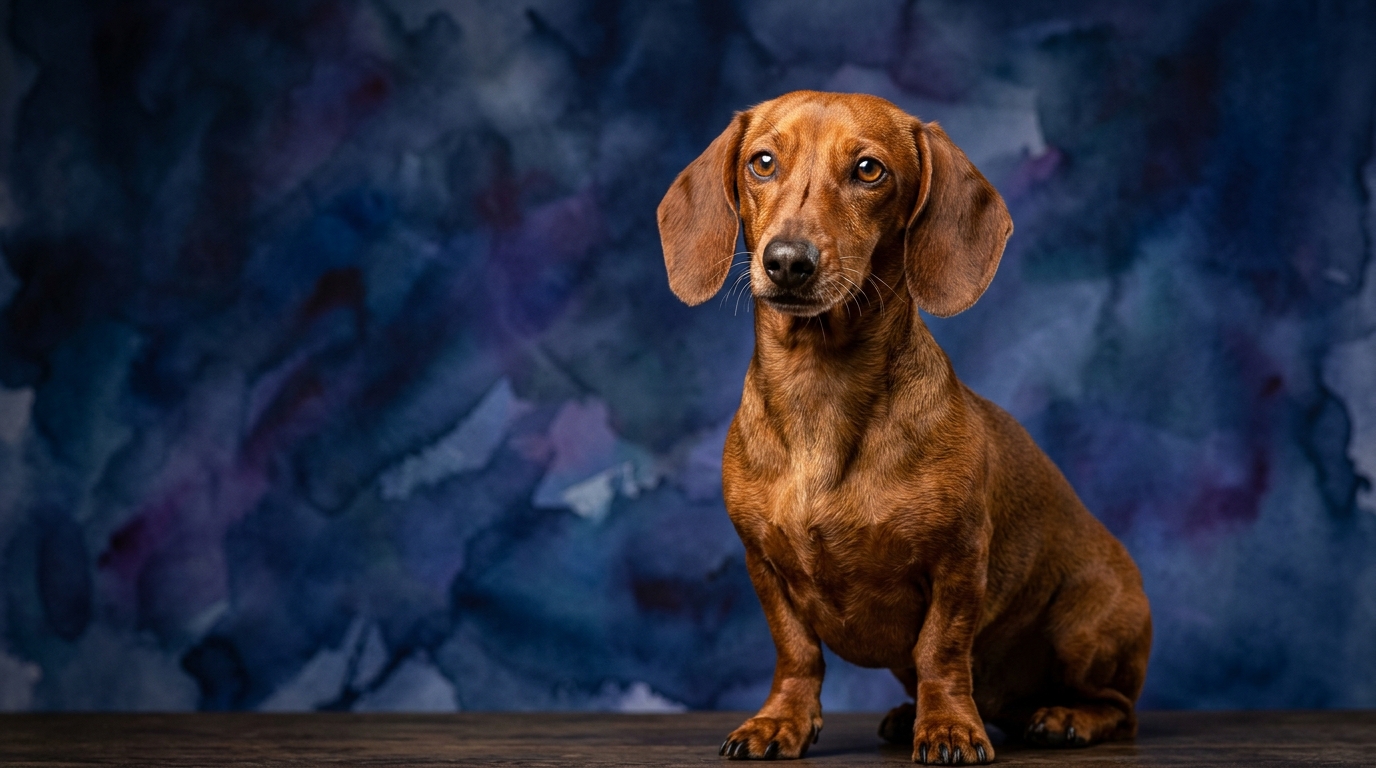
The Cosmic Pet Pet IQ Lab data offers a granular view into the cognitive makeup of these two breeds, highlighting where their mental strengths and challenges lie. The Dachshund, a Hound breed ranked #49 by Coren, presents a profile geared towards independent action and sensory processing, scoring 4/5 in Problem Solving and an impressive 5/5 in Instinctive Drive. Their Training Speed is noted at 2/5, Social Intelligence at 3/5, and Memory at 3/5, painting a picture of a clever, driven dog with a distinct agenda.
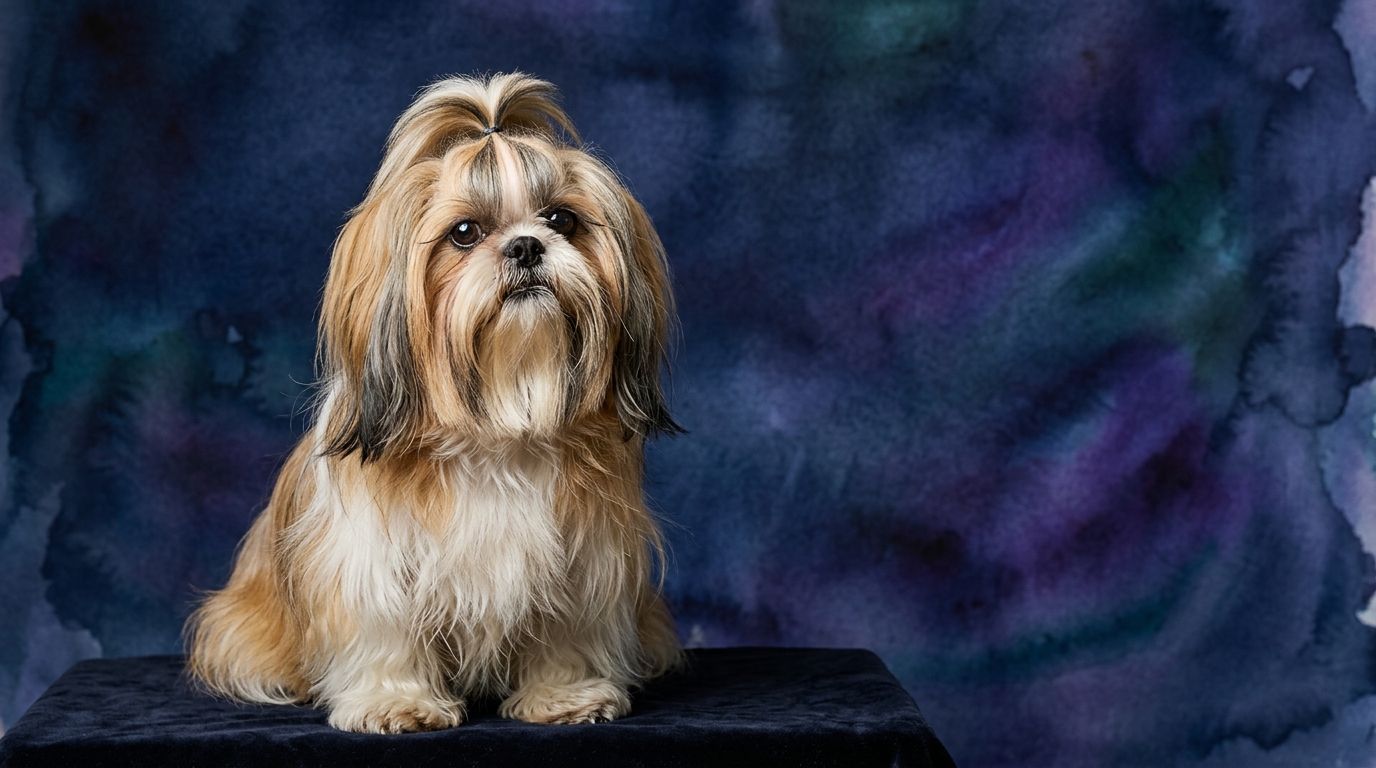
Conversely, the Shih Tzu, a Toy breed ranked #70, showcases a cognitive profile optimized for companionship and social engagement. They score 3/5 in Problem Solving, mirroring the Dachshund's 2/5 in Training Speed, suggesting a similar level of training challenge albeit from different motivations. Where the Shih Tzu truly shines is in Social Intelligence, earning a perfect 5/5, reflecting their historical role as lap companions. Their Instinctive Drive is lower at 2/5, and Memory stands at 3/5, indicating a dog whose world revolves more around human interaction than independent pursuits.
Where the Dachshund Excels Cognitively
The Dachshund's cognitive prowess is most evident in its problem-solving abilities and powerful instinctive drive. With a 4/5 in problem-solving, these dogs demonstrate a remarkable capacity to navigate complex situations, often employing clever and persistent strategies to achieve their goals. This trait is a direct legacy of their badger-hunting origins, where they needed to independently figure out how to flush prey from burrows, requiring both mental agility and physical determination.
Their 5/5 Instinctive Drive further underscores their cognitive strengths in areas requiring focus and tenacity. This isn't just about a strong prey drive; it's about an unwavering commitment to a task once engaged, whether it's tracking a scent, digging, or even outsmarting a gate. This deep-seated drive means a Dachshund can concentrate intensely on a chosen objective, making them highly effective in tasks that leverage their natural inclinations, even if those inclinations sometimes diverge from their human's wishes.
Where the Shih Tzu Shines Cognitively
The Shih Tzu's cognitive brilliance lies in its exceptional social intelligence, scoring a perfect 5/5 in this dimension. This breed possesses an innate ability to read and respond to human emotions and social cues, making them highly attuned companions. They are adept at understanding body language, vocal tones, and even subtle shifts in mood, allowing them to integrate seamlessly into family dynamics and provide comfort or entertainment as needed.
This high social intelligence also contributes to their adaptability in various home environments. While their problem-solving and instinctive drive scores are moderate, their capacity for social learning and their desire for human connection allow them to navigate the complexities of domestic life with grace. They excel in situations where emotional responsiveness and harmonious interaction are prioritized, often anticipating their owner's needs or desires through keen observation of social contexts.
Training Challenges: Independent Thinkers vs. Social Butterflies
Both Dachshunds and Shih Tzus share a Training Speed score of 2/5, indicating that neither breed is inherently quick to pick up new commands or routines. However, the reasons behind this moderate score differ significantly, stemming from their unique cognitive profiles and behavioral tendencies. Dachshunds, with their strong problem-solving skills and formidable instinctive drive, often display an independent streak and a stubborn refusal to comply if a command conflicts with their own perceived agenda or a compelling scent trail. Their intelligence is geared towards self-directed action, not necessarily prompt obedience.
Shih Tzus, while equally scoring 2/5 in Training Speed, present a different set of challenges. Their high social intelligence can sometimes translate into a charming obstinacy, where they might prioritize seeking affection or playing rather than focusing on a training task. They can be easily distracted by social interaction or comfortable surroundings, and their lower instinctive drive means they might lack the inherent motivation to persistently work through difficult commands. Effective training for a Shih Tzu often relies on making the process highly rewarding and engaging, leveraging their desire for positive human interaction.
Matching Breeds to Lifestyles: Active Explorers vs. Relaxed Companions
The cognitive differences between the Dachshund and Shih Tzu naturally align them with distinct owner lifestyles. The Dachshund, with its robust problem-solving capacity and intense instinctive drive, is well-suited for active owners who appreciate a dog with a strong personality and a need for mental engagement. They thrive with owners who can provide outlets for their curiosity and hunting instincts, whether through scent work, puzzle toys, or adventurous walks where they can explore. Owners who enjoy collaborating with a clever, sometimes challenging, companion will find a Dachshund rewarding.
Conversely, the Shih Tzu, with its exceptional social intelligence and lower instinctive drive, is an ideal match for more relaxed owners seeking a devoted and adaptable companion. These dogs flourish in environments where close human interaction and comfort are paramount. They are content with gentle walks, indoor play, and plenty of lap time, making them excellent companions for individuals or families who value quiet companionship and a dog that seamlessly integrates into a social home life. Their cognitive strengths are best appreciated in a setting that prioritizes emotional connection over rigorous activity.
The Verdict
Choose a Dachshund if you value a clever, tenacious companion with a strong independent streak and are prepared to channel their instinctive drive into engaging activities.
Opt for a Shih Tzu if your priority is a highly social, adaptable, and affectionate companion who excels at emotional connection and thrives in a relaxed, people-centric home.
🧠 Find Your Pet's IQ Score
Our Pet IQ Lab assessment covers 25+ tests across 5 cognitive dimensions — personalized to your breed.
Take the Full IQ Test →Frequently Asked Questions
Are Dachshunds difficult to train?
Dachshunds can present training challenges due to their independent nature and strong instinctive drive, often prioritizing their own interests or scent trails over commands. Consistent, positive reinforcement training, often incorporating their natural problem-solving abilities, is key to success.
How does a Shih Tzu's social intelligence manifest?
A Shih Tzu's high social intelligence allows them to be highly attuned to human emotions and social cues, making them exceptional companions who easily adapt to family life. They often intuitively understand their owner's mood and desire for interaction, fostering deep emotional bonds.
Which breed is better for apartment living?
Both breeds can adapt to apartment living, but for different reasons. The Shih Tzu's lower exercise needs and high social intelligence make them naturally suited for indoor life, while a Dachshund can thrive with sufficient mental stimulation and opportunities for outdoor exploration, despite their smaller size.