Side-by-Side Cognitive Profiles
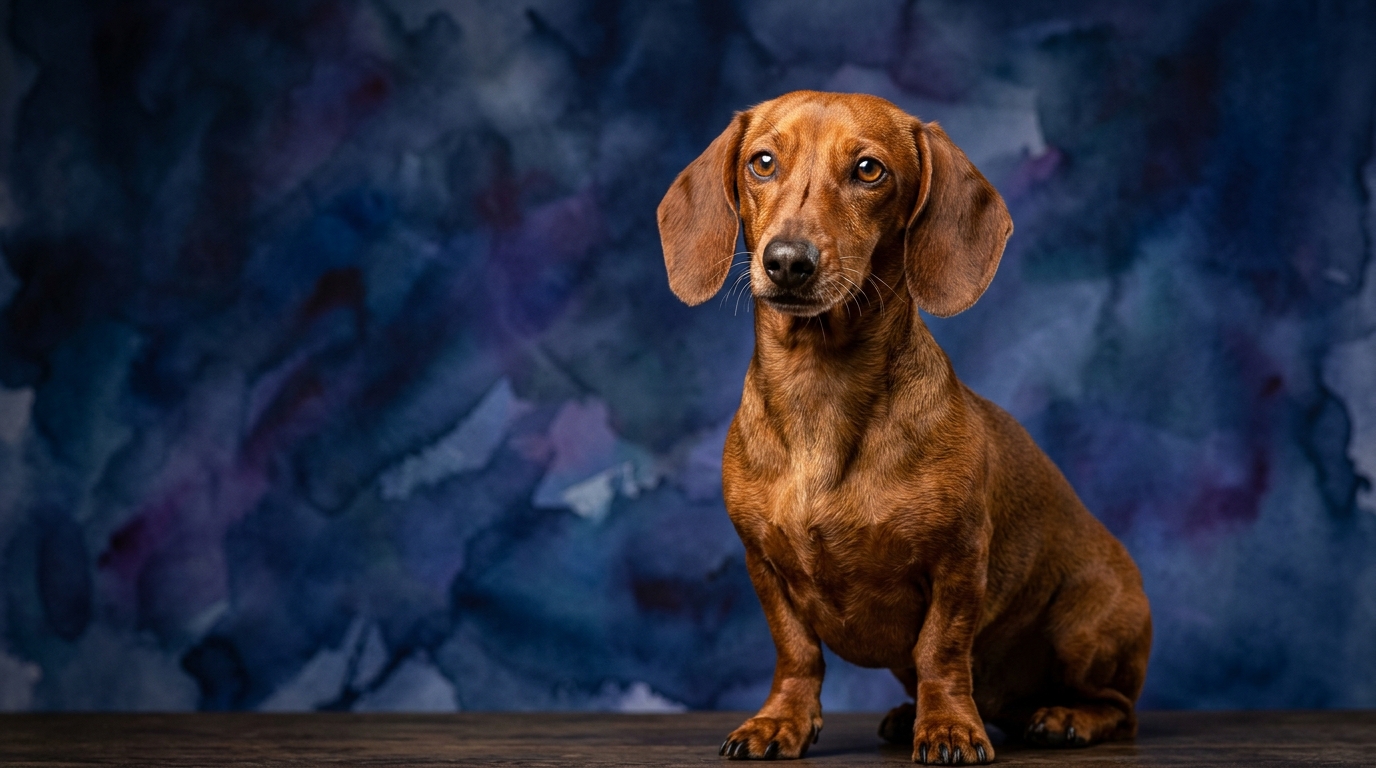
A Coren-ranked breed at #49, the Dachshund's intelligence is deeply rooted in its badger-hunting heritage. Its problem-solving ability scores a robust 4/5, reflecting a tenacious, independent mind adept at navigating complex environments to achieve a goal, often related to scent or prey. Training speed, however, is rated 2/5, indicating that their independent streak can make them challenging pupils, requiring patience and highly motivating techniques. Social intelligence stands at 3/5; they form deep bonds with their inner circle but can be reserved or even assertive with strangers or other animals. Instinctive drive is their hallmark at 5/5, a relentless pursuit of scent and an innate desire to dig. Memory is a solid 3/5, enabling them to recall learned routines and significant experiences.
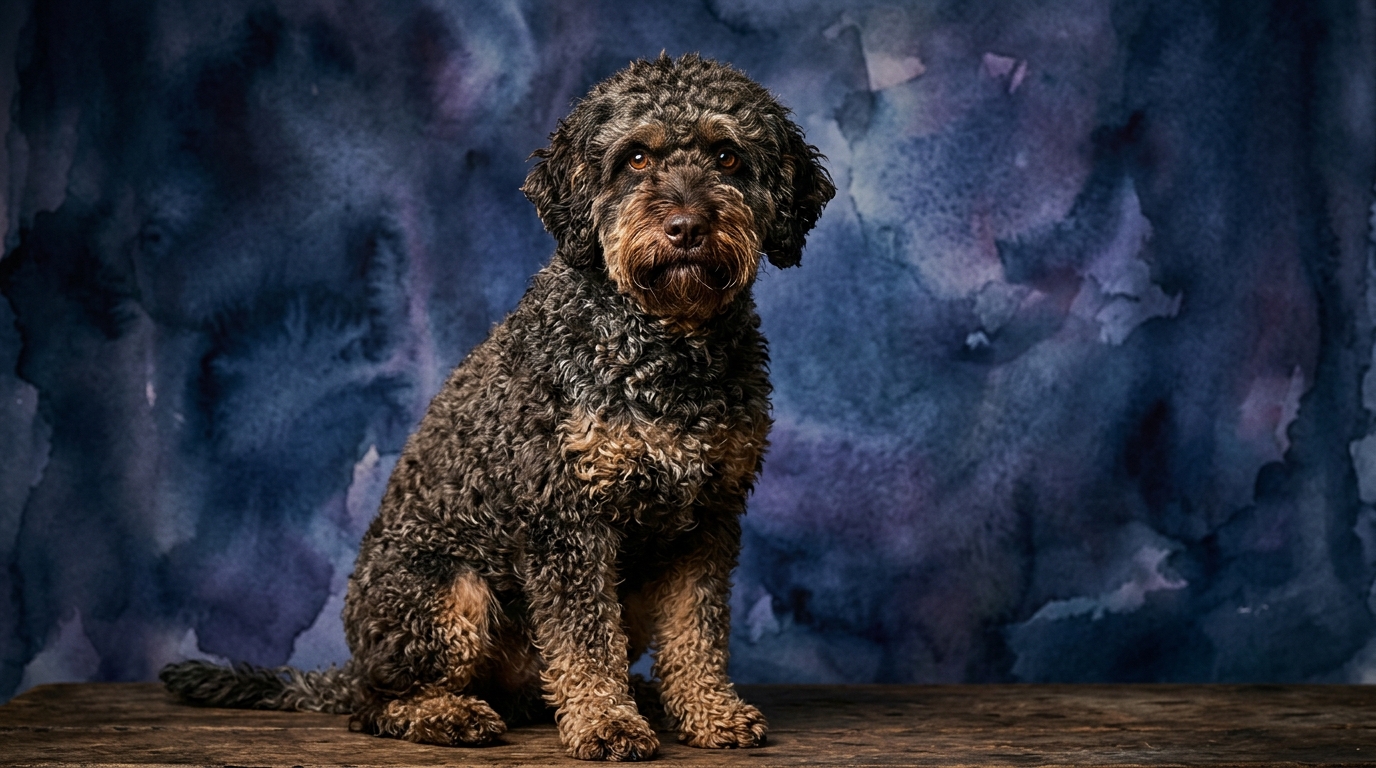
While not yet Coren-ranked, the Spanish Water Dog (SWD) exhibits a distinct cognitive profile shaped by its versatile herding, water retrieval, and guarding roles. Its problem-solving capacity scores 3/5, suggesting a capable mind that often seeks handler guidance rather than purely independent solutions. Training speed is a balanced 3/5, indicating a willingness to learn and an eagerness to please, though consistency is key. Social intelligence is also 3/5; SWDs are fiercely loyal to their families but can be watchful and reserved around new people, necessitating early and extensive socialization. Their instinctive drive is 3/5, encompassing a moderate herding impulse, a natural affinity for water, and a protective instinct. Memory is rated 3/5, allowing them to retain commands and past experiences effectively.
Where the Dachshund Cognitively Excels
The Dachshund's cognitive strengths distinctly align with its historical purpose as a determined hunting dog, particularly evident in two key areas. Foremost is their exceptional instinctive drive, rated a perfect 5/5. This isn't merely a general energy; it's an unwavering, almost obsessive focus on scent and the pursuit of prey, driving them to tunnel, dig, and follow a trail with unparalleled persistence. This profound drive means that once a Dachshund locks onto a task, especially one involving a scent, their focus is incredibly difficult to divert. Secondly, their problem-solving ability, scoring 4/5, showcases a clever and often independent mind. This isn't about solving abstract puzzles for a reward, but rather about ingeniously navigating physical obstacles or devising strategies to reach a desired outcome, such as finding a hidden treat or tunneling under a barrier to investigate a promising scent. Their tenacity in these pursuits demonstrates a self-directed intelligence that relies less on human instruction and more on innate drive and clever improvisation to achieve their goals.
Where the Spanish Water Dog Cognitively Shines
While the Spanish Water Dog doesn't boast higher individual scores than the Dachshund in specific cognitive dimensions, its balanced profile and inherent biddability represent a distinct advantage, particularly in the realm of trainability and versatility. With a training speed of 3/5 compared to the Dachshund's 2/5, the SWD demonstrates a greater eagerness to engage with and respond to human instruction. This isn't just about learning commands quickly; it reflects a cognitive predisposition to form a working partnership, making them more receptive to complex tasks and multi-step directions. Their problem-solving, while rated 3/5, is often applied in a context of working alongside their handler, such as figuring out how to maneuver livestock or retrieve an item from water, rather than purely independent ventures. This cooperative intelligence, coupled with a moderate instinctive drive (3/5) that can be channeled into various activities like herding, agility, or water sports, makes the SWD a highly adaptable companion. Their cognitive strength lies in their capacity for versatile learning and their willingness to integrate human guidance into their problem-solving and task execution, making them more amenable to diverse training regimens and roles.
Which is Easier to Train and Why
When considering ease of training, the Spanish Water Dog generally presents a more straightforward path for owners compared to the Dachshund. The SWD’s training speed of 3/5, coupled with its inherent desire to work collaboratively, means it tends to be more responsive to cues and more motivated by pleasing its handler. Their herding background instills a cognitive readiness to follow direction and engage in structured tasks, often translating into a more focused and attentive learner in training sessions. Real behavioral differences underscore this; an SWD is more likely to maintain eye contact and wait for the next command, eager to participate in a shared activity. In contrast, the Dachshund’s training speed of 2/5 is significantly impacted by its formidable instinctive drive (5/5). This drive means their attention can be easily diverted by a compelling scent or the instinct to dig, making consistent focus on human-initiated commands a challenge. Their high problem-solving ability (4/5) can also manifest as cleverness in finding ways to avoid unwanted tasks or pursue their own agenda, rather than strictly adhering to instruction. Training a Dachshund demands exceptional creativity, high-value rewards, and short, engaging sessions to overcome their independent nature and powerful internal motivations.
Which Suits Active Owners vs. Engaged Owners
The distinction between "active" and "engaged" is crucial when considering these two breeds. Spanish Water Dogs are ideally suited for truly active owners who seek a highly engaged partner for consistent mental and physical challenges. Their moderate instinctive drive (3/5) for herding and water work, combined with their biddable nature (training speed 3/5), means they thrive on structured activities like agility, dock diving, advanced obedience, or even real-world herding. An SWD needs an owner prepared for daily, vigorous exercise and continuous mental stimulation to prevent boredom and channel their energy productively. They want to be involved in everything their family does, making them excellent companions for adventurous individuals or families seeking a canine partner in their active lifestyle.
Dachshunds, while possessing a powerful instinctive drive (5/5), suit a different kind of owner engagement. Their activity often manifests as bursts of focused energy, intense scent tracking, and digging, rather than sustained, high-endurance performance like an SWD. Owners don't necessarily need to be marathon runners, but they must be consistently *engaged* in managing and redirecting that intense drive. This means providing ample opportunities for scent work games, supervised digging, and regular walks where they can explore their world through their nose. Their independent problem-solving (4/5) means they require owners who appreciate a clever, sometimes stubborn, companion and are prepared to engage their minds with puzzle toys and consistent, positive reinforcement training that acknowledges their strong will. A relaxed owner who isn't prepared to manage their profound hunting instincts will find a Dachshund challenging.
The Verdict
Choose a Dachshund if you appreciate a compact, independent, and tenacious problem-solver with an unparalleled drive for scent work, and you are prepared to manage a strong-willed companion who excels at pursuing its own agenda.
Opt for a Spanish Water Dog if you desire a highly engaged, versatile, and biddable partner eager to participate in diverse activities, and you can provide consistent mental and physical challenges for a loyal herding and water dog.
🧠 Find Your Pet's IQ Score
Our Pet IQ Lab assessment covers 25+ tests across 5 cognitive dimensions — personalized to your breed.
Take the Full IQ Test →Frequently Asked Questions
Do Dachshunds learn quickly?
Dachshunds have a training speed of 2/5, indicating they can be challenging to train due to their independent nature and strong instinctive drives. While they are clever problem-solvers, their focus is often on their own objectives rather than human commands, requiring patient and highly motivating training methods.
Are Spanish Water Dogs good at problem-solving?
Spanish Water Dogs score 3/5 in problem-solving, showing a capable mind that often works best in collaboration with a handler. They excel at figuring out tasks within a structured environment, especially those related to their herding and water retrieving instincts, making them adaptable and eager learners.
Which breed requires more mental stimulation?
Both breeds require significant mental stimulation, but in different ways. The Spanish Water Dog needs consistent, varied tasks and activities to satisfy its biddable, working intelligence, while the Dachshund requires outlets for its intense scent drive and independent problem-solving, often through scent games and supervised exploration.