Unpacking Canine Cognition: A Side-by-Side IQ Profile
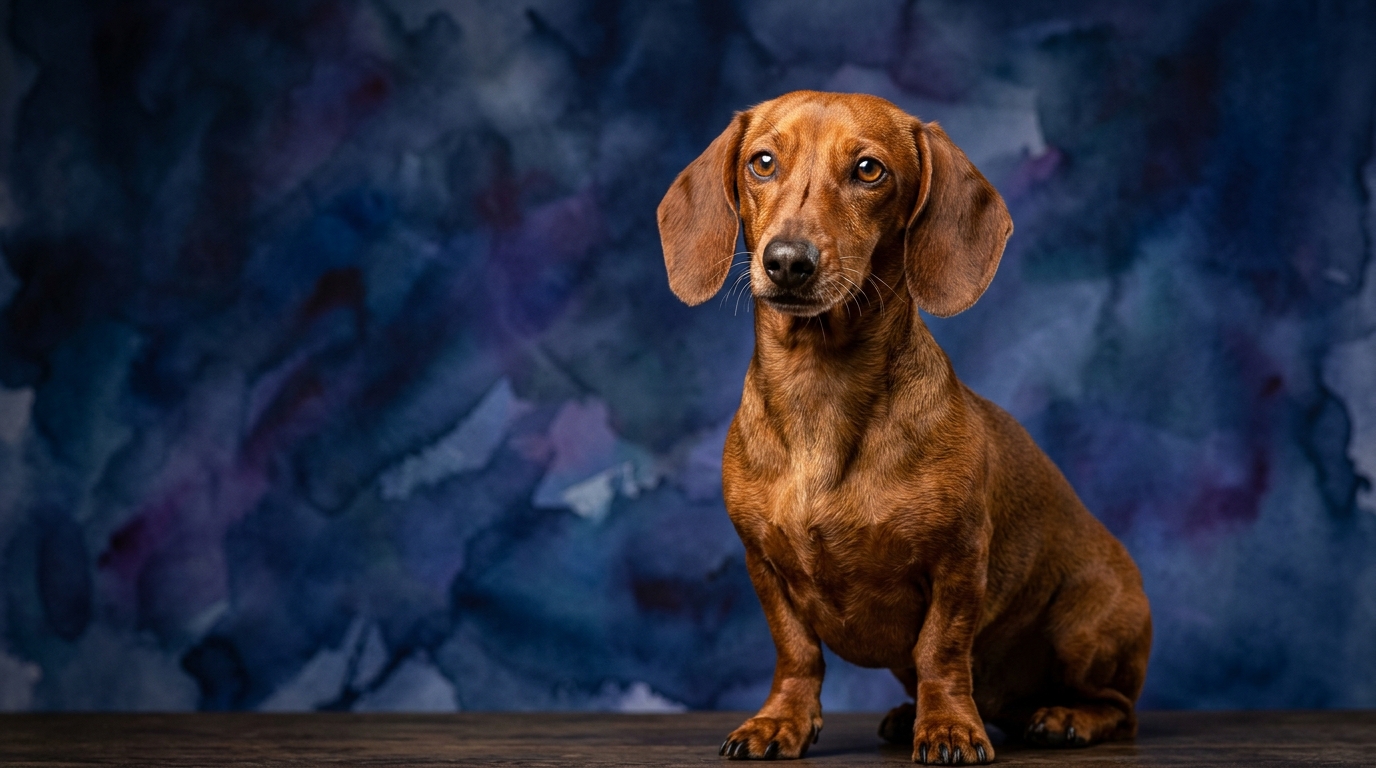
The Cosmic Pet Pet IQ Lab employs a multi-dimensional approach to assess canine cognitive abilities, moving beyond simplistic notions of 'smartness.' We evaluate five key areas: problem-solving, training speed, social intelligence, instinctive drive, and memory. For the Dachshund, a hound breed with a Coren rank of #49, we observe a distinct cognitive signature. Their problem-solving prowess scores a robust 4/5, reflecting impressive independent thought and strategic action, often channeled into their primary purpose of tracking and flushing game. However, their training speed is rated 2/5, suggesting a more deliberate and independent learning style. Social intelligence for the Dachshund stands at 3/5, reflecting their ability to form deep bonds with their chosen humans while often maintaining a reserved demeanor towards strangers. Their instinctive drive is exceptionally high at 5/5, a testament to their ingrained hunting behaviors, and memory is a solid 3/5, allowing them to recall routines and learned experiences effectively.
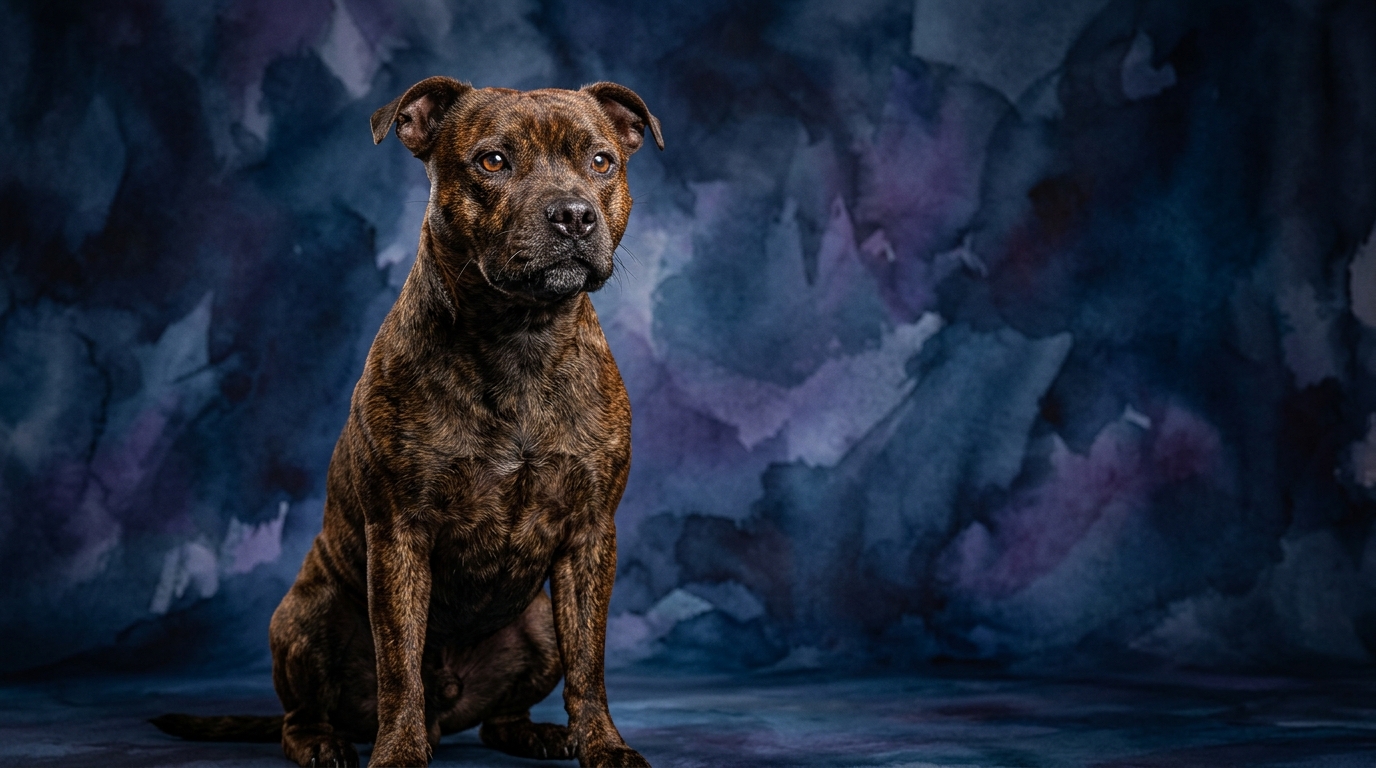
In contrast, the Staffordshire Bull Terrier, a terrier breed not currently Coren-ranked, presents a different cognitive profile. Their problem-solving ability registers at 3/5, demonstrating a competent but perhaps less independently strategic approach compared to the Dachshund, often favoring interactive or physically direct solutions. Training speed for the Staffy is rated 3/5, indicating a generally responsive nature and an eagerness to engage in cooperative learning. Social intelligence matches the Dachshund at 3/5, highlighting their capacity for strong human connections and reading emotional cues, though their social dynamics with other canines can be complex. The Staffy's instinctive drive is 3/5, a moderate rating that reflects their terrier tenacity but without the highly specialized, singular focus seen in a scent hound. Finally, their memory also scores 3/5, showing reliable recall of commands and familiar contexts.
Where the Dachshund Excels Cognitively
The Dachshund's cognitive strengths primarily lie in problem-solving (4/5) and an unparalleled instinctive drive (5/5). Their problem-solving isn't just about figuring out a puzzle toy; it's the tenacious pursuit of scent trails through varied terrain, devising strategies to access burrows, or cleverly manipulating environments for desired outcomes. This independent strategizing is a hallmark of their cognitive framework, perfectly matching their determined personalities.
Furthermore, their instinctive drive, rated a perfect 5/5, is a profound cognitive advantage for specific tasks. This isn't just a physical urge; it's a deeply ingrained mental framework that prioritizes tracking, scent discrimination, and relentless pursuit, allowing them to filter out distractions and dedicate cognitive resources to their ancestral purpose. For owners harnessing this drive through scent work, tracking games, or earthdog trials, the Dachshund's specialized cognitive architecture demonstrates unwavering mental dedication to their inherent calling.
Where the Staffordshire Bull Terrier Shines Cognitively
The Staffordshire Bull Terrier's cognitive advantages are most evident in their training speed (3/5) and adaptable approach to mental challenges. Their higher training speed compared to the Dachshund (2/5) indicates a more readily cooperative and receptive mindset during structured learning. Staffies often display a keen desire to please their human companions, translating into a quicker grasp of commands when positive reinforcement is consistently applied. Their cognitive processing often prioritizes understanding and responding to human cues efficiently.
Their balanced instinctive drive (3/5) is also a cognitive asset in many modern pet environments. While they possess terrier tenacity, it's typically less singularly focused than a Dachshund's profound hunting drive. This means a Staffy's cognitive resources are less overwhelmingly dedicated to a specific, ancestral task, allowing greater flexibility in learning new skills and adapting to diverse domestic situations. They can shift their mental focus more easily between play, training, and relaxation, making them versatile companions whose cognitive energy can be directed across a broader spectrum of activities.
Training Dynamics: Dachshund vs. Staffordshire Bull Terrier
When it comes to trainability, the Staffordshire Bull Terrier, with a training speed of 3/5, generally proves more amenable to formal obedience training. Their inherent people-pleasing nature and willingness to engage in interactive tasks mean they often pick up new commands with greater alacrity. A Staffy typically thrives on positive reinforcement, praise, and the opportunity to work alongside their owner, making them responsive students in a structured learning environment. Their cognitive framework seems to prioritize cooperation and understanding human directives, which streamlines the training process.
The Dachshund, however, presents a distinct challenge with its 2/5 training speed. This isn't a deficit in cognitive capacity, but rather a reflection of their independent and self-assured nature, coupled with their potent instinctive drive. A Dachshund's mind is often occupied with its own agenda, whether it's tracking a phantom scent or contemplating an escape route, making them less inclined to readily submit to human instruction if it doesn't align with their immediate interests. Training a Dachshund demands immense patience, creativity, and a deep understanding of their motivations. Owners must transform training into a highly rewarding game that appeals to their inherent drives, as their cognitive independence often questions the 'why' behind a command.
Matching Cognitive Profiles to Lifestyles: Active vs. Relaxed Owners
For owners seeking a companion that aligns with a more relaxed lifestyle, both breeds can fit, but with different caveats concerning their cognitive needs. A Dachshund, despite its robust instinctive drive, can be suitable for relaxed owners who are prepared to offer substantial mental enrichment. While they may not require miles of running, their minds demand engagement through scent games, puzzle toys, and opportunities to 'hunt' for treats. A physically inactive Dachshund still needs a mentally stimulating environment to prevent boredom and potential behavioral issues stemming from unmet cognitive needs; their problem-solving abilities thrive on challenges.
The Staffordshire Bull Terrier, with its balanced drives and eagerness to engage, can adapt well to various activity levels, but they excel with owners who can provide consistent physical activity and social interaction. While they enjoy downtime, their cognitive and emotional well-being is deeply tied to being an active participant in family life. An active owner who enjoys regular walks, play sessions, and perhaps dog sports will find the Staffy's cooperative nature and moderate instinctive drive make them an enthusiastic partner. Even for more relaxed owners, providing structured play and social opportunities is crucial to satisfy their cognitive need for interaction and engagement.
The Verdict: When to Choose Each Companion
The Verdict
Choose the Dachshund if you appreciate an independent, persistent thinker with a profound, specialized instinctive drive, and you are prepared for patient, creative training focused on channeling their natural inclinations.
Opt for the Staffordshire Bull Terrier if you seek a cooperative, adaptable companion eager to engage in training and family activities, valuing their balanced drives and sociable nature above all else.
🧠 Find Your Pet's IQ Score
Our Pet IQ Lab assessment covers 25+ tests across 5 cognitive dimensions — personalized to your breed.
Take the Full IQ Test →Frequently Asked Questions
Are Dachshunds stubborn during training?
Dachshunds can indeed appear stubborn, primarily due to their strong independent problem-solving skills and potent instinctive drive. Their cognitive framework often prioritizes their own objectives, requiring owners to make training highly engaging and rewarding to capture their full attention and cooperation.
Do Staffordshire Bull Terriers do well with puzzle toys?
Yes, Staffordshire Bull Terriers generally enjoy puzzle toys as they provide mental stimulation and an outlet for their problem-solving abilities, rated at 3/5. Their cooperative nature means they often engage enthusiastically with challenges that involve interaction and reward, making puzzle toys an excellent enrichment tool.
Which breed is better for first-time dog owners?
For first-time dog owners, the Staffordshire Bull Terrier might be a slightly more straightforward choice due to their higher training speed and eagerness to please. The Dachshund's strong independent streak and specialized drives can require a more experienced hand to navigate effectively, especially concerning consistent training and channeling their instincts.