Side-by-Side IQ Profile: Dalmatians vs. American Foxhounds
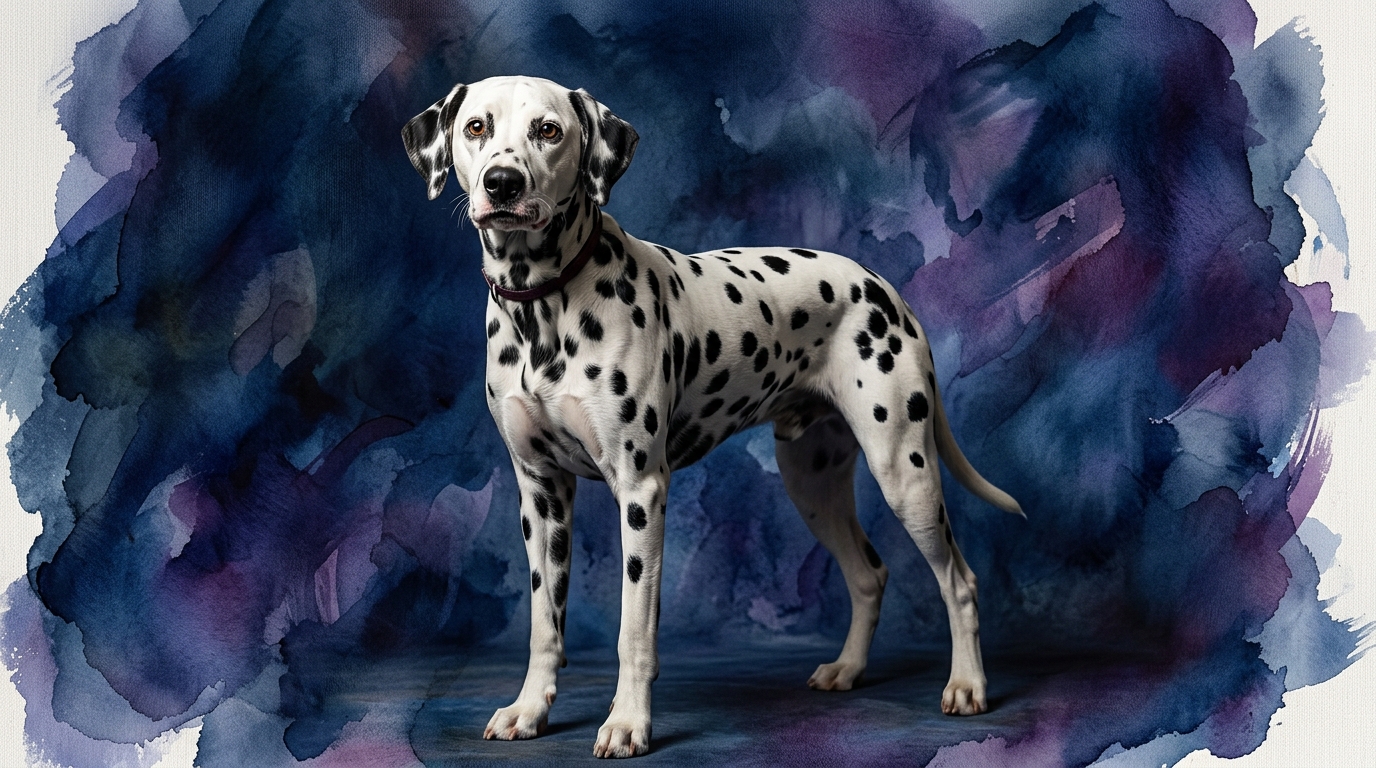
At The Cosmic Pet's Pet IQ Lab, we evaluate canine intelligence across five key dimensions. The Dalmatian, a Non-Sporting breed, registers a Coren rank of #39, indicating a solid capacity for understanding new commands. Its profile includes Problem Solving 3/5, Training Speed 3/5, Social Intelligence 4/5, Instinctive Drive 4/5, and Memory 4/5. This paints a picture of a dog adept at navigating complex human environments and remembering intricate routines.
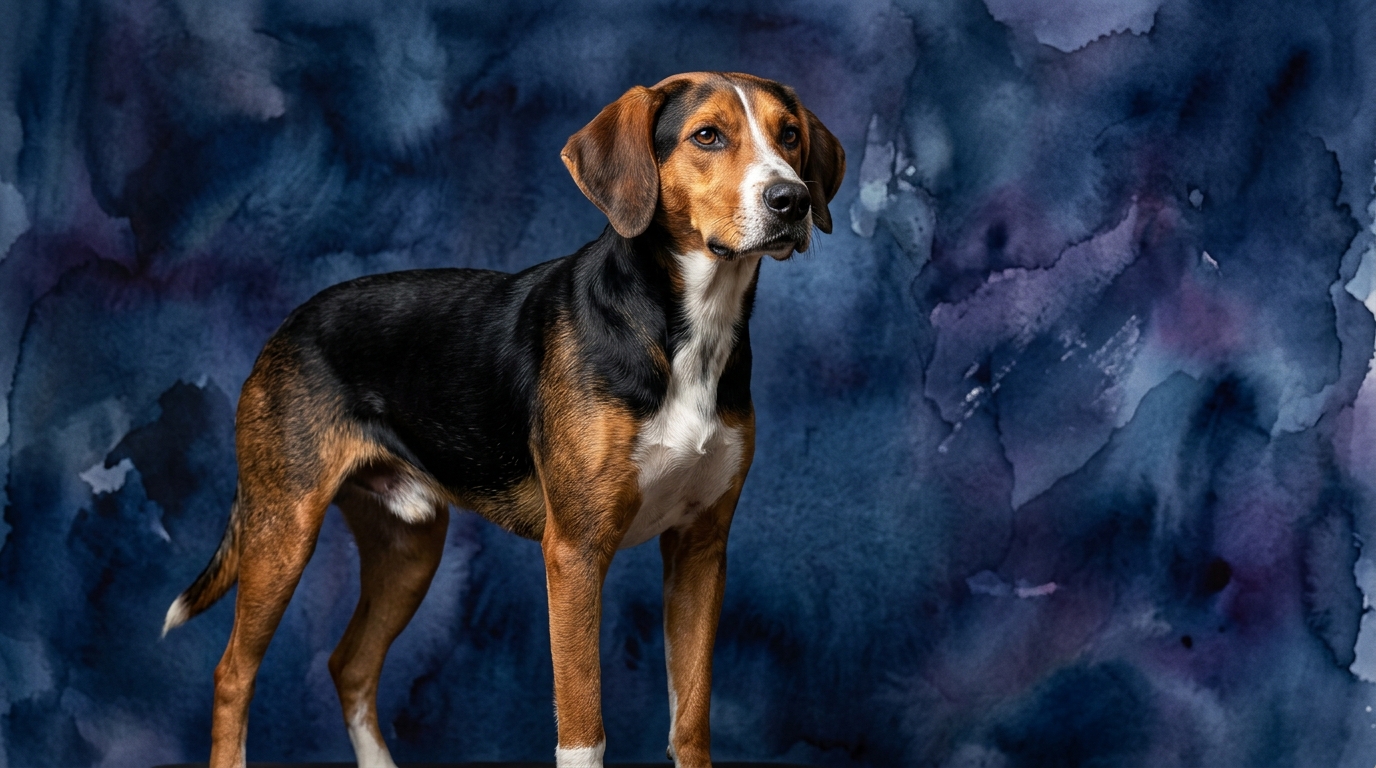
The American Foxhound, a member of the Hound group, is not Coren-ranked, suggesting a less conventional approach to human-centric command learning compared to breeds typically found on such lists. Its IQ metrics show Problem Solving 3/5, Training Speed 3/5, Social Intelligence 3/5, Instinctive Drive 3/5, and Memory 3/5. These scores reflect a breed whose cognitive strengths are deeply rooted in its primary historical function: cooperative, scent-driven hunting.
Where the Dalmatian Wins Cognitively
The Dalmatian's cognitive profile showcases distinct advantages, particularly in areas demanding close human interaction and environmental adaptability. With a Social Intelligence score of 4/5, Dalmatians demonstrate a superior capacity for understanding and responding to human cues, often forming strong bonds and integrating seamlessly into family dynamics. This social perceptiveness stems from their historical role as coach dogs, requiring them to work in tandem with both horses and people, anticipating directions and maintaining order.
Their Memory score of 4/5 further reinforces their cognitive edge in structured environments. Dalmatians are typically adept at recalling complex routes, routines, and specific commands over time, making them reliable companions for tasks requiring consistent performance. This robust memory, coupled with an Instinctive Drive of 4/5, means they can retain training and leverage their natural alertness and endurance for purposes beyond their original driving duties, such as agility or service work, where remembering sequences and remaining focused is paramount. Their Problem Solving and Training Speed scores, while matching the Foxhound at 3/5, are often applied to more varied, human-centric challenges, allowing them to adapt to diverse living situations with thoughtful engagement.
Where the American Foxhound Excels Cognitively
While the American Foxhound's scores may appear lower across the board compared to the Dalmatian, its cognitive profile is exquisitely specialized for its ancestral purpose: scent hunting. Its Problem Solving at 3/5, combined with an Instinctive Drive of 3/5, highlights a deep-seated ability to independently decipher complex scent puzzles. This isn't about solving abstract human-designed problems, but rather about expertly navigating vast, varied terrains to locate a quarry, a task requiring immense focus, persistence, and an intricate understanding of olfactory information.
The Foxhound's Social Intelligence of 3/5, though lower than the Dalmatian's, is perfectly optimized for pack dynamics. Their social cognition is geared towards cooperative hunting, understanding the movements and vocalizations of their canine companions, rather than primarily interpreting human emotional states. Their Memory score of 3/5 is exceptionally effective for recalling scent trails and geographical features over long distances, crucial for successful pursuit and return. This breed's specific cognitive strengths lie in sustained, independent, and collaborative work within a scent-driven context, where their unwavering determination and specialized sensory processing truly shine, making them unparalleled in their chosen field.
Which is Easier to Train and Why
When considering ease of training, the Dalmatian generally presents a more straightforward path for the average owner. Their higher Social Intelligence (4/5) means they are typically more attuned to human instruction and eager to please, responding well to positive reinforcement. Their superior Memory (4/5) allows them to retain commands and routines more consistently, building upon learned behaviors efficiently. While both breeds share a Training Speed score of 3/5, the Dalmatian's desire for interaction often translates into a more willing participant in training sessions.
The American Foxhound, despite matching the Dalmatian's Training Speed at 3/5, can prove more challenging due to its deeply ingrained independent hunting drive (3/5). Their primary motivation is often following a scent, and this powerful instinctive pull can override human commands, especially in stimulating outdoor environments. Their social intelligence, while effective for pack work, means they may not always prioritize human direction over their own sensory pursuits. Training a Foxhound requires immense patience, consistency, and an understanding that their focus may frequently be redirected by their nose, making recall a particular challenge without extensive, dedicated effort.
Which Suits Active Owners vs. Relaxed Owners
Neither the Dalmatian nor the American Foxhound are suited for truly relaxed owners; both breeds demand significant physical and mental engagement, albeit in different forms. The Dalmatian, with its high Instinctive Drive (4/5) and historical role as an endurance runner alongside carriages, requires consistent, vigorous exercise. They thrive on long runs, hikes, and structured activities like agility or canine sports that challenge their problem-solving (3/5) and memory (4/5) skills. Owners must be prepared for daily, engaging exercise and mental stimulation to prevent boredom and destructive behaviors.
The American Foxhound, with its equally robust energy for tracking, is also a poor choice for a relaxed lifestyle. Its Instinctive Drive (3/5) is singularly focused on scent work, meaning they need expansive, secure outdoor spaces where they can safely explore and follow their nose. While they might not require the same structured 'job' as a Dalmatian, their need for sustained, self-directed exploration is immense. Owners must be committed to providing opportunities for their Foxhound to utilize its powerful sense of smell, whether through scent work games, long leash walks in varied environments, or access to large, fenced areas for free running. Attempting to restrict a Foxhound to a sedentary life will undoubtedly lead to frustration for both dog and owner.
The Verdict: When to Choose Each Breed
Choosing between a Dalmatian and an American Foxhound boils down to aligning their specialized cognitive profiles with your lifestyle and expectations. The Dalmatian is an excellent choice for active individuals or families who appreciate a dog with a strong social connection, a keen memory for routines, and the endurance to participate in varied activities. They thrive in environments where their problem-solving can be engaged through training and where their strong bond with humans is a central part of their daily life.
Conversely, the American Foxhound is best suited for dedicated owners who understand and respect their profound drive for scent work and independent exploration. They flourish in homes that can provide ample secure outdoor space and opportunities for them to engage their powerful nose, ideally with experience in managing a breed with a highly focused, independent hunting instinct. While they may require more patience in traditional training, their unique cognitive design makes them unparalleled companions for those who appreciate their specialized talents.
The Verdict
Choose a Dalmatian if you seek an active, socially intelligent companion that excels in structured learning and forms deep bonds with its human family, thriving on varied engagement. They are best for owners who can provide consistent training and integrate them fully into family activities.
Opt for an American Foxhound if you are an experienced, active owner prepared to embrace a dog with an unwavering scent drive and a need for extensive independent exploration, appreciating their specialized cognitive abilities for tracking. They require significant outdoor freedom and patience in training.
🧠 Find Your Pet's IQ Score
Our Pet IQ Lab assessment covers 25+ tests across 5 cognitive dimensions — personalized to your breed.
Take the Full IQ Test →Frequently Asked Questions
Are Dalmatians good at problem-solving?
Dalmatians score 3/5 in problem-solving at The Cosmic Pet's Pet IQ Lab, indicating a moderate capacity for figuring out novel situations. This means they can learn to manipulate simple latches or navigate environmental puzzles with some practice, often applying their memory and social intelligence to these tasks.
How does an American Foxhound's social intelligence compare?
The American Foxhound's social intelligence is rated 3/5, meaning they are adept at understanding pack dynamics and working cooperatively with other dogs in a hunting context. While they can bond with humans, their social cues are often more subtle and less human-centric compared to breeds with higher scores, requiring owners to learn their specific communication style.
Which breed has better memory for routines?
The Dalmatian scores 4/5 in memory, indicating a strong ability to recall routines, commands, and learned behaviors over time. The American Foxhound scores 3/5, demonstrating good memory for scent trails and geographical features relevant to hunting, but perhaps less emphasis on human-imposed daily schedules.