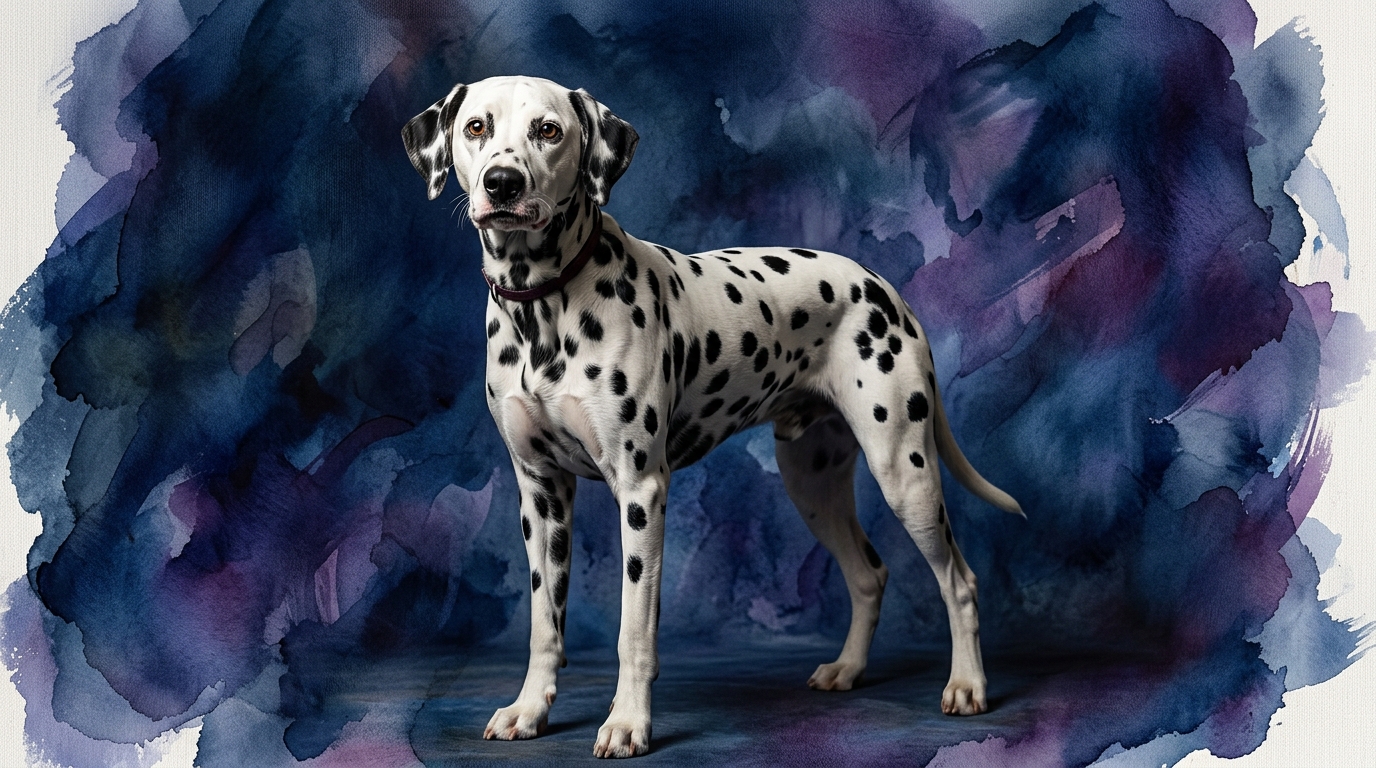
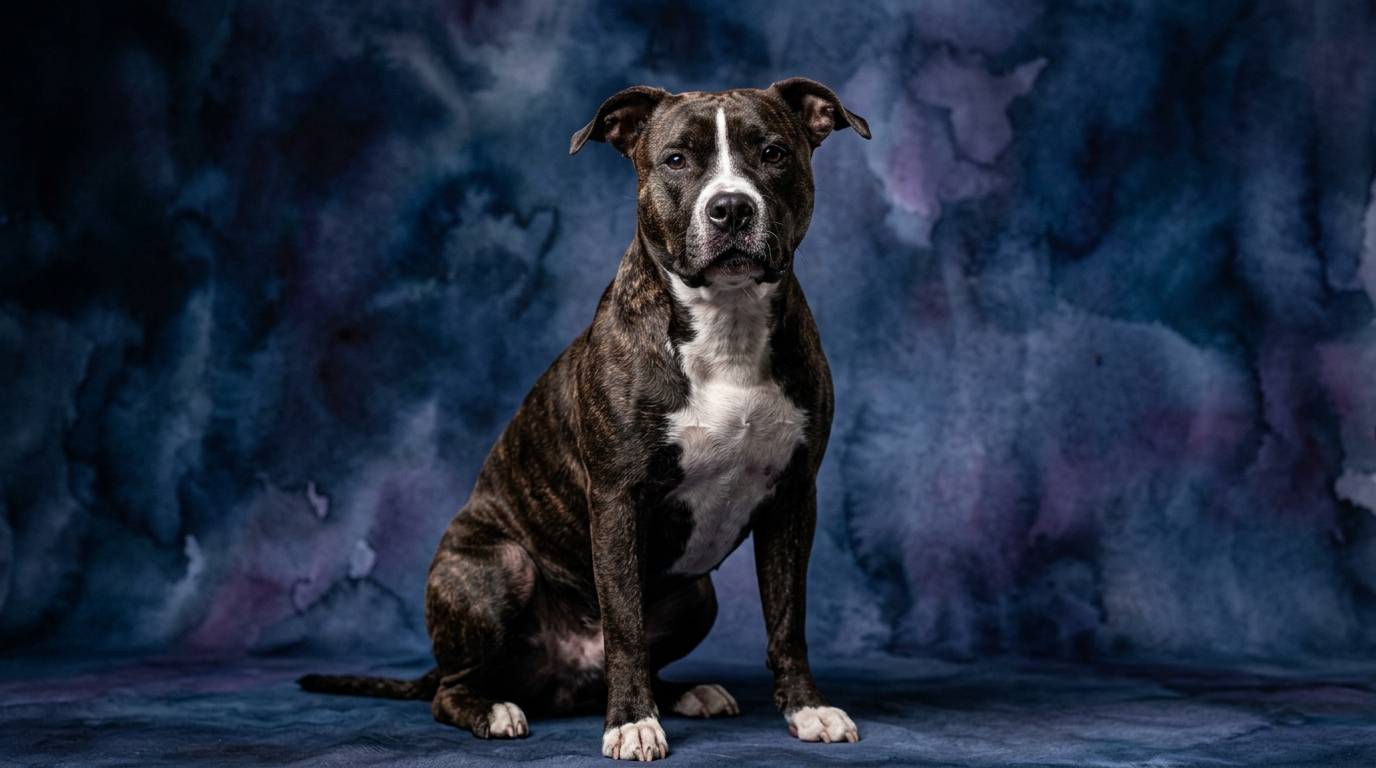
Side-by-Side IQ Profile: Dalmatian vs. American Staffordshire Terrier
In The Cosmic Pet Pet IQ Lab, we analyze canine intelligence across five key dimensions, offering a detailed look beyond general rankings. The Dalmatian, with a Coren rank of #39, presents a profile marked by strong social and instinctive drives. They score 3/5 for problem-solving, indicating a capable but not always self-motivated approach to novel challenges, and 3/5 for training speed, suggesting consistent, engaging methods yield the best results. Their social intelligence shines at 4/5, demonstrating a keen awareness of human cues, complemented by an instinctive drive of 4/5, reflecting their historical roles requiring endurance and companionship. Their memory is also robust, scoring 4/5, allowing them to retain lessons and experiences effectively.
The American Staffordshire Terrier, ranked #48 by Coren, exhibits a slightly different cognitive emphasis, though with some overlapping scores. They share a 3/5 rating for problem-solving, capable of practical solutions when motivated, and also 3/5 for training speed, thriving on clear, consistent reinforcement. Their social intelligence is rated 3/5, indicating deep bonds within their family unit but potentially more reservation with strangers. Their instinctive drive comes in at 3/5, highlighting tenacity and focus on specific tasks. Like the Dalmatian, they possess an impressive memory, scoring 4/5, which makes learned behaviors enduring.
Where the Dalmatian Wins Cognitively
The Dalmatian's cognitive profile shows distinct advantages, particularly in areas of social interaction and sustained activity. Their social intelligence, rated at 4/5 compared to the AmStaff's 3/5, signifies a more immediate and broad understanding of human social dynamics. This often translates to a greater responsiveness to a wider range of social cues, making them highly expressive and adaptable in varied social settings, provided they are well-socialized from a young age and exposed to diverse environments.
Furthermore, the Dalmatian's higher instinctive drive of 4/5, versus the AmStaff's 3/5, is particularly geared towards endurance and companionship. This means they are naturally inclined towards activities that involve sustained effort alongside their human partners, such as long-distance running or extensive outdoor exploration. This drive supports roles requiring consistent focus over extended periods, reflecting their historical function of running alongside carriages, demanding both physical stamina and mental engagement with their human companions.
Where the American Staffordshire Terrier Wins Cognitively
While the American Staffordshire Terrier doesn't outscore the Dalmatian in any single metric, their cognitive profile presents a distinct kind of strength, particularly in focused, task-oriented application. Their combination of problem-solving (3/5) and instinctive drive (3/5) manifests as a tenacious determination to master specific, structured challenges once appropriately motivated. They excel in scenarios demanding steadfastness and resolve, rather than broad social navigation or sustained endurance over vast distances.
Furthermore, their social intelligence (3/5), though scored lower than the Dalmatian's, fosters an unwavering loyalty and protective instinct intensely focused on their immediate family. This deep, singular bond means they are exceptionally motivated to please their trusted handlers, making them particularly receptive to consistent training within their close-knit human pack and reliable in tasks that involve protecting their loved ones.
Which is Easier to Train and Why
When comparing training ease, both breeds register a 'training speed' of 3/5, suggesting that neither is inherently 'easier' than the other; instead, their trainability hinges on the owner's understanding of their specific cognitive drivers. Dalmatians, with their higher social intelligence (4/5) and strong memory (4/5), can appear quick to grasp new commands and respond to cues, often eager to engage in interactive learning. However, their significant instinctive drive (4/5) for endurance means their high energy requires consistent channeling through varied, engaging sessions to prevent boredom and maintain focus, making consistency in managing their drive paramount.
American Staffordshire Terriers, also rated 3/5 for training speed and 4/5 for memory, thrive on clear, consistent instruction and positive reinforcement, especially from their primary caregivers. Their social intelligence (3/5) is intensely family-focused, meaning they are deeply motivated by the desire to please their trusted human companions. While they might exhibit a stubborn streak if motivation isn't strong or leadership isn't clear, once a behavior is learned and linked to a positive outcome, their strong memory ensures it sticks, fostering a highly reliable and obedient companion over time.
Which Suits Active Owners vs. Relaxed Owners
For owners seeking a highly active companion, both breeds certainly fit the bill, though their preferred modes of activity diverge. The Dalmatian, with its impressive instinctive drive (4/5) geared towards endurance, thrives alongside owners who enjoy long-distance running, extensive hiking, or engaging in dog sports like canicross or agility that demand sustained physical output. Their high social intelligence (4/5) ensures they relish being an integral part of these shared, dynamic adventures, often seeking constant interaction and feedback.
The American Staffordshire Terrier, while possessing a robust build and needing substantial exercise, channels its instinctive drive (3/5) through tenacity and focused physical engagement. They are excellent partners for owners who appreciate structured routines, enjoy strength-based activities, or want a dog that excels in tasks like weight pulling, advanced obedience, or vigorous fetch sessions. Neither breed is suitable for truly 'relaxed' owners who prefer minimal daily engagement, as both require significant mental and physical outlets to maintain a balanced and happy demeanor.
The Verdict
Choose a Dalmatian if you lead a highly active lifestyle, desire a socially responsive companion for varied outdoor adventures, and are prepared to channel their significant endurance drive through consistent, engaging activities.
Opt for an American Staffordshire Terrier if you value unwavering loyalty within a close family unit, prefer structured training and robust physical activities, and can provide clear leadership to channel their tenacious focus.
🧠 Find Your Pet's IQ Score
Our Pet IQ Lab assessment covers 25+ tests across 5 cognitive dimensions — personalized to your breed.
Take the Full IQ Test →Frequently Asked Questions
Are Dalmatians good family dogs?
Yes, Dalmatians can be excellent family dogs due to their high social intelligence and strong memory, forming deep bonds with their human companions. However, their high energy and need for consistent exercise mean they thrive in active households that can meet their stimulation requirements.
What kind of mental stimulation does an American Staffordshire Terrier need?
American Staffordshire Terriers benefit from consistent mental challenges like puzzle toys, obedience training, and structured play sessions that engage their problem-solving skills and tenacity. These activities help channel their instinctive drive and prevent boredom, promoting a well-adjusted temperament.
Do Dalmatians and American Staffordshire Terriers get along with other pets?
Dalmatians, with their strong social intelligence, can often coexist well with other pets if properly socialized from a young age. American Staffordshire Terriers, while deeply loyal to their family, may require more careful, supervised introductions to other animals due to their specific instinctive drives and focus on their inner circle.