Side-by-Side IQ Profile: Dalmatian vs. Border Terrier
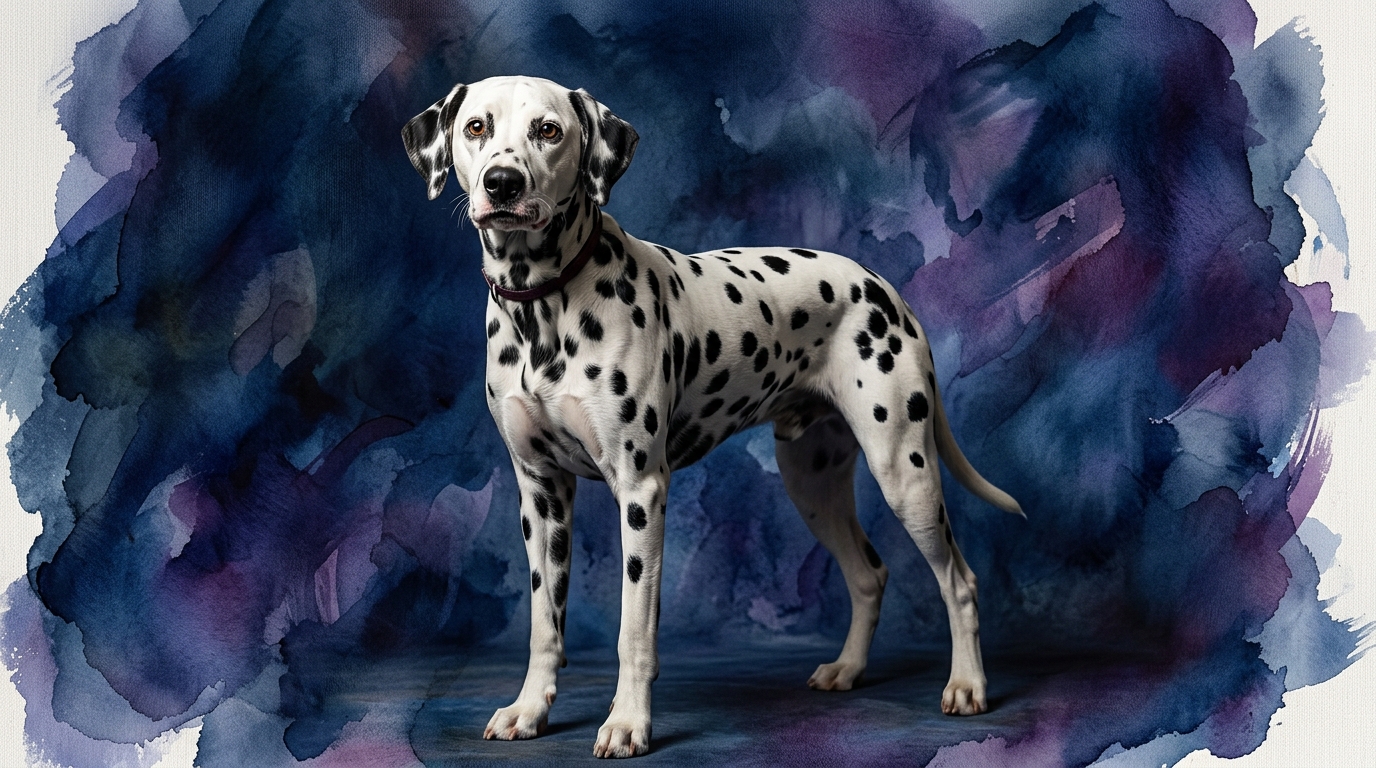
**Dalmatian (Coren Rank #39, Non-Sporting Group)**: Our Pet IQ Lab data shows Dalmatians score 3/5 in Problem Solving, indicating they are capable of solving moderately complex tasks, though they may require more time or repetition to grasp new puzzles. Their Training Speed is also 3/5, meaning they respond well to consistent, positive reinforcement, but might not pick up new commands as quickly as some other breeds, often requiring more patience in early stages. Where they truly shine is in Social Intelligence, scoring 4/5, demonstrating a strong aptitude for understanding human cues and social dynamics, making them perceptive companions who form deep bonds. Their Instinctive Drive is 4/5, reflecting a robust natural drive, often expressed in activities like running, chasing, or a strong connection to their "pack." Finally, their Memory is 4/5, exhibiting excellent long-term recall for learned behaviors, routines, and familiar people or places.
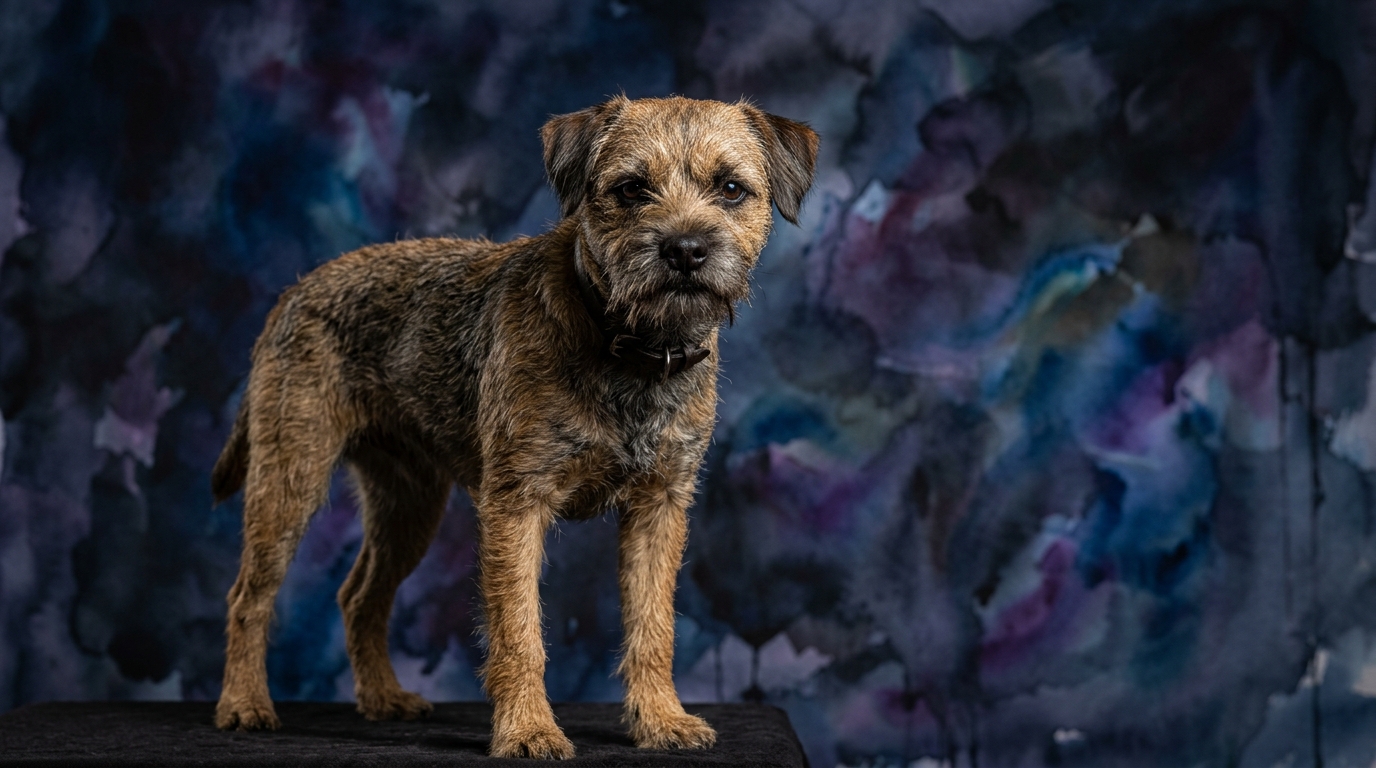
**Border Terrier (Coren Rank #30, Terrier Group)**: Border Terriers, according to our IQ Lab, score 4/5 in Problem Solving, displaying a strong capacity for independent thought and figuring out solutions to environmental challenges, often showing ingenuity in navigating obstacles. Their Training Speed is also 4/5, meaning they are quick to learn new commands and routines, often thriving on varied and engaging training sessions due to their eagerness to participate. In contrast to Dalmatians, their Social Intelligence is 3/5; while capable of bonding closely with their family, their social intelligence is more focused on their immediate pack, and they may show less nuanced understanding of broader human social cues. Their Instinctive Drive is 3/5, possessing a moderate but clear terrier drive primarily focused on hunting small prey, which translates into persistent curiosity and a desire to explore. Like Dalmatians, their Memory is 4/5, holding onto information effectively, remembering training, routines, and experiences over significant periods.
Where the Dalmatian Wins Cognitively
The Dalmatian’s cognitive strengths are particularly evident in their superior Social Intelligence (4/5 compared to the Border Terrier’s 3/5). This higher score signifies a greater ability to interpret subtle human body language, vocal inflections, and emotional states, making them exceptionally attuned companions. They often seem to anticipate their owner's moods or intentions and adapt more readily to varied social situations, which can make them excellent family pets in busy households where understanding diverse human interactions is key. This isn't just about being friendly; it’s about a sophisticated cognitive capacity to read and respond to the nuances of human social behavior, forming very empathetic connections.
Another area where Dalmatians excel is their Instinctive Drive (4/5 versus the Border Terrier’s 3/5). Rooted in their history as carriage dogs, this manifests as a powerful desire for endurance activities and a strong connection to their human "pack." This drive is not purely predatory; it’s a purposeful energy for partnership and sustained effort. They thrive in activities requiring stamina, like long runs or agility courses, where their focus and physical prowess are channeled. This robust drive also contributes to their loyalty and protective instincts towards their chosen family, making them vigilant companions with a strong sense of purpose when properly directed.
Where the Border Terrier Wins Cognitively
The Border Terrier demonstrates a distinct cognitive edge in Problem Solving, scoring 4/5 compared to the Dalmatian’s 3/5. Their natural instinct to hunt and navigate complex underground tunnels has honed a mind that can independently assess situations and devise solutions without constant human direction. This might manifest as quickly figuring out how to open a gate, retrieve a toy from an awkward spot, or efficiently solving a puzzle feeder. This cognitive strength means they thrive on mental challenges and can become bored or even destructive if not provided with ample opportunities to engage their minds in constructive ways. They possess a tenacious, self-reliant intelligence that is a hallmark of their terrier heritage.
Furthermore, the Border Terrier’s higher Training Speed (4/5 vs. the Dalmatian’s 3/5) gives them an advantage in learning new commands and behaviors. Their eagerness to engage and their quick processing speed mean that training sessions can be shorter and more dynamic, often making the process feel like a stimulating game. This efficiency in learning doesn't imply a lack of effort but rather an inherent responsiveness to positive reinforcement. For owners who enjoy teaching complex tricks or participating in dog sports where rapid skill acquisition is beneficial, the Border Terrier's quick grasp of new concepts can be a significant advantage.
Which is Easier to Train and Why
Based on our Pet IQ Lab data, the Border Terrier generally proves easier to train due to its higher score in training speed (4/5 compared to Dalmatian's 3/5) and superior problem-solving abilities (4/5 vs 3/5). Border Terriers tend to grasp new concepts and commands with fewer repetitions, often displaying an inherent eagerness to participate in learning activities. Their independent problem-solving nature, honed by generations of working independently, translates into a quick understanding of desired outcomes and how to achieve them. For instance, a Border Terrier might quickly deduce that "sit" leads to a treat after only a few attempts, while a Dalmatian, though perfectly capable, might require more consistent guidance and repetition to solidify the same command.
Dalmatians, with their strong instinctive drive and moderate training speed, require more patience and consistency, particularly in overcoming distractions, as their focus can sometimes be directed towards their environment rather than the task at hand. While their social intelligence means they *want* to please their human companions, their learning curve for specific tasks might be a bit longer. Owners should be prepared for a more gradual, but ultimately rewarding, training journey with a Dalmatian, emphasizing consistent, positive reinforcement and engaging methods to keep their attention.
Which Suits Active Owners vs. Relaxed Owners
Both breeds are best suited for active owners, though their activity needs differ in nuance. The Dalmatian, with its high instinctive drive (4/5) and capacity for endurance, is an ideal match for owners who enjoy long-distance running, cycling with their dog, or participating in physically demanding dog sports like canicross or agility. They require significant daily physical exertion to prevent boredom and destructive behaviors, thriving on a routine that includes ample opportunities to stretch their long legs and engage their stamina. A relaxed owner might struggle with the Dalmatian's substantial energy output and need for purposeful activity, potentially leading to an under-stimulated and restless companion.
The Border Terrier, while also active, has a different kind of energy. Their problem-solving prowess and terrier drive mean they need regular physical activity combined with significant mental stimulation. They are excellent companions for hiking, earthdog trials, or agility, but also thrive on puzzle toys, scent work, and varied training sessions that challenge their quick minds. A relaxed owner might find the Border Terrier's need for mental engagement and their potential for independent, sometimes mischievous, problem-solving overwhelming if not consistently managed. Neither breed is truly suited for a sedentary lifestyle; both require owners who are committed to providing consistent physical and mental outlets.
The Verdict
Choose a Dalmatian if you seek a highly socially perceptive companion for a physically active lifestyle, valuing deep emotional connections and a partner for endurance activities.
Opt for a Border Terrier if you desire a quick-witted, independent problem-solver who thrives on varied mental challenges and enjoys engaging in diverse, stimulating activities.
🧠 Find Your Pet's IQ Score
Our Pet IQ Lab assessment covers 25+ tests across 5 cognitive dimensions — personalized to your breed.
Take the Full IQ Test →Frequently Asked Questions
Is a Dalmatian or a Border Terrier better for a first-time dog owner?
A Border Terrier might be slightly more manageable for a first-time owner due to their quicker training speed, though both require dedicated socialization and consistent training. Dalmatians' higher energy and strong drive can be challenging for inexperienced owners.
Do Dalmatians and Border Terriers get along well with other pets?
Dalmatians, with their higher social intelligence, can often integrate well with other pets, especially if socialized early. Border Terriers, having a strong prey drive, require careful introductions to smaller pets like cats or rodents, though they can coexist peacefully with other dogs.
Which breed is more prone to independent thinking?
The Border Terrier, with its superior problem-solving score, exhibits more independent thinking. This trait, while valuable for tasks, means they might make their own decisions if not consistently guided, contrasting with the Dalmatian's more socially-oriented responsiveness.