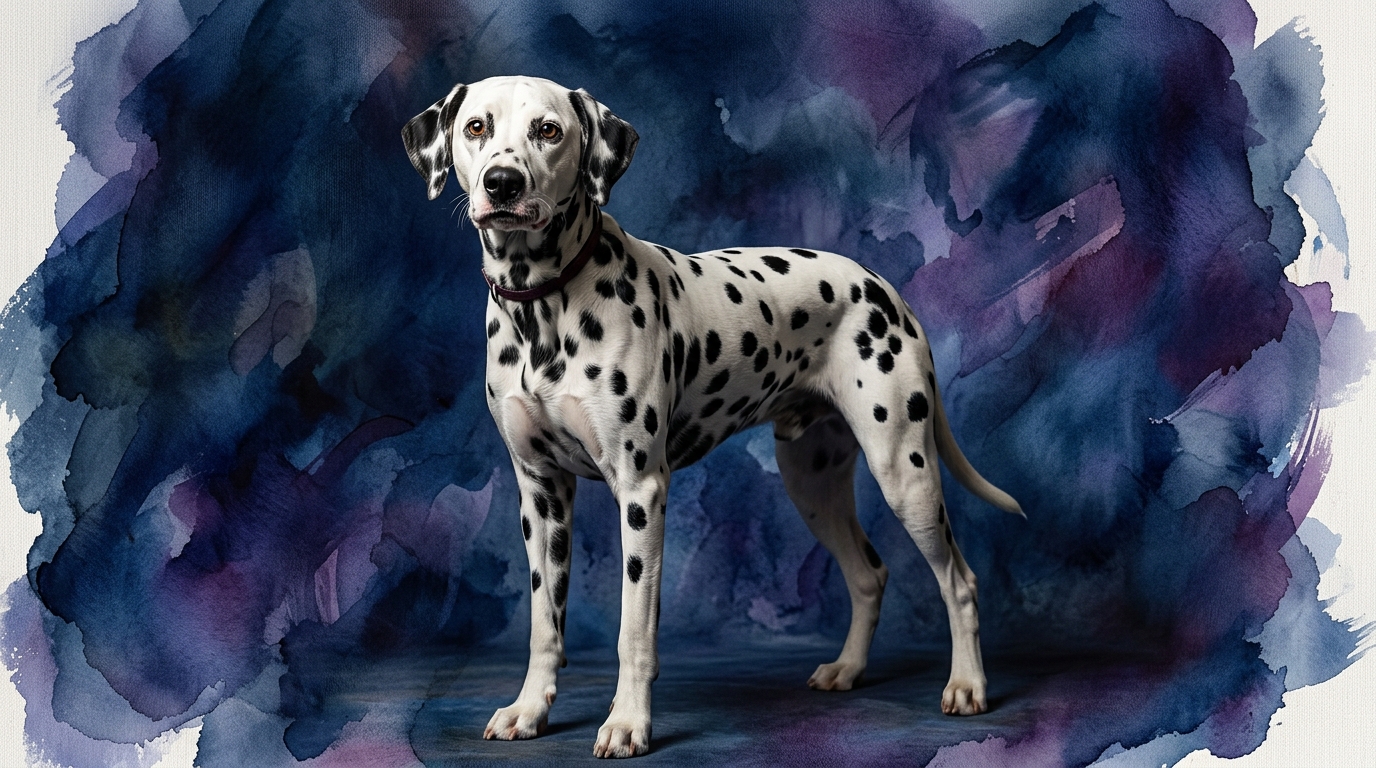
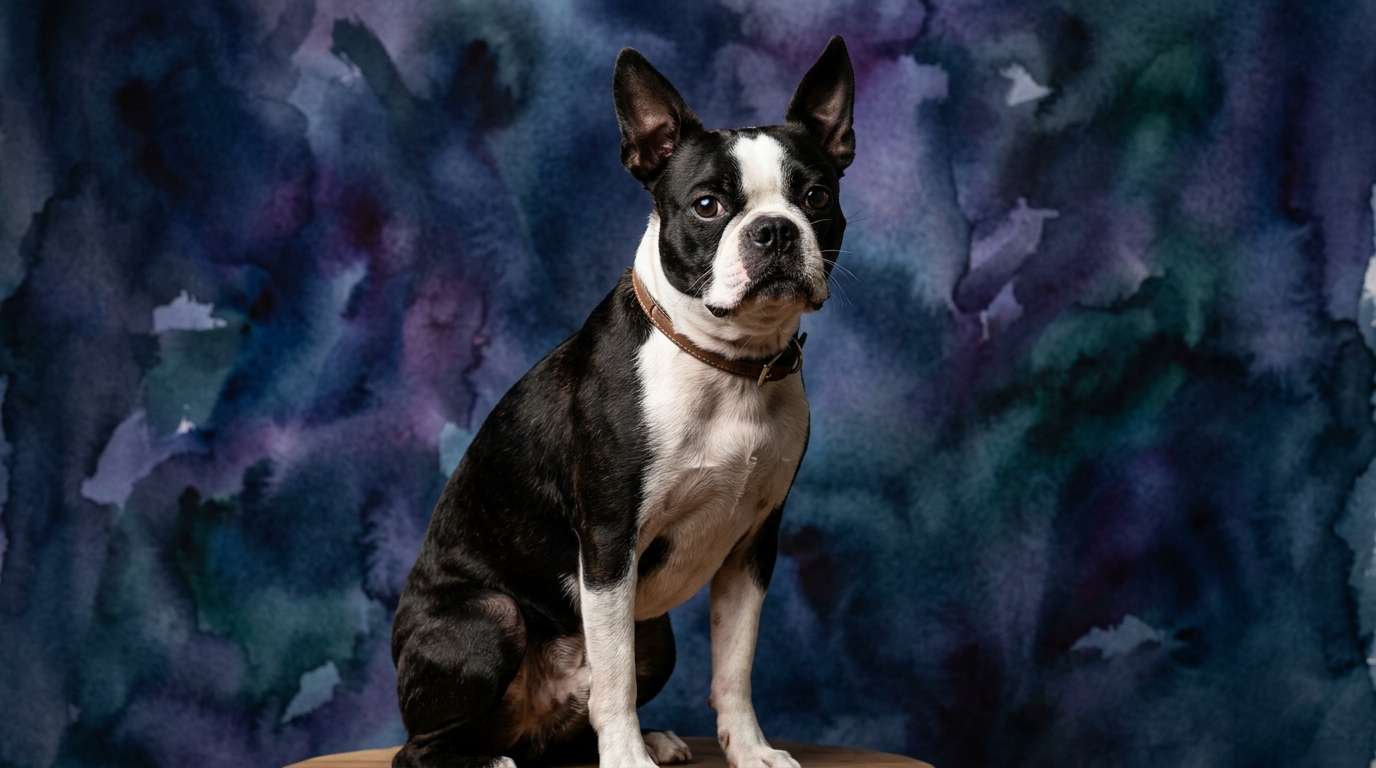
Side-by-Side Cognitive Profiles: Dalmatian vs. Boston Terrier
The Dalmatian, ranked #39 by Coren, presents a robust cognitive profile indicative of its history as a carriage dog and companion. In problem-solving, they score 3/5, suggesting a moderate ability to navigate novel situations and figure out solutions independently. Their training speed also registers at 3/5, meaning they grasp new commands and routines at an average pace, requiring consistent and engaging methods. Social intelligence shines brightly at 4/5, highlighting their strong capacity to interpret human cues, understand social hierarchies, and form deep bonds. A notable 4/5 in instinctive drive points to a strong inherent motivation for certain behaviors, often related to their historical working roles, which can be channeled effectively with proper guidance. Finally, their memory stands at an impressive 4/5, indicating excellent retention of learned behaviors, commands, and experiences, making them reliable in recalling information over time.
The Boston Terrier, holding Coren's #54 rank, offers a distinct cognitive makeup, reflecting its development as a dedicated companion animal. Their problem-solving ability matches the Dalmatian at 3/5, indicating a similar capacity for independent thought in moderate challenges. Training speed also aligns at 3/5, suggesting they learn new tasks and commands at an average rate, benefiting from patient and positive reinforcement. Where the Boston Terrier truly excels is in social intelligence, also scoring 4/5, demonstrating a profound understanding of human emotions and social dynamics, making them exceptionally attuned companions. A key differentiator is their instinctive drive, scoring 2/5; this lower drive suggests less inherent inclination towards strong prey drives or independent working behaviors, making them generally less prone to chasing or wandering. Their memory is rated 3/5, indicating a solid, though not exceptional, ability to recall information and routines.
Where the Dalmatian's Cognition Excels
The Dalmatian's cognitive edge is most evident in its superior instinctive drive and memory, both rated 4/5 compared to the Boston Terrier’s 2/5 and 3/5 respectively. This elevated instinctive drive translates into a breed with a powerful intrinsic motivation for activity and purpose, often manifesting as a strong desire for engagement in tasks or games, making them excellent candidates for advanced obedience, agility, or even search and rescue work when properly trained. Their exceptional memory means that once a command or routine is learned, it is deeply ingrained, leading to reliable performance over time; this also means they remember experiences, both positive and negative, more vividly, which influences their long-term behavior and trust in handlers. For instance, a Dalmatian might remember a complex agility course layout with fewer repetitions than a Boston, or consistently recall the location of a hidden treat after only a few demonstrations, demonstrating a sustained cognitive advantage in retention and motivated task execution.
Where the Boston Terrier's Cognition Shines
While not outscoring the Dalmatian in raw metrics for problem-solving or training speed, the Boston Terrier's cognitive strengths lie in the practical application of its social intelligence and its specifically lower instinctive drive. Both breeds share a 4/5 social intelligence score, but the Boston Terrier's expression of this often manifests as a keen ability to seamlessly integrate into various household dynamics, adapting quickly to different routines and family members without the strong independent drive that might necessitate a "job." Their 2/5 instinctive drive is a significant advantage in a domestic setting; this means they are generally less inclined to chase small animals, wander off in pursuit of scents, or exhibit strong territorial behaviors rooted in primal urges. This lower drive often translates to a more relaxed and easily managed companion in urban environments or smaller living spaces, where a high-drive dog might become frustrated without sufficient outlet. Their strong social connection combined with this reduced instinctual pull makes them highly adaptable and content companions, requiring less management of innate working behaviors.
Training Dynamics: A Tale of Two Drives
Both Dalmatians and Boston Terriers share a 3/5 training speed, suggesting they grasp new commands at a comparable, moderate pace. However, the *ease* of training can differ significantly due to their other cognitive traits, particularly instinctive drive. The Dalmatian's 4/5 instinctive drive means they possess a strong, inherent motivation that can be a powerful asset when channeled into structured training, but it can also present challenges. Without sufficient mental and physical engagement, this drive can manifest as restlessness or independent pursuits, requiring a handler to be consistently engaging and firm in their guidance to direct that energy. Conversely, the Boston Terrier's 2/5 instinctive drive means they are generally less driven by deep-seated urges to chase, explore independently, or perform specific tasks. This can make them less prone to distraction from external stimuli like squirrels or distant scents during training sessions. While they might require more intrinsic motivation through rewards and praise due to a lower inherent "work" drive, their reduced inclination for independent, instinct-driven behaviors often makes them more focused on the handler and less likely to divert attention, potentially leading to smoother, less challenging training experiences for novice owners.
Matching Cognitive Profiles to Lifestyles
For active owners seeking a canine partner for adventures and structured activities, the Dalmatian often presents a more suitable cognitive and physical match. Their 4/5 instinctive drive and memory, coupled with their historical role as endurance runners, mean they thrive on consistent mental stimulation and physical exercise. They are well-suited for activities like long-distance running, hiking, agility, or even advanced obedience, requiring an owner who can consistently engage their sharp minds and robust bodies. A Dalmatian left without sufficient outlets for its drive and memory can become bored, potentially leading to undesirable behaviors, making them a commitment for those with an active lifestyle and a willingness to provide extensive engagement.
In contrast, the Boston Terrier generally aligns better with relaxed owners or those living in urban environments with less access to expansive outdoor spaces. Their 2/5 instinctive drive means they are typically content with moderate daily walks and indoor play, not demanding the same level of intense physical output as a Dalmatian. Their 4/5 social intelligence, combined with lower physical demands, makes them ideal companions for individuals or families who prioritize companionship and indoor interaction. While they still benefit from mental enrichment, their cognitive profile suggests they are less prone to restlessness or destructive behaviors if their daily activities are more focused on social interaction and shorter bursts of play rather than endurance feats.
The Verdict
Opt for a Dalmatian if you are an active individual or family committed to providing consistent physical exercise, extensive mental enrichment, and structured training that harnesses their strong instinctive drive and impressive memory for tasks like advanced sports or sustained outdoor activities.
Select a Boston Terrier if you seek a highly social, adaptable companion well-suited for urban living or a more relaxed lifestyle, appreciating their lower instinctive drive and capacity for close companionship with moderate exercise requirements.
🧠 Find Your Pet's IQ Score
Our Pet IQ Lab assessment covers 25+ tests across 5 cognitive dimensions — personalized to your breed.
Take the Full IQ Test →Frequently Asked Questions
Are Dalmatians difficult to train due to their high drive?
Dalmatians have a 4/5 instinctive drive, meaning they possess strong inherent motivations. While this can make them highly capable in structured tasks, it requires consistent, engaging training to channel their energy effectively and prevent independent, less desirable behaviors.
Do Boston Terriers need a lot of mental stimulation despite their lower instinctive drive?
Yes, Boston Terriers, with their 3/5 problem-solving and 4/5 social intelligence, benefit significantly from mental enrichment. Puzzle toys, short training sessions, and interactive play keep their minds engaged and prevent boredom, even with moderate physical exercise.
Which breed is generally better with children, considering their intelligence profiles?
Both breeds score 4/5 in social intelligence, indicating good understanding of social cues. However, a Dalmatian's higher energy and instinctive drive might require more careful supervision with very young children, while a Boston Terrier's generally calmer demeanor and lower drive often make them a more immediately adaptable family companion.