Side-by-Side IQ Profile: Unpacking Canine Cognition
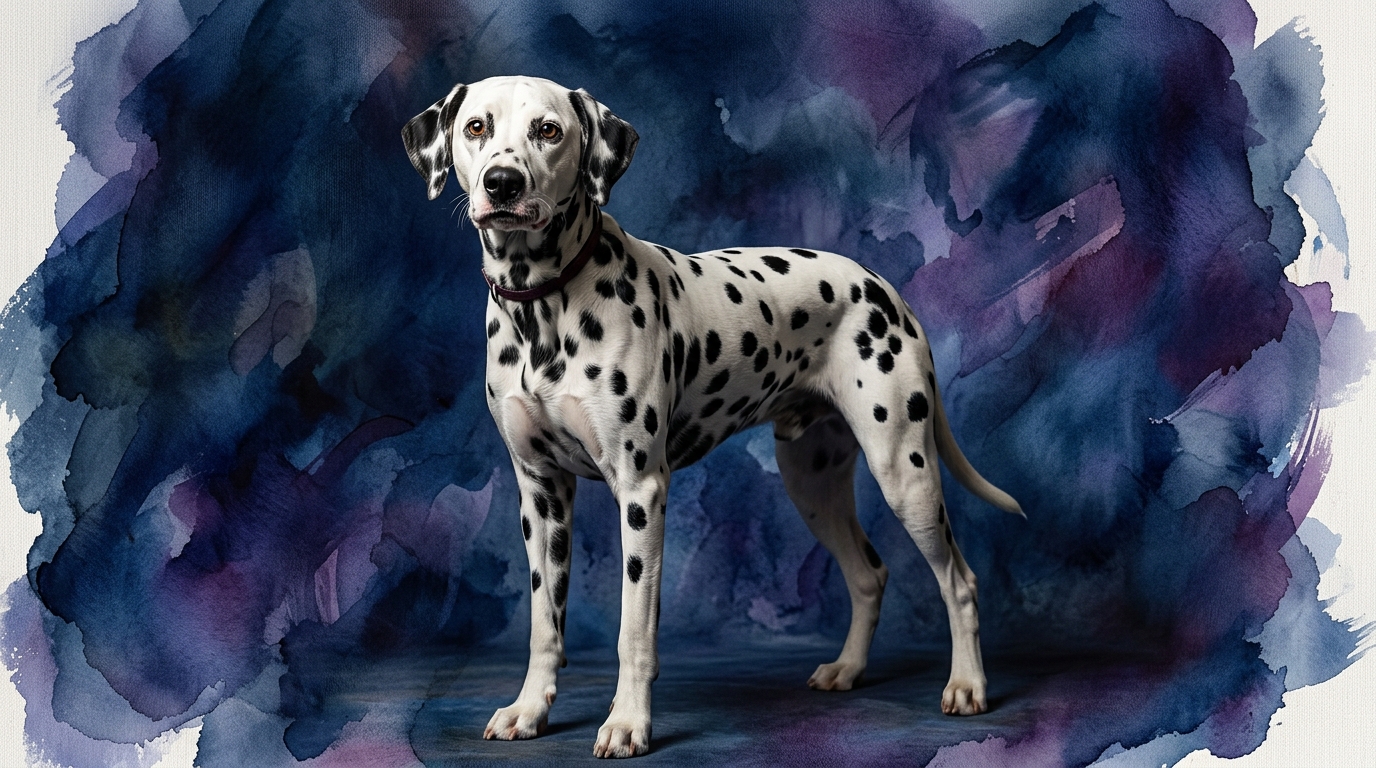
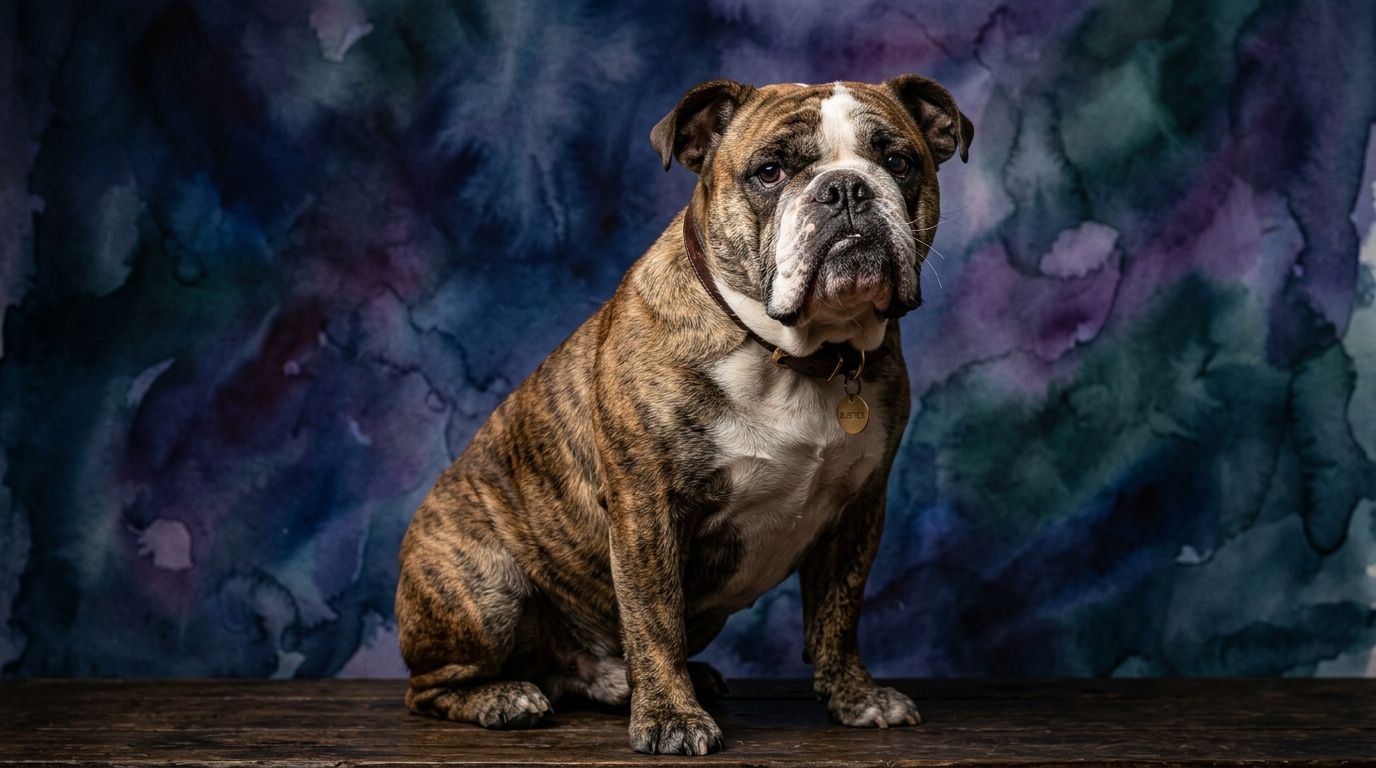
The Coren ranking offers a general indicator of a breed's working and obedience intelligence. Dalmatians, at #39, sit comfortably within the above-average category, suggesting a strong capacity for understanding and executing commands. The English Bulldog, ranked #77, falls into the fair working/obedience intelligence group, indicating a more deliberate approach to learning and responsiveness.
Problem Solving assesses a dog's ability to navigate novel situations and figure out puzzles. The Dalmatian scores a solid 3/5, demonstrating moderate aptitude for independent thought and strategic action, capable of devising solutions to minor challenges. The English Bulldog, with a 2/5, approaches problem-solving with a more straightforward, often trial-and-error method, preferring simple solutions or relying on human guidance.
Training Speed gauges how quickly a dog grasps new commands and behaviors. Dalmatians earn a 3/5, indicating they can pick up new cues with a reasonable number of repetitions, often showing enthusiasm for learning. English Bulldogs, at 2/5, require more patience and consistency; new concepts may take longer to embed, demanding repetitive and encouraging training.
Both breeds share an impressive 4/5 in Social Intelligence, reflecting a strong capacity to understand and respond to human cues and emotional states. Dalmatians often use this to form deep bonds and engage interactively, while English Bulldogs leverage it for calm companionship and perceptive observation of their family's mood.
Instinctive Drive refers to a dog's inherent motivation to perform breed-specific tasks or engage in goal-oriented activities. Dalmatians score a high 4/5, a testament to their historical role as coaching dogs, driving them to work, run, and engage with purpose. The English Bulldog's 3/5 indicates moderate drive, geared more towards short bursts of play or comfortable companionship rather than sustained, high-energy pursuits.
Memory assesses a dog's ability to retain learned information, commands, and past experiences. Dalmatians, with a 4/5, possess a robust memory, enabling them to recall complex routines and past training over extended periods. English Bulldogs, scoring 2/5, tend to have a shorter memory for specific commands, meaning consistent reinforcement is even more crucial for maintaining learned behaviors.
Where the Dalmatian Wins Cognitively
The Dalmatian's cognitive profile distinctly outperforms the English Bulldog in several key areas, making them adept learners and active participants in their environment. Their 3/5 in Problem Solving means they are more likely to independently navigate minor obstacles or figure out how to access desired objects, showcasing a strategic mind. This is coupled with a 3/5 in Training Speed and a 4/5 in Memory, allowing them to absorb and retain a broader repertoire of commands and routines more efficiently. Owners often find Dalmatians eager to learn new tricks and excel in dog sports like agility or obedience, where quick thinking and recall are paramount. Furthermore, their 4/5 Instinctive Drive fuels a persistent desire to engage, whether through a challenging scent game or a long jog, ensuring they are mentally stimulated by tasks requiring purpose and follow-through. This combination makes them highly suitable for complex training and environments demanding adaptable thinking.
Where the English Bulldog's Cognitive Profile Excels
While the English Bulldog's numerical scores might suggest a less 'active' mind, their cognitive profile excels in areas that prioritize calm companionship and environmental stability. Their shared 4/5 in Social Intelligence means they are just as adept as Dalmatians at reading human emotions and intentions, but their manifestation of this often leans towards serene, observant companionship rather than interactive exuberance. The Bulldog's lower Instinctive Drive (3/5) and Problem Solving (2/5) mean they are typically content with a less demanding mental landscape. This translates into a dog less prone to seeking out trouble through creative problem-solving or requiring constant, intense mental engagement. For owners who value a steady, predictable presence and a dog less likely to become bored and destructive without complex mental challenges, the Bulldog's cognitive makeup is a distinct advantage. They are masters of relaxed presence, requiring less mental stimulation to feel fulfilled.
Which is Easier to Train and Why
Based on their cognitive profiles, the Dalmatian generally presents as the easier breed to train, primarily due to their higher scores in Training Speed (3/5) and Memory (4/5). Dalmatians tend to grasp new commands quicker and retain them longer, allowing for more rapid progression through training levels. Their strong Instinctive Drive (4/5) also means they are often more motivated by tasks and challenges, responding well to positive reinforcement and the opportunity to 'work' alongside their handler. Conversely, the English Bulldog's 2/5 in Training Speed and 2/5 in Memory indicate a need for significantly more patience and repetition. Bulldogs can learn, but their slower absorption rate and tendency to forget specific cues more readily require a highly consistent, positive, and sometimes more creative approach to training. Their lower instinctive drive means they might not be as inherently motivated by complex tasks, often showing a charming stubborn streak that demands a calm, unwavering approach from their trainer.
Which Suits Active Owners vs. Relaxed Owners
The cognitive differences between these two breeds clearly delineate which type of owner they would thrive with. Dalmatians, with their 4/5 Instinctive Drive, 3/5 Problem Solving, and robust Memory (4/5), are ideally suited for active owners. They require consistent mental and physical stimulation to prevent boredom and channel their natural energy and intelligence constructively. Owners who enjoy long runs, hiking, dog sports, or engaging in complex trick training will find a highly motivated and capable partner in a Dalmatian; their minds need to be worked as much as their bodies. In contrast, English Bulldogs, with their lower Instinctive Drive (3/5) and Problem Solving (2/5), are a better match for relaxed owners. While they enjoy short walks and playtime, their mental and physical needs are considerably less demanding. They are content with a comfortable routine, preferring quiet companionship and observing household activities over constant engagement. An owner seeking a loyal, affectionate companion who doesn't require extensive mental challenges or strenuous physical activity to be fulfilled will find the English Bulldog an ideal fit.
The Verdict
Choose the Dalmatian if you are an active individual or family seeking a mentally agile, highly trainable companion eager to participate in demanding activities, from advanced obedience to endurance sports.
Opt for the English Bulldog if you desire a calm, affectionate, and perceptive companion content with a more relaxed lifestyle and less intensive mental stimulation.
🧠 Find Your Pet's IQ Score
Our Pet IQ Lab assessment covers 25+ tests across 5 cognitive dimensions — personalized to your breed.
Take the Full IQ Test →Frequently Asked Questions
Are Dalmatians genuinely stubborn, or is it a misunderstanding of their intelligence?
Dalmatians can appear stubborn, but their 4/5 Instinctive Drive and 3/5 Problem Solving often mean they are independent thinkers. They might resist commands if they don't see a clear purpose or if their mental needs aren't met, rather than simply being disobedient.
Do English Bulldogs truly lack intelligence, or is their cognitive style just different?
English Bulldogs do not lack intelligence; their cognitive style prioritizes social connection and contentment over complex problem-solving or high drive. Their 4/5 Social Intelligence highlights their perceptive nature, even if their 2/5 in Training Speed means they learn at a slower pace.
How important is early socialization for both breeds, given their social intelligence scores?
Early socialization is crucial for both breeds, despite their high 4/5 Social Intelligence. While they possess a natural aptitude for understanding social cues, proper exposure ensures they develop confidence and positive interactions with various people, animals, and environments.