Side-by-Side Cognitive Profiles
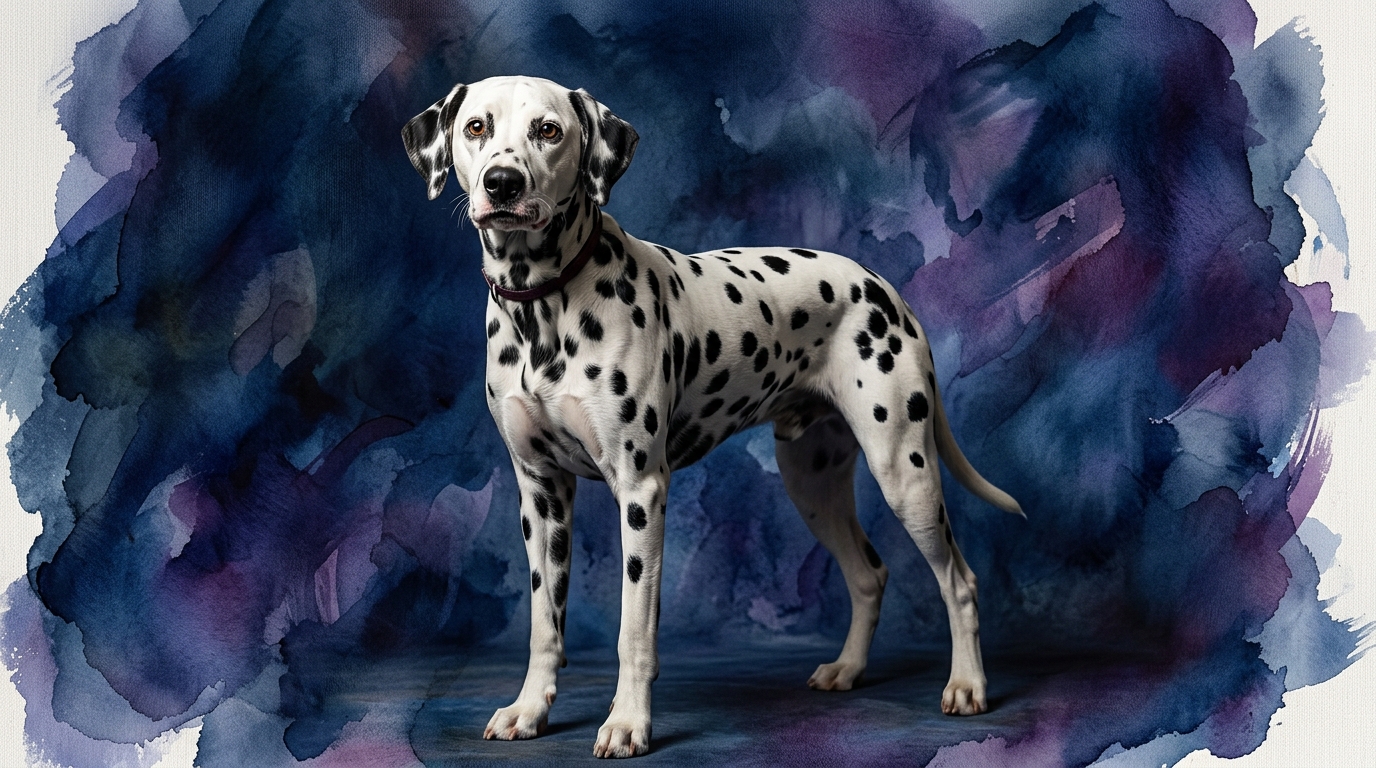
At The Cosmic Pet Pet IQ Lab, we delve into five key dimensions of canine intelligence to understand each breed's unique mental makeup. For the Dalmatian, a Non-Sporting dog with a Coren rank of #39, their profile reveals a balanced yet distinct set of strengths. Their problem-solving ability scores 3/5, indicating a moderate aptitude for figuring out novel situations, often relying on learned behaviors or seeking human guidance. Training speed is also 3/5, meaning they acquire new commands at a steady pace, generally requiring consistent, positive reinforcement. Where Dalmatians truly stand out are their higher scores: social intelligence at 4/5, reflecting an exceptional ability to read human cues and adapt to social environments; instinctive drive at 4/5, showcasing a strong inherent motivation for endurance and purpose; and memory at 4/5, indicating a robust capacity to recall learned commands and routines.
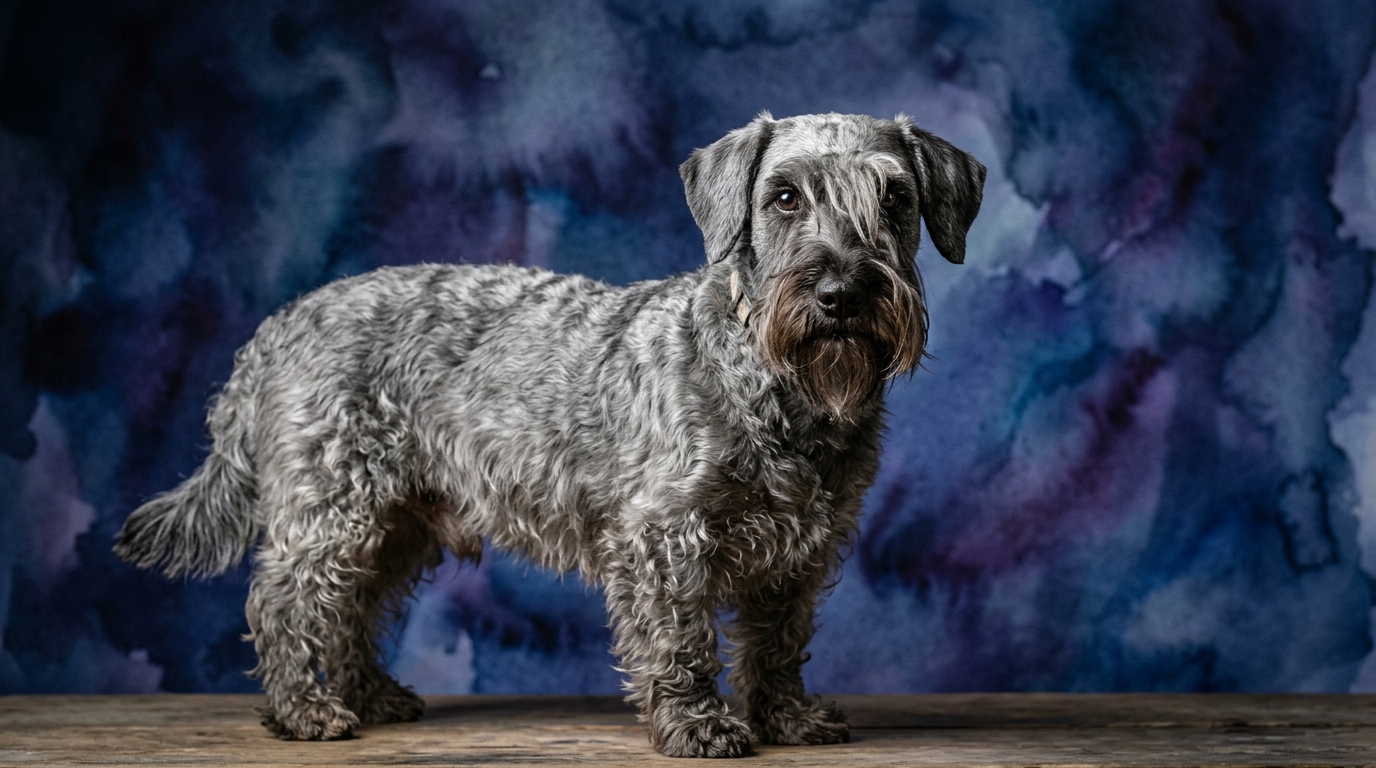
The Cesky Terrier, a sturdy Terrier breed not Coren-ranked, presents a profile with consistent scores across the board, reflecting a different cognitive approach. Their problem-solving ability is 3/5, similar to the Dalmatian, suggesting a moderate capacity for tackling challenges, often with a persistent and independent approach. Training speed also registers at 3/5, meaning they learn new tasks at a comparable pace, but their independent streak can sometimes require extra patience. Their social intelligence is 3/5, indicating they form strong bonds but might be less outwardly expressive or universally attuned to social nuances than some breeds. Instinctive drive also stands at 3/5, present but typically focused on specific terrier tasks like digging or exploring rather than broad, sustained engagement. Lastly, their memory scores 3/5, competent for routines and commands, though perhaps not with the same depth or long-term retention for complex sequences as breeds with higher scores.
Where the Dalmatian Wins Cognitively
The Dalmatian's cognitive strengths truly shine in areas demanding strong social engagement and consistent recall. Their remarkable 4/5 social intelligence means they are exceptionally attuned to human emotions and intentions, making them intuitive companions capable of anticipating needs or reacting appropriately in varied social settings. This depth of understanding allows them to integrate seamlessly into family dynamics. Coupled with a 4/5 memory, Dalmatians excel at retaining complex commands, remembering routes, or consistently adhering to household rules. This robust memory underpins their reliability and predictability, making them dependable partners in structured activities. Furthermore, their 4/5 instinctive drive, historically linked to running alongside carriages, translates into a powerful, sustained motivation for tasks involving endurance and purpose. This isn't just physical energy; it’s a mental drive to engage and participate, whether in agility or long hikes. Their Coren rank of #39 further supports their capacity for obedience and adaptive learning. This combination of social acumen, reliable memory, and sustained drive positions the Dalmatian as a highly responsive and engaging companion.
Where the Cesky Terrier Wins Cognitively
While the Cesky Terrier's numerical scores are generally on par with or slightly below the Dalmatian's, their cognitive strengths lie in their specific terrier tenacity and independent focus. Their 3/5 problem-solving ability, combined with a 3/5 training speed, is filtered through a distinct terrier lens: a persistent, often single-minded approach to challenges. This means that while they may not always devise the quickest solution, they are incredibly persistent, valuable for tasks requiring sustained focus like scent work. This independent thinking, rooted in their origins as hunting dogs, allows them to operate effectively without constant human oversight, a 'win' for owners appreciating self-sufficient dogs. Their 3/5 instinctive drive, though lower, is intensely channeled towards specific, often solitary, pursuits such as digging or investigating. This focused drive means they can become deeply engrossed in a task, demonstrating formidable concentration that, when properly directed, can be incredibly productive. For owners valuing a dog with a strong, self-directed purpose and resilient approach, the Cesky Terrier's unique cognitive grit offers a rewarding partnership.
Which is Easier to Train and Why
Considering their distinct cognitive profiles, the Dalmatian generally presents as the easier breed to train for a broad range of obedience and companion tasks. Their 4/5 social intelligence means they are more inclined to seek and understand human direction, often eager to please and quick to pick up on subtle cues. This inherent desire for cooperation, coupled with a robust 4/5 memory, translates into commands being absorbed and retained with greater consistency. A Dalmatian is more likely to remember learned behaviors over time and less prone to 'selective hearing' once a command is established, making reliable recall or complex agility sequences progress smoothly. In contrast, the Cesky Terrier, with its 3/5 social intelligence and independent streak, requires a more patient and nuanced training approach. While they achieve a 3/5 training speed, their terrier nature means they might question the 'why' or prioritize an interesting scent over a command. They are not necessarily 'harder' to train, but their independent problem-solving and focused instinctive drive towards self-directed activities mean trainers must be creative, consistent, and highly motivating. Positive reinforcement is crucial for both, but with a Cesky, it needs to be particularly compelling to outweigh their intrinsic drive to explore. For general obedience and seamless integration into varied social settings, the Dalmatian's cognitive makeup offers a more direct path to training success.
Suitability for Active vs. Relaxed Owners
The cognitive profiles offer clear indicators for owner suitability. The Dalmatian, with its 4/5 instinctive drive and 4/5 memory, thrives with active owners who can provide consistent mental and physical engagement. Their historical role as coach dogs means they possess significant stamina and a desire for purpose-driven activity. They require regular, vigorous exercise – not just a short walk – and benefit immensely from activities that challenge their memory and social intelligence, such as advanced obedience or agility. An owner dedicated to structured training and outdoor adventures will find the Dalmatian a highly responsive companion. A more relaxed owner might find a Dalmatian becoming restless due to unmet cognitive and physical demands. The Cesky Terrier, while still a terrier needing activity, aligns better with owners who appreciate a more focused, less overtly demanding engagement. Their 3/5 instinctive drive suggests they need regular exercise and mental stimulation, but perhaps not with the same sustained intensity as the Dalmatian. They excel in activities like earthdog trials, scent work, or consistent walks where they can engage their independent problem-solving skills. While they enjoy family time, their social intelligence at 3/5 means they might be content with less constant social interaction. A relaxed owner who enjoys focused, shorter bursts of activity and is prepared to manage an independent, persistent streak might find the Cesky Terrier a rewarding fit, provided their specific terrier instincts are adequately channeled.
The Verdict
Choose a Dalmatian if you seek a highly socially intelligent, deeply bonded companion who thrives on consistent interaction, structured training, and vigorous, purposeful activity.
Choose a Cesky Terrier if you appreciate an independent, persistent spirit, a dog with a focused drive for specific tasks, and are prepared for a nuanced training approach to channel their unique terrier grit.
🧠 Find Your Pet's IQ Score
Our Pet IQ Lab assessment covers 25+ tests across 5 cognitive dimensions — personalized to your breed.
Take the Full IQ Test →Frequently Asked Questions
Are Dalmatians difficult to train?
While Dalmatians are moderately easy to train with a 3/5 training speed, their 4/5 social intelligence and memory make them responsive to consistent, positive methods. They thrive on engagement and can be quite eager to please, especially when their high instinctive drive is channeled productively.
What kind of mental stimulation does a Cesky Terrier need?
Cesky Terriers benefit from mental stimulation that taps into their independent problem-solving and focused instinctive drive. Activities like scent work, puzzle toys, earthdog trials, or exploring varied environments on leash can fulfill their need to investigate and work independently.
How do their core intelligence types differ?
The Dalmatian's core intelligence leans towards social responsiveness, memory, and sustained purposeful drive, making them excellent partners in cooperative tasks. The Cesky Terrier, conversely, excels in tenacious, independent problem-solving and focused instinctive drive for specific, often solitary, tasks.