
Side-by-side IQ Profile
The Cosmic Pet Pet IQ Lab evaluates canine intelligence across five key dimensions, offering a nuanced understanding beyond simple obedience. For the spirited Dalmatian, a Non-Sporting breed with a Coren ranking of #39, their cognitive landscape reflects a history of active partnership. Their Problem Solving score of 3/5 indicates a moderate aptitude for navigating challenges, capable of figuring out puzzles or novel situations with some persistence, though not always immediately. Training Speed, also at 3/5, suggests they absorb new commands and routines at a steady pace, benefiting significantly from consistent, engaging methods. Social Intelligence, rated 4/5, highlights their strong connection to human companions, showing a keen awareness of emotional cues and family dynamics. An Instinctive Drive of 4/5 speaks to their inherent desire for purpose and activity, a remnant of their coach dog heritage, driving them to engage with their environment. Finally, a Memory score of 4/5 means Dalmatians generally retain learned information and experiences effectively, building upon past lessons.
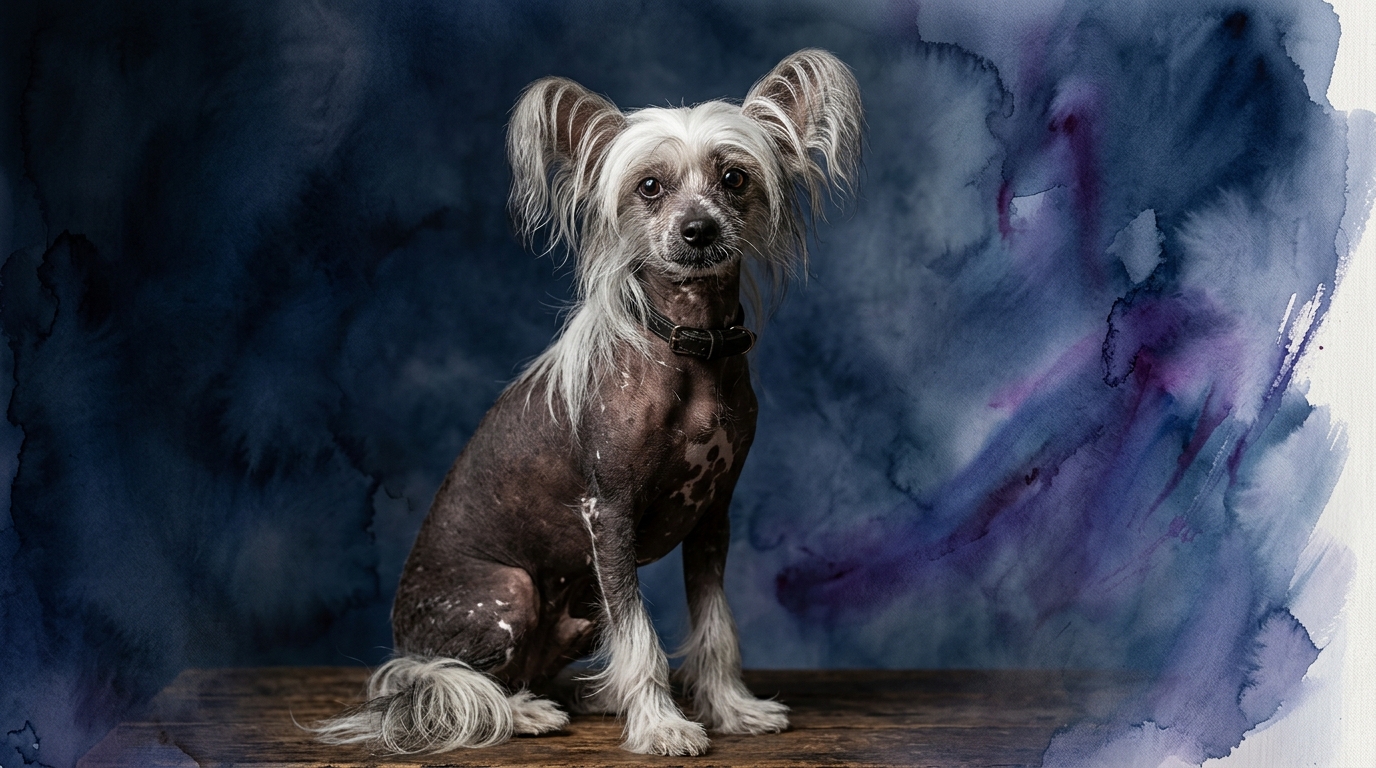
In contrast, the Chinese Crested, a Toy breed not listed in Coren's ranking, presents a cognitive profile tailored more for intimate companionship. Their Problem Solving ability matches the Dalmatian at 3/5, indicating a similar moderate capacity for tackling mental tasks, often focusing on manipulating their environment for comfort or attention. Training Speed is also 3/5, meaning they learn at a comparable rate, albeit often requiring more gentle and positive reinforcement due to their sensitive nature. Where they diverge more significantly is in Social Intelligence, scoring 3/5; while deeply bonded with their trusted humans, they can be reserved or cautious with strangers, requiring time to build rapport. Their Instinctive Drive, at 3/5, is geared less towards vigorous work and more towards close human interaction and comfort-seeking behaviors. A Memory score of 3/5 suggests they retain information adequately but may benefit from more frequent refreshers compared to breeds with higher scores, particularly for less engaging tasks.
Where Dalmatian Wins Cognitively
The Dalmatian's cognitive strengths distinctly emerge in areas demanding sustained engagement and social awareness within a dynamic environment. Their 4/5 Social Intelligence rating means they are exceptionally attuned to human cues, often anticipating needs or reacting sensitively to shifts in their handler's mood, making them perceptive family members. This social acumen, combined with a robust 4/5 Instinctive Drive, fuels their historical role as coach dogs, where they needed to navigate complex scenarios alongside horses and carriages, requiring focus and independent decision-making. This drive translates into a persistent curiosity and a desire to participate in activities, giving them an advantage in tasks requiring stamina and a willingness to work alongside people for extended periods. Furthermore, their 4/5 Memory score aids in retaining complex sequences of commands or routes, allowing them to build a comprehensive mental map of their world and learn from varied experiences more readily than a breed with a lower memory score. This combination of drive, social perceptiveness, and strong recall equips Dalmatians to excel in structured activities and bond deeply through shared adventures.
Where Chinese Crested Wins Cognitively
While their scores might appear modest compared to the Dalmatian's working dog profile, the Chinese Crested exhibits a nuanced cognitive advantage tailored for close companionship and emotional attunement within their chosen social circle. Their 3/5 Problem Solving ability, though equal to the Dalmatian, is often applied to more subtle, personal goals, such as devising clever ways to solicit affection, find the warmest spot, or communicate their desires for comfort. This is not about navigating a carriage route, but about optimizing their immediate, human-centric world. Their Social Intelligence, while 3/5 overall, shines intensely within their trusted family unit; they are acutely sensitive to the emotional states of their primary caregivers, often mirroring their moods or seeking to console. This deep, focused emotional intelligence, though perhaps not broadly applied to many strangers, creates an incredibly strong, empathetic bond. Their moderate Instinctive Drive of 3/5 means they are less compelled by external tasks and more by the internal rewards of connection, making them less prone to independent excursions and more inclined to remain physically and emotionally close to their people, a distinct advantage for those seeking a devoted, "velcro" companion.
Which is Easier to Train and Why
When considering ease of training, both the Dalmatian and Chinese Crested share a 3/5 Training Speed score, suggesting neither breed is inherently a lightning-fast learner, but both are capable with consistent effort. However, the approach to training and the types of behaviors they excel at differ significantly due to their other cognitive dimensions. Dalmatians, with their 4/5 Instinctive Drive and 4/5 Memory, often possess a stronger intrinsic motivation to engage in tasks and retain lessons. This drive, stemming from their working heritage, means they respond well to training that provides a "job" or a clear purpose, especially when coupled with physical activity. However, this same drive, combined with their independence, can manifest as stubbornness if they perceive the task as unrewarding or if their energy needs are not met. They learn rapidly when motivated but might decide not to comply if they're bored or have a better idea.
Chinese Cresteds, conversely, with a 3/5 Instinctive Drive and 3/5 Memory, are often more sensitive and less driven by a need for strenuous activity. Their training benefits immensely from positive reinforcement, patience, and making the process feel like a fun, bonding experience. They are less likely to outright defy a command due to stubbornness and more likely to shut down or become anxious if training is harsh or inconsistent. While they may not retain complex sequences as quickly as a Dalmatian, their desire for closeness and their sensitive nature can make them eager to please their beloved humans, provided the training environment is calm and encouraging. Therefore, neither is "easier" across the board; Dalmatians respond well to structured, active training with clear goals, while Chinese Cresteds thrive with gentle, reward-based methods focused on companionship and trust.
Which Suits Active Owners vs Relaxed Owners
The choice between a Dalmatian and a Chinese Crested largely hinges on an owner's lifestyle and energy levels, directly reflecting their cognitive profiles, particularly their Instinctive Drive. The Dalmatian, with its robust 4/5 Instinctive Drive, is unequivocally suited for active owners. This drive is a powerful engine, demanding regular, vigorous exercise and mental stimulation. Owners who enjoy long runs, hiking, dog sports like agility, or can provide a consistent outlet for their energy will find the Dalmatian a willing and enthusiastic partner. Their high memory and social intelligence mean they thrive when challenged with new activities and benefit from being integrated into an owner's dynamic routines. A sedentary lifestyle will quickly lead to boredom and potential behavioral issues for a Dalmatian, as their cognitive and physical needs go unmet.
The Chinese Crested, with a moderate 3/5 Instinctive Drive, is generally a better fit for more relaxed owners. While they certainly enjoy walks and playtime, their exercise needs are significantly less intense than a Dalmatian's. Their drive is often satisfied through indoor games, short strolls, and ample cuddle time. Their cognitive strengths are geared towards close human interaction and comfort within the home environment. Owners who prefer quiet evenings, enjoy indoor activities, and desire a constant, affectionate companion will find the Chinese Crested's temperament and cognitive leanings align perfectly. They are content to observe and participate in family life from a cozy lap or nearby perch, making them ideal for those with a less demanding daily schedule.
The Verdict
Choose a Dalmatian if you are an active individual or family seeking a perceptive, driven companion for adventures and structured activities, ready to invest in consistent mental and physical stimulation.
Opt for a Chinese Crested if you desire a devoted, sensitive companion who thrives on close human connection and is content with a more relaxed lifestyle, offering subtle problem-solving for comfort and attention.
🧠 Find Your Pet's IQ Score
Our Pet IQ Lab assessment covers 25+ tests across 5 cognitive dimensions — personalized to your breed.
Take the Full IQ Test →Frequently Asked Questions
Are Dalmatians genuinely stubborn or just independent?
Dalmatians often exhibit independence rather than outright stubbornness; their 4/5 Instinctive Drive means they have strong opinions and a desire for purpose, which can be misconstrued as defiance if their needs aren't met or training isn't engaging. They respond best to motivation and clear boundaries rather than forceful commands.
Do Chinese Cresteds prefer mental games or physical activity?
Chinese Cresteds generally prefer mental engagement and bonding activities over strenuous physical exertion. While they enjoy short walks, their 3/5 Instinctive Drive means their cognitive strengths are better utilized in interactive puzzle toys, gentle training sessions, and close companionship, often seeking comfort and attention through their problem-solving.
How does Coren ranking relate to the IQ Lab scores?
Coren ranking primarily assesses a breed's working intelligence and obedience, reflecting how quickly they learn commands and their compliance. The IQ Lab scores offer a broader, more nuanced view, evaluating specific cognitive dimensions like problem-solving, social intelligence, and instinctive drive, which can provide a fuller picture beyond just obedience.