Side-by-Side Cognitive Profiles: Dalmatian vs. Kuvasz
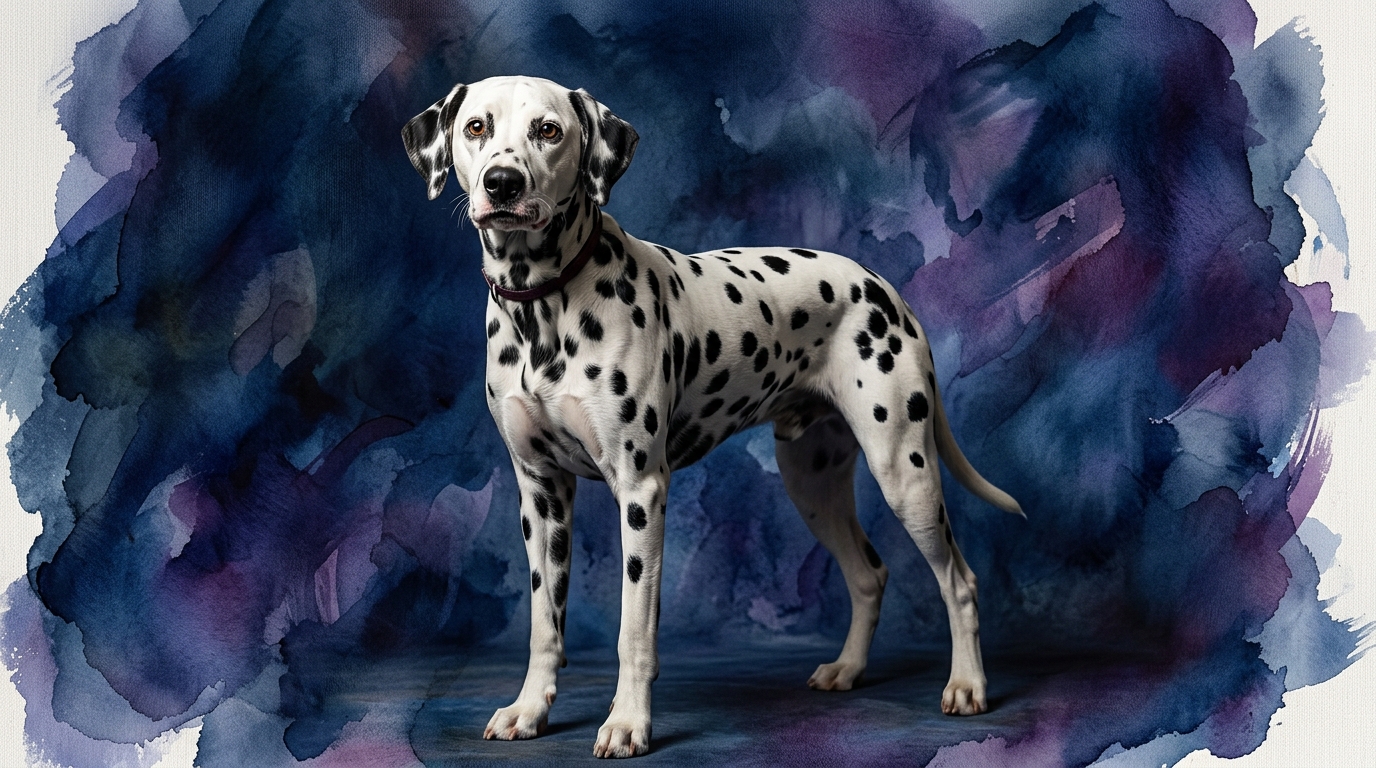
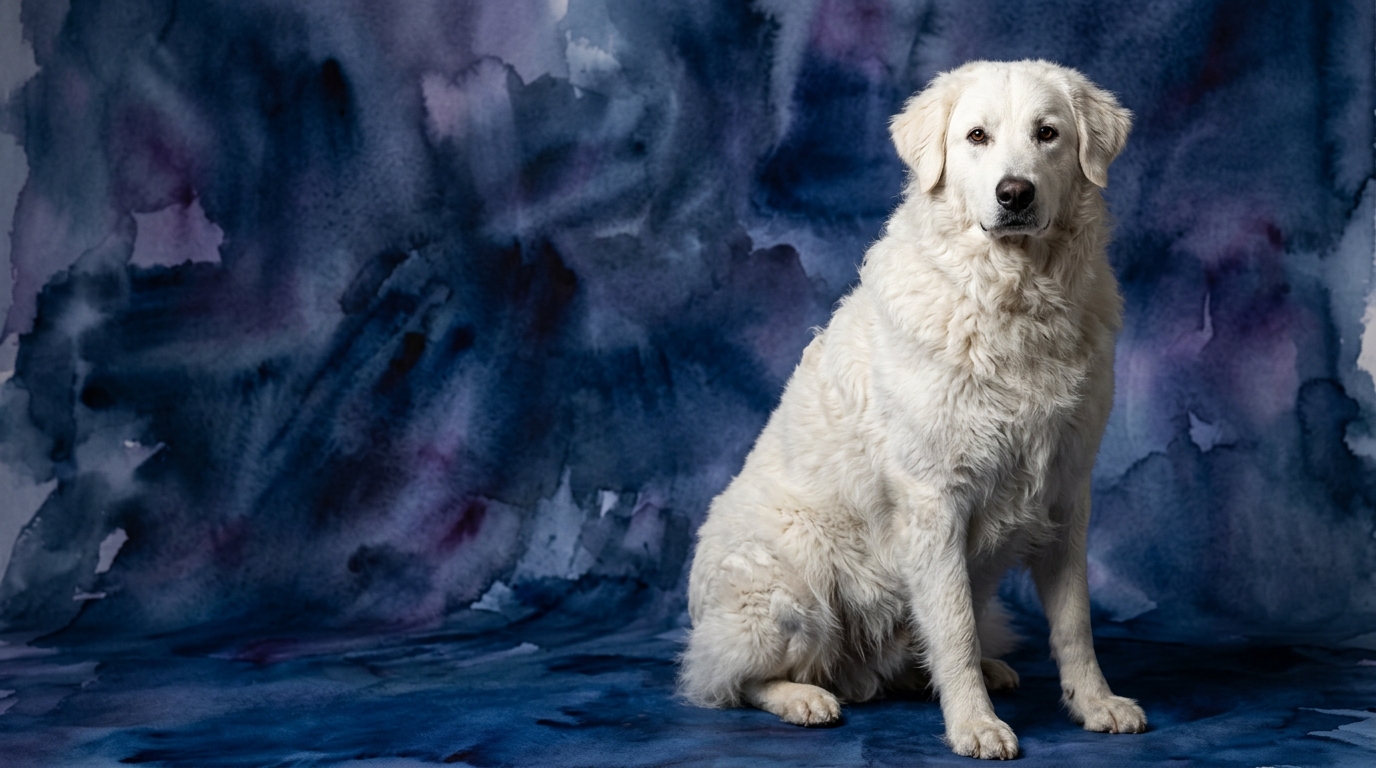
Unpacking the cognitive strengths of the Dalmatian and Kuvasz reveals nuances often overlooked when simply comparing breed rankings. While both breeds hover around the middle tier of canine working intelligence, their specific applications of mental faculties diverge significantly due to their ancestral purposes. The Dalmatian, historically a carriage dog and companion, exhibits a different blend of cognitive abilities than the Kuvasz, a long-standing livestock guardian.
For the Dalmatian (Coren rank #39), our Pet IQ Lab assessment highlights several key areas. Their problem-solving ability scores 3/5, indicating a capacity for navigating moderately complex situations and figuring out solutions to daily challenges. Training speed is also rated 3/5, suggesting they grasp new commands and routines with average efficiency, neither exceptionally quick nor particularly slow. Where Dalmatians truly distinguish themselves is in social intelligence, scoring an impressive 4/5, reflecting their strong capacity for reading human cues and forming close bonds. Their instinctive drive also ranks 4/5, often channeled into endurance and companionship, while memory is a robust 4/5, allowing them to retain learned behaviors and experiences over time.
The Kuvasz (Coren rank #42) presents a distinct cognitive blueprint. Their problem-solving ability, like the Dalmatian, is rated 3/5, but this is often applied to independent decision-making in their guardian role rather than human-directed tasks. Training speed also sits at 3/5, suggesting a similar pace of learning, though their motivation might differ. In social intelligence, the Kuvasz scores 3/5; they are discerning and loyal but typically less overtly demonstrative or people-pleasing than Dalmatians. Their instinctive drive is 3/5, primarily focused on protective behaviors and vigilance rather than active engagement with a human partner. Like the Dalmatian, the Kuvasz also possesses a strong 4/5 memory, crucial for remembering boundaries, perceived threats, and the routines of their charges.
Where the Dalmatian Excels Cognitively
The Dalmatian's higher social intelligence (4/5) stands out as a significant cognitive advantage, particularly in a domestic setting. This superior capacity for understanding human communication, body language, and emotional states allows them to integrate smoothly into family life and anticipate their owners' needs. Their historical role alongside carriages necessitated a keen awareness of their human handlers, horses, and the surrounding environment, fostering a perceptive social cognition that makes them highly attuned companions.
Coupled with their 4/5 instinctive drive, the Dalmatian's cognitive strengths lean towards cooperative engagement and purpose-driven activity within a human partnership. This drive, historically manifested in their ability to run alongside carriages for extended periods, translates into a mental and physical endurance that can be readily channeled into various activities like dog sports, long hikes, or even therapy work, where their social perceptiveness is invaluable. Their strong memory (4/5) further enhances these attributes, allowing them to recall complex routines, social interactions, and specific commands with reliability, making them consistent partners once a behavior is established.
Where the Kuvasz Demonstrates Unique Cognitive Strengths
While the Kuvasz's scores might appear numerically lower in some areas compared to the Dalmatian, their cognitive profile is optimized for a very different, and equally demanding, purpose. Their 3/5 problem-solving ability, though not geared towards solving human-invented puzzles, is exceptionally effective in their traditional role as livestock guardians. This manifests as independent judgment in assessing threats, determining appropriate responses without human instruction, and strategically positioning themselves to protect their flock. It’s a self-reliant form of intelligence honed for autonomous decision-making in challenging environments.
The Kuvasz’s 3/5 instinctive drive is profoundly rooted in vigilance and protection, a cognitive strength that demands constant environmental assessment and a deep sense of responsibility. This drive isn't about fetching or performing tricks; it's about surveying, sensing, and reacting to potential dangers to their charges. Their 3/5 social intelligence, while not as overtly people-centric as the Dalmatian's, reflects a discerning loyalty. They form deep, protective bonds with their family or flock but are often reserved with strangers, a cognitive trait crucial for a guardian who must remain vigilant and not easily distracted. Their excellent 4/5 memory supports this by enabling them to remember specific threats, safe zones, and the individuals they are tasked to protect over long periods.
Trainability: Dalmatian vs. Kuvasz
When considering which breed might be easier to train, the nuances of their cognitive profiles become particularly relevant. Both breeds score 3/5 in training speed, suggesting they learn at a moderate pace. However, the Dalmatian's 4/5 social intelligence and 4/5 instinctive drive often translate into a greater willingness to engage cooperatively with their human trainers. They generally respond well to positive reinforcement that leverages their desire for connection and purpose. Their historical role required them to work in tandem with humans and horses, fostering an inherent adaptability and responsiveness to cues. This means Dalmatians, while requiring consistent and engaging training, are often motivated by the opportunity to participate and please their people.
The Kuvasz, on the other hand, approaches training with a more independent and self-assured mindset. While they also score 3/5 in training speed, their lower 3/5 social intelligence means they may not prioritize human approval or instruction in the same way a Dalmatian might. Their strong guardian instincts mean they are often evaluating situations and making decisions based on their own assessment rather than blindly following commands. Training a Kuvasz requires patience, consistency, and a deep understanding of their independent nature. They thrive with a trainer who respects their innate intelligence and self-sufficiency, building trust through fair and consistent methods, rather than demanding unquestioning obedience. Commands need to make sense to a Kuvasz, and they often excel in roles where their independent thought is valued, such as advanced protection work, rather than repetitive obedience exercises.
Lifestyle Match: Active vs. Relaxed Owners
The Dalmatian's cognitive and physical energy levels make them a suitable match for active owners. Their 4/5 instinctive drive and historical role as endurance runners mean they thrive on regular, vigorous exercise and mental stimulation. They are often eager to participate in activities like jogging, hiking, agility, or long play sessions. Owners who enjoy an active lifestyle and want a canine companion to join them in their pursuits will find the Dalmatian's cognitive profile, particularly their social intelligence and cooperative drive, aligns well with a partnership-oriented approach to activity. A Dalmatian left without sufficient mental and physical outlets may channel their significant energy into less desirable behaviors, reflecting a need for cognitive engagement.
The Kuvasz, while requiring ample space and mental engagement, suits owners who appreciate a more self-reliant and watchful companion rather than a constant activity partner in the traditional sense. Their 3/5 instinctive drive is focused on patrolling and guarding, which demands a large, secure yard or property to oversee. While they appreciate regular walks and mental stimulation, they are not typically the breed to eagerly retrieve a ball for hours or participate in high-octane dog sports. Their cognitive strength lies in their independent thought and protective instincts, meaning they are content to observe and guard, but still need purposeful interaction and training to channel their cognitive abilities. A Kuvasz owner should be prepared for a dog that thinks for itself and requires a confident, consistent leader who understands and respects their guardian heritage, rather than expecting a perpetually 'on-the-go' companion.
The Verdict
Choose a Dalmatian if you seek a highly social, cooperative, and physically enduring companion eager to participate in an active family life and engage in varied activities.
Opt for a Kuvasz if you desire a self-reliant, watchful, and protective companion who thrives with space and an owner who respects their independent decision-making and guardian instincts.
🧠 Find Your Pet's IQ Score
Our Pet IQ Lab assessment covers 25+ tests across 5 cognitive dimensions — personalized to your breed.
Take the Full IQ Test →Frequently Asked Questions
Do Dalmatians or Kuvasz require more mental stimulation?
Both breeds require significant mental engagement, but in different ways. Dalmatians thrive on interactive training, problem-solving games, and activities that involve their human family, leveraging their social intelligence. Kuvasz need mental stimulation that allows them to exercise their independent judgment and protective instincts, such as patrolling their territory or engaging in thoughtful, trust-based training.
How does their memory score impact daily living?
Both breeds score 4/5 in memory, which means they are highly capable of remembering routines, commands, and past experiences. For Dalmatians, this aids in consistent training and recalling social interactions. For Kuvasz, it's crucial for remembering boundaries, who belongs, and perceived threats, reinforcing their guardian role.
Are Dalmatians or Kuvasz better with children?
Dalmatians, with their higher social intelligence and cooperative nature, generally adapt well to family life and can be good with children when properly socialized and trained. Kuvasz can be deeply devoted and protective of 'their' children, but their independent nature and strong guardian instincts mean they require careful supervision and extensive early socialization, often being more reserved with unfamiliar children.