The Cosmic Pet Pet IQ Lab: Side-by-Side Cognitive Profiles
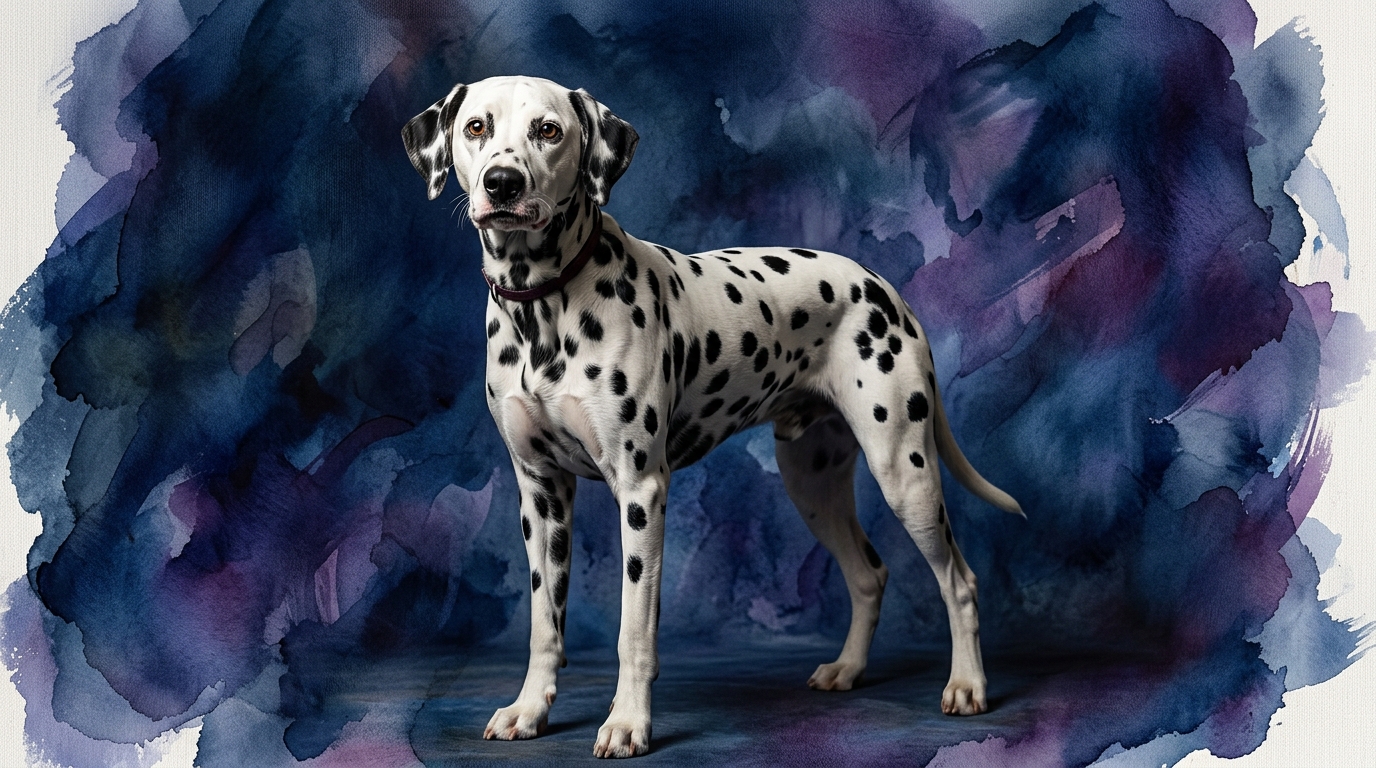
The Cosmic Pet Pet IQ Lab employs a five-dimensional framework to assess canine intelligence, offering a detailed look beyond simple obedience. For the Dalmatian, ranked #39 by Coren, its profile reflects a balanced yet independent mind. Their Problem Solving score of 3/5 suggests they can navigate familiar challenges and learn through repetition, but might not spontaneously devise complex solutions. Training Speed at 3/5 indicates they learn at a moderate pace, requiring consistent and engaging methods to master new commands. Where Dalmatians truly shine is in Social Intelligence, scoring 4/5, demonstrating an impressive ability to read human cues and adapt to social situations, reflecting their historical role as carriage dogs attentive to their handlers. Their Instinctive Drive, also 4/5, speaks to a purposeful energy and a desire to engage in activities with a clear objective. Finally, their Memory at 4/5 suggests they retain learned behaviors and recognize people and places with solid recall.
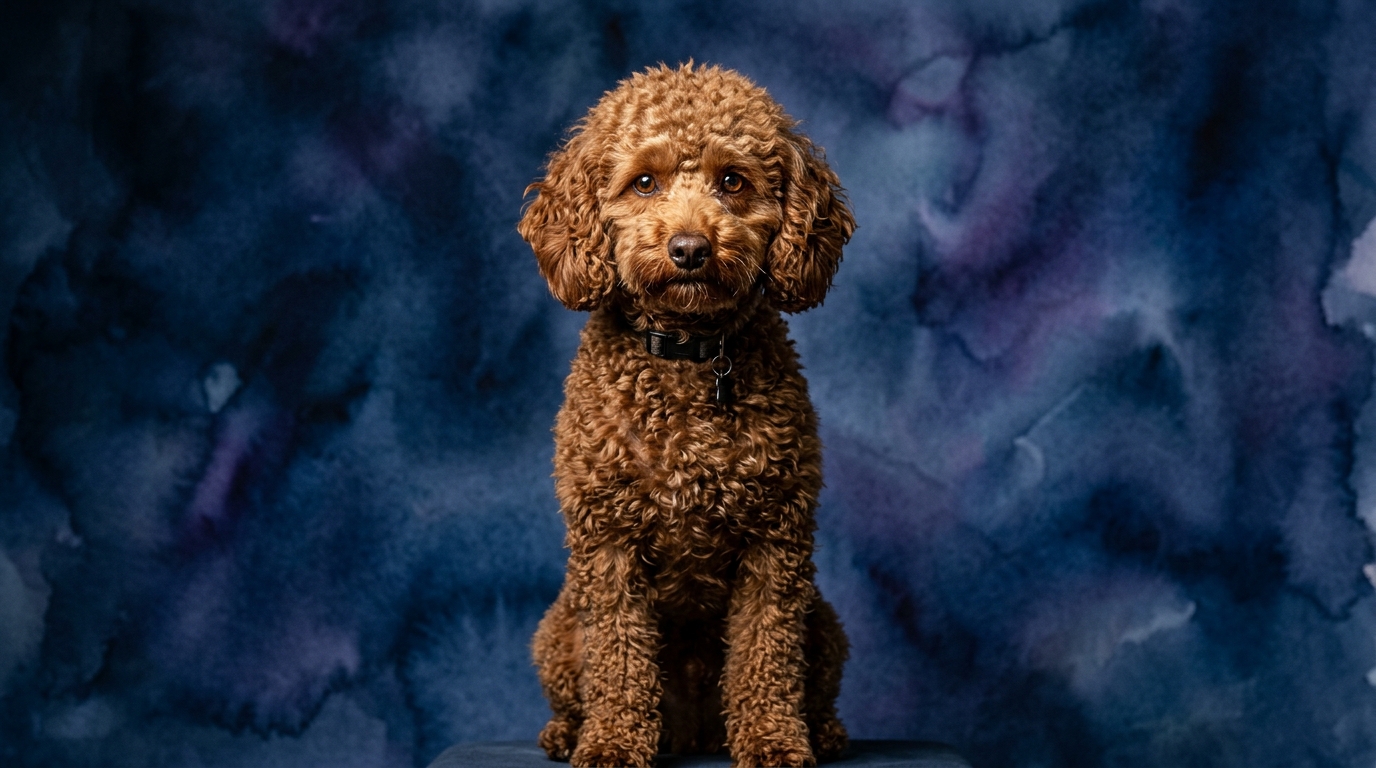
In stark contrast, the Miniature Poodle, a formidable #2 on the Coren ranking, presents a profile of exceptional cognitive agility. Their Problem Solving is a perfect 5/5, indicating an innate ability to analyze situations, strategize, and often figure out novel ways to achieve goals, whether it’s opening a cabinet or solving a complex puzzle toy. Training Speed also hits 5/5, meaning Miniature Poodles grasp new commands and concepts with remarkable speed, often after just a few repetitions, making them highly responsive to instruction. Their Social Intelligence, at 3/5, is competent but perhaps less pronounced than the Dalmatian's, suggesting they are responsive to humans but might not always be as finely attuned to subtle social nuances. Instinctive Drive, also 3/5, implies they possess a foundational drive but may not exhibit the same relentless focus or endurance as breeds with higher scores. However, their Memory is a stellar 5/5, ensuring they not only learn quickly but also retain that information over long periods, making advanced training and complex sequences well within their grasp.
Where the Dalmatian Cognitively Excels
The Dalmatian's cognitive strengths lie deeply in their social awareness and persistent drive, traits honed over centuries. Their 4/5 Social Intelligence means they are exceptionally perceptive of human emotions and intentions. A Dalmatian can often anticipate a handler's next move or respond subtly to shifts in mood, making them remarkably intuitive companions. This isn't just about obedience; it's about a sophisticated understanding of their place within a human-centric social structure. This capacity for social attunement means they are often very good at adapting to diverse family dynamics and can be quite sensitive to their owners' needs, often forming deep, empathetic bonds.
Furthermore, their 4/5 Instinctive Drive provides a robust foundation for activities that require sustained effort and purpose. This isn't merely boundless energy; it's an internal motor that propels them towards a goal, whether it's accompanying a jogger for miles or diligently performing a task once they understand its objective. This drive, combined with their strong memory, allows them to excel in pursuits like endurance sports or roles requiring vigilance and consistent monitoring. Their independence, often perceived as a challenge, is also a cognitive strength, allowing them to make decisions and act with confidence when a direct human command isn't immediately available, a trait valuable in their historical carriage dog role.
Where the Miniature Poodle Cognitively Shines
The Miniature Poodle's cognitive prowess is unequivocally centered on their exceptional problem-solving abilities and rapid learning. With a perfect 5/5 in Problem Solving, these dogs aren't just good at following instructions; they are adept at figuring things out for themselves. This manifests in their ability to quickly understand complex sequences, manipulate objects to achieve a desired outcome, or even strategize during interactive games. If a Poodle wants something, they will often try multiple approaches to get it, demonstrating a flexible and inventive mind. This intellectual curiosity makes them engaging partners for advanced training and canine sports.
Complementing their problem-solving is their 5/5 Training Speed and 5/5 Memory. A Miniature Poodle can learn a new command in a fraction of the time it takes many other breeds, often picking up on cues and associations almost instantly. This rapid acquisition of knowledge, coupled with outstanding retention, means that once a Poodle learns something, they rarely forget it. This combination makes them highly versatile in disciplines like obedience, agility, and even complex trick training, where mastering intricate routines is paramount. Their capacity for abstract thought and pattern recognition also contributes to their ease in learning human language cues and adapting to varied communication styles.
Training Dynamics: Dalmatian vs. Miniature Poodle
When it comes to training, the differences between these two breeds are quite pronounced, largely due to their disparate scores in Training Speed and Problem Solving. The Miniature Poodle, with its 5/5 in both categories, is generally considered easier to train. They grasp commands quickly, often requiring fewer repetitions, and are adept at understanding the 'why' behind an instruction. Their high problem-solving capacity means they can generalize learned behaviors to new situations and even offer creative solutions when faced with novel challenges during training sessions. This cognitive flexibility makes them highly responsive to positive reinforcement and eager to engage in mentally stimulating training.
The Dalmatian, scoring 3/5 in Training Speed and Problem Solving, presents a different training experience. While certainly capable learners, they typically require more patience, consistency, and engaging methods to maintain their focus and motivation. Their higher Instinctive Drive means they might be more easily distracted by environmental stimuli or their own internal motivations, requiring a trainer to work harder to capture and hold their attention. They might not connect abstract commands to actions as quickly as a Poodle, necessitating more practical demonstrations and consistent cueing. However, their strong Social Intelligence means they are highly attuned to their handler's feedback, and positive, relationship-based training can be very effective in leveraging their desire for connection.
Matching Breeds to Lifestyles: Active vs. Relaxed Owners
Choosing between a Dalmatian and a Miniature Poodle also comes down to aligning a dog's cognitive and physical needs with an owner's lifestyle. The Dalmatian, with its 4/5 Instinctive Drive and historical role as a carriage dog, thrives with active owners who can provide ample physical exercise and mental engagement that taps into their endurance and purpose. They are excellent partners for long runs, hiking, or structured dog sports that allow them to channel their drive. Owners who appreciate a dog with a strong will and who can commit to consistent training and daily activity will find a rewarding companion in the Dalmatian. Their preference for a 'job' means they aren't content to be couch potatoes; they need an outlet for their physical and mental energy.
The Miniature Poodle, while certainly athletic and capable of high-energy activities, offers more adaptability, making them suitable for a broader range of owners. Their exceptional problem-solving skills and memory mean they require significant mental stimulation, which can be provided through puzzle toys, trick training, or dog sports like agility. While they enjoy physical activity, a Miniature Poodle can often be satisfied with a good walk combined with engaging mental games if an owner's lifestyle is less intensely active. They are well-suited for owners who enjoy teaching new things, participating in canine education, or simply engaging their dog's mind daily. Their moderate Instinctive Drive means they are less likely to become destructive if their physical needs aren't met daily, provided their cognitive needs are addressed.
The Verdict
Choose a Dalmatian if you are an active, consistent owner who values a socially intuitive companion with a strong, purposeful drive for shared adventures and endurance activities.
Opt for a Miniature Poodle if you seek a highly trainable, cognitively agile partner who excels at problem-solving and thrives on mental challenges and quick learning.
🧠 Find Your Pet's IQ Score
Our Pet IQ Lab assessment covers 25+ tests across 5 cognitive dimensions — personalized to your breed.
Take the Full IQ Test →Frequently Asked Questions
Are Dalmatians good at learning tricks?
Yes, Dalmatians can learn tricks, particularly those that are physically engaging and have a clear purpose, leveraging their 4/5 memory. Their 3/5 training speed means they might take more repetitions than some other breeds, but their social intelligence helps them connect with their trainer's cues.
Do Miniature Poodles get bored easily if not mentally stimulated?
Absolutely. With their 5/5 problem-solving and memory, Miniature Poodles require consistent mental challenges to prevent boredom and potential undesirable behaviors. Owners should incorporate puzzle toys, training sessions, and interactive games into their daily routine to keep their minds engaged.
Which breed is better for first-time dog owners?
For first-time dog owners, the Miniature Poodle's 5/5 training speed and problem-solving often make them a more forgiving and easier breed to train. Dalmatians, with their higher instinctive drive and moderate training speed, can be more challenging for an inexperienced owner who might struggle with consistency and channeling their energy.